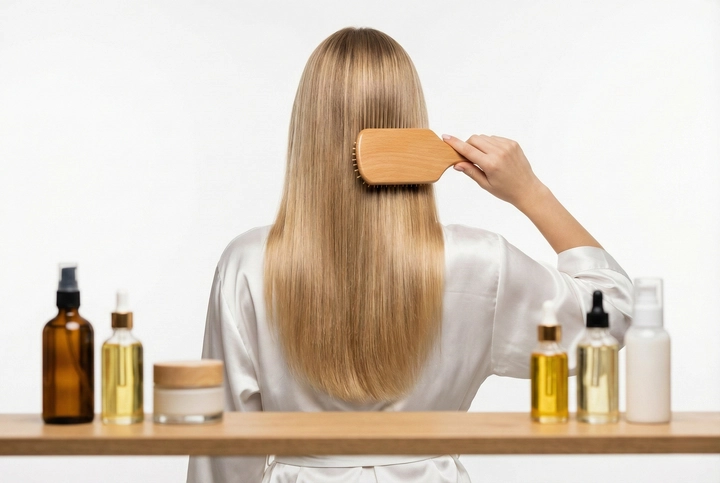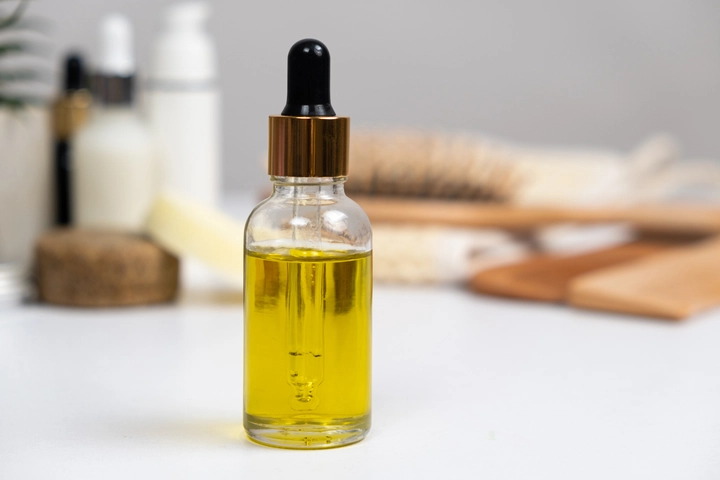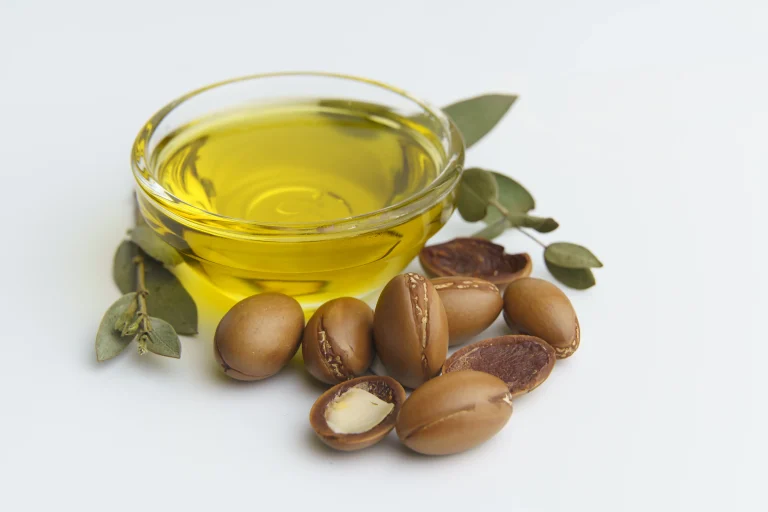
Hair oil works by coating the hair strand to reduce moisture loss, smooth the cuticle, and improve shine and manageability. It does not permanently “repair” damaged hair, but it significantly improves how your hair looks and feels by reducing frizz and protecting the fiber from further stress. When used correctly, oil becomes a simple yet effective step in maintaining healthier-looking hair.
How Hair Oil Works on Your Hair
When you apply oil to your hair, it doesn’t penetrate deep enough to rebuild the internal protein structure. Instead, it works mainly on the surface layer of the hair shaft, known as the cuticle. This outer layer plays a key role in how smooth, shiny, and strong your hair appears. Once the cuticle is lifted or damaged, hair starts to look dry, dull, and prone to breakage. Best hair oil products help by flattening and coating this layer, creating a smoother visual texture.
From a functional perspective, hair oil works in three key ways:
- Moisture sealing: It helps reduce water evaporation from the hair fiber
- Friction reduction: It minimizes tangling and breakage caused by brushing or styling
- Surface protection: It forms a light barrier against heat, pollution, and dryness
Different oils for hair behave differently depending on their fatty acid composition. For example, lighter oils tend to sit on the surface and add shine, while richer plant oils can provide deeper nourishment and longer-lasting smoothness. This is why formulation matters more than people often realize—your experience with hair oil depends heavily on the type of oil blend used.
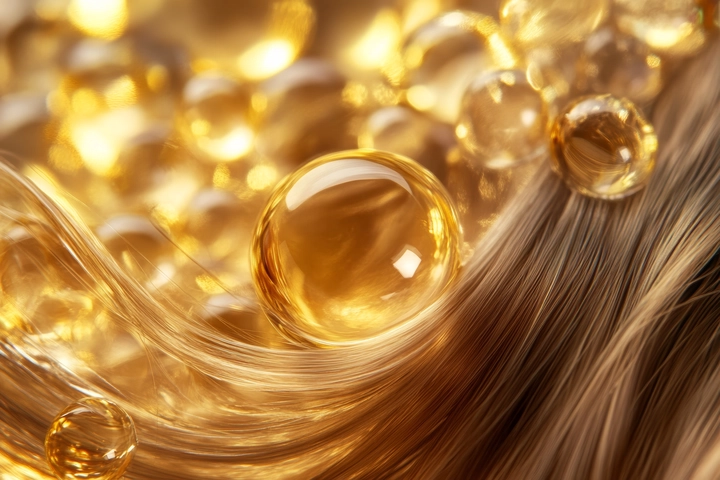
What Does Oil Do to Your Hair? 5 Key BenefitsThe
The best hair oil products are widely used because it delivers multiple visible benefits even after a single application. While it is not a structural repair treatment, it plays an important role in improving hair appearance and daily manageability. If your hair feels dry, rough, or difficult to control, oil can quickly change how it behaves and responds to styling.
Here are the key benefits you can expect:
- Reduces frizz and flyaways: Oil smooths lifted cuticles, making hair look more controlled
- Enhances natural shine: A thin coating reflects light better, improving overall gloss
- Improves softness and feel: Hair becomes easier to touch, detangle, and style
- Helps prevent breakage: Reduced friction lowers mechanical damage during brushing
- Supports environmental protection: Helps shield hair from dryness caused by heat or pollution
Another important point is consistency. You may not see a dramatic transformation from one use, but with regular application, your hair becomes noticeably easier to manage. This is especially true if your hair has been exposed to heat styling, coloring, or chemical processing.
The effectiveness also depends on how much oil you use. A small amount applied to mid-lengths and ends is usually enough. Overuse can weigh hair down, especially for fine hair types. The goal is control and protection, not saturation.
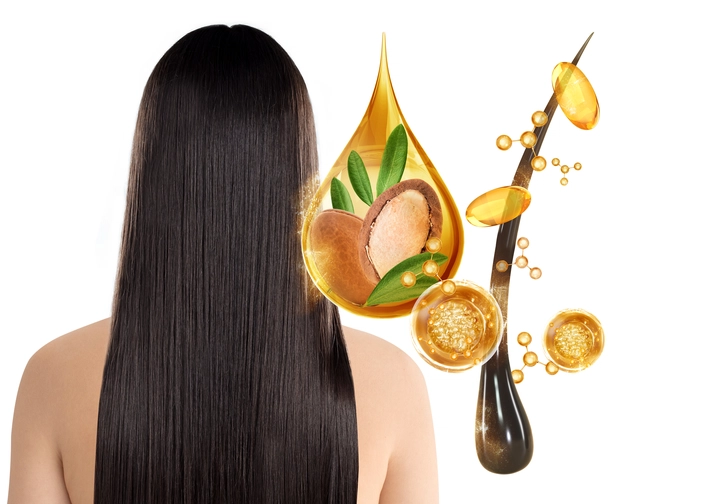
Click to read: Argan Oil Hair Care Products: Benefits & Formulation Guide
Does Hair Oil Actually Repair Damaged Hair?
This is where expectations need to be realistic. Hair oil does not “repair” damaged hair in the sense of rebuilding broken protein bonds inside the hair shaft. Once hair is damaged, that structural change is permanent until the hair grows out or is trimmed. However, oil can significantly improve how damaged hair looks and behaves on a daily basis.
What oil can do is improve the appearance of damage. It smooths rough cuticles, which reduces the visual signs of dryness and split ends. It also helps reduce further breakage by minimizing friction, especially during combing or heat styling. In this sense, oil acts more like a protective and cosmetic enhancer rather than a true repair system.
To make this clearer:
- Oil = improves appearance, softness, and manageability
- Protein treatments = support temporary structural reinforcement
- Cutting/trimming = the only real way to remove damage
Many effective hair care routines actually combine all three approaches. For example, using a protein-based treatment weekly and a lightweight oil daily can help maintain both strength and shine. If your hair is severely damaged, oil alone won’t be enough, but it becomes a critical supporting step in preventing further deterioration.
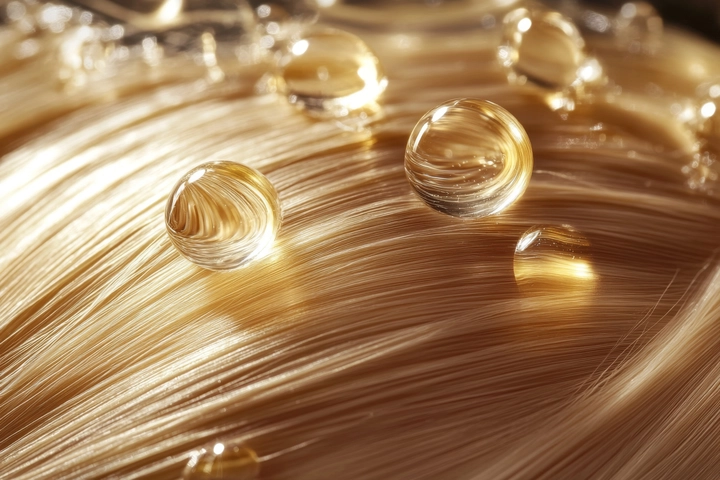
How to Use Hair Oil Correctly
How you apply hair oil matters just as much as the product itself. The same oil can feel lightweight and effective in one routine but heavy and greasy in another. To get the best results, you need to match the application method with your hair condition and styling goals.
There are three main ways to use the best hair oil products:
1. Pre-wash treatment
You apply oil before shampooing, usually on dry hair. This method helps reduce moisture loss during washing and is especially useful for dry or chemically treated hair. Leave it on for 20–60 minutes before cleansing.
2. Post-wash (leave-in use)
After washing and towel-drying your hair, apply a small amount to mid-lengths and ends. This helps control frizz and makes detangling easier while your hair is still damp.
3. Finishing/styling step
On dry hair, oil can be used as a finishing touch to smooth flyaways and add shine. This is where dosage control is most important—just 1–2 drops are usually enough.
Choosing the right method depends on your hair type:
| Hair Type | Recommended Usage |
|---|---|
| Dry or damaged hair | Pre-wash + leave-in |
| Curly or frizzy hair | Leave-in + finishing |
| Fine hair | Minimal finishing use only |
| Oily scalp | Ends only, avoid roots |
When you understand timing and placement, oil becomes a highly controllable styling and care tool rather than something that feels heavy or unpredictable.
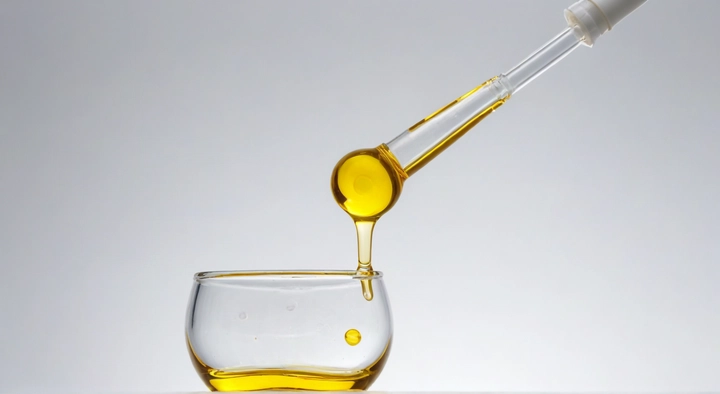
Which Hair Type Needs Oil the Most?
Hair oil does not work the same way for every hair type. The key is matching the level of oil and placement to your hair’s texture and scalp condition. When used correctly, it improves softness, shine, and manageability without causing buildup or heaviness.
Dry and damaged hair
- Lacks natural surface lipids and moisture protection
- Benefits most from regular oil use
- Helps reduce frizz, breakage, and dullness
- Improves softness and visible shine quickly
Curly and wavy hair
- Natural oils struggle to reach mid-lengths and ends
- Prone to dryness and frizz
- Helps define curl pattern and improve moisture balance
- Makes hair easier to control and style
Fine hair
- Easily weighed down by heavy products
- Requires minimal and lightweight oil use
- Adds light shine and smoothness without buildup
- Best applied only on ends or as a finishing step
Oily scalp hair
- The scalp produces enough natural oil, but the ends can still be dry
- Should avoid applying oil to the roots
- Focus on mid-lengths and ends only
- Helps smooth hair without increasing scalp oiliness
Best Ingredients in Hair Oils
The performance of a hair oil is largely determined by its ingredient profile. Different plant oils bring different fatty acids, absorption rates, and cosmetic effects. This is why high-quality hair oil for moisturizing is usually a blend rather than a single-ingredient formula.
Some commonly used effective ingredients include:
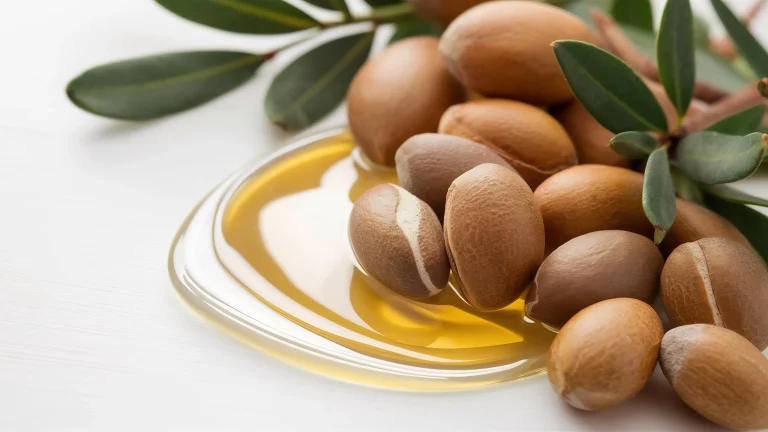
- Argan Oil: Lightweight, high in vitamin E, improves softness and shine
- Coconut Oil: Strong penetration ability, helps reduce protein loss in hair fiber
- Jojoba Oil: Closely mimics natural sebum, supports scalp balance
- Castor Oil: Thick texture, often used for perceived density and shine
- Botanical oil blends: Combine multiple benefits for balanced performance
A well-designed formulation usually balances lightweight and nourishing oils. Too much heavy oil can create buildup, while overly light formulations may not provide enough control for dry hair types.
From a product development perspective, this is where customization matters. Brands often adjust oil ratios depending on target markets—for example, humid climates prefer lighter textures, while colder regions may require richer formulations.
Hair Oil vs Hair Serum vs Conditioner
These three products are often confused, but they serve different purposes in your hair care routine. Understanding the difference helps you avoid redundancy and build a more effective routine.
| Product | Main Function | Best Use Stage |
|---|---|---|
| Hair Oil | Nourish, seal moisture, add shine | Before or after wash |
| Hair Serum | Smooth styling, anti-frizz finish | After styling |
| Conditioner | Hydrate and detangle hair | During wash |
Hair oil focuses more on nourishment and long-term protection of the hair fiber surface. Serums are typically silicone-based or lightweight blends designed for immediate styling control. Conditioners work inside the wash routine to improve manageability but wash out after rinsing.
When used correctly together, these products don’t compete—they complement each other. A simple routine might include conditioner in the shower, oil after washing, and serum for final styling if needed.
Conclusion
Hair oil for moisturizing is not a universal solution applied in the same way for every hair type. Its real value comes from how precisely you match the product and application method to your hair condition. When you understand whether your hair is dry, curly, fine, or oil-prone, you can use oil to improve softness, control frizz, and enhance shine without creating heaviness or buildup.
The key takeaway is simple: it’s less about whether you should use hair oil and more about how you use it for your specific hair needs. With the right approach, oil becomes a flexible tool that supports both daily styling and long-term hair appearance.
If you’re developing hair oil products or building a hair care line, formulation and positioning can be tailored to different hair types and user habits. Mountain Sea can support you in creating targeted solutions that better match your market and customers.