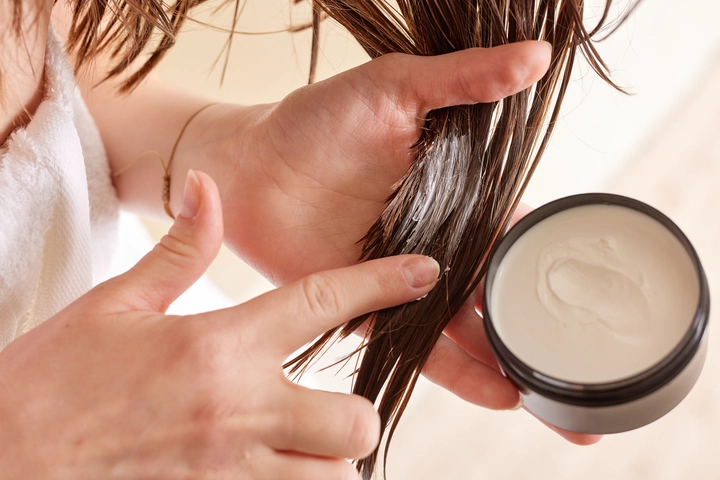
Scalp care products are becoming an important part of modern hair care as consumers pay more attention to scalp condition, targeted care, and overall hair health. Brands can build a strong scalp care product by starting with a clear consumer need, choosing the right product format, defining its positioning, selecting a suitable formula direction, and preparing it for launch.
Why Are Hair Care Brands Expanding Into Scalp Care?
Hair care has traditionally focused on the hair fiber itself. Shampoos, conditioners, masks, oils, and styling products are mainly designed to cleanse, condition, repair, or style the hair.
Today, consumers are paying more attention to the scalp as part of their overall hair care routine. This shift creates new opportunities for brands that want to expand their product portfolios.
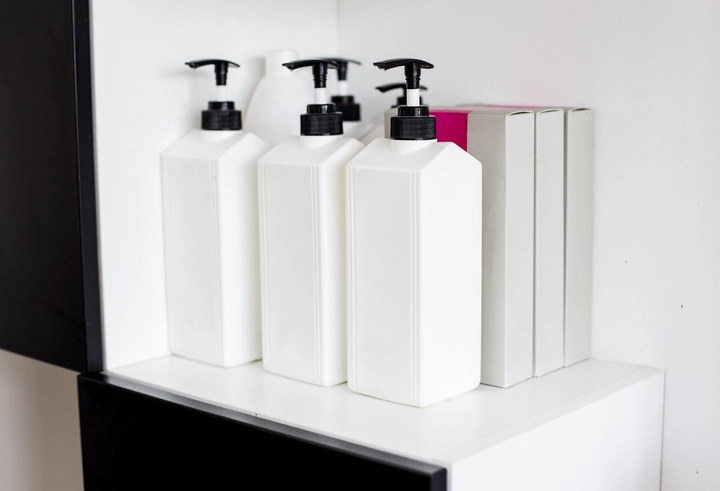
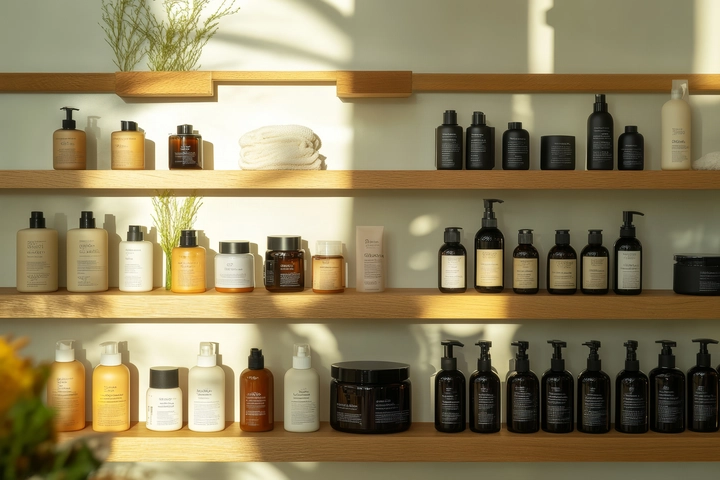
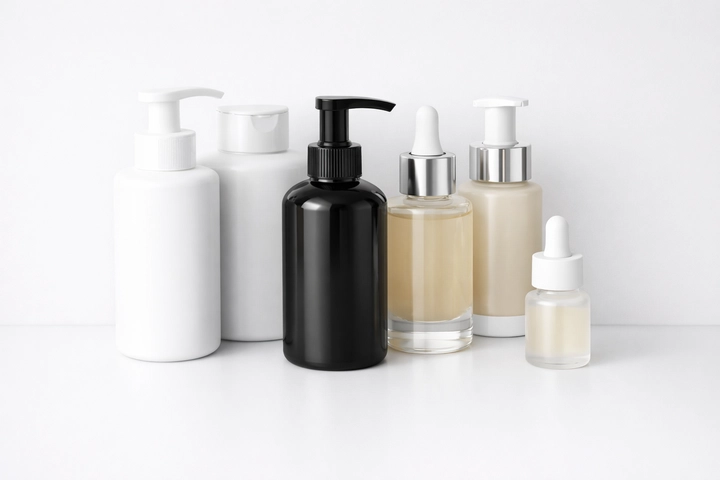
Hair and scalp care products can address different parts of the hair care routine, from cleansing the scalp to providing targeted leave-in care.
Several factors are driving this shift:
- Consumers are becoming more interested in scalp-focused routines.
- Different scalp concerns require more targeted product solutions.
- Brands can expand beyond traditional shampoo and conditioner categories.
- Scalp-focused products can create new opportunities for premium and specialized positioning.
- Consumers increasingly expect hair care routines to address both the scalp and hair.
For brands, scalp care is therefore not simply another product category. It can become a way to create a more specialized hair care portfolio.
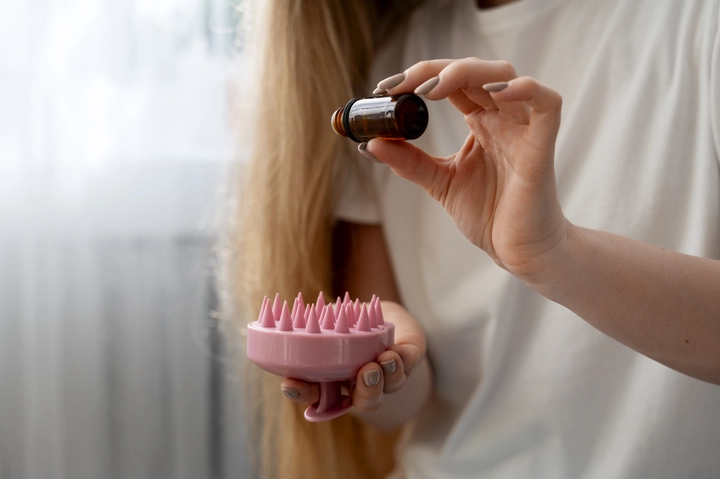
What Scalp Concerns Are Consumers Looking to Address?
The first step in creating a scalp-focused product is understanding the consumer problem. A product should be built around a specific need rather than around a popular ingredient or trend.
Common scalp care needs include:
Oily Scalp
Consumers with oily scalps may look for products that provide effective cleansing without leaving the scalp feeling excessively dry.
Possible product directions include:
- Scalp-balancing shampoos
- Clarifying shampoos
- Lightweight scalp treatments
- Daily scalp cleansing products
Dry or Dehydrated Scalp
A dry-feeling scalp may create demand for products focused on moisture and comfort.
Brands may consider:
- Moisturizing scalp shampoos
- Hydrating scalp serums
- Leave-in scalp treatments
- Gentle cleansing formulas
Sensitive Scalp
Consumers who prefer gentle scalp care may look for simpler formulas and a comfortable sensory experience.
The product concept may focus on:
- Gentle cleansing
- Lightweight textures
- Soothing ingredients
- Low-residue formulas
Scalp Buildup
Buildup from styling products, sebum, or other residues can create demand for deeper cleansing or exfoliating products.
Possible formats include scalp scrubs, clarifying shampoos, and exfoliating treatments.
Thinning-Looking Hair
Some consumers are interested in scalp-focused products as part of a routine for hair that appears thin or lacks density.
Brands may explore scalp serums, tonics, and complementary shampoo products while ensuring that product claims remain appropriate for the target market.
The key is to define one clear primary consumer need before deciding what the product should be.
What Scalp Care Product Should a Brand Develop?
Once the target scalp concern is clear, the next question is product format. Different hair care products for scalp can provide different experiences and fit different consumer routines.
Scalp Shampoo
A scalp shampoo is suitable when cleansing is the main product function.
It may be positioned around:
- Daily scalp cleansing
- Oil control
- Gentle cleansing
- Clarifying care
- Scalp freshness
Because shampoo is rinsed off, the formula needs to balance cleansing performance with the desired scalp feel.
Scalp Serum
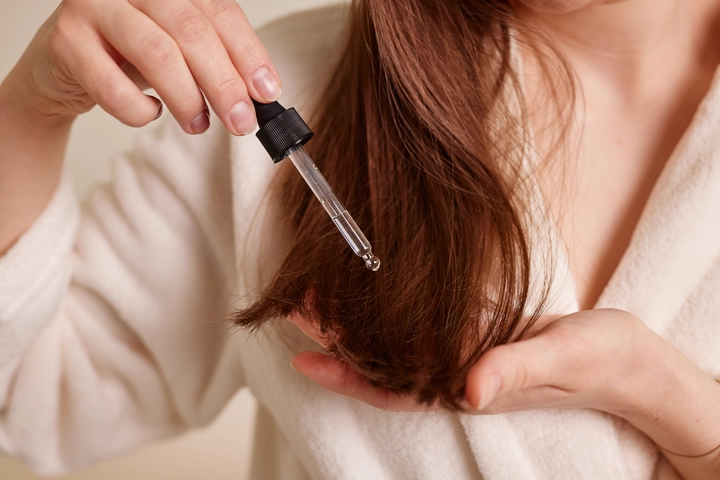
A scalp serum provides an opportunity for more targeted, leave-in care.
It can be designed around concepts such as:
- Lightweight hydration
- Scalp comfort
- Daily scalp care
- Scalp conditioning
The texture is especially important because consumers generally expect a leave-in scalp product to feel light and leave minimal residue.
Scalp Scrub
A scalp scrub can be positioned around exfoliation and removal of buildup.
However, the exfoliating approach should match the intended consumer and product positioning. A professional scalp treatment may have different requirements from a gentle product designed for regular home use.
Scalp Tonic or Leave-In Treatment
Tonics and leave-in treatments can fit easily into daily routines. They also give brands more flexibility when developing specialized product concepts.
For example:
Target: Consumers with oily roots
Format: Lightweight scalp tonic
Product direction: Fresh scalp feel with lightweight hydration
Positioning: Daily scalp care for modern hair care routines
The best format is therefore not necessarily the most popular one. It is the format that best connects the consumer need, product benefit, usage experience, and brand positioning.
How Should a Scalp Care Product Be Positioned?
A good product concept needs more than a target scalp concern. Brands also need to decide who the product is for, what benefit it provides, and why consumers should choose it.
A useful positioning framework includes four elements:
| Element | Key Question |
|---|---|
| Target consumer | Who is the product designed for? |
| Scalp concern | What specific need does it address? |
| Product benefit | What experience or benefit should consumers expect? |
| Market position | Where does the product sit in the market? |
Define the Target Consumer
Avoid targeting everyone with one product.
A product for young consumers with oily scalps may have a different texture, fragrance, packaging style, and communication strategy from a premium scalp treatment for mature consumers.
Define the Core Benefit
The product should have one clear primary benefit.
For example:
- Scalp hydration
- Scalp cleansing
- Scalp freshness
- Gentle scalp care
- Scalp exfoliation
Additional benefits can support the concept, but too many claims can make the product positioning unclear.
Match the Product to the Brand
The scalp care product should also fit the existing brand portfolio.
A professional salon brand may focus on performance and treatment experience, while a premium consumer brand may emphasize sophisticated textures, sensory experience, and specialized ingredients.
This is where scalp care products can become more than individual SKUs. A well-positioned product can become part of a broader brand strategy.
Which Scalp Care Ingredients and Formula Direction Fit the Concept?
Scalp care ingredients should be selected according to the product concept, target scalp concern, product format, and desired consumer experience.
The ingredient list should not be the starting point. The product concept should come first.
Match Ingredients to the Scalp Concern
| Product Direction | Formula Focus | Possible Ingredient Direction |
|---|---|---|
| Oily scalp | Cleansing and lightweight feel | Cleansing agents, zinc PCA, selected botanical extracts |
| Dry scalp | Hydration and comfort | Panthenol, aloe vera, betaine |
| Sensitive scalp | Gentle and comfortable use | Mild cleansing agents, soothing ingredients |
| Scalp buildup | Cleansing and exfoliation | Exfoliating or clarifying ingredients |
| Daily scalp care | Lightweight, non-heavy experience | Humectants, conditioning agents, botanical ingredients |
These are examples of formulation directions rather than universal ingredient recommendations. The final formula depends on the product format, concentration, compatibility, regulatory requirements, and target market.
Consider the Product Experience
Ingredient selection also affects:
- Texture
- Absorption
- Residue
- Fragrance
- Foam
- Rinseability
- Scalp feel
For example, a leave-in scalp serum generally needs a different sensory profile from a rinse-off scalp shampoo.
A formula that looks strong on paper may still fail if it feels heavy, sticky, greasy, or uncomfortable during use.
The goal is to create a formula in which the ingredients, product format, claims, and user experience support the same concept.
How Does a Scalp Care Concept Become a Finished Product?
Once the concept and formula direction are defined, scalp care product development turns the strategy into a product that can be tested, refined, packaged, and manufactured.
The process may include several stages:
1. Formula Development
The initial formula is developed according to the target product concept.
Depending on the project, brands may start with a ready-made formula or work with a private label hair care manufacturer on custom formulation.
2. Sample Evaluation
Samples are evaluated for characteristics such as:
- Texture
- Fragrance
- Color
- Viscosity
- Spreadability
- Scalp feel
- Rinseability or absorption
Feedback from sample evaluation can lead to further formula adjustments.
3. Testing and Compatibility
The product may require stability, microbiological, packaging compatibility, and other appropriate testing before commercial production.
The exact testing requirements depend on the formula, packaging, product type, claims, and target market.
4. Packaging Development
Packaging should support both the formula and the intended user experience.
For example:
- A scalp serum may use a dropper or precision applicator.
- A shampoo may use a pump or flip-top bottle.
- A scalp treatment may require packaging designed for controlled application.
Packaging is therefore part of product development, not simply a final decoration.
5. Production and Quality Control
After the formula, packaging, and samples are approved, the product can move into production.
The general path is:
Formula → Sample → Testing → Packaging → Production → Quality Control → Finished Product
The objective is to ensure that the final product remains consistent with the approved concept and specifications.
Related Reading: How to Start Your Own Hair Care Product Line
What Should Brands Consider Before Launching a Scalp Care Product?
A product can be well formulated and still struggle in the market if important commercial decisions are made too late.
Before launch, brands should review several areas.
Target Market
Requirements can vary between the US, EU, UK, and other markets. Brands should consider applicable cosmetic regulations, labeling requirements, ingredient restrictions, and product claims before finalizing the product.
Related Reading: EU Hair Care Product Requirements for Private Label Brands
Product Claims
Claims should match the product’s formula, supporting evidence, and target market.
Avoid building the entire marketing strategy around claims that the final formula cannot adequately support.
Packaging and Labeling
The final packaging should provide the required product information while matching the brand’s positioning and consumer expectations.
MOQ and Production Scale
A product concept also needs to make commercial sense.
Brands should evaluate:
- Minimum order quantity
- Packaging costs
- Formula costs
- Production scale
- Target retail price
- Expected sales volume
A premium scalp serum and a mass-market scalp shampoo may require very different cost structures.
Formula and Packaging Compatibility
Packaging should be selected early enough to allow compatibility testing and avoid unnecessary changes before production.
Product Portfolio Fit
Finally, consider how the new product fits into the existing hair care range.
For example, a brand may launch a scalp shampoo first and later expand into:
Scalp Shampoo → Scalp Serum → Scalp Treatment → Scalp Care Routine
This approach can create a more coherent product line than launching unrelated scalp products.
Conclusion
Creating a successful scalp care product starts with a consumer need, not simply an ingredient or a packaging idea. Modern brands need to connect scalp concerns, product format, positioning, formula direction, testing, packaging, and market requirements to create a product that fits both consumer expectations and the brand’s strategy.
For brands planning to launch scalp care products, Mountain Sea can support the process with ready-made formulas, custom formulation, packaging solutions, and finished product manufacturing. Please feel free to contact Mountain Sea to discuss your scalp care product concept and explore a suitable development solution.