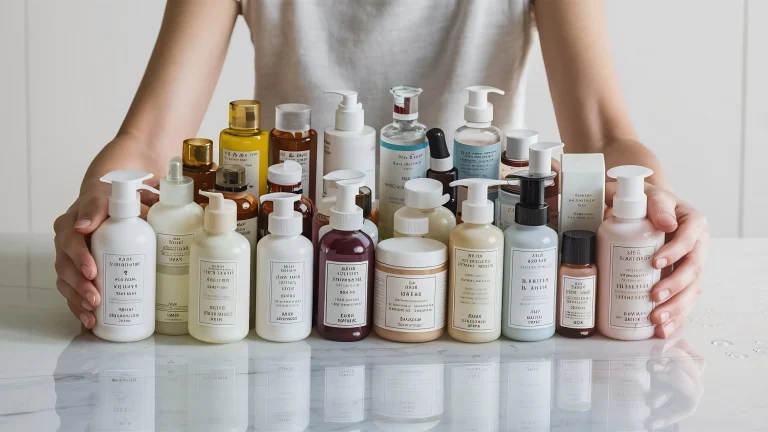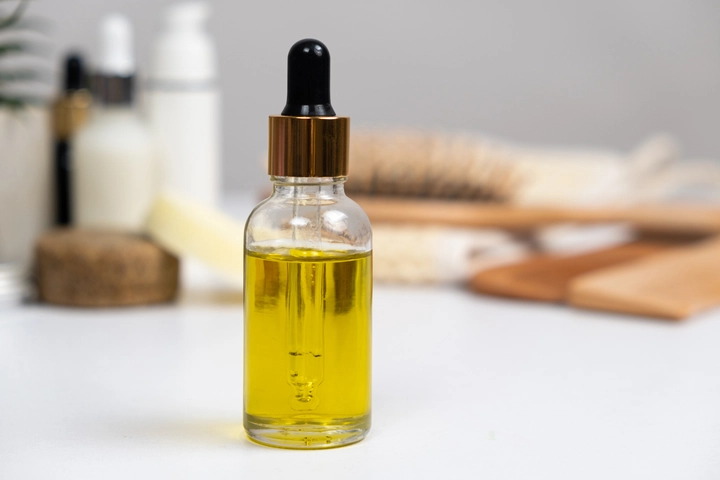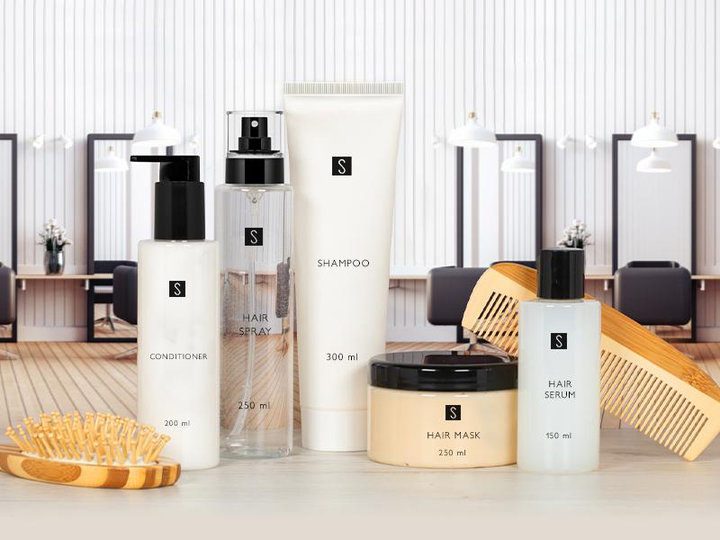
Natural hair care in 2026 is no longer just about “clean” ingredients or sulfate-free labels. Consumers now expect products that combine natural ingredients with visible performance, scalp-focused benefits, and a premium self-care experience. Brands that focus on functional botanical ingredients, scalp wellness, simplified routines, and content-friendly products will have stronger opportunities to stand out in an increasingly competitive market.
The biggest opportunity for emerging hair care brands is not simply following trends, but turning those trends into products consumers actually search for, trust, and repurchase.
Key Takeaways
- Scalp care and rosemary-based products continue to grow in 2026.
- Consumers want natural hair care products that deliver real results.
- Multifunctional and minimalist products are becoming more popular.
- Personalized hair care creates new opportunities for niche brands.
- Waterless and concentrated products are gaining attention.
- Strong ingredient storytelling and content marketing help brands stand out.
Why Natural Hair Care Is Still Growing in 2026
The global natural hair care market continues to grow because consumer expectations around beauty and wellness have changed significantly over the last few years. Shoppers are becoming more ingredient-conscious, and social media platforms like TikTok and Instagram have accelerated consumer education around scalp health, botanical ingredients, and clean beauty products.
Consumers are no longer impressed by generic “natural” claims alone. Instead, they want products that combine natural ingredients with real performance. A shampoo may be sulfate-free, but if it fails to improve dryness, frizz, or scalp buildup, customers are unlikely to repurchase it.
Several key consumer shifts are driving this market growth:
- Increased awareness of scalp health
- Demand for ingredient transparency
- Preference for vegan and non-toxic formulas
- Growing interest in wellness-inspired beauty routines
- Desire for minimalist and multifunctional products
Many consumers also associate natural hair care with healthier lifestyles. This is especially true among younger buyers, who often research ingredients before making purchasing decisions.
The following table shows how consumer priorities are evolving in the natural hair care market:
| Traditional Hair Care Focus | 2026 Consumer Expectations |
|---|---|
| Basic cleansing | Scalp health & hair wellness |
| Cheap formulas | Clean but effective ingredients |
| Generic claims | Ingredient transparency |
| Single-function products | Multifunctional benefits |
| Basic packaging | Premium sensory experience |
For brands, this shift creates opportunities to develop products that are both trend-driven and highly marketable. Instead of competing purely on price, brands can differentiate themselves through ingredient storytelling, niche positioning, and better customer experiences.
Scalp-Focused Hair Care Will Continue to Dominate
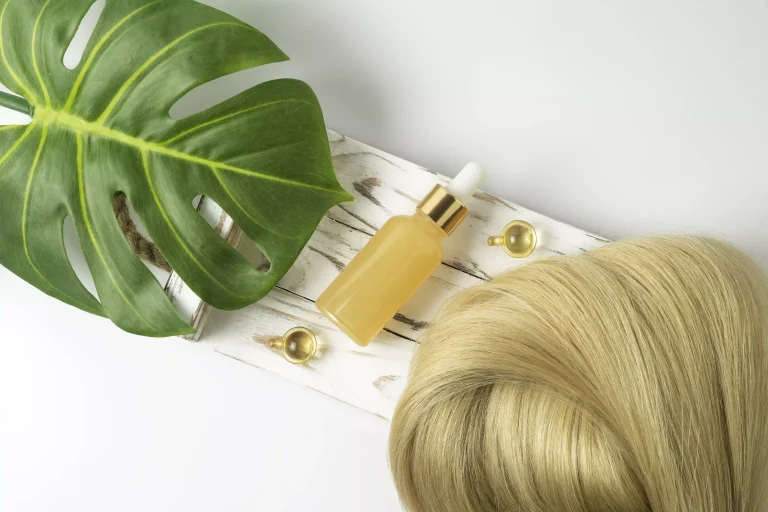
One of the biggest natural hair care trends in 2026 is the continued rise of scalp-focused products. Consumers increasingly understand that healthy hair begins with a healthy scalp, which has transformed scalp care from a niche category into a mainstream demand.
This trend has become especially popular on TikTok, where users regularly share scalp detox routines, rosemary oil treatments, and hair growth journeys. As a result, consumers are actively searching for products that address scalp-related concerns such as:
- Oiliness
- Dryness
- Product buildup
- Itching
- Hair thinning
Products gaining attention include:
- Rosemary shampoo
- Tea tree scalp scrub
- Peppermint scalp serum
- Scalp exfoliating treatments
- Hair growth oils
Scalp-focused products also offer strong advantages for private label brands. Unlike basic shampoo products, scalp care can easily expand into full collections that increase average order value and customer retention.

For example, a brand can build a complete scalp wellness system including:
| Product Type | Positioning Idea |
|---|---|
| Scalp shampoo | Deep cleanse & refresh |
| Scalp serum | Daily scalp nourishment |
| Scalp scrub | Weekly detox treatment |
| Hair oil | Strengthening & growth support |
This category also performs well in short-form content marketing because consumers respond strongly to visible routines, ingredient visuals, and before-and-after transformations.
Brands entering this space should focus on combining natural ingredients with clear functional benefits. Consumers want products that feel clean and botanical, but they also expect noticeable results.
Functional Botanical Ingredients Are Replacing Generic “Natural” Claims
In earlier years, many hair care brands used broad marketing terms like “natural” or “organic” without clearly explaining ingredient benefits. In 2026, consumers are far more educated and selective. They want to know exactly which ingredients are included and what those ingredients actually do.
Functional botanical ingredients are becoming central to product positioning because they help brands communicate both performance and transparency.
Some of the most searched natural hair care ingredients include:
- Rosemary oil
- Argan oil
- Rice water
- Aloe vera
- Biotin
- Castor oil
- Caffeine
- Coconut oil
These ingredients are popular because consumers already recognize them from social media content, beauty influencers, and online reviews.
Instead of saying:
“Made with natural ingredients.”
Brands now perform better when they say things like:
“Rosemary and caffeine formula designed to support scalp health and reduce buildup.”
This shift matters because consumers increasingly associate natural hair care with effectiveness, not just safety.
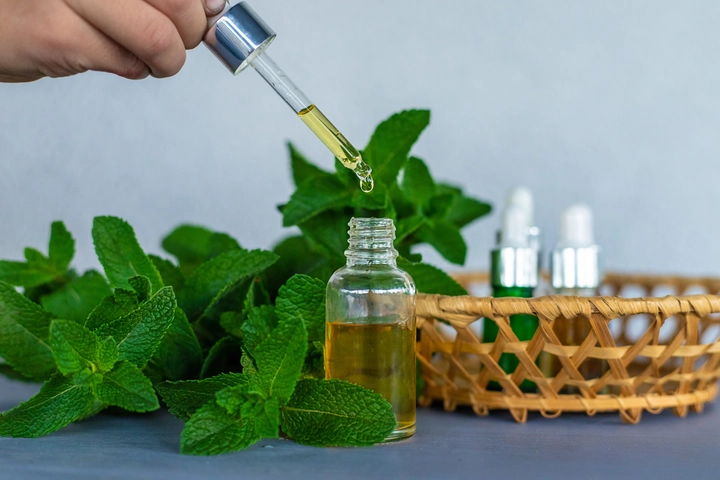
Here are several ingredient trends brands should pay attention to:
Rosemary-Based Products
Rosemary continues to trend because consumers associate it with scalp stimulation and hair growth support.
Rice Water Formulas
Popular for strengthening damaged hair and improving shine.
Botanical Oils
Argan oil, castor oil, and coconut oil remain highly marketable because they are visually appealing and easy for consumers to understand.
Fermented Ingredients
Emerging trend linked to scalp balance and improved absorption.
Brands should avoid overloading formulas with too many trendy ingredients at once. Consumers respond better to products with clear ingredient stories and focused benefits.
Minimalist and Multifunctional Hair Care Is Becoming More Popular
Consumers are simplifying their beauty routines, and this behavior is strongly influencing the natural hair care industry. Instead of buying large numbers of single-purpose products, many consumers now prefer multifunctional formulas that save time and reduce complexity.
This trend is especially important for younger consumers and busy professionals who want efficient products without sacrificing performance.
Popular examples include:
- Leave-in conditioners with heat protection
- Shampoo + scalp care combinations
- Hair masks with strengthening and moisturizing benefits
- Multi-oil hair serums
Minimalist hair care also aligns well with clean beauty positioning because consumers increasingly associate simplified routines with healthier lifestyles.
For brands, this creates several strategic advantages:
| Benefit for Brands | Why It Matters |
|---|---|
| Fewer SKUs needed | Lower startup costs |
| Easier brand messaging | Stronger positioning |
| Better customer understanding | Higher conversion rates |
| Improved repeat purchase potential | Routine-based selling |
Instead of launching ten unrelated products, emerging brands often perform better when they focus on one “hero product” supported by a smaller collection.
For example:
- A rosemary scalp shampoo
- A strengthening hair serum
- A moisturizing leave-in treatment
This approach helps brands create a stronger identity and clearer marketing content.
Minimalist product positioning also works extremely well for social media advertising because consumers quickly understand the value proposition.
Waterless and Concentrated Hair Care Products Are Gaining Attention
Sustainability remains an important topic in beauty, but consumers in 2026 are becoming more practical about what sustainability actually means. Instead of focusing only on eco-friendly messaging, shoppers now appreciate products that offer convenience, portability, and reduced waste at the same time.
This is one reason why waterless and concentrated hair care products are gaining momentum.
Examples include:
- Shampoo bars
- Concentrated shampoo paste
- Powder-based hair care
- Refill packaging systems
These products appeal to consumers for several reasons:
- Travel-friendly packaging
- Lower shipping weight
- Reduced plastic usage
- Longer-lasting formulas
For emerging brands, concentrated products may also create operational advantages because shipping and storage costs can be reduced.
However, this category requires careful product development. Consumers still expect the best natural hair care products to provide a pleasant texture, fragrance, and user experience. If concentrated formulas feel inconvenient or difficult to use, adoption becomes much harder.

Brands entering this category should focus on balancing:
| Consumer Expectation | Product Development Goal |
|---|---|
| Sustainability | Reduced packaging waste |
| Performance | Effective cleansing and hydration |
| Convenience | Easy application |
| Premium experience | Pleasant texture and scent |
This category is still less saturated than standard sulfate-free shampoo products, which makes it an interesting opportunity for brands looking for differentiation.
Personalized Natural Hair Care Is Creating New Niche Opportunities
Consumers increasingly want hair care products designed for their specific hair concerns rather than generic “all hair types” positioning. This trend toward personalization is creating opportunities for smaller brands to compete through niche targeting.
Instead of trying to appeal to everyone, many successful natural hair care brands now focus on highly specific audiences such as:
- Curly hair consumers
- Color-treated hair users
- Oily scalp concerns
- Damaged hair recovery
- Hair thinning support
This strategy is particularly effective for direct-to-consumer brands because niche positioning often improves content relevance and customer loyalty.
For example, a brand focused entirely on curly hair hydration can create:
- Targeted educational content
- Specialized product bundles
- Stronger community engagement
- More recognizable branding
Consumers also respond positively to brands that clearly understand their problems. Generic messaging often feels less trustworthy compared to focused positioning.
When building personalized best natural hair care products, brands should pay attention to:
- Ingredient compatibility
- Hair texture differences
- Climate-related concerns
- Regional beauty preferences
The strongest niche brands usually combine three elements:
- Clear audience targeting
- Recognizable functional ingredients
- Consistent educational content
This combination helps smaller brands compete even in crowded markets.
How Brands Can Turn These Trends Into Best-Selling Products
Understanding trends is only the first step. Brands that succeed in natural hair care are the ones that translate trends into products with clear positioning and strong customer demand.
One common mistake is trying to launch too many products at once. Many emerging brands achieve better results by starting with a single hero product supported by a focused marketing strategy.
A practical launch strategy often looks like this:
- Choose one clear product category
- Focus on a recognizable ingredient
- Build a strong content angle
- Create a matching packaging identity
- Expand product line gradually
Brands should also prioritize ingredients that consumers already search for online. Highly recognizable ingredients are easier to market because they reduce consumer hesitation.
Examples include:
- Rosemary oil
- Biotin
- Aloe vera
- Argan oil
- Rice water
Another major factor is content compatibility. Products that perform well on TikTok and Instagram often share several characteristics:
- Visually appealing textures
- Strong ingredient storytelling
- Routine-based usage
- Before-and-after potential
- Clear transformation claims
This is why scalp care and botanical oil products continue to gain traction online.
Choosing the right manufacturing partner is equally important. Brands developing natural hair care products should look for manufacturers with:
- Flexible MOQ options
- Custom formulation capability
- Packaging support
- Ingredient sourcing experience
- Trend development knowledge
A strong manufacturing partner can help brands respond faster to changing consumer demand while maintaining product consistency.
Conclusion
Natural hair care in 2026 is no longer just about “natural” ingredients. Consumers want products that deliver real results, clear ingredient stories, and a stronger wellness experience.
Brands that focus on scalp care, functional botanicals, and trend-driven product development will have more opportunities to grow in a competitive market.
If you are planning to launch or expand a natural hair care line, Mountain Sea can help you develop custom formulations, packaging, and private label solutions tailored to your brand.
Partner With Mountain Sea to Launch Natural Hair Care Products
Following natural hair care trends is important, but turning those trends into successful products requires the right manufacturing partner. Mountain Sea helps brands develop and launch natural hair care products with flexible private label and manufacturing solutions.
Our services include:
Custom formulations
Private label manufacturing
Mixing and filling
Packaging and labeling
OEM & ODM services
Whether you are launching a new product or expanding your brand, Mountain Sea can help bring your ideas to market faster.