Hair conditioner is a core product in almost every hair care line, helping improve hair softness, manageability, and overall appearance. For entrepreneurs, beauty brands, salons, and distributors looking to expand their product offerings, launching a private label hair conditioner can be an efficient way to enter the market with a branded product.
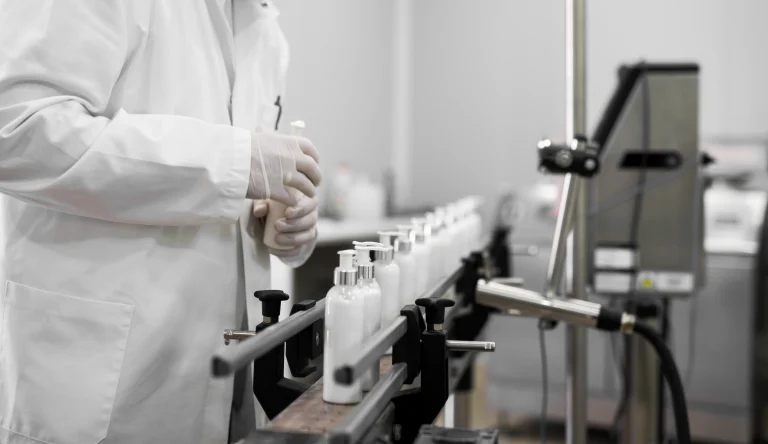
Instead of investing in their own manufacturing facilities, many businesses work with professional manufacturers to develop conditioner formulas, produce products at scale, and manage packaging and production requirements. This private label model allows brands to focus on marketing, distribution, and brand positioning while leveraging the technical expertise of an experienced hair care manufacturer.
However, developing a successful conditioner product involves more than simply selecting an existing formula. Brands must understand formulation options, ingredient choices, manufacturing processes, and how to position their product in a competitive market. This guide explains what businesses should know before launching private label hair conditioner products and how to work effectively with a manufacturing partner.
What Is a Private Label Hair Conditioner?
A private label hair conditioner is a conditioner produced by a third-party manufacturer but sold under another company’s brand name. Instead of developing and producing products internally, brands collaborate with a private label hair conditioner manufacturer to handle formulation, production, and packaging.
This model is widely used in the beauty industry because it allows companies to launch products more efficiently and with lower investment.
Private label conditioners may include various product types, such as:
- daily moisturizing conditioners
- deep repair conditioners
- color protection conditioners
- smoothing or anti-frizz conditioners
- volumizing conditioners
Many manufacturers also offer OEM hair conditioner services, where brands can customize formulas, packaging, and product specifications to align with their brand identity.
For businesses looking to enter the hair care market, private label manufacturing offers a practical and scalable solution.
Key Benefits of Launching a Private Label Hair Conditioner
Launching a private label hair conditioner offers several advantages for brands seeking to build or expand a product line.
Faster Product Launch
Developing cosmetic products from scratch can take significant time due to research, testing, and regulatory considerations.
Working with a hair conditioner manufacturer often provides access to pre-developed formulations that can be customized and branded quickly. This significantly reduces development time and allows businesses to bring products to market faster.
Lower Initial Investment
Building a manufacturing facility requires major investments in equipment, laboratories, and production teams. Private label production eliminates these costs.
Instead, businesses rely on an experienced hair conditioner manufacturer to manage:
- formulation development
- ingredient sourcing
- production processes
- quality control
This allows brands to focus on marketing, branding, and distribution.
Access to Technical Expertise
Conditioner formulations require specialized knowledge of cosmetic chemistry. Ingredients must be balanced carefully to ensure effective conditioning without leaving hair heavy or greasy.
An experienced OEM hair conditioner partner provides formulation expertise, helping brands create products that meet performance expectations.
Many manufacturers also offer custom hair conditioner formulation services for brands seeking unique products.
Scalable Production
As brands grow, their production requirements increase. Private label manufacturing allows companies to scale production without investing in additional infrastructure.
Manufacturers that provide hair conditioner wholesale production capabilities can support both small startup orders and large-scale distribution.
Key Considerations When Developing a Private Label Hair Conditioner
While private label manufacturing simplifies product development, brands should still evaluate several important factors before launching a conditioner product.
Product Positioning
Before selecting a formulation, brands should define the purpose of their conditioner product.
Common positioning strategies include:
- moisturizing conditioners for dry hair
- repair treatments for damaged hair
- color-safe conditioners
- lightweight conditioners for fine hair
Clear product positioning helps brands differentiate their private label hair conditioner in competitive markets.
Ingredient Selection
Ingredients play a crucial role in conditioner performance. Typical conditioner formulations may include conditioning agents, emollients, and moisturizing components.
Depending on the product concept, brands may also incorporate ingredients such as:
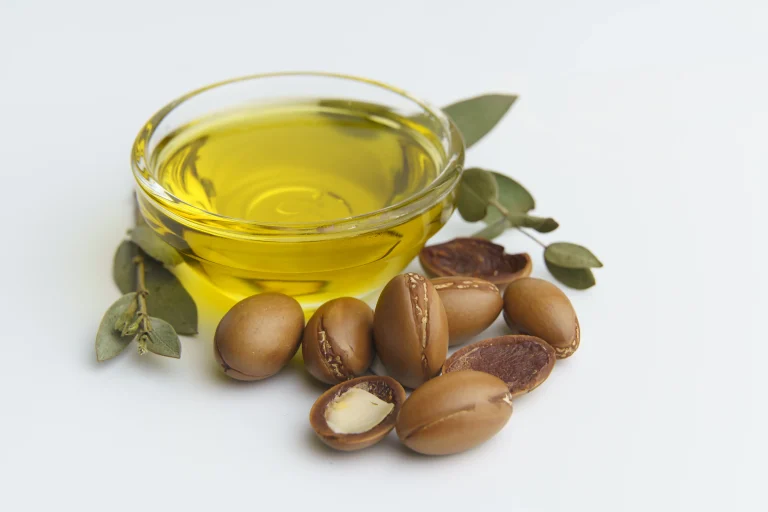
- plant oils and botanical extracts
- proteins for strengthening
- moisturizing agents
- smoothing compounds for frizz control
When working with a private label hair conditioner manufacturer, brands can discuss ingredient options that align with their product goals.
Packaging and Branding
Packaging is an important part of how consumers perceive a product. A well-designed bottle or container can enhance brand image and influence purchasing decisions.
Brands should consider factors such as:
- bottle size and shape
- pump or flip-top caps
- label materials and design
- color schemes that reflect brand identity
Many hair conditioner manufacturer partners provide packaging sourcing support to streamline the development process.
Minimum Order Quantities
Manufacturers often require minimum order quantities (MOQs) for production. These requirements vary depending on the manufacturer and packaging choices.
Businesses launching new products should discuss MOQ requirements with potential OEM hair conditioner partners to ensure production quantities align with their budget and market strategy.
Product Testing and Quality Assurance
Before launching products, brands should thoroughly test conditioner samples.
Key aspects to evaluate include:
- texture and consistency
- fragrance profile
- conditioning performance
- ease of rinsing
- hair feel after use
Professional hair conditioner manufacturer partners typically perform stability testing and quality checks to ensure consistent product performance.
Practical Tips for Working with a Hair Conditioner Manufacturer
Developing a successful conditioner product involves collaboration between the brand and the manufacturer. The following best practices can help ensure a smooth development process.
Start with a Clear Product Concept
Before approaching a manufacturer, brands should outline their product concept clearly.
This includes:
- target market
- product benefits
- ingredient preferences
- packaging ideas
- pricing strategy
Providing detailed information helps the manufacturer recommend suitable formulations or begin custom hair conditioner formulation development.
Request Product Samples
Testing samples is an important step before committing to large production runs.
Brands should request samples from a private label hair conditioner manufacturer to evaluate product performance and ensure it aligns with brand expectations.
This stage may involve multiple rounds of adjustments before finalizing the formula.
Plan for Future Product Expansion
A conditioner is often part of a broader hair care system. Many brands expand their product lines after launching a successful conditioner product.
Future additions may include:
- shampoos
- hair masks
- leave-in conditioners
- scalp treatments
Working with a manufacturer that offers both OEM hair conditioner and other hair care product manufacturing services can simplify product line expansion.
Build a Long-Term Manufacturing Partnership
A reliable manufacturing partner can support brands throughout the growth of their product line.
Strong partnerships with experienced hair conditioner manufacturer companies provide benefits such as:
- consistent production quality
- efficient product development
- scalable manufacturing capacity
- supply chain reliability
These factors contribute to long-term brand success.
Conclusion
Launching a private label hair conditioner is a practical strategy for brands, entrepreneurs, and distributors entering the hair care industry. By partnering with a professional private label hair conditioner manufacturer, businesses can develop high-quality products without the complexity of managing their own production facilities.
From selecting ingredients to designing packaging and testing product performance, several factors influence the success of a conditioner product. Working with an experienced hair conditioner manufacturer helps ensure that formulations meet both performance standards and market expectations.
Whether you are exploring custom hair conditioner formulation, sourcing hair conditioner wholesale products, or developing a full hair care line through OEM hair conditioner manufacturing, partnering with the right manufacturer can streamline the entire process.
If you are planning to launch your own private label hair conditioner, consider connecting with a professional manufacturing partner to discuss product ideas, review formulation options, and request samples for your brand’s next hair care product line.