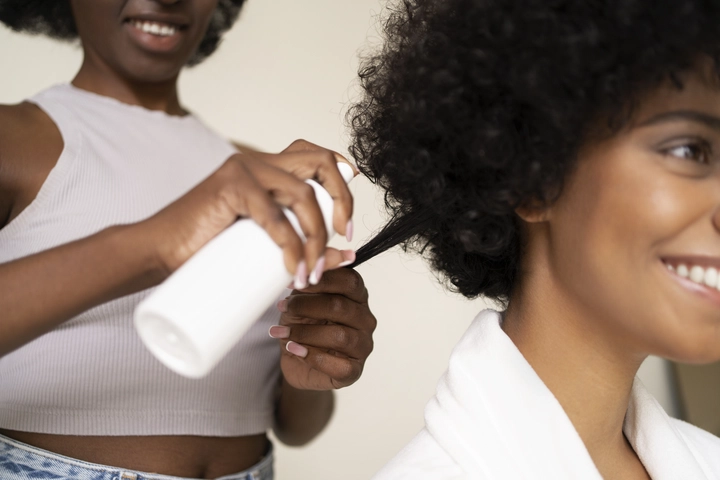
Hair conditioner is one of the most essential products in any hair care line. For brands, salons, and distributors, launching a private label hair conditioner is often the fastest way to enter the market with a complete and competitive product offering.
However, while private label manufacturing simplifies production, building a successful conditioner product requires more than choosing an existing formula. From formulation performance to packaging decisions and supplier selection, every step directly impacts your product’s market success.
This guide explains how to develop a private label hair conditioner that not only launches quickly—but also performs, scales, and sells.
What Is a Private Label Hair Conditioner
A private label hair conditioner is produced by a third-party manufacturer and sold under your own brand name. Instead of building your own factory, you partner with a professional hair conditioner manufacturer to handle formulation, production, and packaging.
This model allows brands to:
- Reduce upfront investment
- Accelerate product development
- Access professional formulation expertise
- Scale production efficiently
Many manufacturers also offer OEM hair conditioner services, enabling deeper customization in formula, fragrance, texture, and packaging.
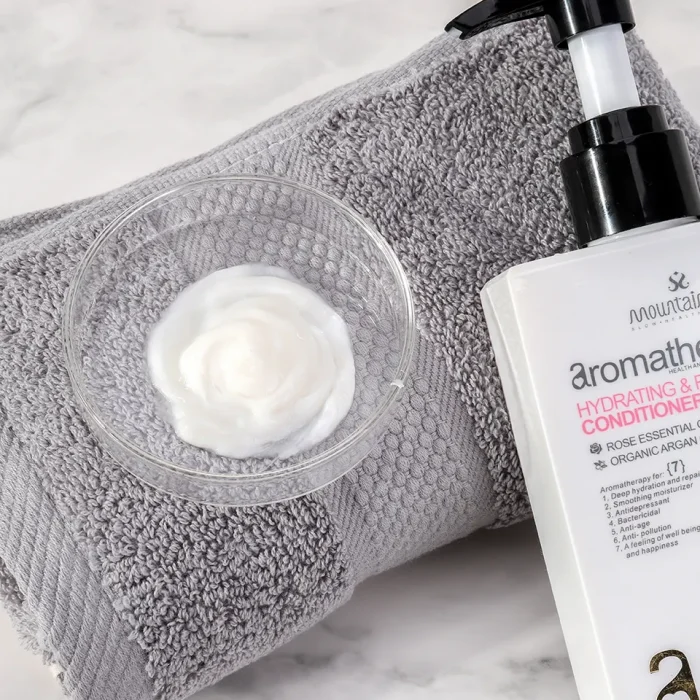
Why Most New Conditioner Products Fail
Many first-time brands assume that launching a conditioner is straightforward. In reality, several common mistakes lead to weak product performance or slow sales.
1. Choosing Generic Formulas Without Differentiation
Using a standard base formula without clear positioning often results in products that feel similar to everything else on the market.
How to avoid it:
Define a clear product direction early, such as:
- Deep repair for chemically damaged hair
- Lightweight hydration for fine hair
- Silicone-free or botanical-focused formulas
2. Ignoring Texture and Sensory Experience
Consumers judge conditioners not only by results, but also by:
- Spreadability
- Smoothness during application
- Rinse feel
- After-feel on hair
In real development projects, texture adjustments often require 2–3 rounds of refinement before reaching the desired performance.
3. Underestimating Development Time
While private label speeds up production, customization still takes time.
Typical timeline:
- Sample development: 7–14 days
- Formula adjustments: 1–3 rounds
- Stability testing: 2–4 weeks
Planning for this early helps avoid delayed product launches.
Key Benefits of Working with a Private Label Hair Conditioner Manufacturer
Faster Time to Market
Instead of developing formulas from scratch, brands can start with proven bases and customize them.
This approach can reduce development time by 30–50% compared to in-house production.
Lower Operational Costs
Manufacturers handle:
- Raw material sourcing
- Production processes
- Quality control
- Compliance requirements
This eliminates the need for factory investment and technical teams.
Access to Professional Formulation Systems
Conditioner performance depends on the balance of:
- Conditioning agents
- Emollients
- Film-forming ingredients
- pH stability
An experienced OEM hair conditioner partner ensures formulas deliver conditioning without heaviness or buildup.
Scalable Production Capacity
Most manufacturers support flexible MOQ ranges.
In practice:
- Entry-level MOQ: typically 1,000–3,000 units
- Larger production: scalable to bulk wholesale volumes
This allows brands to start lean and grow efficiently.
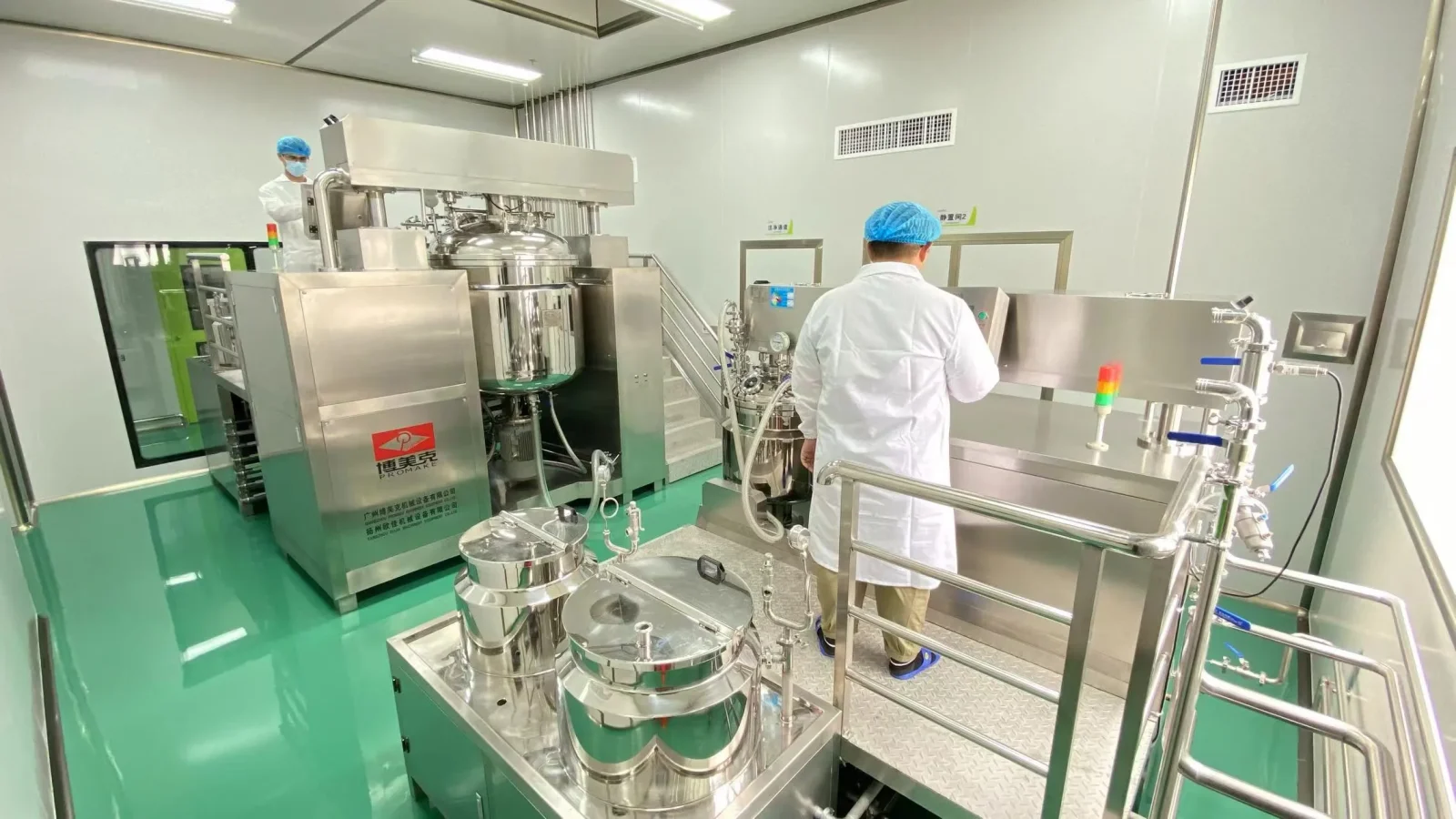
How to Develop a Competitive Hair Conditioner Product
Define Clear Product Positioning
Strong positioning is the foundation of a successful product.
Common strategies include:
- Moisturizing conditioner for dry hair
- Repair conditioner for damaged or bleached hair
- Color protection conditioner
- Anti-frizz smoothing conditioner
Clear positioning improves both product development and marketing performance.
Select Ingredients That Match Your Brand Story
Ingredient selection should align with both function and branding.
Common options include:
- Plant oils and botanical extracts for natural positioning
- Proteins for strengthening claims
- Moisturizing agents for hydration
- Smoothing ingredients for frizz control
In real-world projects, brands often balance performance + marketing appeal, rather than focusing on ingredients alone.
Optimize Packaging for Market Fit
Packaging plays a critical role in conversion.
Key decisions include:
- Bottle shape and size
- Pump vs flip-top cap
- Label finish and material
- Visual alignment with brand identity
Well-designed packaging can significantly improve perceived value without changing the formula.
Understand MOQ and Cost Structure
MOQ depends on:
- Packaging complexity
- Formula customization level
- Manufacturer capabilities
For new brands, starting with moderate MOQ helps reduce inventory risk while testing the market.
Test Before You Scale
Before mass production, always evaluate:
- Texture consistency
- Fragrance stability
- Conditioning performance
- Hair feel after drying
Most successful brands go through multiple sample iterations before finalizing.
Working Effectively with a Hair Conditioner Manufacturer
Start with a Clear Brief
The more detailed your input, the better the output.
Include:
- Target market
- Price range
- Benchmark products
- Ingredient preferences
- Packaging direction
This helps the manufacturer recommend the right formulation faster.
Plan for Product Line Expansion
A conditioner is rarely a standalone product.
Most brands expand into:
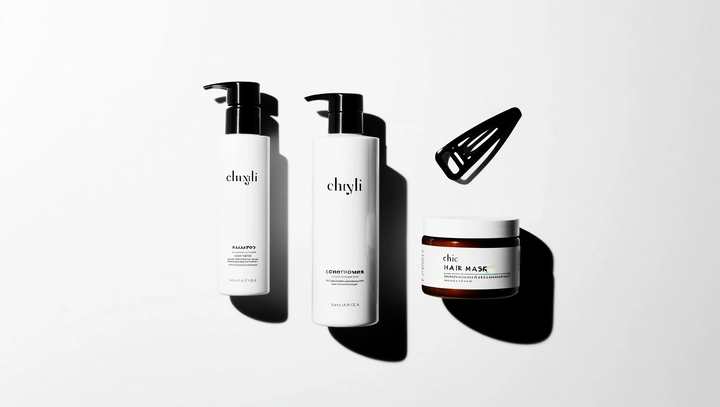
- Shampoo
- Hair mask
- Leave-in conditioner
- Scalp treatment
Working with a manufacturer that offers full OEM hair conditioner and hair care solutions simplifies long-term growth.
Build a Long-Term Manufacturing Partnership
A reliable partner supports more than production.
They help with:
- Consistent quality control
- Faster product development
- Supply chain stability
- Scalable manufacturing
Over time, this becomes a key competitive advantage.
Conclusion: Turning Your Conditioner Idea into a Scalable Product
Launching a private label hair conditioner is one of the most effective ways to enter the hair care market. But success depends on more than speed—it requires the right combination of formulation, positioning, and manufacturing support.
Brands that invest time in product definition, testing, and supplier selection are far more likely to create products that not only launch—but continue to sell.
At Mountain Sea, we work closely with brands, salons, and distributors to develop high-performance hair conditioner products tailored to real market needs. From custom hair conditioner formulation and packaging selection to scalable OEM hair conditioner production, we support the entire process from concept to final product.
If you are planning to launch your own private label hair conditioner, now is the right time to explore your options, test formulations, and build a product line that can grow with your brand.
Contact Mountain Sea to discuss your next hair care project and request product samples tailored to your market.