If you’re exploring private label hair products for small businesses, this guide shows you exactly how to launch smarter and scale faster. You’ll learn which product types work best for new brands, how to choose the right manufacturer, and how to build a flexible, low‑risk growth strategy. Perfect for founders who want clarity before investing.
Why Private Label Hair Care Is Ideal for Small Businesses
For new entrepreneurs, private label hair care offers a practical way to enter the beauty industry without the high cost of building your own lab or production facility. Instead of developing formulas from scratch, small businesses can use proven bases or customize existing formulations, dramatically reducing time to market.
The biggest advantage is flexibility. A small brand can start with a focused product range, test customer response, and scale only when demand is validated. In a fast‑moving industry where trends shift quickly, this approach helps small business hair care brands stay agile while keeping financial risk low.

What Small Businesses Should Understand Before Starting
Many new founders underestimate the importance of manufacturing. A successful product is not just about branding—it relies on formulation quality, stability, safety, and consistency across batches.
This is why choosing an experienced hair care manufacturer is essential. A reliable partner ensures your products meet regulatory standards, perform consistently, and align with your brand’s positioning.
For example, Mountain Sea supports emerging brands with in‑house R&D, stability testing, and structured development processes. This reduces trial‑and‑error costs and helps small businesses bring production‑ready formulas to market faster and more confidently.
Key Product Types That Work Best for Small Brands
When developing private label hair products for small business, starting simple is the smartest strategy. Not all categories are equally suitable for early‑stage brands.
The most effective entry products include:
- Shampoo — high repeat‑purchase rate
- Hair masks — strong perceived value
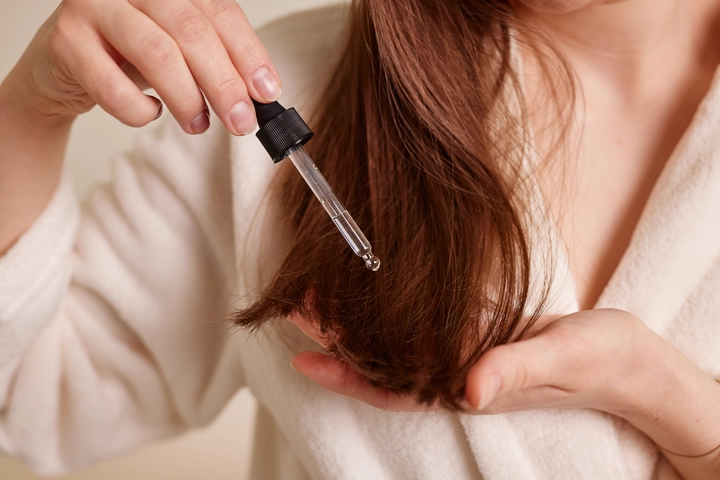
- Scalp care products — rapidly growing demand
These categories are easier to position, more forgiving during formulation adjustments, and ideal for testing different customer segments. Most hair care manufacturers for small businesses recommend launching with a small number of SKUs and refining them based on real customer feedback.
If you’d like to find out more about the different types of private-label hair care products, please read this blog post:
How to Choose the Right Hair Care Manufacturing Partner
Selecting the right hair care manufacturer is one of the most important decisions a small brand will make. Price matters, but it should never be the only factor.
Evaluate manufacturers based on:
- R&D capability
- Ability to customize formulations
- Production scalability
- Compliance with EU, US, and other market regulations
- Sample development speed and communication quality
A strong partner acts as a technical extension of your brand—not just a supplier.
Companies like Mountain Sea support small business hair care brands from concept to production, including formulation, fragrance development, packaging guidance, and large‑scale manufacturing. This gives startups the operational strength of a larger brand without the upfront infrastructure cost.
Understanding the Importance of Product Positioning
Modern consumers are more selective than ever, especially in the clean beauty space. Many small brands now position their lines around hair care products cruelty free, vegan formulas, or transparent ingredient philosophies.
But cruelty‑free claims alone are not enough. Effective positioning requires:
- Clear ingredient transparency
- A consistent formulation philosophy
- Reliable product performance
Your manufacturer plays a crucial role in ensuring that ethical claims are backed by real production standards—not just marketing language.
Scaling from Small Business to Established Brand
The purpose of private label hair care is not only to launch quickly—it’s to build a scalable system.
Successful small brands typically follow this path:
- Start with a focused product line
- Test the market with controlled batches
- Collect customer feedback
- Optimize formulas and packaging
- Expand SKUs and distribution channels gradually
This iterative approach reduces risk and ensures your brand evolves based on real market data.
Working with an experienced partner like Mountain Sea ensures that each stage of growth is supported by stable production, consistent quality, and the ability to scale when demand increases.
Conclusion
Success in private label hair care comes from thoughtful planning, consistent product quality, and a manufacturing partner who understands the needs of small business hair care brands. With the right support, even a small startup can build a line that competes globally and scales sustainably.
If you’re considering launching your own products or want expert advice on formulations and market positioning, we’d be happy to help. Reach out to discuss your goals or request a tailored development plan—your next bestselling product could start with a simple conversation.