Launching a shampoo product is not just about fragrance or packaging—it is about whether your formula can remain stable, consistent, and scalable in real production. For many brands, salons, and distributors, the biggest challenge is not the idea itself, but turning that idea into a product that performs reliably across thousands of units.
This is why working with experienced private label shampoo suppliers has become the standard approach in the hair care industry. Instead of investing in factories and technical teams, brands rely on manufacturers who already understand formulation science, production systems, and quality control at scale.
In this guide, we go beyond basic explanations and walk through how private label shampoo suppliers actually operate in real manufacturing environments, what can go wrong during production, and how to choose a partner that supports long-term brand growth.
What Private Label Shampoo Suppliers Really Do
Private label shampoo suppliers are not just producers—they are technical partners responsible for translating your product concept into a manufacturable formula.
In practice, this means handling several critical areas at the same time, including formulation development, production stability, and quality consistency. These capabilities directly determine whether a product can move from idea to scalable production.
Core Capabilities of Private Label Shampoo Suppliers
| Capability | Why It Matters | Lab success, but production failure |
|---|---|---|
| Formulation Development | Ensures product delivers expected performance | Copying formulas without optimization |
| Production Stability | Keeps formula consistent during scale-up | Lab success but production failure |
| Quality Consistency | Maintains repeatable product experience | Batch variation between orders |
Professional suppliers typically offer services including formulation development, ingredient sourcing, stability testing, bulk production, packaging, and regulatory support. Some operate as an OEM hair care manufacturer, producing based on your formula, while others provide ODM options that allow you to start from an existing base and customize it.
The key difference between average and experienced private label hair care manufacturing partners is not what they offer, but how well they control these processes under real production conditions.
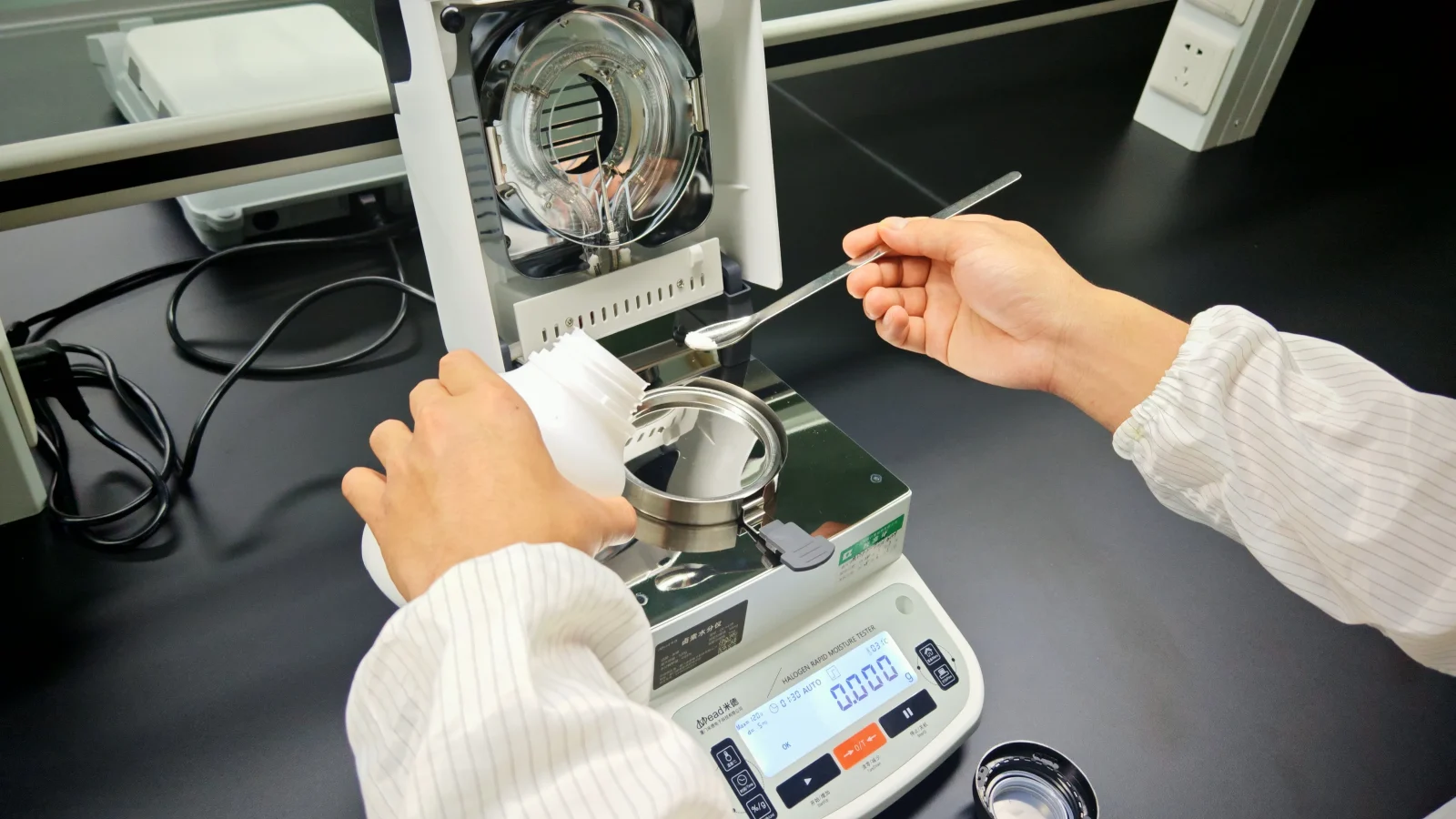
The Real Shampoo Manufacturing Process
Understanding the shampoo manufacturing process is essential because most product issues do not come from ideas—they come from execution.
Shampoo Manufacturing Process Overview
| Stage | What Happens | Key Risk | What Good Suppliers Do |
|---|---|---|---|
| Formula Development | Define performance, ingredients, and texture | Overcomplicated formulas causing instability | Simplify and balance ingredients |
| Raw Material Sourcing | Source surfactants, actives, fragrance | Ingredient variation affects consistency | Control suppliers and ensure traceability |
| Batch Production | Mix ingredients under controlled conditions | Incorrect mixing leads to texture issues | Use standardized processes and automation |
| Quality Control | Test pH, viscosity, and safety | Passing tests but failing over time | Conduct long-term stability testing |
| Packaging & Filling | Fill, seal, and label products | Packaging mismatch affects usability | Test compatibility before production |
Step 1: Product Concept and Formula Development
At the concept stage, brands define positioning, including target hair type, desired benefits, ingredient direction, and sensory profile.
However, in real projects, one of the most common issues is overcomplicating the formula. Many brands want multiple functions in one product—moisturizing, repairing, anti-dandruff, sulfate-free—which can create instability if not properly balanced.
Experienced chemists often simplify formulations to ensure compatibility among surfactants, conditioning agents, and active ingredients. For example, adding too many botanical extracts can affect viscosity or even cause separation over time.
A strong private label shampoo supplier will guide you on what is technically feasible, not just what sounds attractive in marketing.
Step 2: Raw Material Sourcing and Control
Ingredient quality directly impacts product consistency. Reliable suppliers do not simply purchase materials—they manage supplier stability.
In real production, even small variations in raw materials can affect the final product. For example, different batches of surfactants may slightly change viscosity or foam performance.
This is why professional OEM hair care manufacturer facilities maintain strict raw material verification systems, including documentation, batch tracking, and supplier audits.
If a supplier cannot clearly explain how they control ingredient consistency, it is a potential risk for your brand.
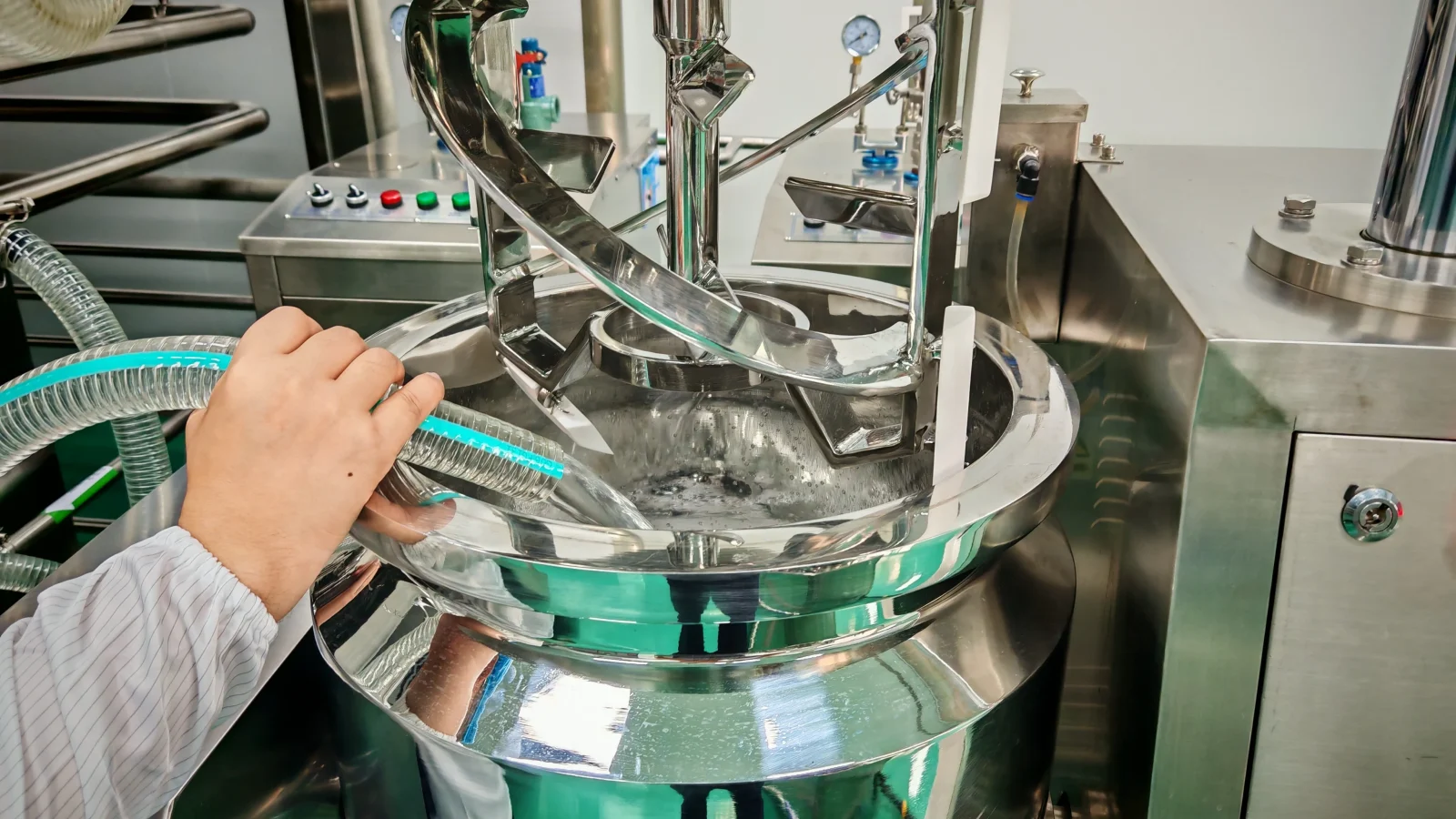
Step 3: Batch Mixing and Scale-Up Challenges
This is where many theoretical formulas fail.
A formula that works perfectly in a small lab batch may behave differently when scaled to industrial production. Factors such as mixing speed, temperature, and ingredient order all affect the final result.
For example, if surfactants are added too quickly or at the wrong temperature, the product may trap air, leading to an unstable texture. Similarly, improper mixing can result in uneven distribution of conditioning agents.
Experienced private label shampoo suppliers rely on controlled production protocols and automated systems to minimize these risks. More importantly, they have the experience to troubleshoot when something goes wrong—which inevitably happens during scale-up.
Step 4: Quality Control and Stability Testing
Quality control is not a final step—it is an ongoing system throughout production.
Each batch is tested for pH, viscosity, microbial safety, and overall stability. However, one of the most overlooked aspects is long-term stability.
A shampoo may pass initial tests but still develop issues after weeks or months, such as separation, color change, or fragrance degradation.
Reliable private label hair care manufacturing partners conduct stability testing under different conditions to simulate real storage environments. This is critical if your products will be shipped internationally or stored in varying climates.
Step 5: Filling, Packaging, and Final Output
Packaging is often underestimated, but it directly affects both product integrity and brand perception.
In production, issues such as leakage, pump compatibility, or label adhesion can delay shipments and increase costs. For example, a formula with higher viscosity may not work well with certain pump designs.
Experienced manufacturers will test packaging compatibility before full production to avoid these problems.
At this stage, batch coding and traceability are also implemented, ensuring that every product can be tracked back to its production data if needed.
Common Mistakes Brands Make When Working with Private Label Shampoo Suppliers
Many product failures are not due to poor ideas, but to avoidable mistakes during supplier selection and development.
Common Mistakes and Their Impact
| Mistake | What Happens | Long-Term Impact |
|---|---|---|
| Choosing based on price only | Lower-quality materials or weak QC | Inconsistent product quality |
| Skipping stability testing | Product fails after launch | Returns and brand damage |
| Ignoring scale differences | Sample ≠ production result | Reformulation delays |
| Poor supplier communication | Misaligned expectations | Ongoing production issues |
How to Choose the Right Private Label Shampoo Supplier
Choosing a supplier is not just about capabilities—it is about reliability under real conditions.
Look for manufacturers who can explain not only what they do, but also how they handle challenges such as formulation adjustments, batch inconsistencies, or packaging compatibility.
Ask about their production process in detail. A professional hair care manufacturer should be able to walk you through real scenarios, not just standard steps.
Evaluate their approach to customization. True private label hair care manufacturing involves adapting formulas to your brand, not forcing your brand into existing templates.
Check how they manage quality control and traceability. This is especially important if you plan to scale or enter regulated markets.
Finally, consider whether the supplier can grow with you. Switching manufacturers later is costly and often requires rebuilding your product from scratch.

Why Experienced Private Label Shampoo Suppliers Matter for Brand Growth
The difference between a product that sells once and a product line that scales comes down to consistency.
Experienced manufacturers help brands avoid formulation failures, production delays, and quality inconsistencies. They also reduce the time needed to move from concept to market, allowing you to focus on branding and sales.
More importantly, they provide the technical foundation needed to expand your product line in the future without starting over each time.
Conclusion
Developing a shampoo product is a technical process that goes far beyond concept and packaging. From formulation and ingredient control to production and quality testing, every step affects the final product’s performance and reliability.
Working with professional private label shampoo suppliers allows brands to avoid common pitfalls and build products that can scale confidently in the market.
At Mountain Sea, we work closely with brands, salons, and distributors to turn product ideas into stable, production-ready formulas. Our team supports the full process—from formulation development and ingredient selection to manufacturing, quality control, and packaging—ensuring that your products are not only market-ready, but built for long-term growth.
If you are planning to launch or expand your shampoo line, you can reach out to discuss your project or request samples tailored to your brand positioning.