Launching a hair care business today is no longer about copying what already exists. Consumers expect thoughtful hair care products, transparent ingredient stories, and brands that solve real problems. For new founders, the challenge isn’t passion—it’s clarity. What should you do first? How do you choose the right hair care manufacturer? Do you need custom hair care formulations? How much does it cost to launch?
This guide distills the real decisions behind building a modern hair care brand—based on industry practice, regulatory standards, and the development workflows used by professional manufacturers.
The Real Startup Path: What You Need Before Anything Else
Most founders begin with an idea. But ideas don’t launch products—systems do. Here’s the realistic foundation for a new hair care business:
What you need to prepare
- A clear target user (curl care, scalp care, clean beauty, salon-grade)
- A focused product vision (2–4 SKUs)
- A budget of USD $3,000–$15,000, depending on customization
- A launch timeline of 8–12 weeks for most private label hair care projects
What Your Manufacturing Partner Can Support
A professional hair care manufacturer is more than a supplier—they are a development partner who helps you bring your product vision to life. Depending on your needs, a manufacturer can support:
- Formula development (custom or ready‑to‑market)
- Packaging sourcing & compatibility checks
- Regulatory & compliance documentation
- Filling, production, and quality control
- Stability and safety testing
Working with the right manufacturing partner gives founders a clearer development path, reduces risk, and significantly shortens time‑to‑market.
Choosing Your Product Line: Build What the Market Actually Needs
The fastest way to fail is to create products based on personal preference. The fastest way to succeed is to build around unmet needs.
Start with a focused product set
Most successful new brands begin with:
- Shampoo + Conditioner
- Hair mask or deep treatment
- Leave‑in conditioner or hair oil
How to choose the right products
- Start with pain points
- Curly hair → moisture retention
- Sensitive scalp → gentle surfactants
- Natural beauty → botanical-forward hair care formulations
- Validate demand
- Amazon reviews, TikTok trends, Google Trends
- Consider formulation complexity
- Scalp serums and curl creams require more advanced development
A tight, intentional product line builds trust faster than a wide one.
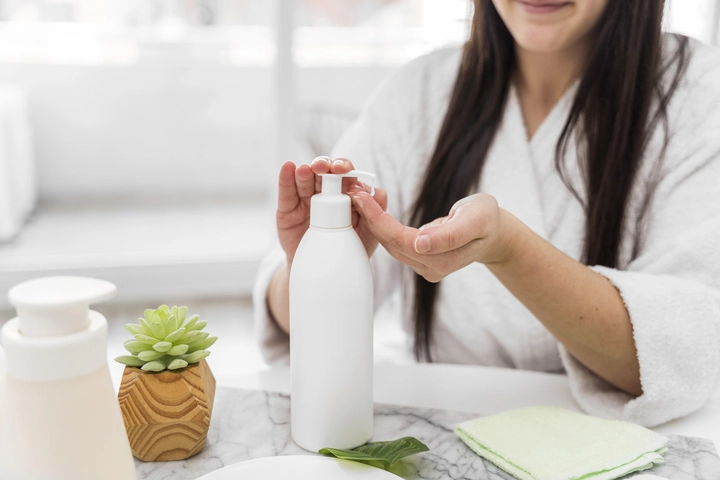
Choosing a Manufacturer: The Decision That Shapes Your Entire Brand
Your hair care manufacturer determines your product quality, compliance, and scalability. This is where founders must be most discerning.
Private Label vs OEM vs ODM
| Model | Meaning | Best For |
|---|---|---|
| Private Label Hair Care | Ready-to-market formulas | Fast launch, low budget |
| OEM | You provide the formula | Brands with chemists or IP |
| ODM | The manufacturer develops a formula for you | Custom products, mid-budget |
How to evaluate a manufacturer
Look for:
- Transparent MOQ
- Clear formula ownership terms
- Stability & safety testing
- Regulatory documentation (COA, MSDS, INCI list)
- Experience with your target market
- Scalable production capacity
Red flags
- No documentation
- No testing
- No sample process
- Vague pricing
- Unrealistic promises
A strong manufacturing partner is not simply a supplier—it’s part of your brand’s foundation.

Formulation Decisions: Custom or Ready-to-Market?
You don’t need to be a chemist to build a strong hair care business, but you do need to understand your formulation path.
When ready-to-market formulas make sense
- You want to launch quickly
- You’re testing a new market
- You want proven performance
- You have a limited budget
When custom hair care formulations are worth it
- You want a signature hero product
- You need specific ingredients or claims
- You’re targeting a niche (e.g., scalp microbiome, curl definition)
- You want long-term differentiation
What defines a high-quality formula
- Stability tested
- Microbial safe
- Regulatory compliant
- Built around real user needs
A formula is not just chemistry—it’s the core of your brand promise.
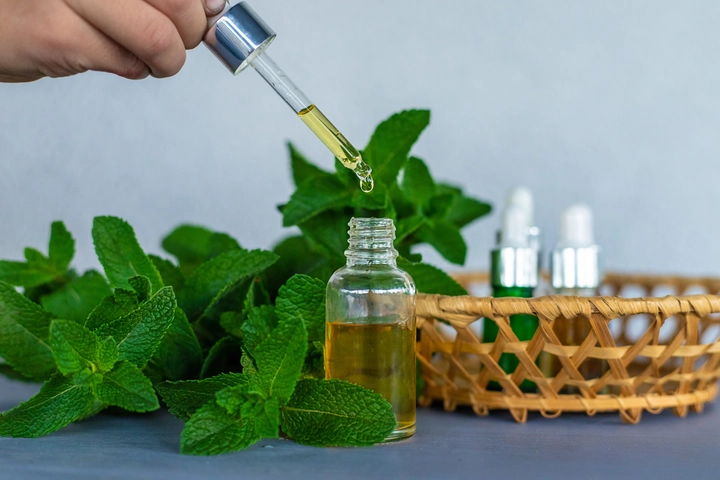
Compliance & Regulations: The Part Founders Fear, but Must Master
Regulation is not the glamorous part of building hair care products, but it is the part that protects your brand.
United States (FDA)
- Cosmetic labeling rules
- INCI ingredient declaration
- Net content
- Usage instructions
- No medical claims
European Union (CPNP)
- Product Information File (PIF)
- Safety assessment
- Stability & challenge testing
- Responsible Person (RP)
- CPNP notification
Your label must include
- Product name
- Net content
- Ingredient list
- Manufacturer or distributor
- Country of origin
- Batch number
Compliance is not optional—it’s a non-negotiable part of brand integrity.
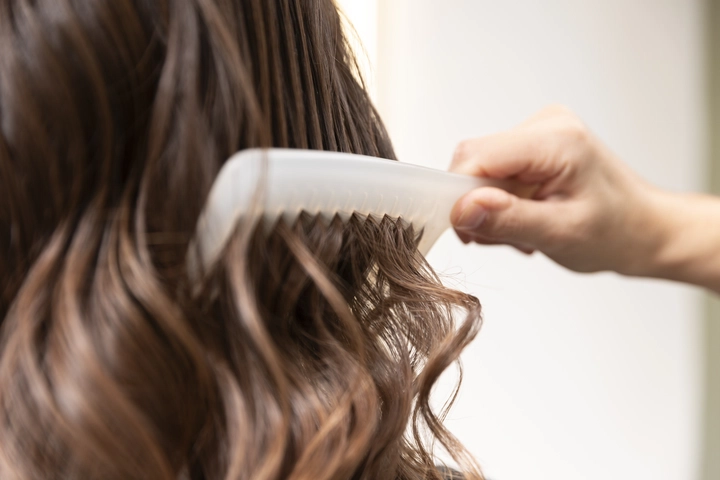
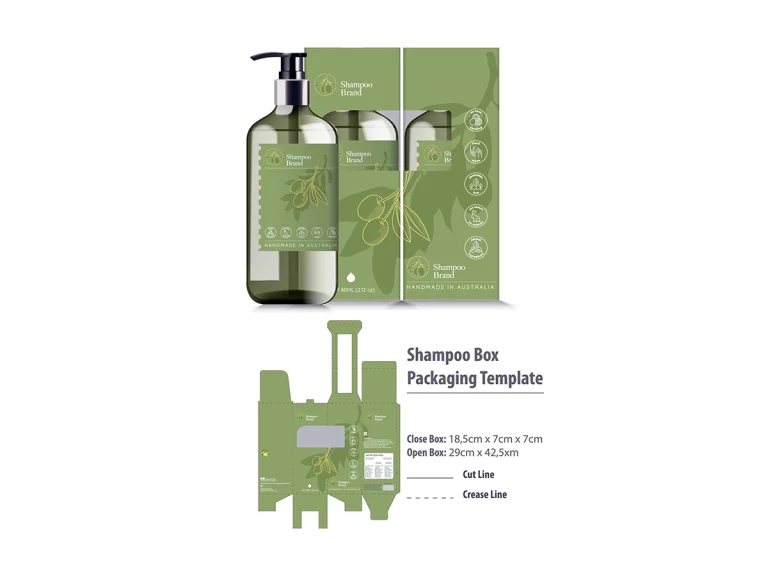
Packaging & Branding: Where Product Meets Emotion
In beauty, packaging is not decoration—it’s communication. It signals quality, safety, and intention.
Packaging cost ranges
- Bottles: $0.30–$1.20
- Pumps: $0.20–$0.60
- Labels: $0.05–$0.20
- Boxes: $0.20–$0.80
How to create a premium look
- Choose packaging that matches formula viscosity
- Use a consistent color system
- Keep your brand story simple and human
- Avoid cluttered labels
A simple brand story framework
- Who you help
- What problem do you solve
- Why it matters
- How your hair care products deliver results
A clear brand identity builds trust before the first purchase.
Sales Channels: Turning Products Into a Real Business
Manufacturing is the beginning. Distribution is the engine.
Three proven launch paths
- DTC (Shopify)
- Best for storytelling and brand control
- Amazon
- Best for search-driven sales
- Salon & Boutique Wholesale
- Best for credibility and repeat orders
Pricing strategy
A simple formula: Retail Price = (Cost × 4) to (Cost × 6)
Low-budget marketing strategies
- TikTok UGC creators
- Before/after content
- Founder-led storytelling
- Salon sampling
- Email list building
A strong hair care business grows through consistent education and authentic communication.
Conclusion
Building a modern hair care brand requires clarity, not complexity. When you understand your target user, choose the right product line, partner with a reliable hair care manufacturer, select the right hair care formulations, and build a thoughtful brand experience, you create more than products—you create trust.