Developing a natural shampoo formula requires more than adding botanical ingredients to a cleansing base. A successful formula needs a balanced combination of mild surfactants, conditioning ingredients, functional botanicals, and a reliable preservation system to deliver performance, safety, and a strong market position.
For brands entering the natural hair care market, understanding how to develop a natural shampoo formulation is the first step toward creating a product that meets consumer expectations and performs well in real-world use.
What Makes a Natural Shampoo Formula Different?
A natural shampoo formula is designed around using naturally derived ingredients while maintaining effective cleansing and conditioning performance and product stability. Many new brands assume that a shampoo becomes “natural” simply by adding plant extracts or replacing a few synthetic ingredients. However, commercial natural shampoo development requires a much deeper approach.
A high-quality natural shampoo formula must balance several important factors:
- Gentle cleansing performance
- Hair conditioning and softness
- Ingredient compatibility
- Product stability
- Consumer sensory experience
A shampoo is not only a mixture of ingredients. It is a carefully designed system where each component has a specific role.
For example, a natural shampoo needs an effective cleansing system to remove oil, dirt, and product buildup without creating excessive dryness. At the same time, it requires conditioning ingredients to maintain smoothness and manageability after washing.
This balance is especially important because many consumers choose natural hair products, expecting a gentler experience. If a formula feels too harsh or does not perform well, even high-quality natural ingredients will not create a successful product.
A professional natural shampoo formulation usually considers:
| Formula Area | Purpose |
|---|---|
| Cleansing system | Removes impurities while maintaining mildness |
| Conditioning system | Improves softness, hydration, and hair feel |
| Functional ingredients | Supports product positioning and benefits |
| Preservation system | Maintains safety and stability |
| Sensory design | Creates a pleasant user experience |
For brands developing a new natural hair shampoo, the goal is not simply to replace ingredients. The goal is to create a formula that delivers both a natural positioning and reliable product performance.
Key Components of a Natural Shampoo Formulation
A commercial natural shampoo formulation usually consists of several key systems working together. Each system affects the final product’s cleansing ability, texture, performance, and consumer acceptance.
Understanding these components helps brands make better decisions when developing their own shampoo products.
Related Reading: Key Ingredients to Consider When Developing a Custom Shampoo Formula
Mild Natural Surfactant System: The Foundation of Cleansing Performance
The cleansing system is one of the most important parts of any natural shampoo formula.
Surfactants are responsible for removing oil, sweat, dirt, and styling product residue from the hair and scalp. In conventional shampoos, strong sulfate surfactants are commonly used because they provide powerful cleansing and abundant foam. However, many natural and clean beauty brands prefer milder alternatives.
A natural shampoo formulation often uses plant-derived or naturally sourced surfactants, such as:
- Coco-Glucoside
- Decyl Glucoside
- Sodium Cocoyl Isethionate
- Sodium Lauroyl Methyl Isethionate
These ingredients can provide gentle cleansing while supporting a mild product positioning.
However, choosing surfactants is not only about selecting “natural” ingredients. Formulators need to consider:
- Cleansing strength
- Foam quality
- Compatibility with other ingredients
- Hair and scalp feel after washing
For example, a shampoo designed for dry or damaged hair may require a milder cleansing system to avoid removing too much natural oil. A scalp-focused shampoo may need a different balance to provide effective cleansing without irritation.
This is why professional natural shampoo formulation involves testing and adjusting different surfactant combinations instead of simply selecting individual ingredients.
A common mistake for new brands is assuming that a natural shampoo should have the same formula structure as a conventional shampoo, but with different ingredients. In reality, changing the cleansing system often requires adjustments throughout the entire formula.
Conditioning Ingredients for Softness and Hair Feel
One of the biggest challenges in developing a natural shampoo formula is creating a product that cleans effectively while leaving hair soft and manageable.
Traditional shampoos often rely on synthetic conditioning agents to improve smoothness and reduce friction. Natural hair care products usually approach conditioning through plant oils, botanical ingredients, proteins, and naturally derived conditioning agents.
Common conditioning ingredients used in natural shampoo ingredients include:
- Argan Oil
- Jojoba Oil
- Aloe Vera
- Panthenol
- Plant proteins
- Keratin amino acids
Different ingredients support different product goals.
For example:
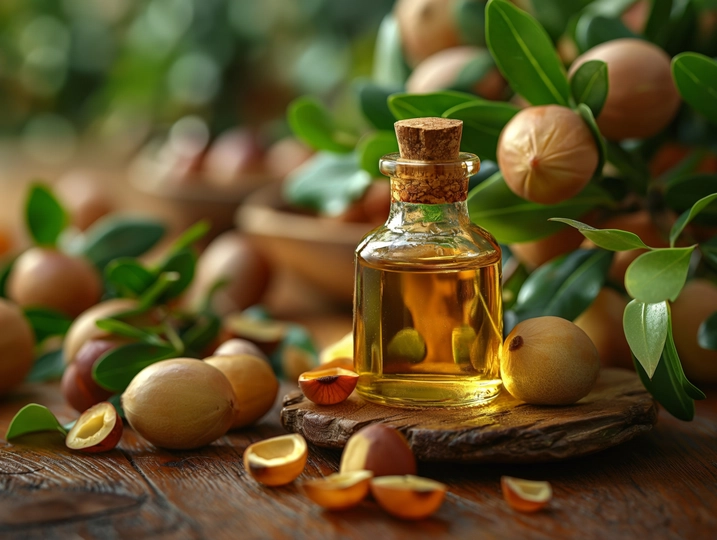
Argan Oil is often used in nourishing and repair-focused formulas because of its conditioning properties and premium market positioning.
Aloe Vera is commonly included in moisturizing shampoos because it supports a refreshing and hydrating product concept.
Panthenol (Pro-Vitamin B5) is widely used in hair care formulations to improve softness and moisture retention.
Plant proteins and keratin amino acids are often selected for strengthening and repair-focused products.
However, adding more conditioning ingredients does not always create a better shampoo. Too many oils or heavy ingredients can affect:
- Formula stability
- Hair feel
- Product texture
- Rinsability
A successful natural shampoo formula requires the right balance between cleansing and conditioning. The best formulas are designed around the target consumer, hair type, and product positioning.
Functional Botanical Ingredients for Different Product Goals
Botanical ingredients are often a key part of natural shampoo positioning. They help brands communicate specific product benefits and create differentiation in a competitive market.
However, professional formulation is not about adding as many plant extracts as possible. Each ingredient should have a clear purpose within the formula.
Brands typically select functional ingredients based on their product goals.
Hydrating Natural Shampoo
For moisture-focused products, formulators may consider ingredients such as:
- Aloe Vera
- Hyaluronic Acid
- Plant-based humectants
These ingredients support hydration-focused claims and are commonly used in products designed for dry or dehydrated hair.
Repair Natural Shampoo
For damaged hair positioning, common ingredients include:
- Keratin amino acids
- Plant proteins
- Nourishing botanical oils
These ingredients are often combined with conditioning systems to improve the overall feel of damaged hair.
Scalp Care Natural Shampoo
For scalp-focused products, brands may consider:
- Rosemary extract
- Tea Tree extract
- Botanical soothing ingredients
The selection of botanical ingredients should always match the product concept and target customer.
For example, a premium repair shampoo and a daily gentle shampoo may both use natural ingredients, but their formulation strategies will be different.
This is why natural shampoo formulation requires more than ingredient selection. It requires understanding how each ingredient works within the complete formula system.
Preservation and Formula Stability
Preservation is one of the most important parts of developing a commercial natural shampoo formula.
A common misunderstanding is that natural products should be completely free from preservatives. However, water-based products such as shampoos require protection against microbial growth to ensure consumer safety and product quality.
A professional natural shampoo formulation needs to consider:
- Microbial protection
- pH balance
- Ingredient compatibility
- Shelf-life stability
Natural-positioned brands may choose preservation systems that align with their product claims and market requirements.
During development, manufacturers typically evaluate:
- Formula stability under different conditions
- Packaging compatibility
- Changes in color, odor, or texture
- Product performance over time
A shampoo that looks natural but does not maintain stability will not succeed commercially.
This is why natural does not mean “preservative-free.” Instead, successful natural hair care products use carefully selected preservation systems that help maintain safety while supporting the brand’s positioning.
How Brands Develop a Natural Shampoo Formula
Creating a natural shampoo formula for a brand involves several development stages. The process goes beyond selecting ingredients and requires careful testing and optimization.
Step 1: Define Product Positioning
Before developing a formula, brands need to clarify:
- Target customers
- Hair concerns
- Product benefits
- Market positioning
Examples:
- Moisturizing shampoo
- Repair shampoo
- Volume shampoo
- Scalp care shampoo
A clear product direction helps determine the right ingredient system.
Step 2: Select the Ingredient System
Once the product concept is defined, formulators select the main components:
- Surfactants
- Conditioning ingredients
- Functional botanicals
- Preservation system
The goal is to create a formula where ingredients work together instead of simply adding popular ingredients.
Step 3: Create and Optimize the Formula
Initial formulas usually require multiple adjustments.
During optimization, manufacturers evaluate:
- Texture
- Foam performance
- Hair feel
- Fragrance balance
- Ingredient compatibility
A formula that looks good on paper may require adjustments before it is ready for production.
Step 4: Test Formula Stability
Before commercial production, the formula needs proper testing.
Common evaluations include:
- Stability testing
- Compatibility testing
- Performance evaluation
These tests help confirm that the product remains consistent during storage and transportation.
Step 5: Prepare for Manufacturing
The final stage involves moving from laboratory development to commercial production.
Brands need to consider:
- Production scale-up
- Packaging compatibility
- Manufacturing requirements
- Quality standards
Working with an experienced manufacturer helps ensure that the formula can move successfully from concept to finished product.
Related Reading: Custom Shampoo Formulation: How Brands Develop Unique Shampoo Products

Common Mistakes When Creating a Natural Shampoo Formula
Many new brands make similar mistakes when developing natural hair care products. Understanding these challenges can help avoid unnecessary development costs.
Mistake 1: Choosing Ingredients Only Based on Marketing Trends
Popular ingredients can attract attention, but a successful formula requires more than trendy ingredients.
Each ingredient should support:
- Product performance
- Consumer needs
- Formula stability
Mistake 2: Adding Too Many Botanical Ingredients
More natural ingredients do not always mean a better product.
Adding excessive botanical extracts can create challenges with:
- Stability
- Compatibility
- Formula cost
- Product consistency
A focused formula is often more effective than a formula containing too many unnecessary ingredients.
Mistake 3: Removing Ingredients Without Rebuilding Formula Performance
Some brands want to remove certain ingredients because of market trends but do not consider how those changes affect the entire formula.
For example, replacing traditional surfactants requires careful adjustment to maintain:
- Cleansing ability
- Foam experience
- Hair feel
Mistake 4: Ignoring Stability and Manufacturing Requirements
A formula may perform well during early development but still face challenges during large-scale production.
Commercial shampoo development requires attention to:
- Stability
- Packaging
- Production consistency
This is why professional formulation support is valuable for growing hair care brands.

How to Choose a Natural Shampoo Formulation Manufacturer
When brands move from product ideas to commercial development, choosing the right natural shampoo formulation manufacturer becomes an important decision.
A reliable manufacturer should have experience in both formulation development and large-scale production.
Key factors to evaluate include:
Formulation Development Capability
A capable manufacturer should understand how to create formulas based on different brand goals, including:
- Moisturizing products
- Repair treatments
- Scalp care solutions
- Natural-positioned hair products
They should be able to adjust formulas based on performance requirements and market positioning.
Ingredient Knowledge
Natural shampoo development requires knowledge of:
- Plant-derived surfactants
- Botanical ingredients
- Conditioning systems
- Ingredient compatibility
The manufacturer should understand how ingredients work together rather than simply provide a list of available materials.
Testing and Manufacturing Support
A professional partner should support the transition from formula development to production through:
- Stability testing
- Formula optimization
- Pilot production
- Manufacturing support
For brands entering the natural hair care market, working with an experienced formulation manufacturer can reduce development challenges and improve the chances of creating a successful product.
Mountain Sea provides custom shampoo formulation and manufacturing support for brands developing natural hair care products, helping transform product concepts into market-ready solutions.

Conclusion
Developing a natural shampoo formula requires more than selecting natural ingredients. Brands need to balance cleansing performance, conditioning benefits, functional ingredients, formula stability, and consumer expectations.
A successful natural shampoo formulation starts with a clear product concept and a well-designed ingredient system. By understanding how each part of the formula works together, brands can create products that meet both market trends and real consumer needs.
If you are planning to launch a natural shampoo line, Mountain Sea can help you develop a custom formulation and bring your hair care concept from idea to finished product.