Starting your own hair care product line involves more than choosing a shampoo formula or designing attractive packaging. You need a clear brand concept, reliable product development, compliant manufacturing, and a launch strategy that fits your target market. Working with an experienced hair care manufacturer can simplify the entire process and help bring your products to market faster.
Whether you want to build a private label hair care line or create completely custom formulas, understanding each step will help you avoid costly mistakes and launch with confidence.
Define Your Brand and Hair Care Product Line
Before contacting a supplier or developing formulas, you need a clear vision for your hair care product line. Many new brands fail because they focus only on the product itself and ignore positioning, target audience, and market differentiation.
Start by identifying who your products are for. Are you targeting customers with damaged hair, curly hair, color-treated hair, or scalp concerns? Your target market will influence everything from ingredients and fragrance to packaging style and pricing.
You should also decide what type of brand you want to build:
- Professional salon products
- Natural or botanical hair care
- Luxury hair care
- Affordable daily-use products
- Clean beauty or sulfate-free formulas
Your product category is equally important. A new brand does not need to launch with ten products immediately. Many successful brands begin with a small but focused private label hair care line, such as:
| Product Type | Common Purpose |
|---|---|
| Shampoo | Cleansing and scalp care |
| Conditioner | Moisture and softness |
| Hair Mask | Deep repair and nourishment |
| Hair Serum | Shine and frizz control |
| Leave-In Treatment | Protection and hydration |
A focused launch allows you to test market demand while keeping inventory and development costs manageable. As your business grows, you can gradually expand into professional hair care product lines or specialized treatments.
Choose the Right Hair Care Manufacturer
Selecting the right hair care manufacturer is one of the most important decisions when building your brand. A reliable manufacturing partner does much more than produce products — they can support formulation, packaging, testing, compliance, and production planning.
Many startups choose a private label hair care manufacturer because it allows them to launch faster using existing base formulas. Others prefer working with a custom hair care manufacturer to create unique products tailored to their brand identity.
When evaluating potential manufacturers, consider the following factors:
Experience and Product Expertise
A manufacturer with strong experience in hair care product development will better understand ingredient compatibility, texture optimization, and market trends.
Research and Development Capability
A good hair care product manufacturer should offer:
- Formula customization
- Ingredient recommendations
- Stability testing
- Sample revisions
MOQ and Scalability
Some manufacturers specialize in low-MOQ startup projects, while others focus on large-volume production. Choose a partner that fits your current stage but can also grow with your business.
Certifications and Quality Standards
Look for facilities that follow GMP standards and maintain strict quality control procedures.
Communication and Support
Fast communication and transparent production timelines are especially important for new brands launching their first products.
Here are a few questions worth asking before choosing a manufacturer:
- Can they support custom formulas?
- Do they provide packaging sourcing?
- What is the average production lead time?
- Do they offer international shipping support?
- What testing procedures do they use?
- A professional OEM hair care manufacturer can help reduce production risks and improve launch efficiency, especially if you are unfamiliar with cosmetic manufacturing processes.
A professional OEM hair care manufacturer can help reduce production risks and improve launch efficiency, especially if you are unfamiliar with cosmetic manufacturing processes.
If you would like to learn more about how to choose a manufacturer, please read: How to Choose the Right Hair Care Manufacturer

Develop Your Formula and Product Samples
Formula development is where your product ideas become real products. This stage determines how your products perform, feel, and smell, and how they differentiate themselves from competitors.
If you work with a custom hair care manufacturer, the development process usually begins with a product brief. This includes:
- Desired product texture
- Target hair type
- Key ingredients
- Fragrance preference
- Product claims
- Packaging compatibility requirements
For example, a sulfate-free shampoo designed for dry hair may require mild surfactants, moisturizing oils, and protein ingredients to balance cleansing and hydration.
During development, manufacturers often create several sample versions for testing and revision. You may need to adjust:
- Thickness
- Foam performance
- Fragrance strength
- Color
- Absorption
- Moisture level
This stage is critical because customer satisfaction depends heavily on product experience.
Common Formula Features in Modern Hair Care
| Formula Trend | Consumer Benefit |
|---|---|
| Sulfate-Free | Gentle cleansing |
| Silicone-Free | Lightweight feel |
| Botanical Extracts | Natural positioning |
| Protein Repair | Strengthening damaged hair |
| Scalp Care Ingredients | Anti-dandruff and soothing benefits |
Many private label hair care manufacturer companies also provide semi-custom solutions. This allows brands to modify existing formulas rather than developing products entirely from scratch, which can reduce development time and costs.
Before moving into mass production, sample testing should include:
- Texture evaluation
- Fragrance approval
- Stability testing
- Packaging compatibility testing
- Small user trials
Skipping proper testing can lead to leaking packaging, unstable formulas, or poor customer reviews after launch.
Design Packaging and Build Your Brand Identity
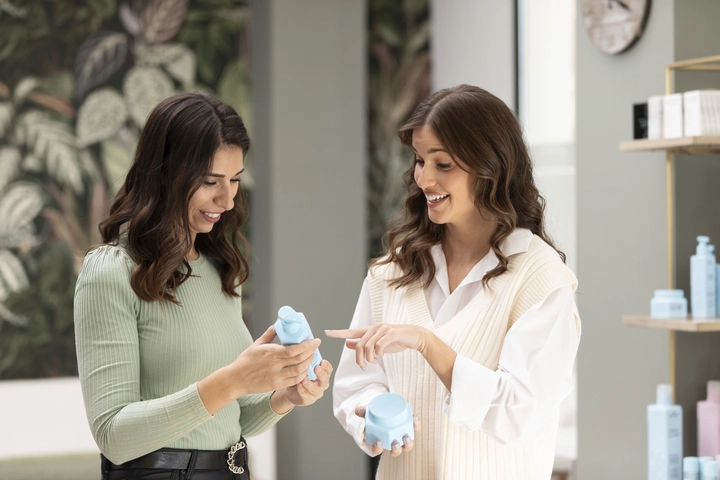
Packaging plays a major role in how customers perceive your brand. Even high-quality formulas can struggle in the market if the packaging looks generic or inconsistent.
Your packaging should reflect your brand positioning and appeal to your target audience. Luxury brands often use minimalist packaging with premium finishes, while natural brands may prefer earthy tones and recyclable materials.
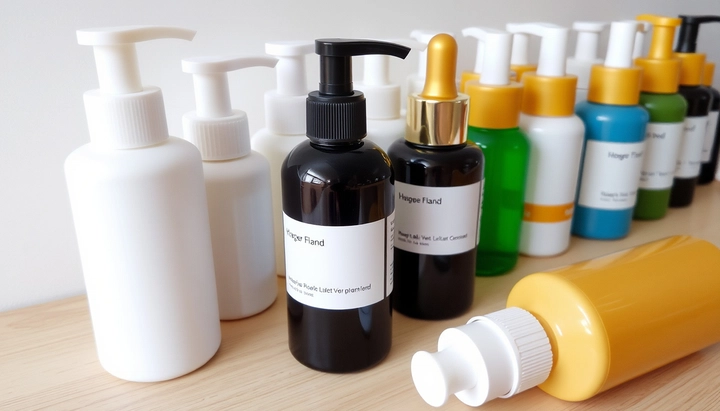
Important packaging elements include:
- Bottle shape and material
- Label design
- Printing quality
- Cap and pump functionality
- Secondary packaging
- Ingredient and compliance labeling
A professional hair care manufacturer or packaging supplier can help you choose packaging that works well with your formula. Some ingredients may react differently depending on bottle material, pump systems, or storage conditions.
Brand consistency is also important. Your:
- Website
- Product labels
- Social media visuals
- Product photography
should all communicate a unified brand image.
For startups, it is often smarter to begin with a clean and professional design rather than overly complicated packaging concepts. Simpler packaging can reduce costs and speed up production timelines.
Packaging Mistakes New Brands Should Avoid
- Choosing packaging before finalizing the formula
- Ignoring label compliance requirements
- Using low-quality printing materials
- Prioritizing appearance over functionality
- Ordering excessive packaging inventory too early
A strong private label hair care line combines attractive branding with practical packaging performance.
Understand Compliance, Testing, and Manufacturing Requirements
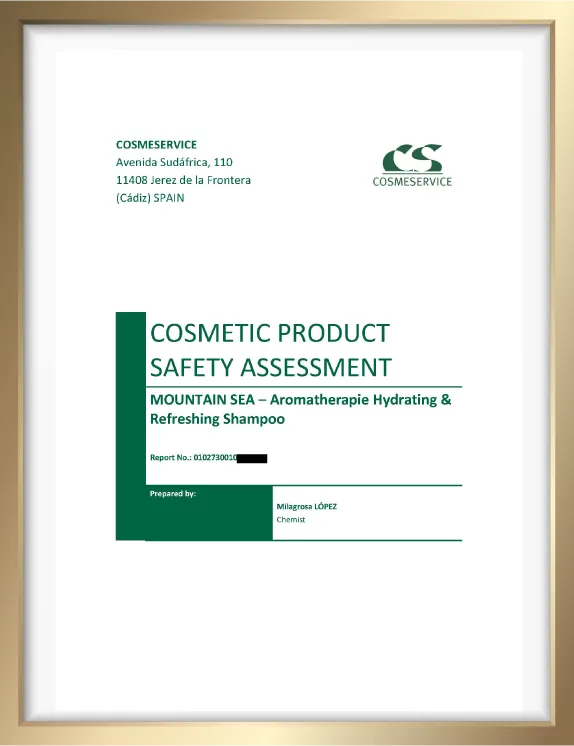
Hair care products must meet regulatory and safety requirements before entering the market. Compliance is especially important if you plan to sell internationally through online marketplaces, salons, distributors, or retail stores.
Different regions have different cosmetic regulations:
- The United States follows the FDA cosmetic guidelines
- The European Union has stricter cosmetic compliance requirements
- Some countries require additional product registration or documentation
An experienced hair care product manufacturer can help prepare:
- Ingredient documentation
- Product specifications
- Safety testing reports
- Labeling compliance support
- Export documents
Testing is another essential step before production. Common tests include:
| Test Type | Purpose |
|---|---|
| Stability Testing | Formula consistency over time |
| Microbial Testing | Product safety |
| Compatibility Testing | Formula and packaging interaction |
| Preservation Testing | Product shelf life evaluation |
Manufacturing quality control also matters. Reliable factories usually inspect:
- Raw materials
- Batch consistency
- Filling accuracy
- Finished product appearance
If your brand plans to expand into professional hair care product lines for salons or distributors, maintaining consistent product quality becomes even more important because repeat purchasing depends heavily on performance reliability.
Working with an experienced OEM hair care manufacturer can make regulatory preparation much easier, especially for brands entering multiple markets.
If you would like to find out more about the compliance of hair care products, please read: Global Hair Care Regulations Every Brand Should Know
Plan Your Production Timeline and Product Launch
Many new business owners underestimate how long it takes to launch a hair care brand. Product development, packaging production, testing, and manufacturing all require time and coordination.
A typical launch timeline may look like this:
| Stage | Estimated Time |
|---|---|
| Brand Planning | 1–2 Weeks |
| Formula Development | 2–6 Weeks |
| Sample Revisions | 2–4 Weeks |
| Packaging Production | 3–6 Weeks |
| Stability and Testing | 2–8 Weeks |
| Mass Production | 4–8 Weeks |
Actual timelines vary depending on formula complexity, packaging customization, and production scheduling.
Before launch, you should also prepare your marketing channels. Most modern hair care brands rely heavily on:
- TikTok content
- Instagram marketing
- Influencer partnerships
- Shopify stores
- Amazon
- Salon partnerships

Your launch strategy should focus on communicating:
- Product benefits
- Brand story
- Ingredient highlights
- Before-and-after results
- Customer experience
Small brands often succeed by focusing on a specific niche rather than competing directly with large global brands.
For example:
- Curly hair care
- Scalp-focused products
- Vegan formulas
- Heat-damage repair
- Men’s grooming
Launching a focused hair care product line makes it easier to build brand recognition and customer loyalty in the early stages.
Conclusion
Launching your own hair care product line requires careful planning, from brand concept and formula development to packaging and compliance. Partnering with an experienced hair care manufacturer ensures your products are high-quality, market-ready, and scalable. Start small, validate your products, and grow your private label hair care line with confidence.
Ready to turn your ideas into real products? Contact us today to discuss your formula and request samples.