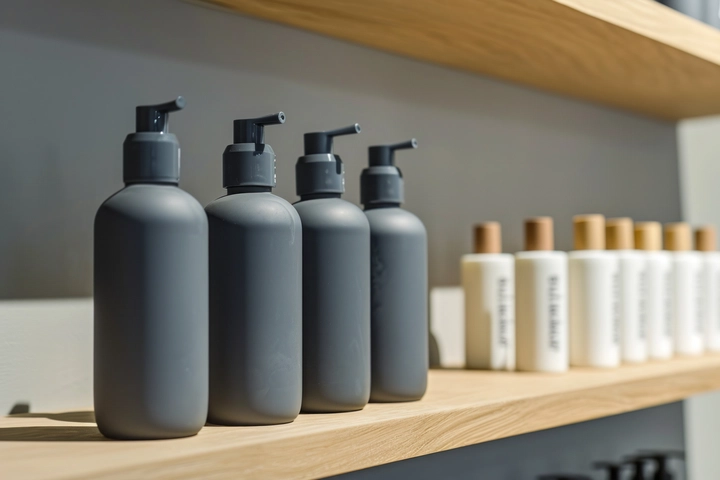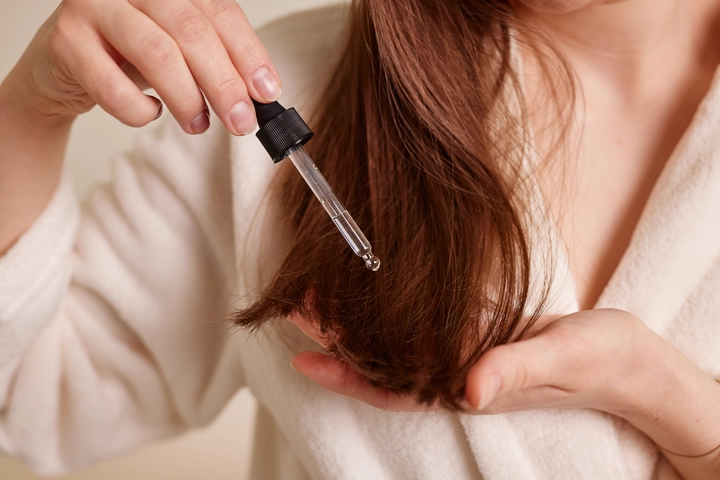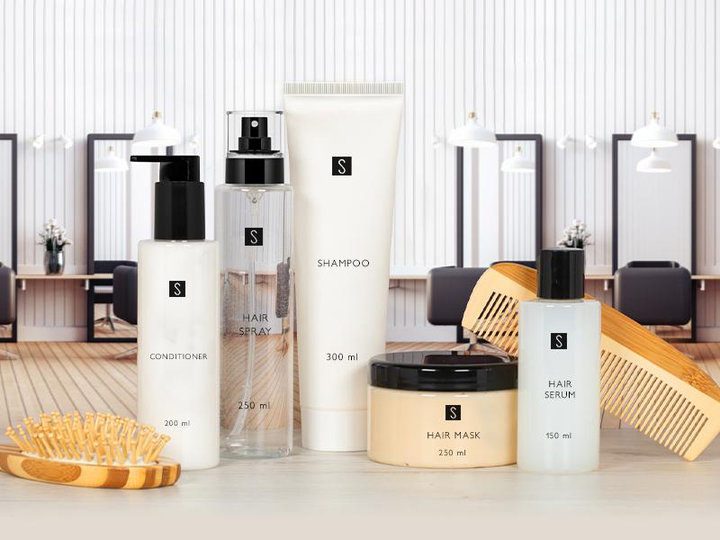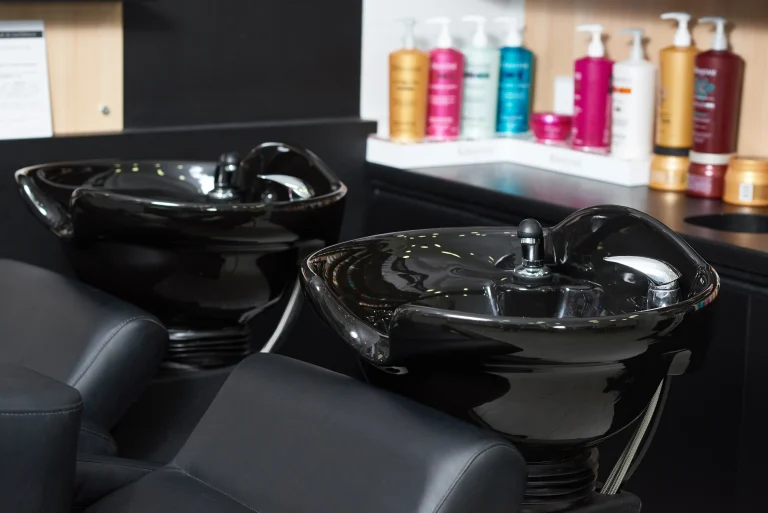
Private label hair care allows brands to launch professional hair products under their own names without building a factory or developing formulas from scratch. It gives salon owners, beauty startups, and online sellers full control over branding, product selection, and positioning while relying on an experienced manufacturer for production and formulation. This model has become a core strategy for fast-growing beauty brands because it significantly lowers entry barriers and speeds up time to market.
What Is Private Label Hair Care?
Private label hair care refers to hair products that are manufactured by a professional cosmetics manufacturer but sold under your own brand name. Instead of investing in R&D facilities, production lines, and regulatory compliance systems, brands can work with a manufacturer to select existing formulas or develop modified formulations, and then apply their own branding, packaging, and market positioning.
In the beauty manufacturing industry, private label is a flexible production model that sits between white label solutions and fully custom OEM/ODM development. It allows brands to launch products faster than custom formulation projects, while still maintaining control over branding and product identity.
To understand how private label fits within different development approaches, here is a clearer comparison:
| Model | Product Development | Brand Ownership | Customization Level | Time to Market |
|---|---|---|---|---|
| White Label | Pre-developed ready formula | Yes | Low | Fast |
| Private Label | Base formula with adjustments | Yes | Medium | Moderate |
| OEM/ODM | Fully custom formulation | Yes | High | Longer |
Most beauty entrepreneurs choose private label hair care because it offers a balanced approach to speed, cost efficiency, and brand differentiation. It enables new brands to enter the market quickly while still building a recognizable identity that is not dependent on third-party products.
Recommended reading: Private Label vs. White Label vs. OEM: Which is Best for Your Brand?
How Private Label Hair Care Works
The private label process is structured but flexible, typically following a manufacturing-driven workflow. Understanding this process is essential because it directly affects product quality, lead time, and brand scalability.
The typical development flow looks like this:
1. Product Selection or Concept Definition
Brands start by choosing product types such as shampoo, conditioner, hair mask, or styling products. At this stage, target market positioning is defined, such as repair, volume, curl care, or scalp health.
2. Formula Selection or Customization
Manufacturers provide existing, stable formulas or adjust formulations to meet your needs. Ingredients, texture, fragrance, and performance can be modified depending on target customers and market regulations.
3. Packaging Development
You select bottle types, pumps, tubes, labeling design, and secondary packaging. Packaging plays a major role in brand positioning, especially for premium or salon-focused brands.
4. Sampling & Testing
Samples are produced for evaluation. Brands test texture, fragrance, performance, and stability before confirming mass production.
5. Mass Production & Quality Control
Once approved, the factory begins production. Professional manufacturers apply ISO or GMP standards to ensure consistency and compliance.
6. Filling, Labeling & Shipping
Finished products are filled, labeled, and packaged for global distribution, often with export documentation support.
This structured workflow allows brands to launch products without building internal technical teams, while still maintaining control over product identity and quality standards.
Key Advantages of Private Label Hair Care
Private label hair care is not just a production shortcut—it is a strategic business model that directly impacts profitability, scalability, and brand differentiation.
1. Faster Time to Market
Instead of spending 12–24 months on formulation development, brands can launch within weeks or a few months using existing stable formulas. This speed advantage is critical in the beauty industry, where trends like “bond repair,” “scalp care,” or “clean beauty” evolve quickly.
2. Lower Upfront Investment
Building a cosmetic production system requires significant capital for labs, equipment, compliance, and staff. Private label removes these barriers. You only invest in product selection, branding, and initial inventory, which makes it ideal for startups and salon businesses.
3. Stronger Brand Ownership
Unlike reselling, private label products are fully branded under your name. This means every repeat customer strengthens your brand equity instead of a third-party brand. Over time, this creates long-term customer loyalty and higher lifetime value.
4. Higher Profit Margins
Without intermediary brand markups, private label allows you to control the pricing strategy. Brands can position themselves in premium, mid-range, or niche markets depending on the target audience, leading to significantly improved margins compared to retail distribution.
5. Flexible Product Expansion
Once a manufacturing relationship is established, brands can easily expand into new categories such as hair masks, serums, or styling products without rebuilding supply chains.
6. Market Differentiation
Exclusive formulas, signature scents, and unique packaging designs help brands stand out in saturated marketplaces like Amazon, Shopify, or salon retail environments.
Who Is Private Label Hair Care Best For?
Private label hair care is not limited to large companies. It is widely used by different types of business owners who want to enter the beauty industry with controlled risk and scalable growth potential.
Salon Owners
Salons often use private label products to create signature care lines. This not only increases retail revenue but also strengthens client retention because customers can continue using salon-recommended products at home.
Beauty Startups
Entrepreneurs entering the cosmetics market use a private label to avoid heavy R&D costs. It allows them to test market demand before investing in fully custom formulations.
Amazon & Shopify Sellers
E-commerce sellers rely on private label products to build differentiated listings that cannot be easily copied by competitors.
Distributors & Wholesalers
Distributors use private labels to expand their product portfolio and create exclusive regional brands.
Each of these groups benefits from private label differently, but the common factor is the need for brand ownership without the complexity of in-house manufacturing.
Why Work with a Hair Care Manufacturer
Working with a professional hair care manufacturer is the foundation of a successful private label strategy. The manufacturer is not just a supplier—they are your technical partner responsible for formulation stability, production consistency, and regulatory compliance.
A strong private label manufacturer typically provides:
- R&D support for formulation development
- Stable and tested base formulas
- Customization of ingredients, texture, and fragrance
- Packaging and labeling solutions
- Global compliance support (EU, US, etc.)
- Scalable production capacity for brand growth
Beyond production capability, manufacturer expertise directly impacts brand success. A reliable partner ensures consistent quality across batches, reduces product risk, and supports long-term expansion into new product categories.
For emerging brands, this partnership replaces the need for internal labs and production teams, allowing focus on marketing, sales, and brand building instead of technical manufacturing challenges.
Recommended reading: How to Choose the Right Hair Care Manufacturer
Conclusion
Private label hair care has become one of the most efficient ways to build a beauty brand with controlled risk and scalable growth. It bridges the gap between full-scale manufacturing and retail reselling, giving brands the ability to launch quickly, differentiate effectively, and maintain long-term ownership of their products.
Working with an experienced manufacturer is the key step that transforms an idea into a market-ready product line. With the right partner, brands can move from concept to shelf faster, while maintaining quality, compliance, and flexibility across product development.