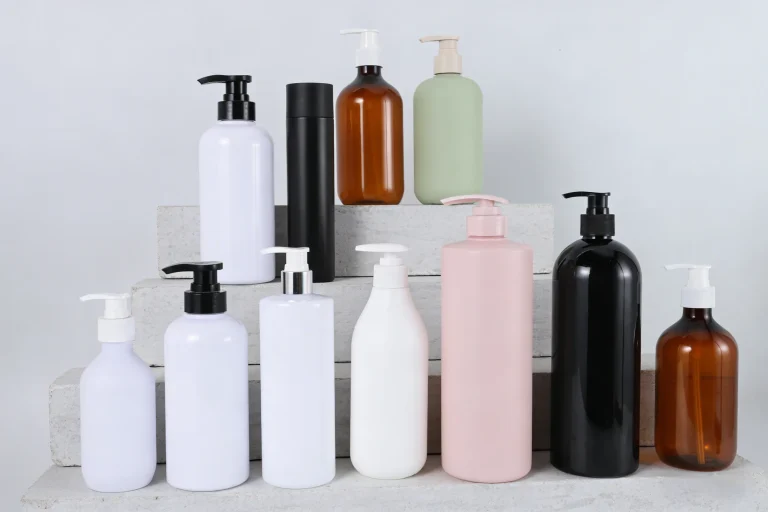
Starting a private label shampoo brand requires more than choosing a bottle and adding your logo. A successful shampoo product needs a clear concept, the right formula direction, professional development support, customized packaging, sample testing, and reliable manufacturing.
By working with an experienced private label shampoo manufacturer, entrepreneurs can transform a product idea into a market-ready shampoo line without investing in their own factory or production facilities.
Step 1. Define Your Shampoo Product Concept
Every successful private label shampoo product starts with a clear concept. Before developing a formula or selecting packaging, you need to understand what your product should achieve and who it is designed for.
Many new brands begin with a popular ingredient or market trend. However, a strong shampoo product is usually built around a specific customer need.
Common shampoo concepts include:
- Dry and damaged hair repair
- Scalp oil control
- Color protection
- Hair volume enhancement
- Gentle daily cleansing
- Sensitive scalp care
Before starting product development, define your target market and product positioning.
Consider the following factors:
- Target customers: Who will use your shampoo? Are you targeting salon clients, natural beauty consumers, premium hair care users, or everyday shoppers?
- Hair concerns: What specific problems does your product address? For example, moisture loss, breakage, thinning hair, frizz, or sensitive scalps.
- Product positioning: Will your shampoo be positioned as premium, natural, professional, affordable, or specialized?
- Product range strategy: Will you start with one hero product or develop a complete hair care line?
For many new brands, starting with one focused shampoo product is a practical approach. A strong hero product allows you to test customer demand, collect feedback, and expand into related products such as conditioners, hair masks, or treatments.
A clear product concept also makes later decisions easier, including formula selection, packaging design, marketing messages, and product claims.
Step 2. Choose Your Shampoo Formula and Product Requirements
After defining your product concept, the next step is selecting the right formula direction. This stage determines your shampoo’s performance, user experience, and market positioning.
A shampoo formula is not simply a combination of popular ingredients. It needs to balance cleansing ability, hair feel, stability, fragrance, and customer expectations.
Common private label shampoo categories include:
| Product Focus | Typical Benefits |
|---|---|
| Moisturizing Shampoo | Helps improve dryness and maintain hydration |
| Repair Shampoo | Supports damaged, brittle, or chemically treated hair |
| Volumizing Shampoo | Creates a fuller and lighter hair feel |
| Sulfate-Free Shampoo | Provides a gentler cleansing option |
| Color Protection Shampoo | Helps maintain color-treated hair |
When developing a shampoo formula, brands should also consider:
- Ingredient preferences, such as botanical extracts, oils, proteins, or vitamins
- Texture requirements, including thickness and application feel
- Fragrance style and overall sensory experience
- Product claims that match market expectations and regulatory requirements
A professional shampoo manufacturer can help evaluate whether your formula idea is suitable for commercial production.
For example, a brand may want a lightweight shampoo with strong repair benefits. A formulation team can recommend suitable ingredients and adjustments to achieve the desired performance while maintaining product stability.
The goal is not to include as many active ingredients as possible. A successful formula should deliver consistent results and support the brand’s product promise.
Step 3. Work With a Private Label Shampoo Manufacturer
Choosing the right hair care manufacturing partner is one of the most important steps when starting a private label shampoo brand.
A professional shampoo manufacturer provides product development knowledge, manufacturing capabilities, and technical support throughout the process.
The collaboration process usually includes:
- Reviewing your product concept and target market
- Recommending suitable formula options
- Discussing ingredients and product requirements
- Evaluating packaging compatibility
- Preparing samples and production plans
For many new hair care brands, the biggest challenge is turning an idea into a commercially viable product.
A manufacturer helps bridge this gap by combining consumer insights with technical knowledge. They can identify potential challenges before production begins, such as formula stability, ingredient compatibility, packaging limitations, or manufacturing requirements.
When selecting a private label shampoo manufacturer, brands should look beyond basic filling services.
Important factors include:
- Formula development experience
- Quality control systems
- Production capabilities
- Packaging support
- Regulatory and documentation support
The right manufacturing partner allows brands to focus on building their identity while relying on professional expertise for product development and production.
Recommended reading: Private Label Shampoo Manufacturers: A Complete Expert Guide

Step 4. Customize Your Shampoo Formula and Packaging
Customization is one of the biggest advantages of the private label model. Instead of selling a generic shampoo, brands can create products that align with their market positioning and customer expectations.
Custom shampoo formulations
Formula customization may include:
- Adjusting existing formulas
- Selecting specific ingredients
- Modifying fragrance and texture
- Developing targeted product benefits
- Creating unique product concepts
Some brands start with proven formulas and make targeted adjustments. Others require a more customized development process based on specific product goals.
Custom shampoo packaging
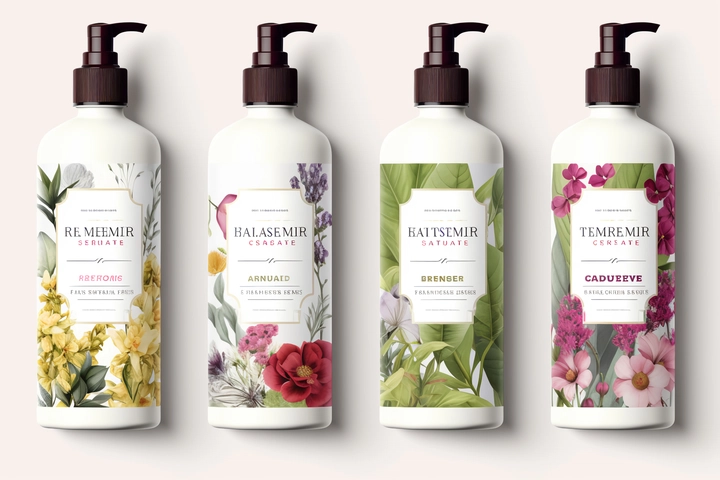
Packaging customization is equally important because packaging creates the first impression of your brand.
Brands can customize:
- Bottle shapes and sizes
- Packaging materials
- Colors and finishes
- Labels and artwork
- Overall product presentation
For example, a premium hair care brand may choose elegant packaging with a luxury appearance. A natural hair care brand may prefer simple designs with ingredient-focused messaging.
A successful shampoo product combines formula performance with packaging that communicates the right brand image.
Both elements should work together to create a consistent customer experience.
Step 5. Test Samples and Finalize Your Product
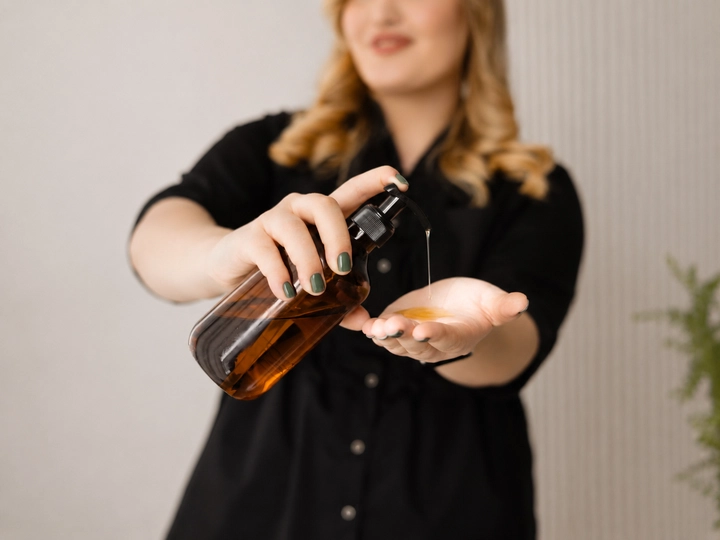
Before moving into full-scale production, sample testing is an essential part of shampoo product development.
Samples allow brands to evaluate whether the product matches their original expectations and customer needs.
During sample testing, brands usually review:
- Shampoo texture and consistency
- Cleansing performance
- Hair feels after use
- Fragrance strength
- Packaging appearance
- Overall product experience
Sample approval is often an adjustment process. Brands may request changes to fragrance, texture, conditioning effects, or other product details before finalizing the formula.
This step is especially important for first-time founders because the final product needs to match both the original concept and market expectations.
An experienced manufacturer can provide technical feedback and suggest practical improvements to help create a stable and production-ready product.
Careful sample approval can reduce potential issues and prevent costly changes after manufacturing begins.
Step 6. Manufacture Your Shampoo Products
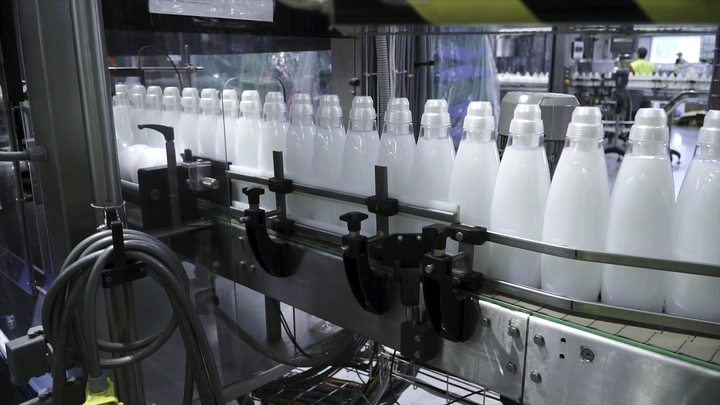
Once the formula and packaging are finalized, the product enters the manufacturing stage.
This step transforms the approved sample into finished shampoo products ready for market distribution.
A professional shampoo manufacturing process usually includes:
- Raw material preparation
- Formula mixing and processing
- Quality testing
- Filling and packaging
- Final product inspection
Consistency is critical in shampoo production. Customers expect the same product quality every time they purchase from a brand.
Manufacturers monitor important factors throughout production, including:
- Product appearance
- Texture consistency
- Formula stability
- Packaging quality
- Finished product standards
For new brands, understanding the manufacturing process helps create realistic timelines and smoother communication with production partners.
Although brands do not need to manage every technical production detail, choosing a manufacturer with structured production procedures helps ensure reliable product quality.
Recommended reading: Private Label Shampoo Manufacturing Process: From Formula to Finished Product
Step 7. Prepare Your Brand for Launch
After manufacturing is complete, the final step is to prepare your shampoo product for market launch.
Having finished products is only part of building a successful hair care brand. You also need the right materials and sales strategy to introduce your product effectively.
Launch preparation may include:
- Creating product descriptions
- Preparing product photography
- Organizing product documentation
- Developing marketing materials
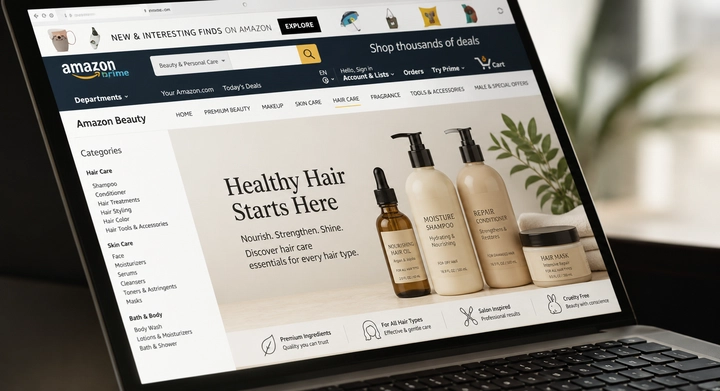
- Setting up online stores or sales channels
Your product messaging should accurately reflect the formula’s benefits and target customers.
For example, a repair shampoo should clearly communicate its purpose and benefits. A natural shampoo should highlight relevant ingredients and positioning.
Many successful hair care brands start with one focused product and expand based on customer feedback.
A well-developed hero shampoo product can provide a strong foundation for future products, including conditioners, hair masks, oils, and styling products.
Conclusion
Starting a private label shampoo brand becomes more manageable when the product development process is planned step by step.
From defining your product concept and selecting the right formula direction to customizing packaging, testing samples, completing manufacturing, and preparing for launch, every stage affects the final product quality and market performance.
Working with an experienced private label shampoo manufacturer can help you avoid common development challenges and bring your product idea to market with greater confidence. With professional support in formulation, customization, production, and quality control, brands can create high-quality shampoo products without managing complex manufacturing operations themselves.
At Mountain Sea, we help brands develop and launch private label hair care products through professional formulation support, customized solutions, and reliable manufacturing processes. If you are planning to create your own shampoo brand, contact us to discuss your product concept and request a sample.