Building a direct-to-consumer hair care brand requires more than creating products and selling them online. Successful brands need a clear market position, well-developed products, strong branding, effective sales channels, and a strategy to build lasting customer relationships.
For entrepreneurs who want to start a hair care brand or existing brands looking to expand into DTC sales, understanding the key steps behind brand building can help avoid common mistakes and create a stronger foundation for long-term growth.
What Is a Direct-to-Consumer Hair Care Brand?
A direct-to-consumer hair care brand sells products directly to customers instead of relying mainly on traditional retail channels, distributors, or third-party sellers.
In a traditional hair care business model, brands often depend on retailers or wholesalers to reach consumers. This can limit customer interaction and make it harder to understand buying behavior.
A DTC hair care brand controls more parts of the customer journey, including:
- Product positioning
- Brand communication
- Online shopping experience
- Customer feedback
- Repeat purchase strategies
The biggest advantage of the DTC model is the direct connection between the brand and customers. Brands can collect customer insights, understand their needs, and improve products based on real feedback.
For hair care businesses, this model is especially valuable because customers often have specific concerns, such as hair damage, dryness, scalp problems, thinning hair, or color protection needs. A strong DTC brand can build trust by educating customers and offering targeted solutions.
However, building a successful DTC hair care brand is not simply about creating an online store. The foundation starts with a clear brand strategy and the right products.

Step 1: Define Your Hair Care Brand Positioning
Before developing products, you need to understand what your brand represents.
Many new hair care brands make the mistake of starting with product ideas first. They choose a shampoo, hair oil, or treatment without clearly defining their target customers or market position.
A strong hair care brand begins with three questions:
- Who are you creating products for?
- What hair problems do you want to solve?
- Why should customers choose your brand instead of competitors?
Identify Your Target Customers
Your target audience influences every part of your brand, including product formulas, packaging, pricing, and marketing messages.
For example:
A brand targeting consumers with damaged hair may focus on:
- Repair treatments
- Bond-building products
- Nourishing ingredients
- Professional-level results
A brand targeting natural beauty consumers may focus on:
- Plant-based ingredients
- Gentle formulas
- Clean beauty positioning
A brand targeting premium customers may focus on:
- Luxury packaging
- Advanced formulations
- Professional hair care experiences
The clearer your customer profile is, the easier it becomes to create products that match their expectations.
Choose a Clear Brand Focus
The hair care market includes many categories. New brands usually have better opportunities when they focus on a specific customer need instead of trying to serve everyone.
Common hair care brand positions include:
- Hair repair and damage recovery
- Scalp care
- Hydration and moisture solutions
- Color protection
- Natural and botanical hair care
- Professional salon-inspired treatments
A focused position helps customers quickly understand what your brand offers.
For example, a brand focused on “repairing damaged hair caused by coloring and heat styling” creates a clearer message than a brand simply selling “high-quality hair products.”
Step 2: Create a Product Strategy for Your Hair Care Brand
Once your brand positioning is clear, the next step is developing products that support your brand promise.
Your product line should not only match market demand but also create a consistent customer experience.
Start With Hero Products
Many successful hair care brands begin with a small number of products rather than launching a large collection.
A focused product range allows brands to:
- Test customer response
- Control development costs
- Build brand recognition around key products
Common starting products include:
- Shampoo
- Conditioner
- Hair mask
- Hair oil or serum
- Leave-in treatment
For example, a repair-focused brand may start with:
- Repair shampoo
- Intensive treatment mask
- Nourishing hair oil
These products work together and create a complete hair care routine.
Develop Formulas That Match Your Brand Positioning
Product quality is one of the most important factors in building a successful hair care brand.
Customers evaluate hair care products based on:
- Performance
- Texture
- Fragrance
- Ingredient story
- Overall experience
The formula should support the specific benefit your brand promises.
For example:
A moisturizing hair care brand may focus on ingredients such as:
- Plant oils
- Humectants
- Conditioning agents
A strengthening product line may include:
- Keratin derivatives
- Protein-based ingredients
- Repair technologies
Brands can develop products through different approaches. Some choose ready-made private label hair care products and customize elements such as packaging, fragrance, or branding. Others work with manufacturers on custom formulations to create unique products.
Working with an experienced hair care manufacturer can help brands develop products that meet quality expectations while reducing the complexity of building their own production facilities.

Step 3: Build Your Hair Care Brand Identity and Packaging
A strong hair care brand is not only defined by its products. Customers also connect with the brand story, visual identity, and overall experience.
In the DTC business model, your website and packaging are often the first points of contact between your brand and customers. A clear and consistent brand identity helps build recognition and trust.
Create a Strong Brand Story
A brand story explains why your hair care brand exists and what value it provides to customers.
A good brand story usually includes:
- The problem your brand wants to solve
- The customers you want to support
- The product philosophy behind your solutions
For example, a scalp care brand may focus on helping customers build healthier hair routines through targeted scalp solutions. A natural hair care brand may emphasize botanical ingredients and gentle formulas.
The goal is not to create an exaggerated story. It is to communicate a clear reason why customers should choose your brand.
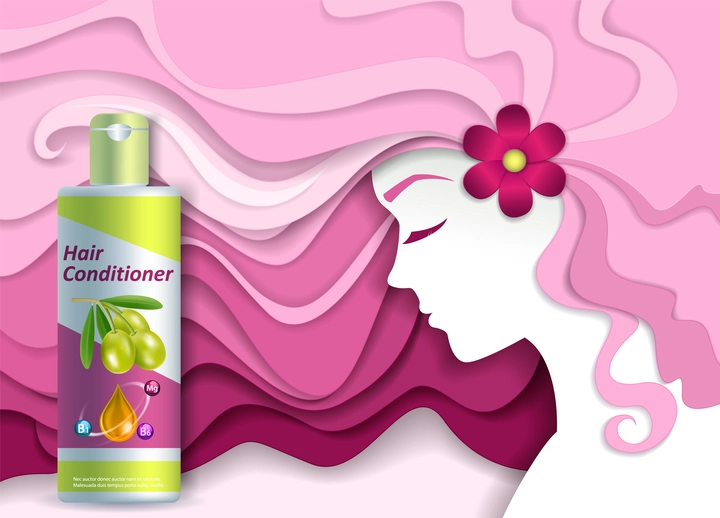
Design Packaging That Matches Your Positioning
Packaging plays an important role in DTC hair care brands because customers often discover products online before they touch them physically.
Your packaging should communicate:
- Product benefits
- Brand personality
- Quality perception
- Target customer expectations
For example:
A premium hair care brand may use minimalist packaging and sophisticated design elements.
A natural hair care brand may highlight botanical ingredients and clean visual styles.
A professional hair care brand may focus on performance-driven messaging.
Consistent packaging across your product line also helps customers recognize your brand and encourages repeat purchases.
Step 4: Build Your DTC Sales Channels
After developing your products and brand identity, the next step is choosing how customers will purchase your products.
A DTC hair care brand usually builds direct sales channels that allow customers to discover, purchase, and interact with the brand.
Build Your Brand Website
A brand website is the foundation of many DTC businesses.
Unlike third-party marketplaces, your own website gives you more control over:
- Brand presentation
- Customer experience
- Product education
- Customer relationships
For hair care brands, a website is also an opportunity to educate customers.
Many consumers need guidance before purchasing hair products. They may want to understand:
- Which product fits their hair type
- How ingredients work
- How to build a hair care routine
Educational content can help customers make better purchasing decisions while strengthening brand trust.
Use Social Commerce Channels
Many DTC hair care brands also use social commerce platforms to reach new customers.
Common channels include:
- TikTok Shop
- Instagram Shop
- Facebook Shop
These platforms allow brands to combine product discovery with customer engagement.
For hair care products, visual content can be especially effective because customers often want to see:
- Product demonstrations
- Hair care routines
- Before-and-after results
- Ingredient explanations
However, social channels should support your overall brand strategy rather than replace your own customer relationship system.

Step 5: Build Customer Relationships and Grow Your Hair Care Brand
One of the biggest advantages of the DTC model is the ability to build direct relationships with customers.
Traditional sales channels often provide limited customer information. DTC brands can better understand customer preferences and use those insights to improve their products and experiences.
Collect Customer Feedback
Customer feedback helps brands understand:
- Product satisfaction
- Common concerns
- Improvement opportunities
- Future product ideas
For example, customer reviews may reveal that users want:
- A stronger repair treatment
- A lighter hair oil texture
- A new product for specific hair concerns
These insights can guide future product development.
Encourage Repeat Purchases
Hair care is naturally suitable for repeat purchases because customers often use products regularly.
Successful DTC brands focus not only on acquiring new customers but also on creating reasons for customers to return.
This can include:
- Consistent product quality
- Complete hair care routines
- New product launches
- Customer education
A strong customer relationship helps transform a single purchase into long-term brand loyalty.
Common Mistakes When Building a DTC Hair Care Brand
Building a hair care brand requires careful planning. Many new brands face challenges because they focus too much on launching quickly and overlook important foundations.
1. Launching Too Many Products at the Beginning
A large product range may increase complexity and costs.
Starting with a focused product line allows brands to test the market, collect feedback, and improve their offerings.
2. Creating Products Without Clear Positioning
A product without a clear target customer can be difficult to market.
Before development, brands should understand:
- Who will buy the product
- What problem it solves
- Why customers need it
3. Focusing Only on Sales Instead of Brand Building
A DTC brand is more than an online store.
Long-term success depends on:
- Product quality
- Customer trust
- Brand consistency
- Customer relationships
4. Ignoring Product Development Quality
In the hair care industry, product performance strongly affects customer retention.
A strong marketing strategy may attract customers, but product quality determines whether they return.
Conclusion
Building a direct-to-consumer hair care brand requires a combination of clear positioning, effective product development, strong branding, and meaningful customer relationships.
The most successful brands do not simply sell hair products online. They create solutions for specific customer needs and build trust through consistent product experiences.
Whether you are launching your first hair care brand or expanding an existing business into the DTC market, having the right product strategy and manufacturing support can help turn your ideas into market-ready products.
If you are planning to develop your own hair care products, contact Mountain Sea to discuss your product concepts, formulation needs, and private label hair care solutions.