Selling private label hair products on Amazon requires more than creating a product and uploading a listing. Successful hair care brands need to make strategic decisions about product selection, formulation, packaging, manufacturing, compliance, and Amazon launch preparation. By understanding customer demand and working with the right private label hair care manufacturer, entrepreneurs can build products that are ready for the competitive Amazon marketplace.
This guide explains the key steps to sell private label hair products on Amazon, from choosing the right products to preparing your brand for long-term growth.
1. Understand the Amazon Hair Care Market Before Developing Your Products
Before developing your private label hair products, you need to understand the Amazon market first. Successful brands do not simply choose a popular product and hope it sells; they analyze customer needs, competition, and market opportunities to create products with a clear positioning.
The goal is to identify:
- What hair care problems customers are trying to solve
- Which product categories have strong demand
- How competitors position their products
- What opportunities exist for brand differentiation
Amazon provides valuable market insights because customer reviews, rankings, and product pages reveal what consumers like, dislike, and expect.
For example, popular hair care needs often include:
- Dry and damaged hair repair
- Moisture and hydration
- Frizz control
- Hair volume improvement
- Scalp care
- Color protection
- Natural and botanical hair care solutions
Understanding these needs helps brands create products with a clearer market position instead of competing only on price.
Identify Opportunities Within Hair Care Categories
Private label hair products cover many categories, including:
- Shampoo
- Conditioner
- Hair masks
- Hair oils
- Hair serums
- Leave-in treatments
- Styling products
Each category has different opportunities and challenges.
For example:
A shampoo product may have higher competition but stronger repeat purchase potential.
A specialized hair mask or treatment product may allow brands to create stronger differentiation through ingredients, benefits, and positioning.
2. Choose the Right Private Label Hair Products for Amazon
Choosing the right product is one of the most important decisions when building a private label hair care brand.
A common mistake is selecting products only because they are popular. However, popularity does not always mean opportunity.
A successful Amazon product needs a balance between:
- Customer demand
- Competitive positioning
- Product quality
- Profit potential
- Brand differentiation
Focus on Customer Problems, Not Just Product Types
Customers usually do not search for a shampoo or hair oil simply because they want another product.
They are looking for solutions.
For example:
A customer searching for a repair shampoo may be dealing with:
- Bleached hair damage
- Heat styling damage
- Dryness and breakage
A customer searching for a moisturizing hair mask may want:
- Softer hair texture
- Better manageability
- Reduced frizz
Therefore, private label brands should develop products around specific customer needs.
A stronger product positioning could be:
- Repair treatment for damaged hair
- Lightweight hydration for dry hair
- Color protection system for treated hair
- Botanical scalp care solution
3. Develop Hair Care Products That Can Compete on Amazon
Product quality is one of the biggest factors that determines whether a private label hair product can succeed on Amazon.
A strong listing may attract customers, but product performance determines:
- Customer reviews
- Repeat purchases
- Brand reputation
For this reason, product development should begin before creating the Amazon listing.
Create Formulas Based on Customer Needs
A successful hair care formula should match the expectations of the target market.
During formulation development, brands should consider:
Hair concerns
Different customers have different needs:
- Damaged hair requires repairing ingredients
- Dry hair needs moisture-supporting ingredients
- Fine hair may need lightweight conditioning
- Curly hair may require enhanced definition and hydration
Ingredients and product claims
Ingredients can help strengthen product positioning.
Common examples include:
- Argan oil for nourishment and smoothness
- Panthenol for moisture support
- Aloe vera for hydration
- Keratin amino acids for damaged hair care
- Botanical oils for premium natural positioning
However, ingredients alone do not create a successful product.
The formula also needs:
- Pleasant texture
- Suitable fragrance
- Stable performance
- Consistent manufacturing quality
Commercial requirements
Private label products need to balance performance with business requirements.
A formula should also consider:
- Production scalability
- Manufacturing cost
- Shelf stability
- Market positioning
Working with an experienced hair care manufacturer can help brands transform product ideas into commercially viable solutions.
4. Create Amazon-Friendly Branding and Packaging
On Amazon, customers often make purchase decisions before they ever touch the product.
Your packaging needs to communicate value quickly.
A strong private label hair product should have packaging that supports:
- Brand recognition
- Product differentiation
- Customer trust
- Online conversion
Packaging is not only about appearance. It is also part of the customer experience.
For example:
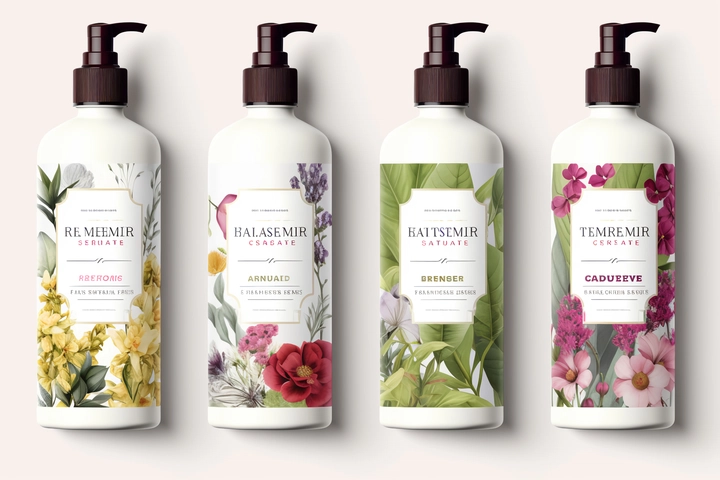
A premium hair oil brand may use elegant packaging to communicate luxury positioning.
A natural hair care brand may focus on botanical visuals and ingredient transparency.
A professional salon-inspired brand may emphasize performance and expertise.
Packaging should match the audience you want to attract.
Consider Amazon FBA Requirements During Packaging Development
For private label brands selling on Amazon, packaging decisions should consider the requirements of the fulfillment process from the beginning.
Amazon FBA (Fulfillment by Amazon) allows sellers to store products in Amazon fulfillment centers, where Amazon handles storage, packing, and shipping. However, products need to be properly prepared before entering the fulfillment system.
During packaging development, brands should consider:
- Product size and weight for shipping efficiency
- Leak prevention for liquid hair care products
- Durable packaging materials
- Proper labeling and barcode requirements
- Protection during transportation and storage
This is especially important for hair care products such as shampoos, conditioners, and hair oils because packaging failures can negatively affect customer experience and product reviews.
For example, a shampoo bottle that leaks during delivery may result in negative reviews, even if the formula itself is excellent.
Therefore, Amazon-ready packaging is not only about creating an attractive design. It is about developing packaging that protects the product throughout the entire customer journey.
5. Choose the Right Private Label Hair Care Manufacturer
Finding the right manufacturing partner is one of the most important steps when launching private label hair products on Amazon.
A manufacturer does more than produce products. The right partner can help transform a brand concept into a market-ready product.
Before choosing a private label hair care manufacturer, brands should evaluate several factors.
Product Development Capability
A reliable manufacturer should be able to support different levels of customization, including:
- Ready-made formulas for faster launch
- Formula modification based on brand requirements
- Custom formulation development
- Ingredient and texture adjustments
This allows brands to create products that match their target customers instead of simply selling generic products.
For example, a brand targeting premium hair care customers may need a different formula approach compared with a brand focused on affordable daily hair care.
Manufacturing Experience and Quality Control
Product consistency is critical for Amazon brands.
Customers expect every order to deliver the same experience. Inconsistent quality can quickly affect:
- Customer reviews
- Brand reputation
- Repeat purchase rates
When evaluating manufacturers, consider:
- Production capabilities
- Quality control procedures
- Testing processes
- Manufacturing certifications
- Experience serving international markets
A manufacturer with experience in global markets can also help brands better understand product requirements for different regions.
Packaging and Production Support
Launching on Amazon requires coordination between product development, packaging, and manufacturing.
A professional private label manufacturer should be able to support:
- Bottle and container selection
- Label design support
- Packaging customization
- Bulk production
- Shipping preparation
This integrated approach helps reduce complexity for new brand owners.
For example, Mountain Sea provides private label hair care solutions including formula development, packaging support, and manufacturing services to help brands move from product ideas to finished products.

6. Prepare and Launch Your Private Label Hair Products on Amazon
After developing your products, the next step is preparing them for the Amazon marketplace.
A successful launch requires more than uploading product information. Your Amazon presence should clearly communicate why customers should choose your brand.
Amazon Listing Optimization
Your product listing is where customers decide whether to purchase.
A strong listing should clearly communicate:
Product benefits
Instead of only describing ingredients, focus on customer outcomes.
For example:
Instead of:
“Contains argan oil.”
A stronger message would be:
“Helps nourish dry, damaged hair and improve softness with argan oil.”
Keyword optimization
Amazon works as a search engine. Brands should research relevant keywords and naturally include them in:
- Product title
- Bullet points
- Product description
- Backend search terms
For private label hair products, keywords may include:
- repair shampoo
- moisturizing shampoo
- hair mask for damaged hair
- argan oil hair treatment
- sulfate-free shampoo
Product images and brand presentation
Images are especially important because customers cannot physically examine the product.
Effective Amazon images should show:
- Product appearance
- Key benefits
- Usage scenarios
- Ingredient highlights
- Brand positioning
A professional listing should create confidence before customers make a purchase.
Inventory and Launch Planning
Inventory planning is another important factor for Amazon success.
Private label brands need to balance:
- Avoiding excessive inventory costs
- Maintaining product availability
- Supporting marketing activities
Before launch, brands should consider:
- Production lead time
- MOQ requirements
- Shipping time
- Expected sales volume
- Reorder schedule
For new brands, starting with a manageable order quantity can help test market response before scaling production.
A flexible manufacturing partner can make this process easier by supporting different growth stages.

7. Improve and Scale Your Private Label Hair Brand on Amazon
Launching your first product is only the beginning.
Successful Amazon brands continuously improve based on customer feedback and market performance.
After launch, brands should monitor:
- Customer reviews
- Product ratings
- Frequently mentioned customer concerns
- Sales performance
- Competitor changes
Customer feedback can provide valuable insights for improving future products.
For example:
If customers love the formula but request a stronger fragrance, brands may adjust future versions.
If customers like a shampoo but want a matching conditioner, brands can expand the product line.
Long-term growth usually comes from building a complete product system rather than relying on one product.
Many successful hair care brands expand from:
- Shampoo → Conditioner
- Hair Mask → Treatment Collection
- Hair Oil → Complete Repair System
This approach helps create stronger brand recognition and increases customer lifetime value.
Conclusion
Selling private label hair products on Amazon is not only about creating a listing and waiting for sales. Successful brands build a strong foundation before launch by choosing the right products, developing competitive formulas, creating effective packaging, and working with reliable manufacturing partners.
The most important steps include:
- Understanding Amazon customer needs
- Selecting products with clear market positioning
- Developing formulas that deliver real value
- Creating packaging designed for online sales
- Preparing products for Amazon requirements
- Building a listing that communicates brand benefits
Choosing the right private label hair care manufacturer can make the product development process more efficient and help reduce challenges during launch.
Mountain Sea specializes in private label, OEM, and ODM hair care solutions, supporting brands with custom formulations, packaging development, and professional manufacturing services. Whether you are launching your first hair care product or expanding an existing brand, an experienced manufacturing partner can help turn your ideas into market-ready products.
Ready to develop your private label hair products for Amazon? Contact Mountain Sea to discuss your product concept and explore customized hair care solutions.