Hair product manufacturers ensure product quality through a structured quality management system that covers raw material inspection, production monitoring, product testing, and final batch approval. Professional manufacturers apply quality checks throughout the entire manufacturing process to maintain product safety, consistency, and performance.
For private label hair care brands, choosing a manufacturer with a reliable quality system is essential because product consistency directly affects customer satisfaction, brand reputation, and long-term market success.
Why Quality Control Is Critical in Hair Product Manufacturing
Quality control in hair product manufacturing is not limited to checking finished products before shipment. A reliable manufacturer integrates quality management into every stage of development and production to identify potential issues before they affect the final batch.
Hair care products such as shampoos, conditioners, hair masks, and styling treatments often contain complex combinations of surfactants, oils, botanical extracts, proteins, and active ingredients. Small variations in raw materials, processing conditions, or packaging materials can influence product appearance, texture, stability, and user experience.
For private label hair care brands, inconsistent quality can create several challenges:
- Different texture or fragrance between production batches
- Changes in product performance after launch
- Increased customer complaints and returns
- Difficulties maintaining brand reputation
- Additional costs caused by rework or product replacement
A professional hair product manufacturer reduces these risks by establishing defined quality standards, documented procedures, and multiple inspection points throughout the manufacturing process.
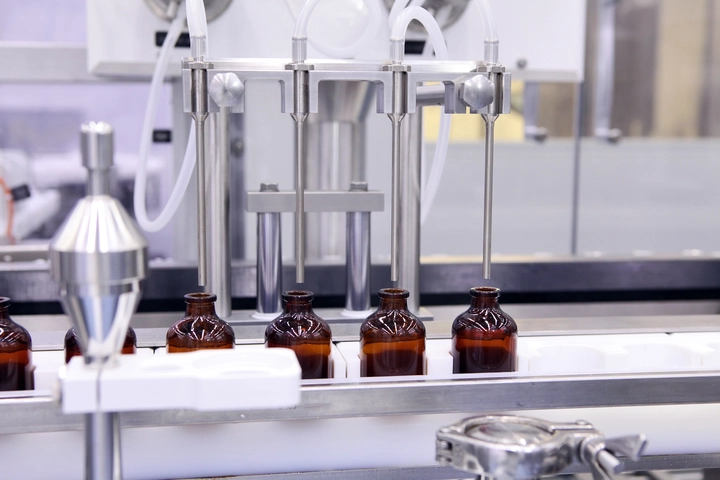
Quality Control Throughout the Hair Product Manufacturing Process
A complete quality control system follows the product journey from incoming ingredients to finished goods. Instead of relying on final inspection alone, manufacturers perform evaluations at different production stages to ensure problems are identified and corrected early.
The four key quality control stages include raw material inspection, production process monitoring, semi-finished product testing, and final product release.
Stage 1: Raw Material Inspection Before Production
The quality of a finished hair care product begins with the materials used during formulation. Before ingredients enter production, professional hair product manufacturers conduct incoming material inspections to verify that each component meets predefined specifications.
Raw materials may include:
- Surfactants used in shampoos and cleansers
- Natural oils and botanical extracts
- Conditioning agents
- Functional ingredients
- Fragrance components
- Preservative systems
Before approval, materials are typically checked through several procedures:
Supplier qualification
Manufacturers evaluate ingredient suppliers based on their reliability, documentation, and ability to provide consistent materials. Approved supplier systems help reduce variations between different production batches.
Documentation verification
Quality teams review relevant documents such as:
- Certificate of Analysis (COA)
- Ingredient specifications
- Safety documentation
- Batch information
Physical and chemical inspection
Depending on the ingredient type, testing may include:
- Appearance
- Color
- Odor
- pH value
- Viscosity
- Other specification requirements
Materials that fail inspection are not released for production. Instead, they are isolated and handled according to the manufacturer’s non-conforming material procedures.
This first quality checkpoint helps ensure that only approved ingredients enter the manufacturing process.
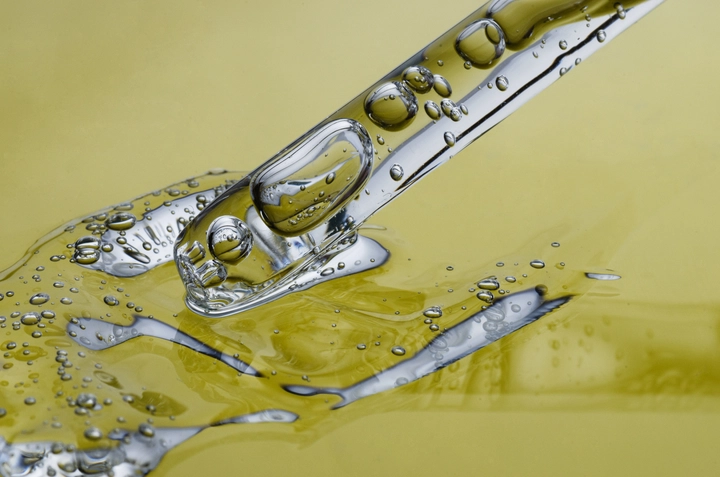
Stage 2: Production Process Monitoring During Manufacturing
Once raw materials are approved, quality control continues during formulation and production. This stage focuses on maintaining consistent processing conditions and ensuring that the formula develops according to established standards.
During manufacturing, operators and quality teams monitor key parameters such as:
- Ingredient weighing accuracy
- Mixing sequence
- Processing temperature
- Mixing speed
- Homogenization conditions
- Processing time
Different types of hair products require different monitoring approaches.
For shampoo and other surfactant-based products, manufacturers may evaluate:
- Foam performance
- Clarity
- Viscosity development
- Active ingredient distribution
For cream-based products such as hair masks and conditioners, quality checks may focus on:
- Emulsion stability
- Texture consistency
- Homogeneity
- Temperature control during processing
During production, samples may be taken at scheduled intervals for testing. Common evaluations include:
| Quality Check | Purpose |
|---|---|
| pH testing | Verify formula compatibility and consistency |
| Viscosity testing | Maintain expected product texture |
| Appearance inspection | Detect abnormal changes in color or structure |
| Homogeneity testing | Confirm ingredients are evenly distributed |
If production parameters deviate from approved standards, manufacturers investigate the cause before continuing production. This prevents potential quality issues from progressing into later stages.
Stage 3: Semi-Finished Product Testing Before Filling
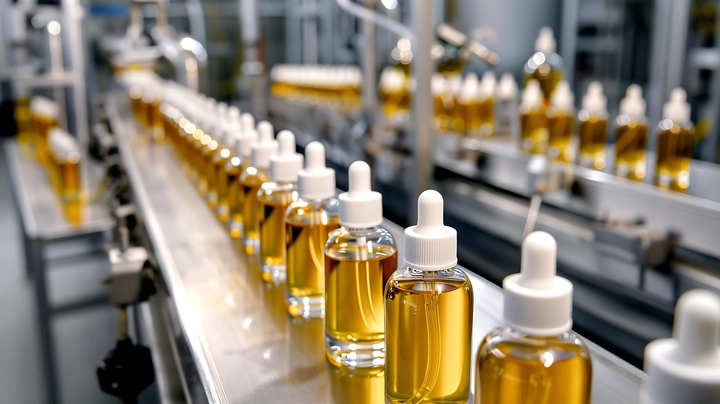
Before bulk products enter the filling line, manufacturers perform semi-finished product testing to confirm that the formula meets quality requirements.
This stage is an important checkpoint because the product has already completed the main formulation process but has not yet been packaged.
Testing usually includes:
- Appearance evaluation
- Color assessment
- Fragrance confirmation
- pH measurement
- Viscosity testing
- Formula consistency verification
For private label brands, this step is especially important because packaging errors or large-scale filling problems can be expensive to correct once products have entered final packaging.
If the bulk product does not meet approved specifications, manufacturers can make necessary adjustments before filling and packaging.
Stage 4: Finished Product Inspection and Batch Release
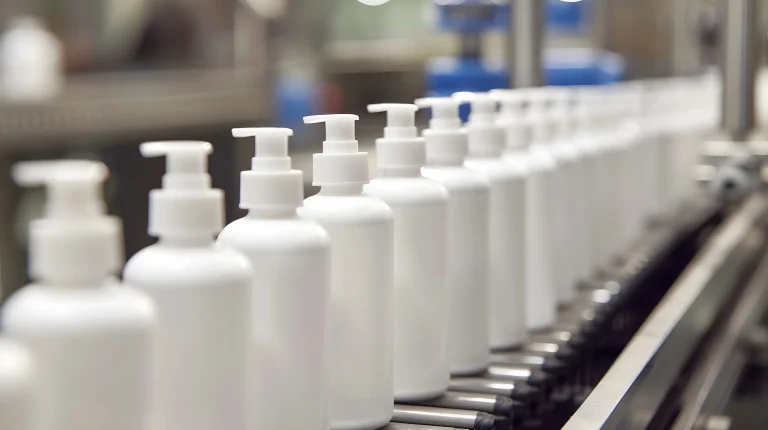
After filling, labeling, and packaging are completed, finished products undergo final quality inspection before shipment.
At this stage, manufacturers verify that the packaged products meet all established release requirements. The purpose is not only to confirm product appearance but also to ensure that the final goods match the approved formula, packaging specifications, and production standards.
Final product inspections may include:
- Product appearance evaluation
- Filling volume verification
- Packaging integrity checks
- Cap or pump function testing
- Label accuracy inspection
- Microbiological test review
- Batch documentation confirmation
For example, a shampoo batch may be checked to ensure:
- The bottle contains the correct quantity
- The pump or cap works properly
- The label information matches the approved artwork
- The product appearance remains consistent with the approved sample
Before a batch is released, quality teams review production records and inspection results. These records confirm that every required manufacturing step has been completed according to specifications.
Only batches that pass all quality requirements are approved for shipment.
Stability Testing Ensures Long-Term Product Performance
A hair product may appear acceptable immediately after production, but manufacturers must also verify that it remains stable throughout its expected shelf life.
Stability testing evaluates how a product responds to different storage conditions over time. It helps manufacturers determine whether the formula maintains its original characteristics, including:
- Texture
- Color
- Fragrance
- Viscosity
- Physical appearance
- Overall formula integrity
This testing is especially important for hair care products containing botanical extracts, natural oils, proteins, or other functional ingredients because these components may change under different environmental conditions.
Manufacturers generally use two main stability testing approaches.
Real-Time Stability Testing
Real-time testing evaluates products under recommended storage conditions for an extended period.
During this process, samples are stored and examined at scheduled intervals to monitor possible changes throughout the product lifecycle.
Typical evaluations include:
- Appearance changes
- Odor changes
- Texture consistency
- pH stability
- Viscosity variation
This provides direct information about how the product performs during normal storage conditions.
Accelerated Stability Testing
Accelerated stability testing uses controlled stress conditions to predict long-term product behavior within a shorter timeframe.
Products may be stored under elevated temperature or humidity conditions to observe how the formula responds to environmental pressure.
This helps manufacturers identify potential issues such as:
- Ingredient separation
- Color changes
- Fragrance instability
- Texture changes
For hair care private label brands, stability testing provides confidence that the product delivered to customers will maintain consistent quality throughout its intended shelf life.
Microbiological Testing Ensures Hair Product Safety
Many hair care products contain water-based formulas, including shampoos, conditioners, and hair masks. Because water-based products can support microbial growth, microbiological testing is an essential part of quality control.
A product can look and smell normal while still containing unwanted microorganisms. Professional hair product manufacturers use laboratory testing to verify that products remain safe during storage and use.
Key microbiological evaluations include:
Microbial Limit Testing
This testing checks whether microorganisms are present within acceptable safety limits.
Manufacturers evaluate:
- Total microbial count
- Presence of specific harmful microorganisms
- Compliance with safety requirements
Preservative Effectiveness Testing
Preservative systems protect products from microbial contamination during their shelf life and consumer use.
Preservative effectiveness testing evaluates whether the formula can control microbial growth under challenging conditions.
This process helps confirm that:
- The preservative system works effectively
- The formula remains safe after opening
- Product quality is maintained throughout use
Microbiological testing is particularly important for private label brands because product safety issues can directly affect consumer trust and market reputation.
Packaging Quality Control Protects Product Stability
Packaging is not only responsible for product appearance. It also plays an important role in protecting formula performance and ensuring a positive customer experience.
A reliable hair product manufacturer evaluates packaging compatibility before mass production to ensure that containers, closures, and formulas work properly together.
Important packaging quality checks include:
| Packaging Quality Check | Purpose |
|---|---|
| Compatibility testing | Confirm that packaging materials do not negatively interact with the formula |
| Leakage testing | Prevent product loss during storage and transportation |
| Closure testing | Verify pumps, caps, and dispensers function correctly |
| Label inspection | Ensure product information matches approved requirements |
Packaging Compatibility Testing
Certain ingredients may interact with packaging materials. For example:
- Fragrance components may affect some plastics
- Active ingredients may require additional protection
- Light-sensitive formulas may need packaging with better UV protection
Compatibility testing helps ensure that packaging does not affect product stability during storage.
Packaging Integrity Testing
Manufacturers also evaluate whether packaging can withstand transportation and everyday handling.
Testing may include:
- Seal inspection
- Cap tightness verification
- Pump performance checks
- Container durability evaluation
For private label brands, packaging quality is closely connected with customer perception. A high-quality formula can still create negative experiences if the bottle leaks, the pump fails, or the label becomes damaged.
Batch Traceability and Documentation Management
A professional hair product manufacturer relies on detailed documentation systems to maintain quality consistency and respond quickly to potential issues.
Every production batch should have traceable records connecting:
- Raw material information
- Supplier details
- Formula specifications
- Production parameters
- Quality test results
- Packaging records
- Final approval status
Batch records allow manufacturers to identify the source of any quality concern and investigate problems efficiently.
For example, if a brand receives customer feedback about a specific production batch, the manufacturer can review:
- Which raw materials were used
- When the batch was produced
- Which quality tests were performed
- Who approved the release
This traceability system supports quality improvement and helps manufacturers maintain consistent standards across future production runs.
How Hair Product Manufacturers Maintain Consistency in Large-Scale Production
Maintaining consistent quality during large-scale production requires more than producing the same formula repeatedly. Manufacturers need standardized systems that control every variable affecting the final product.
Key methods include:
Standardized Formulation Procedures
Approved formulas include defined ingredient quantities, processing conditions, and quality specifications. This reduces variation between different production batches.
Controlled Manufacturing Parameters
Production teams follow established procedures for:
- Mixing conditions
- Temperature control
- Processing time
- Filling operations
Quality Documentation
Production records provide evidence that each batch follows the same approved process.
Equipment and Process Management
Manufacturers use calibrated equipment and standardized operating procedures to maintain accuracy during production.
For private label brands, this consistency is essential because customers expect the same product experience every time they purchase.
How Private Label Brands Can Evaluate a Hair Product Manufacturer’s Quality System
Before choosing a manufacturing partner, private label brands should evaluate whether a supplier has a complete quality management system rather than focusing only on production capacity or pricing.
Important questions include:
| Evaluation Area | Questions Brands Should Ask |
|---|---|
| Raw materials | Does the manufacturer inspect incoming ingredients? |
| Production control | Are manufacturing processes standardized and documented? |
| Product testing | Does the manufacturer perform stability and safety testing? |
| Quality records | Can they provide relevant quality documentation? |
| Batch consistency | How do they maintain quality between production runs? |
A reliable manufacturer should be able to explain its quality control process clearly and provide evidence of its procedures.
For brands developing hair care products, working with a manufacturer that prioritizes quality management reduces risks during product launch and long-term growth.
Conclusion
Product quality in hair care manufacturing depends on a complete system that begins with raw material inspection and continues through production monitoring, product testing, packaging evaluation, and batch release.
For private-label brands, the right manufacturing partner should provide more than just production capabilities. A professional hair product manufacturer should have the quality systems, technical expertise, and documentation processes needed to deliver consistent products at scale.
If you are seeking a reliable private-label hair care manufacturing partner, please contact Mountain Sea to discuss product development, manufacturing solutions, and quality-focused production support.