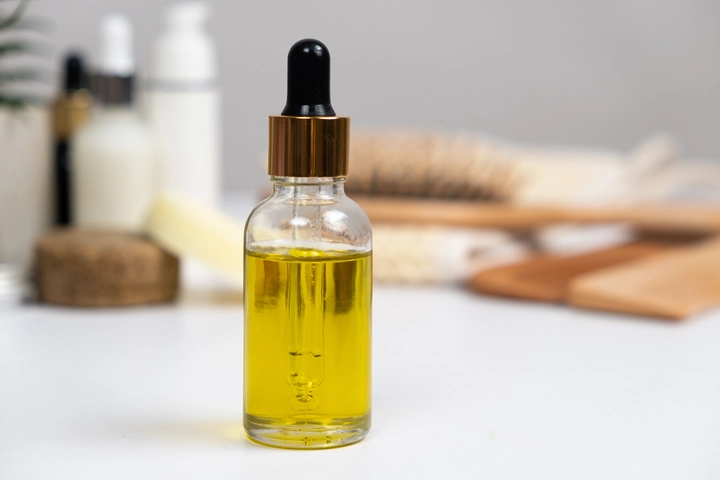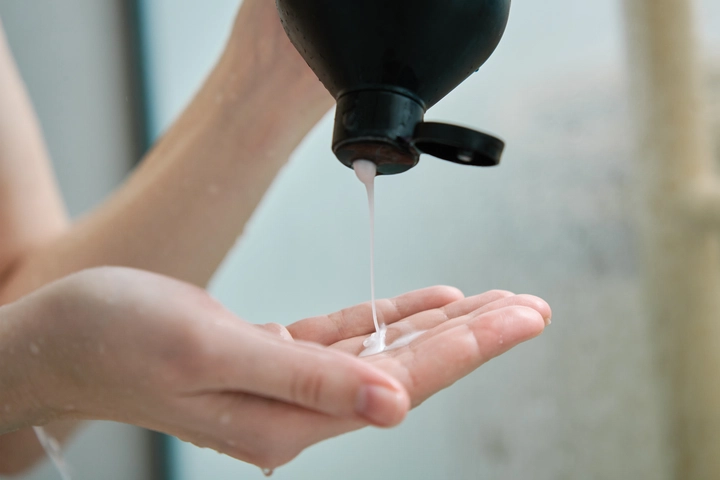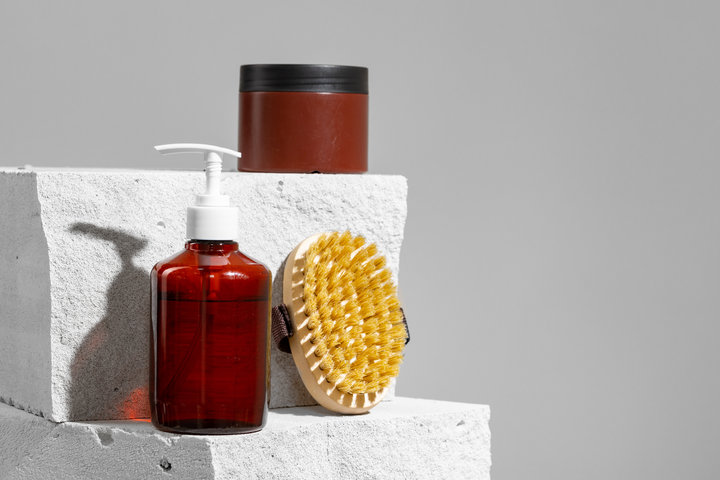
When contacting hair product manufacturers, prepare the basic information about the product, its intended market, desired results, budget, estimated order quantity, and packaging preferences. These details help the manufacturer assess feasibility, recommend a suitable development approach, and identify what is needed for a quotation. A complete formula or finalized product specification is not always necessary for an initial inquiry.
What Product Are You Looking to Develop?
Start with the product type, intended use, and target customer. These details help determine whether the project is best suited to an existing formula, an adaptation of a proven product, or custom formulation.
A useful starting brief should cover:
- Product type: Shampoo, conditioner, hair mask, leave-in treatment, hair oil, styling spray, or another hair care product.
- Intended use: Daily cleansing, deep conditioning, scalp care, heat protection, styling, or another purpose.
- Target customer: Salon clients, consumers with specific hair concerns, or another defined market segment.
- Hair type or concern: Dry, damaged, frizzy, color-treated, fine, curly, or other hair needs.
The level of detail depends on the project stage. A new brand may still be deciding which products to launch first, while an established brand may already have product specifications and performance targets.
The key is to define what the product needs to do, even if the exact formulation has not yet been decided.
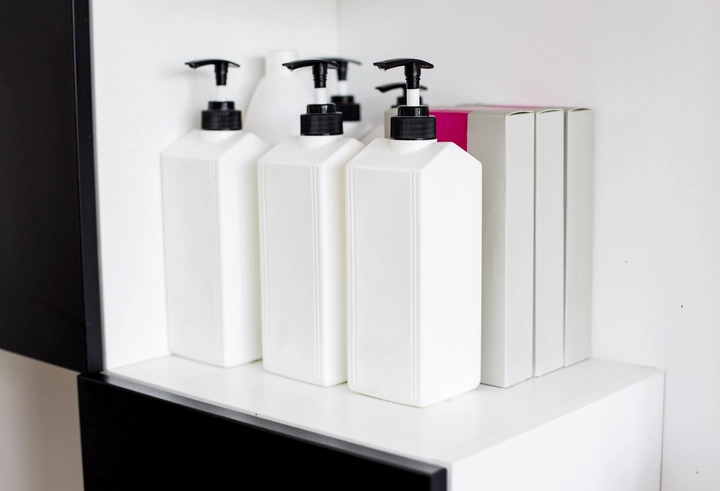
What Results and Formula Requirements Matter Most?
Describe the product’s intended performance and user experience rather than trying to develop the formula independently. Clear priorities help the manufacturer evaluate suitable formulation options and identify potential trade-offs.
Define the product’s key performance goals
Identify the two or three results that matter most. Depending on the product, these might include:
- Moisture retention and improved softness
- Smoother hair and reduced frizz
- Scalp cleansing and a fresh after-feel
- Color-care support
- Heat protection or styling performance
- Volume, hold, or improved manageability
Sensory preferences are also useful. Consider whether the product should feel lightweight or rich, produce abundant or moderate foam, rinse easily, have a particular fragrance direction, or leave a specific finish on the hair.
These preferences may involve trade-offs. For example, a rich conditioning feel and a lightweight finish may require different formulation approaches. Identifying the highest-priority results helps the development team determine which characteristics can be balanced within the same product.
Share ingredient preferences and reference products
Communicate any required ingredients, ingredient restrictions, or other formulation preferences. Distinguish mandatory requirements from preferences so the manufacturer can understand where alternatives may be acceptable.
A reference product, ingredient list, photograph, or physical sample can also clarify expectations, especially when describing texture, fragrance, application, or after-feel is difficult.
However, a reference product does not guarantee an identical formula or performance. Raw materials, formulation systems, manufacturing processes, and market requirements can affect what is achievable. Explain which characteristics matter most so the manufacturer can assess the practical options.

Where Will the Product Be Sold?
Identify the intended sales markets early because regional requirements can affect formulation, labeling, product claims, testing, and documentation.
Before the initial inquiry, share the following information where available:
- Target countries or regions: Identify the planned launch markets and any expected expansion markets.
- Product claims: Describe the benefits the brand intends to communicate on the label and in marketing materials.
- Known restrictions: Share ingredient restrictions, customer requirements, or market-specific standards already identified.
- Documentation needs: Note any known requirements for safety assessments, stability information, ingredient documentation, or export records.
Requirements depend on the intended use, claims, ingredients, product classification, and destination market. A formula or label direction that is suitable for one market may need further assessment before it can be used in another.
For this reason, market information should be provided before the formulation and packaging are finalized. If specific claims are planned, discuss them early so the product’s formulation, supporting evidence, and labeling approach can be evaluated together.
What Is Your Target Budget and Order Quantity?
Provide a target budget and estimated order quantity, even if neither figure is final. These figures help assess whether the proposed formula, packaging, customization, and production arrangement are commercially realistic.
Information to prepare
| Item | What to share |
|---|---|
| Budget | Target unit cost or budget range |
| First order | Estimated quantity or realistic range |
| Future demand | Expected repeat orders or planned expansion |
| Customization priorities | Features that must be retained versus those open to adjustment |
A fixed budget may require trade-offs between formula requirements, packaging finishes, and customization. An estimated order quantity also helps identify whether the selected packaging is practical, since customized bottles, printing, and color boxes may have their own minimum order requirements.
Mountain Sea MOQ: Private label hair care products generally start at 500 units per product, although the final MOQ depends on the product, formula, packaging, and customization. This starting point should not be treated as a universal minimum for every configuration.
The most useful inquiry provides a realistic commercial range and identifies the features that matter most. This gives the manufacturer a clearer basis for evaluating feasibility and preparing a relevant quotation.
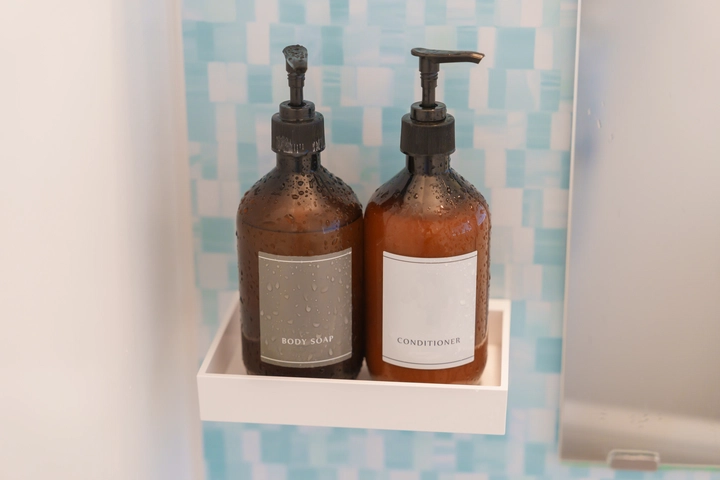
What Packaging and Branding Do You Have in Mind?
Share your preferred packaging format and branding direction, even if the final design is not ready. Packaging affects product compatibility, cost, production feasibility, and the finished product’s presentation.
Packaging information to prepare
- Container type: Bottle, jar, tube, pump bottle, spray bottle, or another format.
- Capacity: Intended fill volume or preferred size options.
- Material and appearance: Preferred material, color, finish, and visual direction.
- Dispensing format: Pump, flip-top cap, spray actuator, dropper, or another closure.
- Branding: Logo placement, label design, direct printing, and decorative finishes.
- Outer packaging: Color box design, carton dimensions, printed artwork, and any additional packaging components.
If the brand already has packaging artwork or technical specifications, share them with the manufacturer. If the design is still open, reference images or examples of comparable packaging can help communicate the intended look and feel.
Formula and packaging compatibility
The container must suit the formula’s viscosity, dispensing needs, and compatibility requirements. A bottle that looks appropriate in a design presentation may not work well for a thick hair mask or a product intended for spray application.
Customization, MOQ, and lead time
Standard packaging options may offer a more straightforward route for an initial launch. Custom colors, printing, decorative finishes, and specially designed color boxes can involve additional coordination, supplier minimums, and lead time.
The goal at the inquiry stage is not to finalize every component. It is to provide enough direction for the manufacturer to identify practical options and flag decisions that may affect cost or timing.
What Should You Include in Your Initial Product Brief?
A concise product brief organizes the essential information into a format the manufacturer can review quickly. It does not need to be a complete technical specification; clarity matters more than length.
Initial product brief checklist
| Item | What to include |
|---|---|
| Product concept | Product type, intended use, and target customer |
| Desired results | Main performance goals and sensory preferences |
| Formula requirements | Ingredient preferences, restrictions, or known specifications |
| Target market | Countries or regions where the product will be sold |
| Budget and quantity | Target unit cost or budget range and estimated first order |
| Packaging direction | Container type, capacity, branding, and outer carton preferences |
| Reference materials | Product links, photographs, ingredient lists, samples, or existing specifications |
| Open questions | Details that remain undecided or need the manufacturer’s input |
Where possible, distinguish confirmed requirements from preferences and open decisions.
For example, a requirement to avoid a particular ingredient is different from a preference for a certain fragrance if suitable alternatives are available. This distinction helps the manufacturer understand which specifications must be met and where there is room to recommend alternatives.
If a reference product is included, explain what it is intended to communicate: performance, texture, fragrance, packaging, or overall positioning. Specific observations are more useful than a general request to create something similar.
A strong product brief should make three things clear: what the product needs to achieve, what commercial requirements it must meet, and which decisions remain open.

What If You Haven’t Finalized All the Details?
You can contact a manufacturer before every product decision is finalized. What matters is separating confirmed requirements from details that still need to be explored.
Information already known
- Product type and intended customer
- Main performance goals
- Target sales market
- Budget range and estimated order quantity, if available
Information that may still be open
- Exact formula or ingredient selection
- Final fragrance and sensory profile
- Bottle, pump, label, or color box design
- Final unit cost and confirmed order volume
Not every open decision creates the same level of risk. A brand can still be deciding between a pump bottle and a flip-top cap, but a firm budget limit or market-specific requirement should be communicated early because it can restrict the available options.
The appropriate development route also depends on the service required. Private label hair care projects may begin with an existing formula, while custom formulation usually involves further development discussions and sample evaluation. OEM manufacturing based on a client’s formula depends on the availability and completeness of the supplied formula and specifications.
An initial inquiry should establish the product’s direction and identify the decisions that need to be resolved before a reliable quotation or development plan can be prepared.
Start with Your Product Requirements
A productive inquiry does not require every technical detail to be finalized. It requires a clear product objective, realistic commercial expectations, and enough information to assess the project’s feasibility.
Mountain Sea supports private label hair care development and manufacturing, from proven formulas to custom formulation and production support. Share the product concept, target market, estimated quantity, and current packaging ideas to start a discussion about suitable options for the project.