Choosing the right private label hair conditioner manufacturer requires more than comparing prices, MOQs, or factory credentials. A suitable manufacturing partner should have the formulation expertise, product development capabilities, and production resources to turn a brand’s product requirements into finished conditioners that meet its target market expectations. Evaluating these capabilities before placing an order helps reduce development risks and establish a more reliable supply partnership.
1. Define Your Conditioner Product Requirements
Before evaluating manufacturers, brands should establish what type of conditioner they intend to develop and what the finished product needs to achieve. Clear product requirements make it easier to assess whether a manufacturer’s formulation experience and production capabilities match the project.
Conditioners vary considerably in their formulations, textures, application methods, and intended benefits. A manufacturer experienced in producing conventional rinse-off conditioners may not necessarily have the expertise to develop every specialized conditioner format.
Start by defining three aspects of the product:
Product Type
Determine the specific conditioner format that fits the intended product line. Common options include:
- Rinse-Off Conditioner: Designed for regular use after shampooing, with an emphasis on detangling, softness, and manageability.
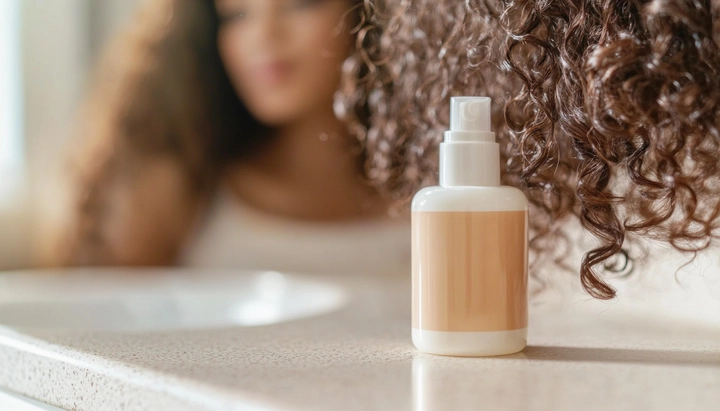
- Leave-In Conditioner: Applied without rinsing and commonly developed in spray, lotion, or cream formats for ongoing conditioning and easier styling.
- Deep Conditioner: Typically features a richer formulation designed for more intensive conditioning and dry or damaged hair care routines.
Target Hair Type and Performance
Identify the primary consumer needs the product should address. For example, conditioners developed for dry, damaged, curly, or color-treated hair may require different conditioning approaches and formulation priorities.
Texture and Sensory Preferences
Consider the desired viscosity, spreadability, absorption, fragrance, and after-feel. A lightweight conditioner intended for fine hair has different formulation requirements from a rich conditioning treatment designed for coarse or highly processed hair.
These specifications do not need to be finalized before contacting a manufacturer. However, having a clear product direction provides a practical starting point for evaluating potential suppliers and discussing development options.
2. Evaluate Conditioner Formulation and Development Capabilities
Formulation expertise is one of the most important factors when selecting a private label hair conditioner manufacturer. The ability to produce a basic conditioner does not automatically mean a supplier can develop specialized formulations or adapt existing products to meet different brand requirements.
A manufacturer’s product development capabilities should be evaluated based on its formulation range, ingredient knowledge, and ability to adjust formulas according to the intended product performance.
Product Type and Formulation Experience
Look beyond the number of products listed in a manufacturer’s catalog. Consider whether its formulation portfolio covers the types of conditioners relevant to the brand’s plans.
For example, developing a private label leave-in conditioner involves different considerations from producing a conventional rinse-off product. Leave-in formulations must deliver conditioning benefits without requiring rinsing, while maintaining suitable spreadability, residue levels, and compatibility with the intended application format.
Deep conditioners also require a different formulation approach, particularly when the product is positioned around richer conditioning, improved manageability, or intensive hair care.
A manufacturer’s experience across these categories provides a better indication of its ability to support different product development requirements.
Ingredient Selection and Formula Customization
Ingredient selection should follow the intended product performance rather than simply relying on popular ingredient names.
For example, a private label argan oil conditioner may use argan oil as part of its nourishing product positioning. However, the overall conditioning performance also depends on the complete formulation, including conditioning agents, emollients, moisturizing components, and the balance between different ingredients.
When evaluating a manufacturer’s customization capabilities, consider whether it can adjust:
- Conditioning agents and emollient systems.
- Plant oils and other nourishing ingredients.
- Moisturizing components and functional ingredients.
- Fragrance, viscosity, and product texture.
- The overall formulation to achieve the intended hair feel and application experience.
A nourishing conditioner, for instance, should not simply contain more oils or heavier ingredients. The formulation needs to balance conditioning performance with spreadability, rinseability, and the desired finish.
Formulation Resources and Development Options
Brands may have different starting points. Some already have a clear formulation reference, while others need guidance in selecting suitable ingredients and product characteristics.
A capable development partner should be able to discuss different approaches, such as:
- Selecting an existing formula from an established formulation portfolio.
- Adjusting an existing formula to meet specific requirements.
- Developing a custom formula for a more distinctive product concept.
- Using an existing product sample as a reference for formulation development.
Mountain Sea provides existing formula selection, formula adjustments, custom formulation development, and reverse sample replication support for private label hair care projects. With more than 7,000 proven and ready-to-brand formulas, its formulation portfolio gives brands different starting points for developing conditioner products.
The key consideration is not simply how many formulas a supplier has, but whether its development resources can accommodate the product requirements and level of customization involved.

3. Assess Sample Development and Product Testing
Sample development is where a proposed formulation becomes an actual product that brands can evaluate. A reliable manufacturer should provide a clear process for preparing samples, collecting feedback, making adjustments, and confirming the formula before bulk production.
A formula description or ingredient list cannot fully demonstrate how a conditioner will perform in practice. The sample evaluation process should therefore cover several aspects.
Formula Performance and User Experience
Evaluate samples against the original product requirements, including:
- Texture, viscosity, and ease of application.
- Hair softness, smoothness, and detangling performance.
- Rinseability and residual feel for rinse-off products.
- Spreadability and residue for leave-in formulations.
- Fragrance and overall sensory experience.
These factors should be assessed together. For example, a rich conditioner may provide a desirable conditioning feel but could be too heavy for a product intended for fine hair.
Formula Adjustments and Sample Approval
Initial samples may not fully match the intended product specifications. Brands should establish whether the manufacturer can adjust the formula based on feedback and provide revised samples for evaluation.
Changes to fragrance, viscosity, conditioning ingredients, or other formulation characteristics may affect the overall product balance. Each revision should therefore be evaluated as a complete formulation rather than as an isolated ingredient change.
The final approved sample should serve as the reference for subsequent production.
Stability and Packaging Compatibility
Formula approval alone is not sufficient to confirm that a product is ready for commercial production.
Stability testing helps assess whether the formulation maintains its intended characteristics under defined storage conditions. Packaging compatibility testing evaluates how the formula interacts with the selected container and dispensing components.
These checks are particularly important when a conditioner has a thick consistency, contains oils, or uses a packaging format with specific dispensing requirements.
A manufacturer with a clear testing and approval process can help identify potential issues before they affect a larger production batch.
4. Review Manufacturing and Quality Control Capabilities
A manufacturer must be able to reproduce the approved conditioner formula consistently and handle the required order volume. Production capacity, MOQ, manufacturing controls, and batch consistency are more useful evaluation criteria than factory size alone.
Production Capacity and MOQ
The minimum order quantity should match the brand’s purchasing plans and expected sales volume.
For example, a new conditioner product may require a smaller initial order to test market acceptance, while an established brand may need larger production runs and a more predictable replenishment schedule.
When reviewing manufacturing capacity, consider:
- Minimum order quantities for existing and customized formulas.
- Available filling and packaging production capacity.
- Ability to accommodate different product specifications.
- Capacity to support repeat orders as demand increases.
Mountain Sea offers a standard MOQ of 500 pieces for its private label hair care projects, with actual requirements depending on the product and customization scope.
For brands planning bulk private label hair conditioner orders, it is also important to confirm whether the manufacturer’s production arrangements can accommodate the required volume and packaging specifications.
Production Lead Time and Scalability
Production lead time should be evaluated in relation to the entire project schedule, not just the time required for filling and labeling.
Before bulk production begins, the formula and packaging usually need to be confirmed. Delays in sample approval, packaging procurement, or specification changes can affect the planned delivery date.
A clear production schedule should identify the main project milestones, including formula confirmation, packaging preparation, bulk manufacturing, quality checks, and shipment arrangements.
Brands should also consider whether the supplier can support increasing order volumes without compromising production consistency or delivery planning.
Batch Consistency and Manufacturing Control
Maintaining consistent product quality across production batches is essential for brands that rely on repeat purchases.
Changes in viscosity, fragrance, appearance, or conditioning performance can affect the consumer experience and create difficulties when replenishing inventory.
Evaluate whether the manufacturer has established procedures for:
- Raw material and incoming packaging inspection.
- Production process monitoring.
- Finished-product quality checks.
- Batch identification and traceability.
- Documentation and quality records.
Certifications such as ISO 22716 and GMP-related manufacturing standards can provide additional evidence of an established quality management framework. However, certifications should be considered alongside actual production controls rather than as a substitute for evaluating manufacturing performance.
5. Evaluate Packaging and Branding Support
Packaging is another important consideration when choosing a private label conditioner manufacturer. The supplier should be able to provide packaging options that suit the formulation, product positioning, dispensing requirements, and overall brand identity.
Conditioners often have thicker textures than many other liquid hair care products. This makes packaging selection particularly relevant because the container and dispensing system need to work with the finished formula.
Stock and Custom Packaging Options
Stock packaging can be a practical choice for brands seeking a more straightforward product launch. It generally offers more readily available options and can reduce the additional development work associated with custom containers.
Custom packaging provides greater flexibility in bottle shape, material, color, and overall appearance, but may involve additional tooling, higher minimum quantities, and longer procurement schedules.
The appropriate choice depends on the brand’s positioning, budget, launch timeline, and expected order volume.
Packaging Compatibility and Branding Execution
Packaging should be assessed together with the approved conditioner formula.
For thicker conditioners, pump performance and product dispensing are particularly important. Brands should consider whether the selected packaging allows the product to be dispensed conveniently throughout its intended use.
Other factors include:
- Bottle and closure compatibility.
- Leakage and sealing performance.
- Label adhesion and printing quality.
- Packaging durability during transportation.
- Consistency across the product range.
Mountain Sea supports private label packaging selection, custom packaging coordination, label and logo printing, filling, and labeling. Having these services coordinated with product manufacturing can simplify project communication and reduce the risk of mismatches between formula and packaging specifications.
6. Consider Long-Term Product Development and Supply Needs
A manufacturing partner should be suitable not only for the first conditioner launch but also for the brand’s potential development plans. Evaluating future product expansion and ongoing supply capabilities can help avoid unnecessary supplier changes as the business grows.
Expansion into Complementary Hair Care Products
Brands may initially focus on one conditioner product before expanding into a broader hair care collection.
For example, a brand launching a moisturizing conditioner may later introduce a matching shampoo to create a coordinated hair care routine. Developing private label shampoo and conditioner products with the same manufacturing partner can make it easier to coordinate product positioning, fragrance direction, packaging styles, and overall product presentation.
Other possible extensions include hair masks, hair oils, leave-in treatments, and specialized scalp care products.
A supplier with experience across different hair care categories may offer more flexibility when these opportunities arise.
Ongoing Production and Supply Coordination
Product expansion is only one part of a long-term manufacturing relationship. Reliable replenishment is equally important once a product establishes consistent demand.
Consider whether the manufacturer can maintain approved product specifications across repeat orders, coordinate raw materials and packaging procurement, and provide clear communication about production schedules.
Brands should also understand how the manufacturer handles formula revisions, packaging changes, and specification updates. These details become increasingly important when a product range includes multiple SKUs or is sold across different markets.
A manufacturing partner that can support both product development and ongoing production provides greater continuity as a brand moves beyond its initial launch.
Conclusion
Choosing the right private label hair conditioner manufacturer means looking beyond basic production capabilities. Formulation expertise, sample development, testing, manufacturing consistency, and packaging support all influence whether a supplier can deliver the product a brand intends to sell.
Mountain Sea supports hair care brands with established conditioner formulas, formula customization, custom development, sample preparation, packaging, and bulk manufacturing. Whether developing a daily conditioner, leave-in treatment, or deep conditioning product, brands can discuss their requirements with the Mountain Sea team to identify suitable development options.
Contact Mountain Sea to discuss your private label conditioner project and explore how we can support your product development and manufacturing needs.