When starting a new product business, many entrepreneurs come across the terms private label and white label. Although these two concepts are often used together, they represent different approaches to developing and selling products under your own brand.
The main difference between private label and white label is the level of customization. White label products are usually ready-made products that multiple businesses can sell under their own brands, while private label products typically offer more opportunities for customization to better match a specific brand’s needs.
Understanding the difference can help businesses choose the right approach based on their goals, budget, timeline, and desired level of product differentiation.
What Is White Label?
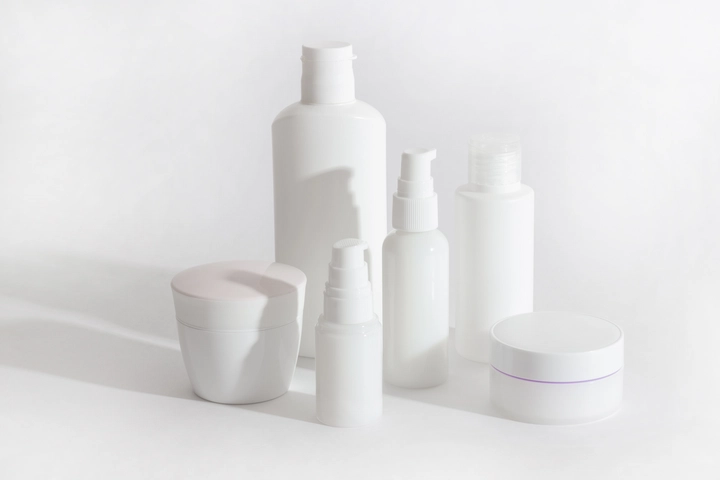
White label refers to a business model where a manufacturer creates ready-made products that can be sold by multiple brands under their own names.
In a white label model, the product is already developed before a brand places an order. The manufacturer usually creates the formula, design, or product concept, and businesses can add their own branding elements, such as logos or labels, before selling the product.
For example, a hair care manufacturer may already have a ready-made moisturizing shampoo formula. Different companies can purchase the same shampoo, add their own brand names, and sell it to their customers.
The final products may look different because each brand uses different:
- Brand names
- Labels
- Marketing messages
- Retail channels
However, the core product is usually the same or requires only minor adjustments.
Key Features of White Label
Ready-Made Products
White label products are developed in advance by manufacturers. Businesses do not need to spend significant time creating a new formula or developing a product from the beginning.
This makes white label a practical option for companies that want to enter the market quickly.
Limited Customization
White label solutions usually focus on speed and efficiency rather than deep customization.
Depending on the manufacturer, customization may include:
- Logo printing
- Label design
- Packaging selection
- Minor product adjustments
However, the core formula and product concept generally remain unchanged.
Faster Market Launch
Because the product development process has already been completed, businesses can launch faster compared with fully customized product development.
White label can be suitable for:
- New businesses testing a market
- Online sellers looking for faster product launches
- Companies with limited initial investment
What Is Private Label?
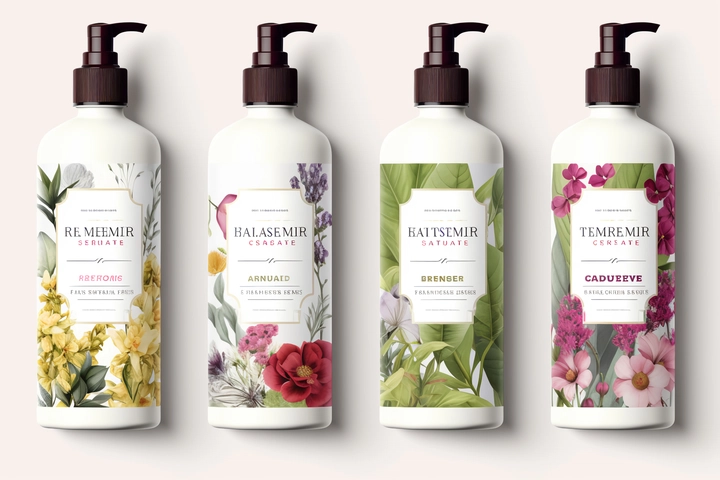
Private label refers to a business model where products are manufactured specifically for a brand, often with more flexibility in customization and product development.
Unlike white label, private label allows businesses to create products that better represent their own brand positioning, target customers, and market strategy.
A private label product may start from:
- An existing manufacturer formula
- A modified formula
- A completely customized formulation
depending on the brand’s requirements and the manufacturer’s capabilities.
For example, a hair care brand may want to develop a repairing shampoo designed for damaged hair. The brand may work with a manufacturer to customize:
- Hair care benefits
- Ingredients
- Fragrance
- Texture
- Packaging
- Brand positioning
The final product is developed around that specific brand’s needs.
Key Features of Private Label
More Customization Options
The biggest difference between private label and white label is the level of customization.
Private label allows brands to have more control over different product elements, including:
- Formula selection
- Functional ingredients
- Fragrance profile
- Product texture
- Packaging design
- Product appearance
This helps brands create products that are more unique in their target market.
Stronger Brand Differentiation
For businesses that want to build a long-term brand, private label can provide more opportunities to create products that match their identity.
Instead of selling a similar product that many other businesses may offer, brands can develop products with their own positioning and customer experience.
Longer Development Process
Because private label products may involve more customization, the development process usually requires more time than white label products.
The process may include:
- Product consultation
- Formula adjustment
- Sample development
- Testing and approval
- Packaging confirmation
- Mass production

Private Label vs White Label: Key Differences
Although both private label and white label allow businesses to sell products under their own brand names, the main difference is how much control and customization a brand has during product development.
| Feature | Private Label | White Label |
|---|---|---|
| Definition | Products developed for a specific brand with customization options | Ready-made products sold by multiple brands |
| Product Development | Customized or modified based on brand requirements | Already developed by the manufacturer |
| Formula | Existing formula modification or custom formulation possible | Usually fixed formula |
| Customization Level | Higher | Limited |
| Brand Differentiation | Stronger | Lower |
| Launch Speed | Requires more development time | Faster market entry |
| Initial Investment | Usually higher | Usually lower |
| Best For | Brands seeking unique products and long-term positioning | Businesses looking for quick and simple product launches |
The right choice depends on what a business wants to achieve. Companies that prioritize speed and lower upfront costs may prefer white label solutions, while brands that want stronger differentiation may consider private label solutions.
Private Label and White Label Products and Services
After understanding the basic difference between private label and white label, the next question many businesses have is how these two models apply in actual product development and manufacturing.
In practice, both private label and white label can involve different types of products and services. The main difference is not the product category itself, but the level of customization, development support, and manufacturing involvement behind the product.
The following table provides a clearer comparison:
| Private Label Products & Services | White Label Products & Services | |
|---|---|---|
| Product Approach | Products developed or customized for a specific brand | Ready-made products that can be sold under different brand names |
| Product Examples | Customized shampoo, conditioner, hair mask, hair oil, or styling products | Existing shampoo, hair oil, hair mask, or other ready-made products |
| Formula Options | Existing formula modification or custom formula development | Mainly existing formulas with limited adjustments |
| Packaging Options | Custom bottles, labels, cartons, and brand design | Standard packaging with branding options |
| Development Support | Product consultation, sampling, formula adjustment, and product development | Product selection, branding, labeling, and production support |
| Best Fit | Brands looking to build a unique product line | Businesses looking for a faster market entry solution |
Both approaches can help businesses launch products under their own brand names. The right choice depends on how much control a business wants over product development and how quickly it wants to enter the market.

How to Choose the Right Manufacturer for Your Brand?
After understanding private label and white label, many businesses start searching for a suitable manufacturer. At this stage, the question is often not simply:
“Should I choose a private label manufacturer or a white label manufacturer?”
The more important question is:
Can the manufacturer provide the right solution based on my product goals, budget, and level of customization needs?
In the real market, many experienced manufacturers offer both private label and white label solutions. A manufacturer may provide ready-made products for brands that need a faster launch, while also supporting customized product development for businesses that want more control over their products.
Therefore, when evaluating a manufacturing partner, businesses should focus on the manufacturer’s actual capabilities rather than only the terminology they use.
1. Product Development Capability
A reliable manufacturer should be able to clearly explain what level of product development support they provide.
Depending on your needs, this may include:
- Ready-made formulas
- Formula modification
- Custom formulation
- Ingredient recommendations
- Sample development
A manufacturer with strong development capabilities can help you choose the right approach based on your brand goals.
2. Manufacturing Experience and Production Capacity
Product quality depends not only on the formula but also on the manufacturer’s production capabilities.
Important factors to consider include:
- Manufacturing experience
- Quality control systems
- Production standards
- Facility capabilities
- Production capacity
A professional manufacturer should have the ability to consistently produce products that meet your quality expectations.
3. Customization and Branding Support
For many brands, creating a strong identity requires more than simply adding a logo.
Consider whether the manufacturer can support:
- Packaging selection
- Label printing
- Product design
- Fragrance options
- Product specifications
The more flexible the manufacturer is, the easier it is to develop products that match your brand positioning.
4. Business Requirements and Long-Term Support
The best manufacturing partner is not always the one offering the lowest price or the fastest production.
Brands should also consider:
- Minimum order quantity (MOQ)
- Development timeline
- Communication process
- Regulatory support
- Shipping and logistics assistance
A manufacturer that understands your business goals can provide better long-term support as your brand grows.

Conclusion
Private label and white label are two common approaches that allow businesses to launch products under their own brand names. White label focuses on ready-made solutions with limited customization, making it suitable for businesses that want a faster and simpler way to enter the market. Private label provides more flexibility for brands that want greater control over product development and stronger product differentiation.
However, when choosing a manufacturing partner, the most important factor is not simply whether a company calls itself a private label manufacturer or a white label manufacturer. Many experienced manufacturers can support both types of projects. The key is finding a partner that has the right capabilities, understands your requirements, and can provide a solution that matches your business goals.
At Mountain Sea, we provide flexible hair care manufacturing solutions, including ready-made white label options and customized private label development. From formula development and sample creation to packaging, production, and global logistics, we help brands turn product ideas into market-ready hair care products. Contact Mountain Sea today to discuss your private label or white label project.