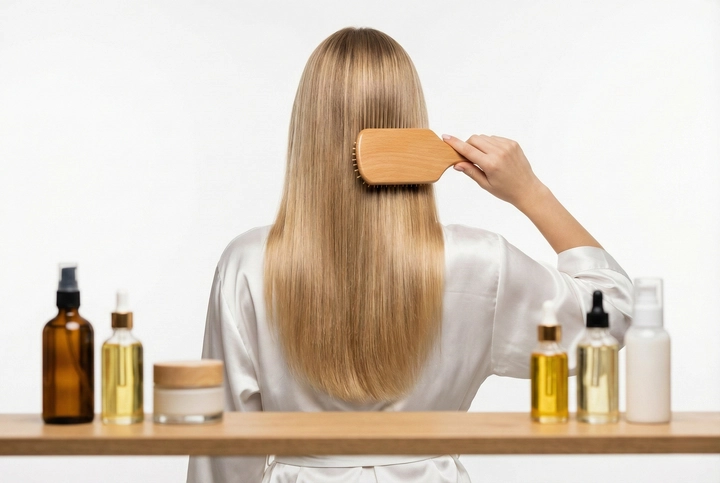
Hair care consumer trends are increasingly shaped by different consumer priorities across North America and Europe. North American shoppers show strong interest in scalp health, hair loss, personalization, and targeted performance, while European consumers place greater emphasis on ingredient transparency, formulation quality, safety, and premium positioning. Both markets, however, are moving toward more targeted and health-focused hair care routines.
Why the North American Hair Care Market and European Hair Care Market Are Different
The North American and European hair care markets share many global influences, including social media, ingredient education, premiumization, and the shift toward scalp health. However, consumer expectations are not identical.
North America is a broad market that includes the United States, Canada, and Mexico, so preferences vary by country, hair type, age, and consumer segment. The United States provides particularly strong evidence of growing interest in hair health: a 2025 YouGov survey found that 86% of Americans use shampoo or conditioner, while 18% use serums, masks, or leave-in products. Thinning and shedding were among the most commonly reported significant hair concerns.
Europe is equally diverse, and consumer behavior differs between markets such as the UK, France, Germany, Italy, and the Nordic countries. For brands, the important point is not to treat Europe as a single consumer group. Instead, European product strategies should account for local preferences while meeting the regulatory expectations of the specific markets being targeted.
Several factors help explain the differences:
- Consumer priorities: Hair loss, scalp concerns, convenience, and visible results can be strong drivers in North America, while ingredient knowledge, formulation quality, and product transparency are particularly important considerations in many European markets.
- Regulatory environment: EU markets operate under detailed cosmetic requirements that influence formulation, ingredient selection, claims, and product documentation.
- Beauty culture: Salon expertise, social media, dermatological positioning, and premium beauty all influence purchasing decisions, but their relative importance varies between countries.
- Product positioning: Brands may use different claims, formats, packaging, and price points for the same underlying product concept.
These differences do not mean that one market wants “science” and the other wants “natural” products. Both markets increasingly expect products to deliver credible benefits. The difference is often how those benefits are communicated and which consumer problem the product is designed to solve.
North American Hair Care Trends vs. European Hair Care Trends at a Glance
North American hair care trends and European hair care trends overlap in several areas, but the emphasis can differ by market and consumer segment.
| Consumer Trend | North America | Europe |
|---|---|---|
| Scalp health | Strong and highly visible growth area | Growing, especially in targeted and sensitive-scalp care |
| Hair loss & thinning | Major consumer concern | Growing interest in preventative and targeted care |
| Personalization | Strong interest in customized routines and solutions | Growing through hair-type and concern-specific products |
| Ingredient awareness | Increasingly important | Particularly strong emphasis on transparency and formulation |
| Clean beauty | Established consumer expectation | Strong, with greater focus on substantiation and compliance |
| Treatment products | Strong demand for visible, targeted results | Strong growth in premium and specialized treatments |
| Premiumization | Consumers seek performance and value | Premium and niche positioning remain important |
| Natural/organic positioning | Important in selected consumer segments | Strong in many markets, especially where certification and transparency matter |
| Product formats | Serums, oils, leave-ins, scalp treatments, multifunctional products | Treatments, masks, scalp products, premium formats, and ingredient-led products |
| Digital influence | Social commerce, DTC, creators, and online education | Social media, influencers, e-commerce, and salon recommendations |
The comparison should be viewed as a directional framework rather than a rule for every consumer. Within both regions, hair texture, age, income, lifestyle, and specific hair concerns can be stronger purchase drivers than geography alone.
Related Reading: Selling Hair Care Products in the US Market: What Brands Need to Know
1. Scalp Health and Hair Loss
Scalp care has moved from a niche category toward a more visible part of mainstream hair care. Consumers increasingly view the scalp as an important part of overall hair health rather than simply the surface where shampoo is applied.
In North America, hair loss, thinning, shedding, dryness, dandruff, and scalp buildup create clear opportunities for targeted products. YouGov found that thinning and shedding were each reported as significant concerns by 11% of surveyed US adults, while many more experienced these problems to a lesser degree. Consumers experiencing hair changes also frequently turn to everyday products such as serums, oils, and similar solutions rather than immediately seeking clinical intervention.
This creates opportunities for private label hair products such as:
- Scalp serums
- Hair growth-oriented treatments
- Thickening shampoos
- Scalp exfoliators
- Anti-dandruff products
- Lightweight scalp oils
- Leave-on scalp treatments
The European market is also moving toward scalp-focused care. Industry analysis points to growing adoption of scalp serums and treatments, alongside a broader shift toward skincare-inspired hair care. Amazon tracking cited by CosmeticsDesign-Europe showed substantial growth in scalp serum and treatment listings between 2022 and 2025.
For brands, the opportunity is not simply to launch another “scalp care” product. The stronger approach is to identify a specific concern—such as oily scalp, dryness, sensitivity, buildup, or thinning—and develop a formula, format, and claim strategy around it.

2. Personalization and Targeted Hair Care
Personalization is becoming less about offering an entirely unique formula to every customer and more about helping consumers find products that match their specific hair characteristics and concerns.
North American shoppers are already accustomed to highly segmented beauty products. A brand may differentiate products according to hair type, scalp condition, damage level, curl pattern, color treatment, or styling needs. Digital quizzes, consultations, creator recommendations, and educational content can then help consumers choose the appropriate routine.
The same direction is emerging across Europe, although the execution varies by country. UK market research highlights growing consumer interest in hair porosity, scalp concerns, ingredients, treatments, and format innovation, while also emphasizing that consumers need clear guidance to understand the benefits of products.
For a private label hair care brand, personalization can therefore be implemented at several levels:
- Consumer segmentation — products for specific hair types or concerns.
- Formula selection — different active ingredients or performance profiles.
- Routine design — shampoo, conditioner, mask, serum, and treatment combinations.
- Communication — clear product education based on a defined consumer problem.
- Packaging — visual differentiation between targeted product variants.
This approach can be more commercially practical than developing dozens of completely different formulas. A focused product family can create the perception of personalization while keeping manufacturing and inventory manageable.
3. Clean Beauty and Ingredient Transparency
Clean beauty is no longer simply about placing “natural” language on a bottle. Consumers are becoming more familiar with ingredients, while regulators and industry stakeholders are paying closer attention to how cosmetic claims are substantiated.
In North America, ingredient-conscious consumers commonly look for attributes such as sulfate-free, paraben-free, plant-based, or naturally derived formulations. However, these preferences vary considerably between consumer groups. A performance-focused shopper may care more about whether a formula reduces breakage or improves scalp comfort than whether it fits a broad clean-beauty label.
European consumers are often more attentive to ingredient transparency, formulation standards, sourcing, and product safety. The regulatory environment also has a direct influence on product development. Recent EU regulatory changes have required brands to reassess ingredients, formulations, supply chains, and claims, making compliance an important part of product strategy rather than a final administrative step.
For brands targeting Europe, this means product development should consider:
- Ingredient restrictions and regulatory status
- Product safety documentation
- Ingredient labeling
- Claims substantiation
- Responsible sourcing information
- Product notification and market-specific requirements
Ingredient transparency also creates an opportunity. Consumers are increasingly researching what ingredients do and why they are included. Industry research notes that ingredient-led hair care is expanding as shoppers become more knowledgeable, while vague “clean” or “natural” claims face greater scrutiny.
The stronger strategy is therefore to explain what an ingredient does, why it is included, and how the finished formula delivers the intended benefit.
Related Reading: EU Hair Care Product Requirements for Private Label Brands

4. Treatment-Led Hair Care
Hair care is increasingly moving beyond basic cleansing and conditioning. Consumers are building routines around specific outcomes, including repair, hydration, frizz control, scalp balance, color protection, and strengthening.
This shift is closely related to the “skinification” of hair care. Skincare-inspired ingredients and concepts—including ceramides, hyaluronic acid, niacinamide, barrier care, and serum formats—are being adapted for hair and scalp products. Industry reporting has identified ingredient-led formulations and scalp-focused formats as major areas of hair care innovation heading into 2026.
Common treatment-led formats include:
- Intensive hair masks
- Bond-repair treatments
- Hair oils and serums
- Leave-in conditioners
- Scalp serums
- Pre-shampoo treatments
- Anti-frizz treatments
- Color-protection treatments
North American brands can use treatment products to address highly visible consumer problems and demonstrate clear performance. In Europe, treatment-led products can also support premium positioning when the formula, ingredients, texture, packaging, and claims work together.
The key change is that consumers are not necessarily asking, “Which shampoo should I buy?” They are increasingly asking, “What does my hair need right now?”
That shift creates opportunities for brands to build complete routines instead of relying on a single hero product.
5. Premiumization and Value
Premiumization does not simply mean selling a more expensive shampoo. It means giving consumers a clear reason to believe that a product deserves a higher price.
Across the global category, premium hair care has been a significant growth driver, with ingredient-led formulas, efficacy, advanced technologies, and skincare-inspired positioning helping brands justify higher price points. At the same time, mass-market companies are adopting similar concepts, making premium claims increasingly common.
North American consumers remain conscious of value. YouGov found that the most common reported monthly hair care spending range among US adults was $1–$50, while higher-income consumers were more likely to spend more on products such as conditioner and to purchase through salon channels.
This suggests that brands need to balance:
Performance + Price + Proof
A premium product should provide a recognizable benefit, a credible formulation story, and an experience that supports the price.
In Europe, premiumization can also be connected to:
- Ingredient quality
- Specialized formulations
- Professional or salon positioning
- Sensory experience
- Packaging
- Scientific or dermatological positioning
- Niche consumer needs
For private label hair care brands, the opportunity may therefore be affordable premium rather than ultra-luxury. A focused formula with strong product positioning can create a premium perception without making the product inaccessible.
6. Product Formats and Hair Care Routines
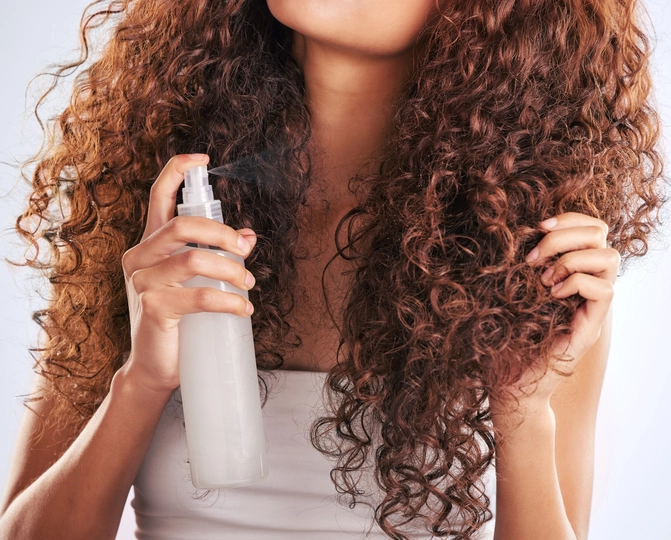
Consumer demand is expanding beyond the traditional shampoo-and-conditioner combination. More shoppers are experimenting with oils, masks, serums, leave-ins, scalp treatments, and styling products as part of broader routines.
US data illustrates this shift: 18% of surveyed Americans reported using serums, masks, or leave-in products, while 16% reported oiling their hair. Younger consumers were more likely to experiment with these additional formats.
European product development is also moving toward more specialized formats. UK market research highlights interest in treatments, styling formats, ingredients, hair porosity, and convenient products that fit busy lifestyles.
This creates several possible product architectures:
Basic Routine
Shampoo → Conditioner
Suitable for everyday hair care and mass-market positioning.
Repair Routine
Shampoo → Conditioner → Hair Mask → Leave-In Treatment
Designed for damaged, dry, or chemically treated hair.
Scalp Care Routine
Scalp Shampoo → Scalp Treatment → Scalp Serum
Suitable for brands focusing on scalp health and targeted concerns.
Premium Treatment Routine
Cleansing Product → Treatment Mask → Hair Serum → Finishing Oil
Designed around a more elevated at-home experience.
The best format depends on the target market, consumer problem, price point, and sales channel. A DTC hair care brand may have more room to educate consumers about a multi-step routine, while a mass retailer may require simpler product architecture and clearer shelf communication.
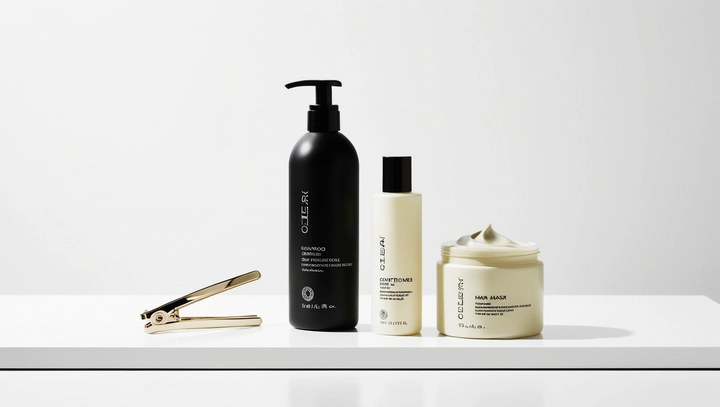
What Hair Care Brands Should Consider Before Entering Each Market
Following a global trend is not enough. A product that performs well in one market may need changes in formulation, claims, packaging, price, or positioning before entering another.
Brands should evaluate the following before developing a new product line.
1. Define the Target Consumer
Start with a specific consumer rather than a generic market.
For example:
- Women experiencing thinning hair
- Consumers with sensitive scalps
- Curly-hair consumers
- Color-treated hair users
- Men seeking simple grooming routines
- Consumers interested in natural formulations
- Premium salon-oriented shoppers
A clearly defined consumer makes subsequent product decisions much easier.
2. Identify the Core Problem
Instead of starting with an ingredient, start with a problem.
Examples include:
Dryness → moisturizing shampoo + mask
Breakage → repair treatment + leave-in
Scalp buildup → clarifying shampoo + scalp treatment
Thinning appearance → thickening shampoo + scalp serum
Frizz → smoothing conditioner + hair oil
This problem-first approach makes product positioning more relevant.
3. Adapt Claims to Consumer Expectations
The same formula may require different messaging in different markets.
A North American product might emphasize:
- Hair growth support
- Scalp health
- Strengthening
- Damage repair
- Visible results
A European product may place more emphasis on:
- Ingredient function
- Formula quality
- Sensitive scalp suitability
- Testing
- Transparency
Claims must always be reviewed against the applicable regulations and evidence requirements before launch.
4. Consider the Sales Channel
Product strategy should also reflect where consumers will buy.
DTC and e-commerce: More space for education, routines, ingredient explanations, subscriptions, and before-and-after content.
Salons: Professional recommendations, treatment performance, and stylist credibility become more important.
Retail: Packaging, shelf communication, price architecture, and quick benefit recognition matter more.
E-commerce is increasingly important for research, comparison, convenience, and replenishment, while salons continue to provide trusted expert recommendations.
5. Plan the Product Line as a System
A single product can generate interest, but a coordinated product line can create stronger brand positioning.
For example, a brand targeting scalp health could launch:
- Balancing Scalp Shampoo
- Lightweight Conditioner
- Scalp Exfoliating Treatment
- Scalp Serum
- Hair Density Treatment
This gives consumers a logical routine while creating opportunities for cross-selling and repeat purchases.
What These Trends Mean for Private Label Hair Care Brands
The current market creates opportunities for brands that can translate consumer trends into clearly defined products rather than simply copying popular ingredients.
For a private label hair care brand, product development can begin with either a validated formula or a new concept and then be adapted to the intended market.
Ready-Made Formulas
Useful for brands that want to enter the market quickly with proven product concepts.
Custom Formulation
Suitable when a brand needs a specific texture, fragrance, ingredient combination, performance profile, or market positioning.
Packaging and Branding
Bottle design, label information, color, format, and product hierarchy can be adapted to the target consumer and sales channel.
Product Line Development
Instead of launching one isolated SKU, brands can create complementary products around a consumer concern such as scalp care, repair, moisture, curl care, or hair growth.
Regulatory and Quality Support
For brands entering the EU, regulatory considerations need to be incorporated early. For North American launches, brands should likewise review applicable requirements for the target country and product category before production.
The strongest private label strategy is therefore not simply “find a trending ingredient and put it into a bottle.” It is:
Consumer need → Market positioning → Product concept → Formula → Packaging → Claims → Production
That process allows brands to respond to North American and European consumer preferences without treating either region as a single, uniform market.
Conclusion
Hair care consumer trends in North America and Europe are moving in the same broad direction—toward healthier hair, targeted solutions, ingredient awareness, and more sophisticated routines—but the priorities behind those trends can differ. North American opportunities are particularly strong around scalp health, hair loss, personalization, and performance, while European opportunities often require greater attention to formulation transparency, product safety, targeted care, and premium positioning.
For brands entering either market, the key is to turn consumer insight into a product strategy that fits the specific audience, sales channel, price point, and regulatory environment.
Mountain Sea helps hair care brands develop private label and custom hair care products for international markets, from ready-made formulations and custom development to packaging, production, quality control, and export support.
Planning a hair care product for North America or Europe? Contact Mountain Sea to discuss your product concept or request samples.