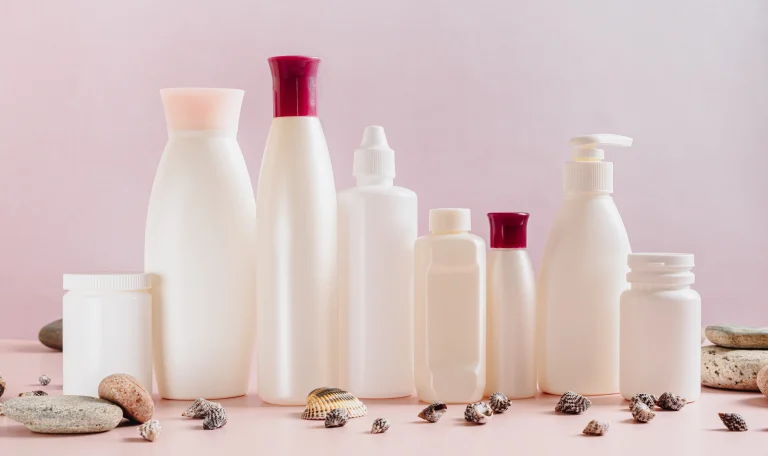
A private label hair care manufacturing service can include formula selection, custom formulation, ingredient and stability testing, packaging, sampling, manufacturing, quality control, documentation, and finished product delivery. A professional manufacturer helps brands turn a product concept into market-ready hair care products without building their own production operation.
What Is a Private Label Hair Care Manufacturing Service?
Private label hair care manufacturing allows a brand to develop and sell hair care products under its own brand name while relying on a manufacturer for product development and production. The manufacturer may provide an existing formula, modify a formula to meet specific requirements, or develop a new product based on the brand’s concept.
The scope of service varies between manufacturers. Some suppliers mainly produce ready-made products and apply a brand’s labels. Others can support several stages of product development, from formula selection and packaging to testing, production, and delivery.
For a brand, the difference matters because developing a hair care product involves more than manufacturing a batch of shampoo or conditioner. The formula, packaging, production process, testing requirements, and final product specifications all need to work together.
A typical private label project may involve:
- Product concept and formula selection
- Formula modification or custom formulation
- Ingredient selection and product testing
- Packaging and labeling
- Product sampling
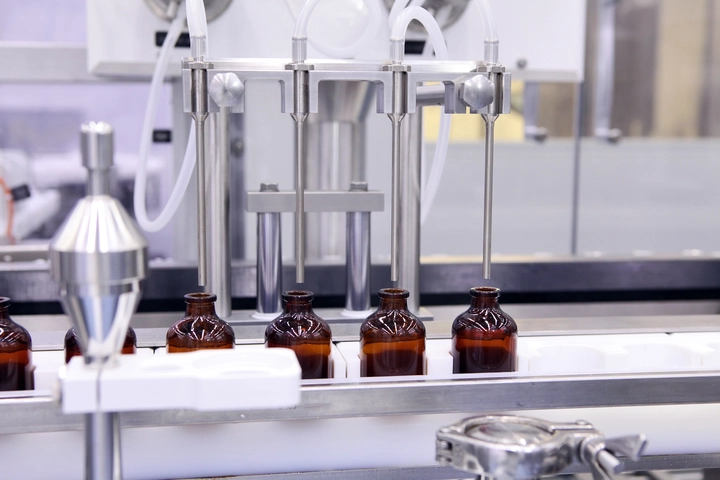
- Manufacturing and filling
- Quality control
- Product documentation
- Finished product delivery
Understanding these services helps brands define what they actually need before choosing a manufacturing partner.
What Services Are Included in Private Label Hair Care Manufacturing?
The services included in private label hair care manufacturing depend on the manufacturer and the complexity of the project. A basic project may use an existing formula with standard packaging, while a more customized project may involve formula development, packaging development, testing, and additional documentation.
The following stages represent the main services brands may need when developing hair care products.
Product Concept and Formula Selection
Product development usually starts with a product idea rather than a finished formula. A brand may know that it wants to launch a moisturizing shampoo, a repair treatment, or a scalp care product, but the product concept still needs to be translated into a suitable formula direction.
Formula selection should consider the intended consumer, product positioning, hair concerns, and expected performance. A shampoo designed for oily scalps, for example, may require a different cleansing and conditioning approach from a shampoo positioned for dry or damaged hair.
Manufacturers with existing formula libraries can provide starting points for brands that want to launch without developing every product from scratch. This approach can shorten development time while still allowing the brand to select products that fit its range.
The important point is that formula selection should not be based only on a product name or ingredient list. The formula needs to be appropriate for the intended use and capable of being produced consistently at commercial scale.
Custom Formula Development and Modification
When an existing formula does not fully match the product concept, a manufacturer may modify it or develop a new formulation.
Custom formulation can involve changes to ingredients, fragrance, texture, viscosity, color, conditioning feel, or other performance characteristics. The level of customization depends on the product requirements and the manufacturer’s R&D capabilities.
For example, a brand developing a repair shampoo may want stronger conditioning performance without making the product feel heavy. The manufacturer may need to balance cleansing agents, conditioning ingredients, and other formula components to achieve the desired result.
A custom formula is therefore more than adding a few popular ingredients to a stock product. Changes to one part of a formula can affect its stability, sensory properties, compatibility, and manufacturing process.
A good development process considers the complete formula rather than evaluating individual ingredients in isolation.
Ingredient Selection and Formula Testing
Ingredient selection is closely connected to formula performance. Two products may both contain ingredients associated with hydration or repair but behave very differently because of their overall formulation.
Manufacturers need to consider factors such as:
- Ingredient compatibility
- Recommended use levels
- Formula stability
- Product texture and viscosity
- Fragrance compatibility
- Preservation requirements
- Manufacturing feasibility
- Intended product performance
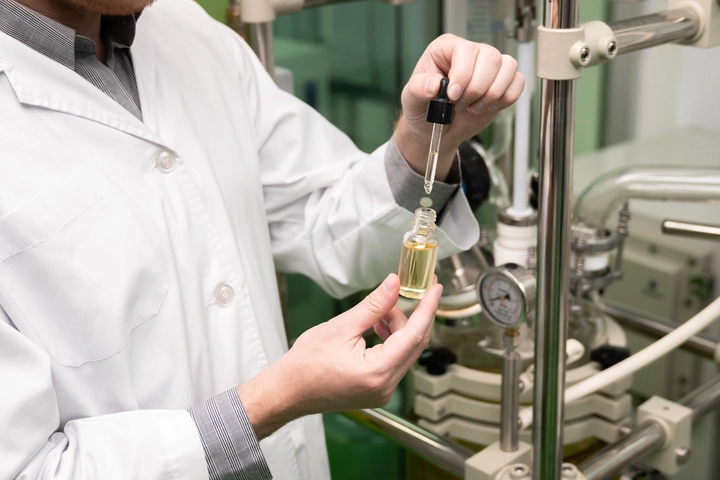
Testing helps determine whether the formula remains suitable under expected conditions. Stability testing, for example, can help identify changes in appearance, odor, texture, or other characteristics over time.
The testing approach should also reflect the product type. A water-based shampoo, an emulsion-based hair mask, and an oil-based hair serum do not necessarily present the same formulation and stability considerations.
For brands, this is one reason professional hair care product development should be treated as a complete formulation process rather than simply an ingredient selection exercise.
Packaging Development and Product Branding
Packaging is part of the finished product, not just an outer layer added after formulation.
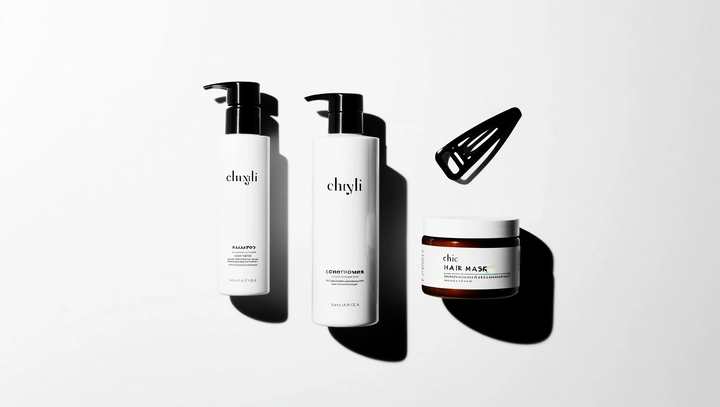
Private label hair care packaging may include bottles, tubes, jars, pumps, caps, labels, cartons, and other components. Brands typically choose packaging based on product type, positioning, target price, visual identity, and user experience.
However, packaging also needs to work with the formula and filling process.
For example, the dispensing system should be suitable for the product’s viscosity. The packaging material may also need to be compatible with the formula to reduce the risk of leakage, deformation, or other unwanted changes during storage.
A professional packaging process therefore considers both appearance and function.
Branding may include:
- Logo application
- Label production
- Product information
- Ingredient declaration
- Packaging artwork
- Label application
- Outer packaging
This allows a standard manufacturing process to result in a finished product that fits the brand’s own visual identity and product positioning.
Product Sampling and Approval
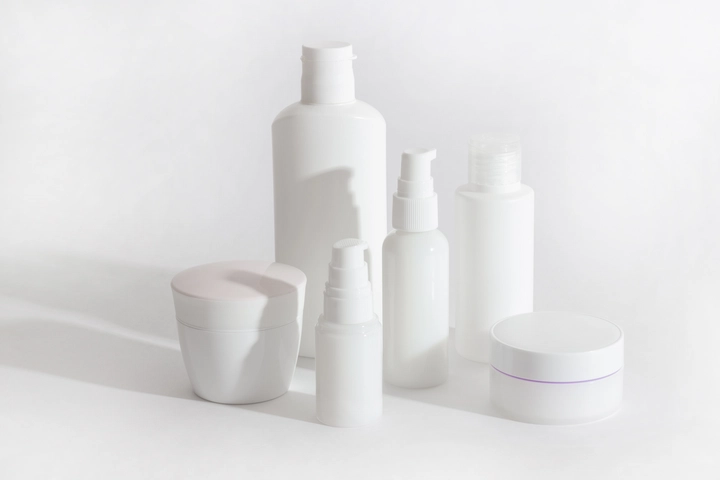
Samples provide a practical checkpoint before mass production.
A formula can look appropriate on paper but still require adjustments after the brand evaluates the actual product. Texture, fragrance, color, viscosity, dispensing behavior, and overall user experience are easier to assess from a physical sample.
For example, a brand may request a lightweight hair serum but find that the first sample feels too rich on fine hair. The manufacturer can then review the formula and make adjustments before production.
Packaging samples can also reveal issues that are difficult to identify from specifications alone. A pump may not dispense a thick formula efficiently, or a bottle may not provide the desired user experience.
A typical approval process may therefore involve:
Formula sample → Evaluation → Adjustment → Final approval → Packaging confirmation → Production
The exact number of sample rounds depends on the product and the degree of customization. The purpose is to resolve important product issues before a larger production run begins.
Hair Care Product Manufacturing and Filling
Once the formula and product specifications have been approved, the project moves into manufacturing.
Commercial production involves more than mixing raw materials. The manufacturer needs to follow defined production procedures so that each batch meets the approved specifications.
A typical manufacturing process may include:
- Raw material preparation
- Batch weighing and processing
- Mixing or emulsification
- In-process quality checks
- Filling into containers
- Capping or sealing
- Labeling
- Final packing
The exact process depends on the product. A shampoo, hair mask, oil serum, and styling product can require different production and filling conditions.
Batch consistency is especially important as a brand grows. The product approved during sampling should remain consistent when production moves from a small development batch to commercial quantities.
This is where manufacturing experience becomes important. A formula that works at laboratory scale may still need appropriate processing conditions and production controls to perform consistently at larger scale.
Quality Control and Product Testing
Quality control should cover the manufacturing process from incoming materials through finished products. It is not simply a final inspection performed after everything has been produced.
Before production, raw materials and packaging components may need to be checked against the required specifications. During manufacturing, production parameters and product characteristics can be monitored. Finished products can then undergo appropriate quality checks before release.
Depending on the product, quality and testing activities may include:
- Raw material inspection
- Appearance and odor checks
- pH or viscosity testing where applicable
- Microbiological testing
- Stability testing
- Packaging compatibility evaluation
- Finished product inspection
The purpose of these controls is to confirm that the finished product meets its approved specifications and remains suitable for its intended use.
For brands, consistency is particularly important. A difference in texture, fragrance, color, or dispensing performance between batches can affect the customer experience even when the product name and ingredient list remain unchanged.
A strong quality control system therefore supports both product safety and long-term product consistency.
Documentation and Compliance Support
Manufacturing a product is only one part of preparing it for a target market. Brands may also need technical and regulatory documentation to support production, distribution, and market access.
The specific documentation depends on the product and destination market. A manufacturer may provide information such as:
- INCI ingredient lists
- Product specifications
- Raw material documentation
- Safety data documents where applicable
- Testing reports
- Certificates and manufacturing information
- Batch-related quality records
Brands selling in different markets should also understand that regulatory responsibilities can vary. Requirements for cosmetic products in the United States are not necessarily identical to those in the European Union or other markets.
A manufacturer can provide product information and supporting documentation, but brands should confirm which regulatory responsibilities belong to the manufacturer and which remain with the brand or its regulatory representative.
Clear documentation also makes future product management easier. When a brand expands its product line or enters another market, organized product information can reduce unnecessary delays.
Finished Product Delivery and Logistics Support
After manufacturing and quality approval, the final stage is preparing the products for delivery.
Finished product services may include:
- Final inspection
- Labeling and packing
- Carton packing
- Export preparation
- Shipment coordination
- Delivery to the brand’s designated location
This stage can be particularly useful for brands that do not operate their own production or fulfillment facilities.
The manufacturer’s responsibility may end at a specific point in the supply chain, so brands should confirm delivery terms, packaging requirements, lead times, and shipping arrangements before production begins.
The goal is to move the approved product from the manufacturing facility to the brand in the required finished condition, with the product specifications and packaging maintained throughout the process.
What Should Brands Consider When Choosing a Private Label Hair Care Manufacturer?
Choosing a private label hair care manufacturer should involve more than comparing product prices. Brands need to consider whether the manufacturer’s capabilities match the complexity of the products they want to develop.
Formula and R&D Capability
Start with the manufacturer’s formulation capabilities.
If you only need ready-made products, an existing formula library may be sufficient. If you want differentiated products, you may need a manufacturer that can modify formulas or develop new ones.
Ask whether the manufacturer can explain why a formula is suitable for your product concept, rather than simply recommending products from a catalog.
Manufacturing Capability
The manufacturer should also be able to produce the approved formula consistently at the required volume.
Consider:
- Production capacity
- Manufacturing equipment
- Batch control
- Filling capabilities
- Production experience with your product category
A manufacturer that can produce a small sample is not necessarily equipped to handle consistent commercial production.
Quality Management
Quality systems should cover raw materials, production, finished products, and appropriate testing.
Brands should understand what quality checks are performed, how production batches are controlled, and how finished products are released.
This information is often more useful than simply looking at a list of certifications.
MOQ and Production Flexibility
Minimum order quantity can affect the feasibility of a product launch.
A new brand may prefer a smaller initial order to test the market, while an established brand may need larger production runs and reliable capacity for repeat orders.
MOQ should therefore be considered alongside packaging, formula customization, and expected production volume.
Communication and Project Management
Product development involves multiple decisions. Clear communication is important when discussing formulas, samples, packaging, artwork, testing, production schedules, and changes.
A capable manufacturer should be able to explain technical issues in language that brand teams can understand. This is particularly valuable when the people managing the project do not have a formulation or manufacturing background.
How Does a Private Label Hair Care Manufacturing Project Work?
The exact workflow varies between manufacturers, but most projects follow a similar sequence. Understanding the process helps brands prepare the information needed at each stage and avoid unnecessary revisions.
1. Define the Product Requirements
The brand provides information about the desired product, target customer, product positioning, performance goals, preferred ingredients, target market, packaging requirements, and expected order quantity.
The more clearly these requirements are defined, the easier it is for the manufacturer to recommend an appropriate development direction.
2. Select or Develop the Formula
The manufacturer may recommend an existing formula, modify a formula, or develop a new one.
At this stage, the formula direction should be evaluated against the product concept and expected performance.
3. Develop and Review Samples
Samples are prepared for evaluation. The brand reviews the formula’s texture, fragrance, appearance, performance, and packaging.
Adjustments can be made when necessary.
4. Confirm Packaging and Product Specifications
Once the formula direction is approved, the brand confirms the final packaging, label artwork, product specifications, and other production details.
Formula and packaging compatibility should be considered before final approval.
5. Approve the Final Product
The brand approves the final formula, packaging, artwork, and specifications.
This approval creates the reference point for commercial production.
6. Begin Commercial Manufacturing
The manufacturer prepares materials, produces the batch, performs in-process checks, and fills the approved product into its final packaging.
7. Complete Quality Control
Finished products undergo the required quality checks before release.
Only products that meet the agreed specifications should proceed to final packing and delivery.
8. Prepare and Deliver Finished Products
The products are packed and prepared for shipment according to the agreed delivery requirements.
This process can be summarized as:
Product Requirements → Formula Development → Sampling → Packaging Approval → Production → Quality Control → Finished Product Delivery
The number of development rounds and the total timeline can vary depending on formula complexity, packaging availability, testing requirements, and the level of customization.
Conclusion
A private label hair care manufacturing service can cover much more than simply producing a finished product. It may include formula selection, custom formulation, ingredient and stability testing, packaging, sampling, manufacturing, quality control, documentation, and delivery.
For brands, understanding these stages makes it easier to define product requirements and evaluate whether a manufacturer has the capabilities needed for the project. The right manufacturing partner should be able to integrate formulation, packaging, production, and quality into a single, consistent process.
If you are developing a private-label hair care line and need support from formula selection through finished-product production, Mountain Sea provides private-label and custom hair care manufacturing services for brands developing products for international markets. Contact us to discuss your product concept, formula requirements, packaging, and production needs.