Argan oil has moved far beyond being a niche ingredient. In today’s hair care market, it is one of the most recognizable and commercially valuable components across shampoos, conditioners, and styling products. From a formulation and manufacturing perspective, its popularity is not accidental—it delivers a rare balance of performance, sensory feel, and marketing appeal.
For brands and buyers, understanding argan oil is not just about its benefits, but about how those benefits translate into scalable, market-ready products.
This article explores what makes argan oil so effective, how it is used across different hair care products, and how brands can turn it into scalable, market-ready formulations.
What Is Argan Oil and Why Does It Matter in Hair Care
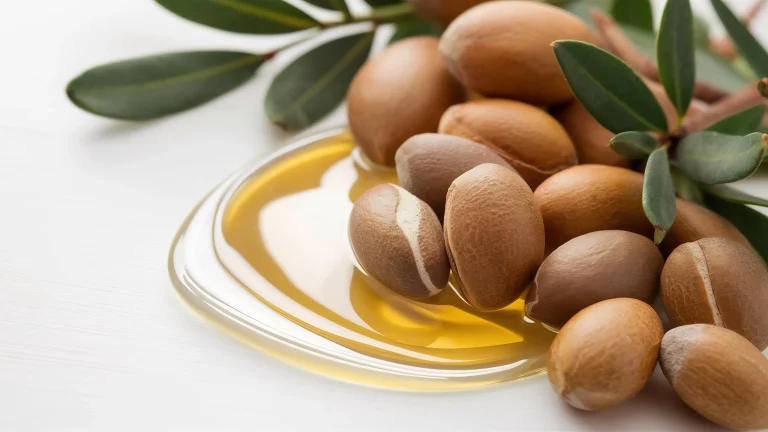
Argan oil is derived from the kernels of the argan tree, native to Morocco. High-quality organic argan oil is typically cold-pressed to preserve its natural composition, including essential fatty acids and vitamin E.
From a technical standpoint, what makes argan oil valuable is its composition:
- Oleic and linoleic acids help restore lipid balance in hair
- Tocopherols (vitamin E) provide antioxidant protection
- Its lightweight molecular structure allows faster absorption compared to heavier oils
This combination makes argan oil suitable for a wide range of formulations, from daily-use argan oil shampoo to intensive repair treatments like argan oil hair mask products.
Key Benefits of Argan Oil for Hair
When evaluating argan oil for hair, it’s important to connect consumer-facing benefits with formulation logic. The reason this ingredient performs so well commercially is that its functional properties are easy to communicate and are visibly noticeable.
Hydration and softness are the most immediate effects. Argan oil helps replenish lost moisture without creating buildup, making it ideal for products targeting dry or damaged hair.
Frizz control is another major advantage. Because argan oil smooths the hair cuticle, it reduces flyaways and improves manageability. This is especially important in humid environments and for textured hair types.
Shine enhancement is where argan oil stands out in visual marketing. It creates a natural gloss effect that is highly visible, which is why argan hair oil products perform well in short-form video content.
Scalp support is often overlooked. The fatty acids in argan oil help maintain scalp balance, making it a suitable addition to argan oil shampoo and conditioner systems designed for daily use.
For curly and textured hair, argan oil for curly hair works particularly well because it provides moisture without weighing curls down, preserving definition while reducing dryness.
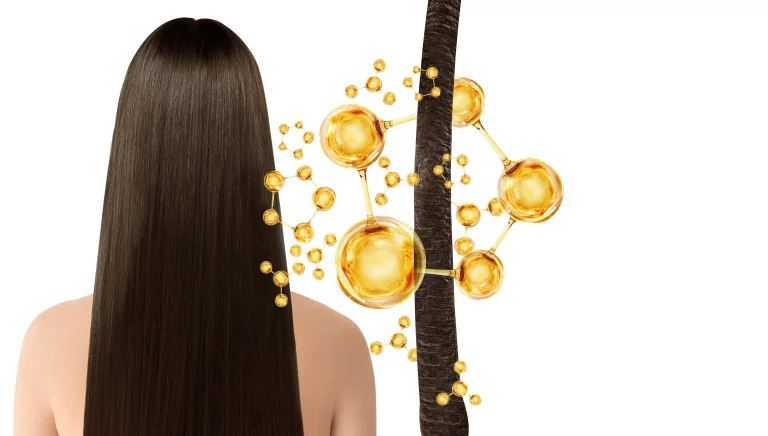
Why Argan Oil Works Across Multiple Product Types
One of the biggest advantages of argan oil is its versatility. From a product development perspective, it can be integrated into almost every core hair care category.
In cleansing products, argan oil shampoo formulations focus on balancing mild cleansing with moisture retention. The oil helps offset the drying effect of surfactants, improving the overall user experience.
In conditioning systems, argan oil conditioner formulas enhance slip, detangling, and softness. This makes them suitable for both rinse-off and leave-in applications.
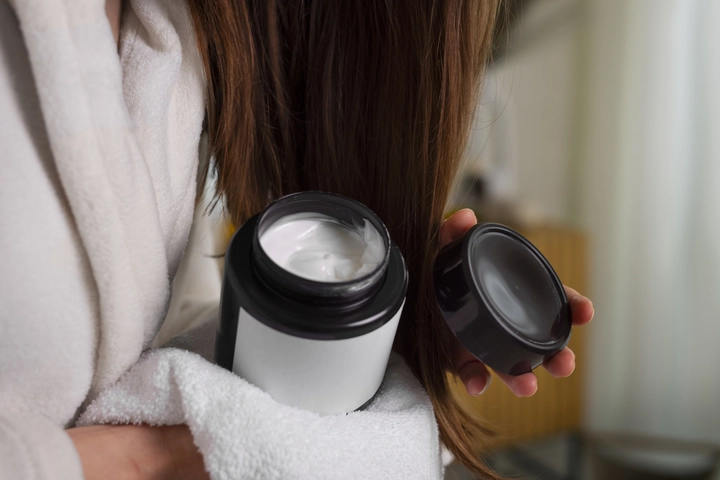
Treatment products, such as argan oil hair mask, leverage higher concentrations of the ingredient to deliver deeper repair and nourishment. These are often positioned as weekly or intensive care solutions.
Leave-in products, including argan hair oil and serums, focus on immediate cosmetic benefits like shine, smoothness, and heat protection.
This flexibility allows brands to build a complete product line around a single hero ingredient while maintaining consistency in messaging.
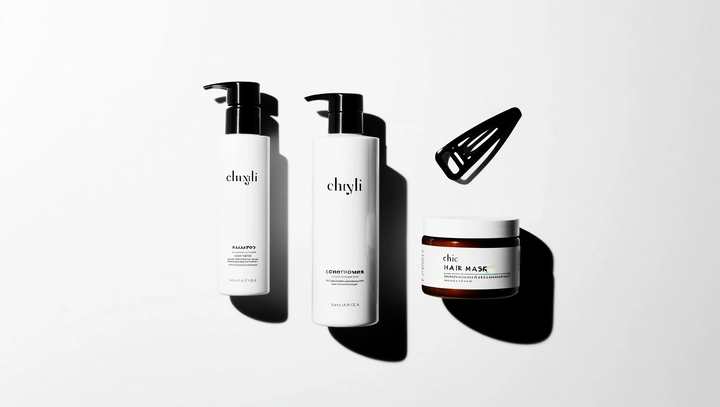
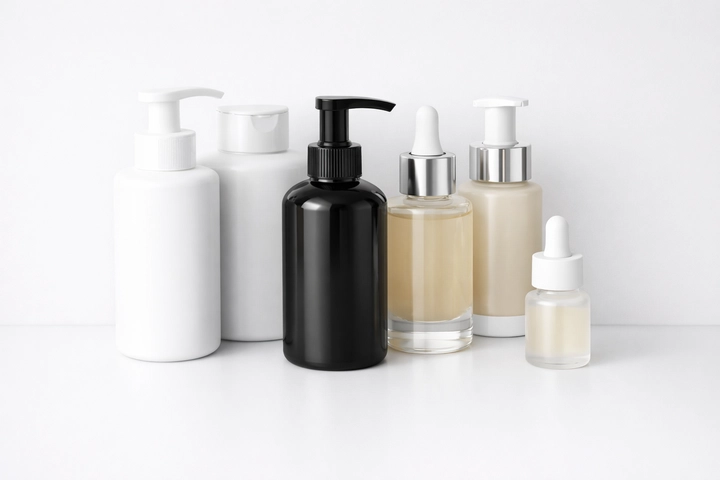
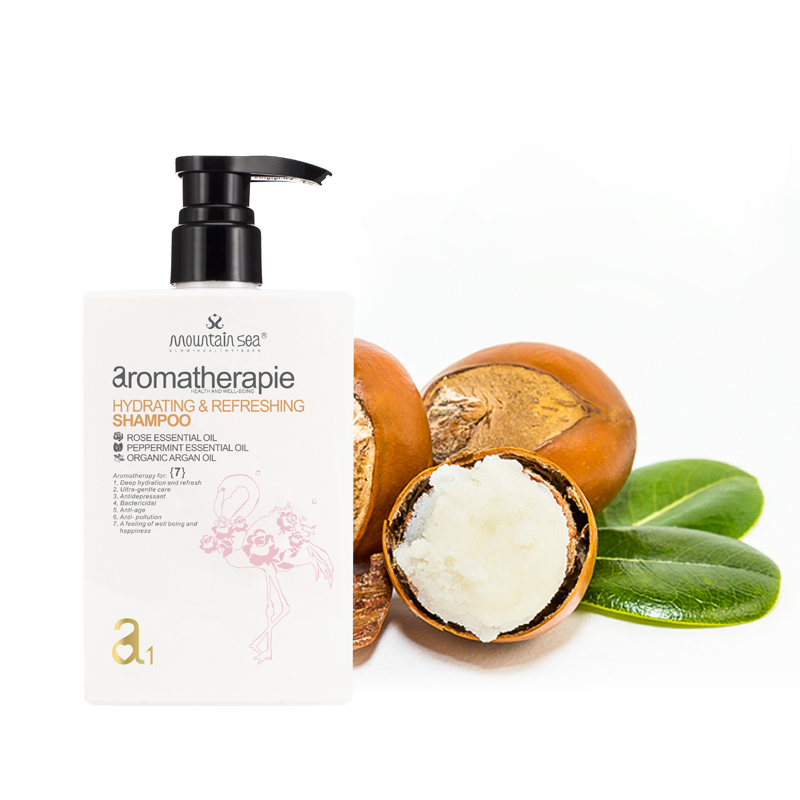
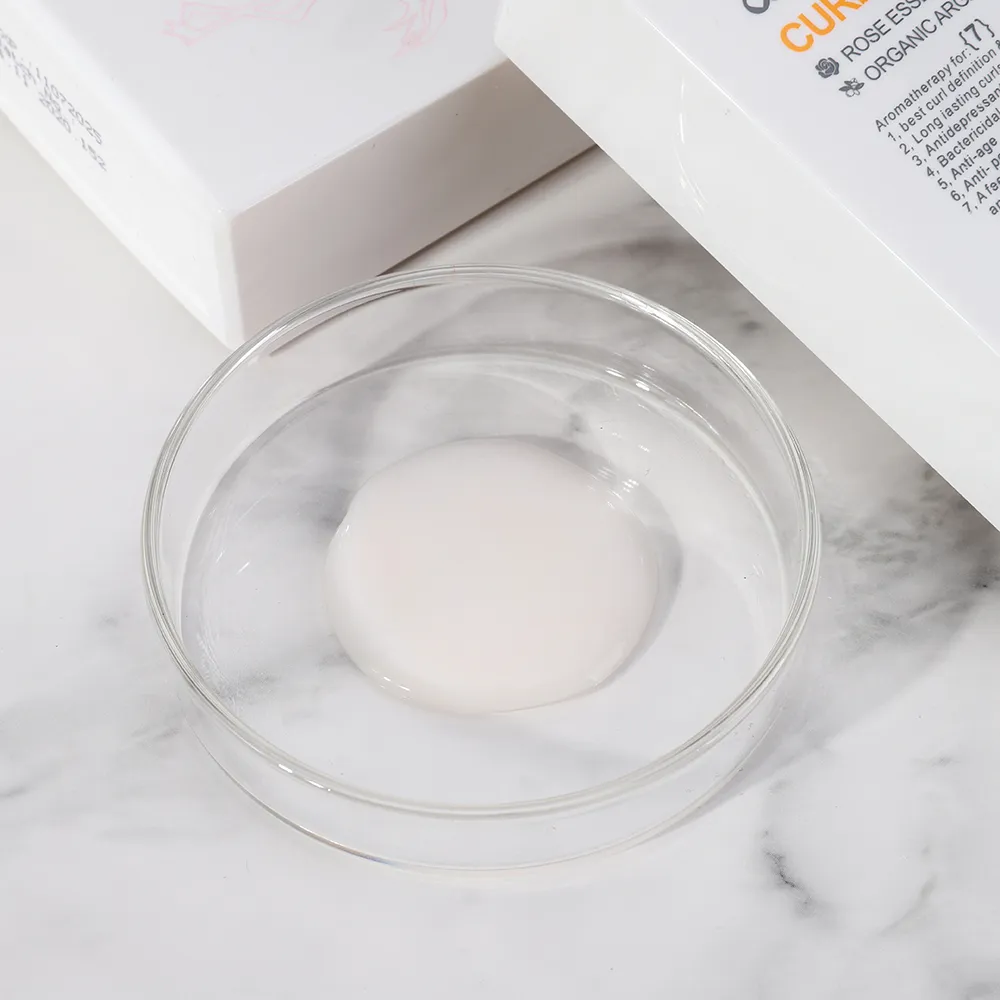
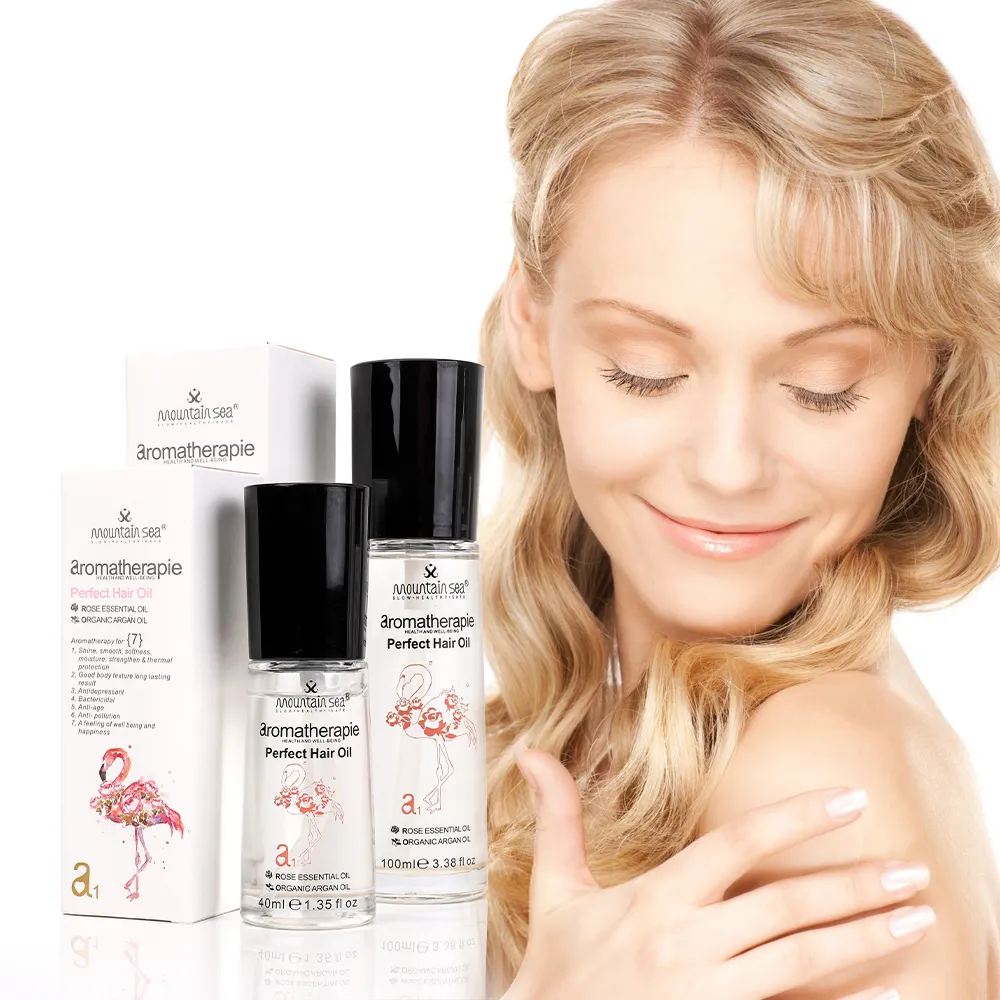
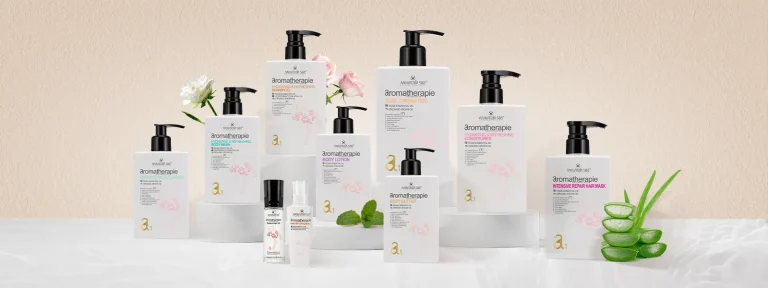
These are some hair care products for private label containing argan oil.
Argan Oil vs Other Hair Oils: A Formulator’s Perspective
A common comparison is between argan oil, coconut oil, and olive oil. While all three are widely used, their performance differs significantly.
Argan oil is lightweight and fast-absorbing, making it ideal for daily use and styling products. It delivers moisture without heaviness, which is why it performs well in leave-in formats.
Coconut oil, by contrast, has a heavier structure and penetrates deeply into the hair shaft. It is more suitable for repair-focused treatments, but can feel greasy if not properly formulated.
Olive oil sits somewhere in between, offering good nourishment but lacking the light sensory profile that modern consumers prefer.
For brands, this is not a matter of choosing one over the other. In many cases, combining oils allows for more differentiated formulations. However, argan oil often serves as the “hero ingredient” because of its balance between performance and user experience.
How to Use Argan Oil in Hair Care Products
From a consumer standpoint, argan oil can be used in multiple ways, but from a product development perspective, these usage scenarios translate directly into product categories.
Daily cleansing can be supported by argan oil of Morocco shampoo formulations that emphasize hydration and smoothness.
Conditioning routines benefit from argan oil conditioner products that improve detangling and manageability.
For deeper care, argan oil hair mask treatments are used weekly to restore damaged hair and improve elasticity.
Styling and finishing products, such as argan hair oil, are applied to damp or dry hair to enhance shine, reduce frizz, and provide heat protection.
Each of these use cases represents a distinct product opportunity, allowing brands to expand their portfolio while maintaining a cohesive ingredient story.
Why Argan Oil Continues to Trend in the Market
The sustained popularity of argan oil is driven by both performance and perception.
From a marketing perspective, “argan oil of Morocco” carries a strong premium and natural positioning. It signals authenticity, origin, and quality, which resonates across global markets.
From a content perspective, the visual results—especially shine and smoothness—are highly effective in digital marketing environments. This makes argan-based products particularly suitable for platforms where visual transformation drives engagement.
From a formulation perspective, it is a stable and versatile ingredient that works well across different product systems, reducing development complexity.
Building a Scalable Argan Oil Hair Care Line
For brands looking to enter or expand in the hair care market, argan oil provides a strong foundation for product development.
A typical approach starts with selecting core product types, such as shampoo, conditioner, and treatment products. From there, formulation decisions focus on texture, performance, and target hair types.
Customization plays a critical role. Adjusting fragrance, viscosity, and ingredient combinations allows brands to differentiate while still leveraging the core benefits of argan oil.
Packaging and positioning are equally important. Since argan oil is often associated with premium products, design choices should reflect that perception.
Working with an experienced private label manufacturer can significantly streamline this process. Instead of developing formulations from scratch, brands can build on proven systems, reduce testing time, and move to market more efficiently.
Final Thoughts
Argan oil is not just a trending ingredient—it is a strategically valuable component in modern hair care. Its ability to deliver visible results, adapt to multiple product formats, and support strong marketing narratives makes it an ideal choice for brands aiming to create competitive products.
For businesses, the opportunity lies in translating these benefits into well-designed, market-ready formulations. With the right development approach, argan oil can serve as the foundation for a complete and scalable hair care line that meets both consumer expectations and commercial goals.
If you’re looking to develop argan oil hair products, Mountain Sea can help you bring your ideas to market with reliable private label solutions.