Launching a private label hair care brand can seem simple at first. Many founders focus on product ideas, packaging design, and marketing, but problems often begin after production starts.
Leaking bottles, unstable formulas, delayed packaging, and inconsistent product performance are some of the most common reasons new hair care brands struggle early. In many cases, these issues are not caused by marketing — they start with manufacturing and planning decisions made too quickly.
Building a successful hair care line requires more than choosing a formula and adding a logo. Product stability, packaging compatibility, production planning, and clear customer positioning all play a major role in long-term growth.
This article breaks down ten costly mistakes new brands commonly make when launching a private label hair care line — and how to avoid them before they affect product quality, customer trust, or future scalability.
1. Choosing a Manufacturer Based Only on Price
Low production pricing may seem attractive at first, especially for startups trying to control costs. However, cheaper manufacturing often creates larger problems later.
Common issues caused by poor manufacturing standards include:
- unstable formulas
- inconsistent product texture
- fragrance separation
- weak preservative systems
- batch inconsistency
These problems may not appear during sampling. They often show up after products spend time in warehouses, shipping containers, or humid environments.
Instead of focusing only on price, brands should evaluate:
- quality control systems
- stability testing procedures
- ingredient sourcing standards
- packaging compatibility testing
- production consistency
To help reduce these risks early, Mountain Sea supports private label hair care brands with professional formulations, flexible production options, packaging coordination, and long-term product stability support.
2. Launching Too Many Products Too Early
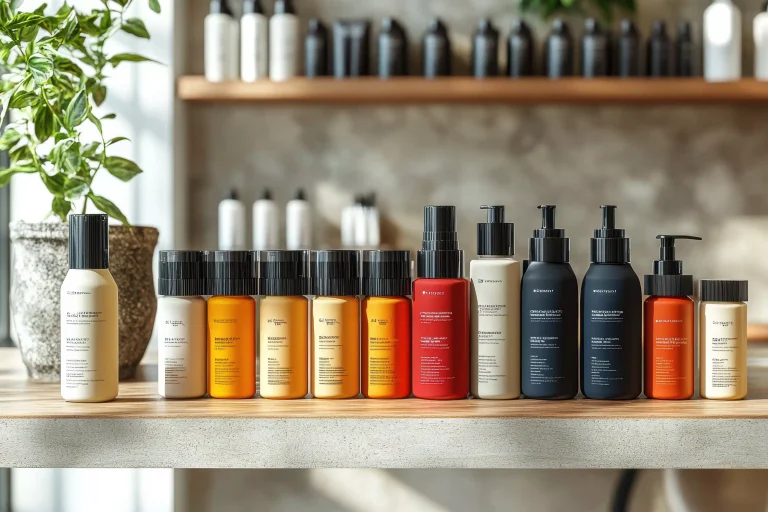
Many new brands try to launch a full product collection immediately. While this may appear more professional, too many SKUs can quickly create operational pressure.
Launching too many products at once often leads to:
- Higher inventory costs
- Increased packaging complexity
- Larger minimum order quantities
- Storage challenges
- Slower inventory turnover
Instead of launching an entire collection, many successful hair care brands begin with a smaller, focused product line built around a specific customer need.
A focused launch strategy is often easier to manage, market, and scale.
3. Ignoring Packaging Compatibility Problems
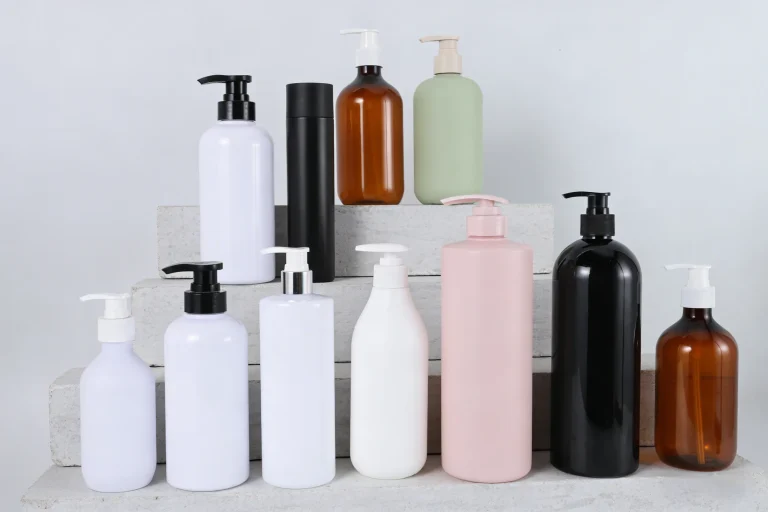
Private label hair care packaging failures are more common in hair care manufacturing than many founders expect.
A bottle may look premium visually, but still perform poorly with certain formulas.
Common packaging issues include:
- leaking shampoo bottles
- clogged conditioner pumps
- caps loosening during shipping
- labels peeling in humid environments
These problems often appear after products enter long-distance shipping or storage conditions.
This becomes especially important for:
- thick conditioners
- sulfate-free shampoos
- essential oil-based formulas
- active scalp treatments
To reduce packaging-related risks, Mountain Sea can help evaluate packaging compatibility before large-scale production begins.
4. Copying Viral Trends Without a Long-Term Strategy
Social media trends can create strong short-term attention, but not every viral product builds a sustainable brand.
Many new brands rush to launch trending products without evaluating long-term demand.
This is especially common with:
- viral hair growth oils
- trend-based scalp treatments
- highly fragranced products
- short-term ingredient trends
Before developing a trend-focused product, brands should consider:
- repeat purchase potential
- long-term market demand
- ingredient sourcing stability
- brand positioning alignment
Strong brands usually balance trend awareness with long-term customer retention strategies.
5. Failing to Define a Clear Target Customer
One of the biggest private label hair care branding mistakes is trying to market products to everyone.
Hair care customers often shop based on highly specific concerns and hair types.
Strong brands usually target clearly defined audiences such as:
- curly hair consumers
- damaged hair repair customers
- sensitive scalp users
- salon professionals
- color-treated hair customers
A clear customer profile influences:
- formula development
- packaging direction
- fragrance selection
- marketing language
- pricing strategy
Without clear private label positioning, branding often becomes generic and forgettable.
6. Overlooking Formula Stability Testing
A hair care product’s formula that looks good during development can still fail under real storage conditions.
Heat exposure, humidity, and long shipping periods can affect product performance over time.
Without proper testing, products may develop:
- separation
- texture inconsistencies
- color changes
- fragrance instability
- reduced shelf life
This is especially important for:
- sulfate-free formulas
- botanical-based products
- natural hair care formulas
For private label hair care product brands preparing for international distribution, Mountain Sea can help support formulation evaluation and long-term stability planning before production begins.
7. Underestimating Production Lead Times
Many first-time private label hair care founders underestimate how long manufacturing actually takes.
Production delays can happen during:
- bottle sourcing
- packaging production
- label printing
- fragrance procurement
- raw material sourcing
- shipping logistics
Even one delayed component can push back an entire launch schedule.
Brands planning influencer campaigns or seasonal launches should build additional time buffers into production timelines whenever possible.

8. Using Generic Branding and Packaging
Many private-label hair care brands look nearly identical online.
Generic branding makes it difficult for customers to remember the brand or understand what makes it different.
Weak branding often includes:
- unclear messaging
- trend-copying packaging
- inconsistent visual identity
- overly generic product positioning
Strong branding should quickly communicate:
- Who the product is for
- What problem does it solve
- What makes it different
- What experience does it represent
In competitive online markets, packaging and visual identity often influence buying decisions before customers read the ingredient list.
9. Ignoring Labeling and Compliance Requirements
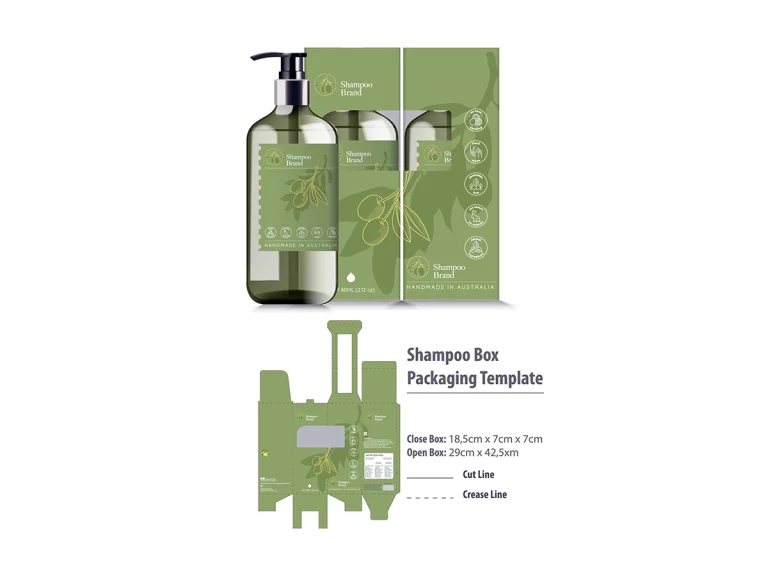
Many new brands focus heavily on packaging design while overlooking compliance requirements.
Incorrect labeling can create problems with retailers, distributors, and international shipping regulations.
Depending on the market, products may require:
- ingredient listings
- batch codes
- warning statements
- usage instructions
- manufacturer information
Fixing labeling mistakes after production can become expensive and time-consuming.
For brands entering international markets, Mountain Sea can help support packaging coordination and compliance preparation for smoother product launches.
10. Treating Private Label Hair Care as a Short-Term Opportunity
Some founders approach private-label hair care as a quick trend rather than building a long-term brand.
Sustainable growth usually depends on:
- product consistency
- customer trust
- repeat purchases
- operational reliability
- long-term brand positioning
Customers may buy once because of marketing, but they return because the product performs consistently over time.
The strongest hair care brands focus on long-term customer relationships instead of short-term hype.
Create Your Private Label Hair Care Brand With Mountain Sea
Launching a successful private label hair care brand requires more than attractive packaging and trendy formulas. Product stability, packaging compatibility, and reliable production all play a major role in long-term growth.
Avoiding these common mistakes early can help reduce costly setbacks and build stronger customer trust from the start.
Whether you are launching your first product or expanding an existing line, Mountain Sea can support your brand with:
- compliance assistance for global markets
- professional hair care formulations
- flexible low-volume production
- packaging coordination support