Developing a private label hair mask involves several key stages, including product concept planning, formula development, sample testing, packaging customization, production, and quality inspection. A professional hair care manufacturer helps brands turn an idea into a finished hair mask product ready for market launch.
Step 1: Define the Hair Mask Product Concept
A successful hair mask private label project starts with a clear product concept before formula development begins. Brands need to define the product purpose, target customers, and market positioning to create a product that meets consumer expectations.
Before developing a formula, brands usually determine:
- Target hair concerns
Such as damaged hair repair, deep hydration, frizz control, color protection, or curl enhancement. - Product positioning
For example, a professional salon treatment, a premium hair care product, a natural botanical hair mask, or a daily repair treatment. - Market requirements
Including consumer preferences, ingredient trends, and regulatory considerations in the target market.
A clear product concept provides direction for ingredient selection, formula design, packaging decisions, and final product development.
Step 2: Develop the Private Label Hair Mask Formula
Formula development is the core stage of creating a high-quality private label hair mask. The formula determines the product’s performance, texture, ingredients, and overall user experience.
Brands typically choose one of three development approaches:
| Development Option | Suitable For | Key Benefits |
|---|---|---|
| Existing Formula | New brands or faster launches | Shorter development time and proven formulas |
| Customized Formula | Brands seeking differentiation | Adjust ingredients, texture, fragrance, or performance |
| New Formula Development | Premium brands with unique concepts | Creates a more exclusive product |
During this stage, a private label hair mask OEM partner helps brands select suitable ingredients and optimize the formula based on product goals.
Common formula considerations include:
- Repair ingredients for damaged hair, such as keratin amino acids and protein complexes
- Moisturizing ingredients, including aloe vera, plant oils, and conditioning agents
- Botanical ingredients, such as argan oil, jojoba oil, and plant extracts
Besides ingredients, manufacturers also focus on texture development, including creaminess, spreadability, absorption, and the final hair feel after use.
A successful formula is not only effective but also creates a pleasant experience that encourages repeat purchases.
Step 3: Create and Evaluate Hair Mask Samples
After the formula direction is confirmed, the manufacturer creates laboratory samples for evaluation. This stage allows brands to test the product experience before moving into commercial production.
The sample development process usually includes:
- Laboratory sample creation
The R&D team prepares initial samples based on the agreed product requirements. - Internal evaluation
The formula is checked for appearance, texture, stability, and overall performance. - Brand testing and feedback
Brands evaluate whether the product meets their expectations for quality, user experience, and market positioning. - Formula adjustment
The manufacturer improves the formula based on feedback until the final version is approved.
For brands looking for a reliable hair mask private label solution, sample evaluation is an important step to ensure the final product matches both brand goals and consumer needs.
Step 4: Finalize Packaging and Product Specifications
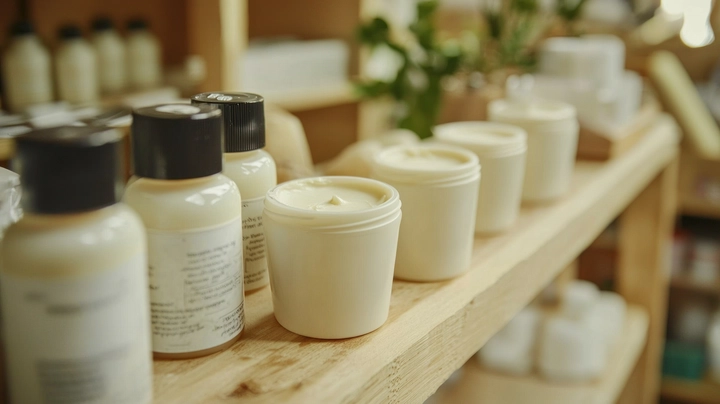
Once the formula is approved, brands move into product finalization. Packaging and specifications need to match the product positioning and customer expectations.
The main decisions include:
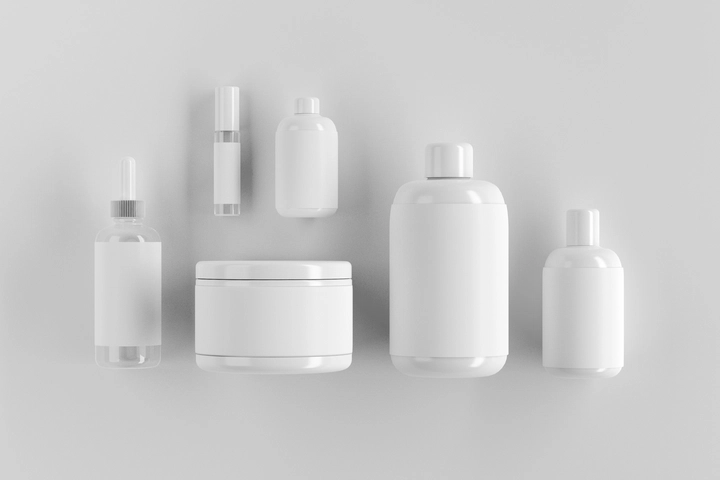
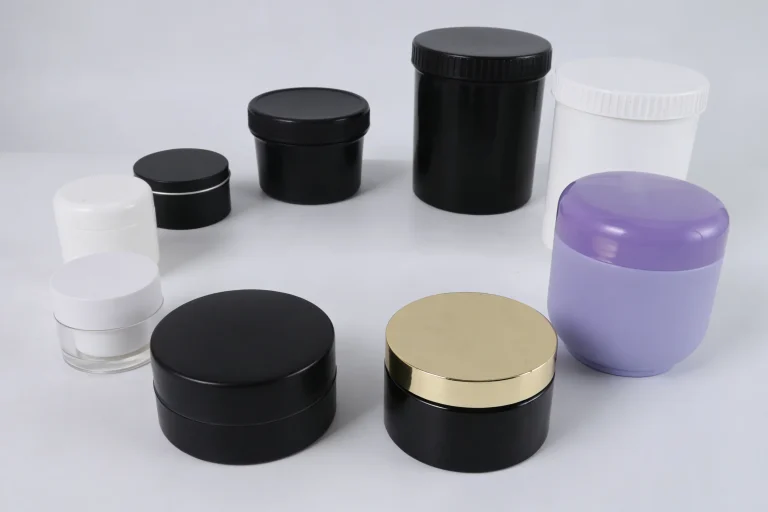
- Packaging format
- Jar
- Tube
- Bottle
- Product specifications
- Product size
- Label information
- Ingredient list
- Usage instructions
- Brand presentation
- Packaging appearance
- Product claims
- Visual style
For example, a premium treatment mask may require a more luxurious package design, while a daily-use hair mask may focus on convenience and practicality.
Proper packaging selection helps communicate product value and supports the brand’s market positioning.
Step 5: Hair Mask Private Label Production and Quality Control
After the formula and packaging are finalized, the product enters commercial manufacturing. This is where an experienced hair mask manufacturer ensures that the approved formula is accurately produced at scale.
The production process typically includes:
| Production Stage | Description |
|---|---|
| Raw material preparation | Ingredients are inspected and prepared according to formula requirements |
| Batch production | The formula is manufactured under controlled conditions |
| Filling and packaging | Finished products are filled, labeled, and packed |
| Quality inspection | Products are checked before shipment |
Quality control is essential to maintain consistency between laboratory samples and finished products.
Manufacturers may conduct:
- Appearance checks
- Stability evaluations
- Microbial testing
- Packaging inspections
A professional production system helps brands deliver reliable products to their customers.
How Long Does It Take to Develop a Private Label Hair Mask?
The development timeline depends on the complexity of the product and the level of customization required.
Several factors can affect development time:
- Formula type and development method
- Testing requirements
- Packaging customization
- Production scheduling
Brands selecting an existing formula usually have a faster development process, while fully customized formulas require more time for research, testing, and adjustments.
Working with an experienced manufacturer can help streamline the process and avoid unnecessary delays.
Why Work With an Experienced Hair Mask Manufacturer?
Choosing the right manufacturing partner can significantly influence the success of a hair mask project. A professional manufacturer provides support throughout the development process, from formula creation to finished product production.
Key benefits include:
Faster Product Development
Experienced hair mask manufacturers have established R&D systems and formula resources that help brands move from concept to market more efficiently.
Professional Formula Support
A qualified manufacturer can recommend suitable ingredients, textures, and product solutions based on the target market and consumer needs.
Stable Production Quality
Advanced production processes and quality control systems help ensure consistency across every batch.
Complete Development Support
Hair mask manufacturers can assist with product documentation, packaging coordination, and production management.
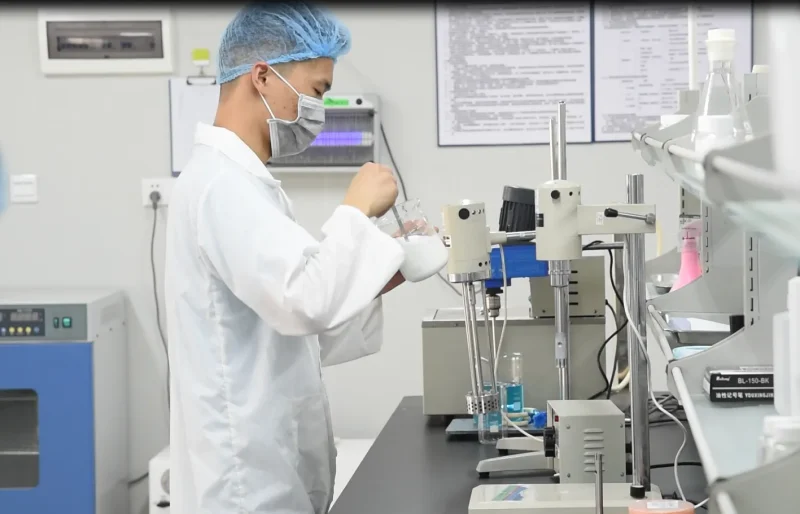
With 14 years of hair care manufacturing experience, Mountain Sea supports brands with a 500 m² product development laboratory, 8,000+ validated formulas, and professional private label development capabilities.
Conclusion
Developing a private label hair mask requires the right concept, formula expertise, and manufacturing support to create a successful product. From initial ideas to finished products, an experienced partner can help brands simplify development and reduce risks.
Ready to launch your own hair mask line? Contact Mountain Sea today to discuss your product concept and start your custom hair mask development journey.