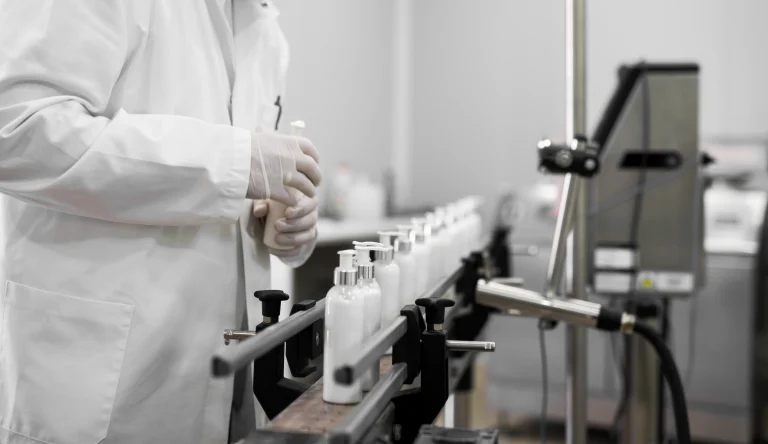
Launching a hair care brand today is more achievable than ever. With the rise of private label manufacturing, entrepreneurs, salons, influencers, and retailers can bring professional‑grade products to market without owning a factory or developing formulas from scratch.
As a manufacturer with years of hands‑on experience producing shampoos for global brands, we’ve seen how the right private label partner can dramatically accelerate product development, reduce risk, and elevate product quality. This guide combines industry knowledge and real manufacturing insights to help you understand how private label shampoo production works—and how to choose the right partner for your brand.
What Is Private Label Shampoo Manufacturing?
Private-label shampoo manufacturing is a model in which a specialized OEM/ODM factory produces shampoo for another company to sell under its own brand name. Instead of building an in‑house lab, hiring chemists, and managing production, brands can rely on a manufacturer’s existing expertise, equipment, and formulations.
There are two main approaches:
1. Ready‑to‑Label Shampoo Products
Many manufacturers offer pre‑developed, pre‑tested shampoo formulas that can be quickly branded and launched. These formulas typically include:
- Proven performance
- Standard packaging options
- Shorter production timelines
- Lower development costs
This option is ideal for new brands or businesses testing the market. In our experience, more than half of new clients choose ready‑to‑label products to launch quickly and validate demand.
2. Custom Shampoo Formulation
Brands seeking differentiation often choose custom development. This involves creating a unique formula tailored to specific needs, such as:
- Botanical or functional ingredients
- Solutions for targeted hair concerns
- Custom fragrance development
- Adjustments to texture, viscosity, or foam profile
Custom development takes longer but allows brands to stand out in competitive markets with a signature product.
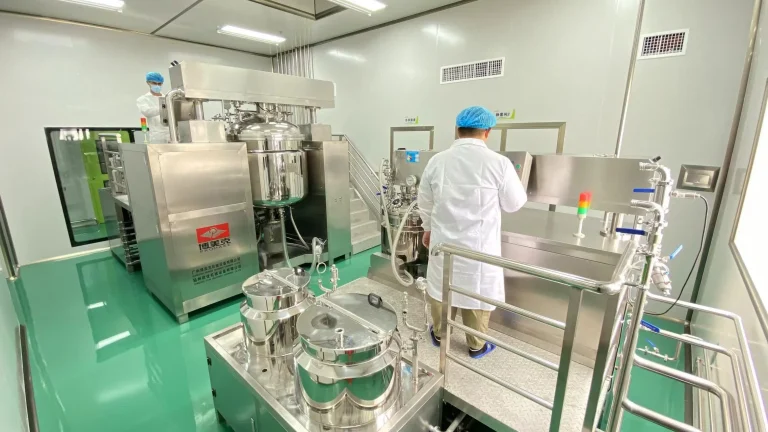
Why Brands Choose Private Label Shampoo Manufacturers
Partnering with an experienced private label shampoo manufacturer offers several strategic advantages. Based on real production experience, these are the benefits brands value most:
1. Faster Time to Market
Developing a shampoo independently can take 1–2 years. Private label manufacturing shortens this to weeks or months because manufacturers already have:
- Tested formulations
- Ingredient sourcing networks
- Established production systems
- Regulatory knowledge
This allows brands to launch quickly and stay ahead of trends.
2. Lower Investment and Reduced Risk
Building a cosmetic production facility requires significant capital. Private label manufacturing eliminates the need for:
- Laboratory equipment
- R&D staff
- Stability and safety testing infrastructure
- Production machinery
Brands can start with manageable MOQs and scale as demand grows.
3. Access to Professional Expertise
A qualified OEM shampoo manufacturer brings expertise in:
- Cosmetic chemistry
- Ingredient compatibility
- Stability and microbial testing
- Packaging compatibility
- International regulatory compliance
This ensures your product performs consistently and meets industry standards.
4. Scalable Production
As your brand grows, your manufacturer can scale production without disrupting supply chains. This flexibility is essential for brands expanding into retail or international markets.
How Private Label Shampoo Manufacturing Works
While each manufacturer has its own workflow, the process generally follows these steps. Below is an expanded version based on real factory operations.
Step 1: Define Your Product Requirements
This is the foundation of the entire project. Brands should clarify:
- Target customer segment
- Hair concerns (hydration, repair, scalp care, etc.)
- Ingredient preferences
- Fragrance direction
- Packaging style
A clear brief helps the manufacturer recommend suitable formulas or begin custom development.
Step 2: Formula Selection or Custom Development
Depending on your needs, the manufacturer will:
- Provide existing formulas, or
- Begin custom formulation
During custom development, chemists create prototypes for testing. Brands typically evaluate:
- Texture and viscosity
- Fragrance
- Cleansing performance
- Scalp compatibility
Adjustments are made until the formula meets expectations.
Step 3: Packaging and Branding
Packaging plays a major role in product positioning. Manufacturers may assist with:
- Bottle and pump selection
- Label specifications
- Printing guidelines
- Packaging compatibility testing
Some factories also provide integrated packaging sourcing to simplify the process.
Step 4: Sample Approval
Before mass production, brands review final samples to confirm:
- Formula performance
- Fragrance accuracy
- Packaging fit
- Label details
Once approved, the project moves into production scheduling.
Step 5: Production and Quality Control
During production, the shampoo is manufactured in controlled batches. A professional manufacturer performs strict QC, including:
- Raw material verification
- pH and viscosity testing
- Microbial testing
- Stability checks
- Packaging inspection
These steps ensure consistency and safety.
Step 6: Filling, Labeling, and Shipping
After production, the shampoo is filled, labeled, and prepared for shipment. Depending on the agreement, products may be shipped to:
- Brand warehouses
- Distributors
- Fulfillment centers
This allows brands to focus on marketing and sales.
How to Choose the Right Private Label Shampoo Manufacturer
Not all manufacturers offer the same capabilities. When evaluating partners, consider the following:
1. Manufacturing Experience
Ask about:
- Years in operation
- Product categories produced
- International market experience
Experienced manufacturers deliver more consistent results.
2. Customization Capabilities
If differentiation is important, ensure the manufacturer supports custom formulation—not just ready‑made products.
3. Minimum Order Quantities (MOQs)
MOQs vary widely. Startups should look for flexible options without compromising quality.
4. Ingredient and Formula Transparency
A trustworthy manufacturer should clearly explain:
- Ingredient lists
- Formulation principles
- Safety standards
Transparency builds long‑term trust.
5. Production Lead Times
Lead times depend on:
- Order size
- Packaging availability
- Customization requirements
Understanding timelines early helps prevent delays.
Best Practices for Launching a Successful Hair Care Brand
Launching a product is more than choosing a formula. Based on real client success stories, here are practical recommendations:
1. Focus on Clear Product Positioning
Examples include:
- Hydration
- Scalp care
- Frizz control
- Strengthening
- Color protection
Clear positioning helps your brand stand out.
2. Prioritize Product Quality
Even strong marketing cannot compensate for poor performance. Work with a reputable manufacturer to ensure consistent quality.
3. Build a Strong Brand Identity
Your packaging, messaging, and product story should align with your target audience and price point.
4. Start with a Focused Product Line
Many successful brands begin with:
- One shampoo
- One conditioner
- One treatment
This allows you to test demand before expanding.
The Growing Demand for Private Label Shampoo
The global hair care market continues to grow as consumers seek specialized solutions. At the same time, e‑commerce and direct‑to‑consumer brands have lowered the barrier to entry.
As a result, demand for private-label shampoo manufacturing is rising rapidly. Manufacturers that offer flexible production, strong R&D, and reliable logistics are becoming essential partners for modern beauty brands.
Conclusion
Private label shampoo manufacturing is one of the most effective ways to launch and scale a hair care brand. By partnering with an experienced OEM manufacturer, brands gain access to professional formulations, efficient production, and scalable growth opportunities—without the high cost of building their own facilities.
If you’re considering developing your own private label shampoo, working with a reliable manufacturer can help you move from concept to finished product quickly and confidently.