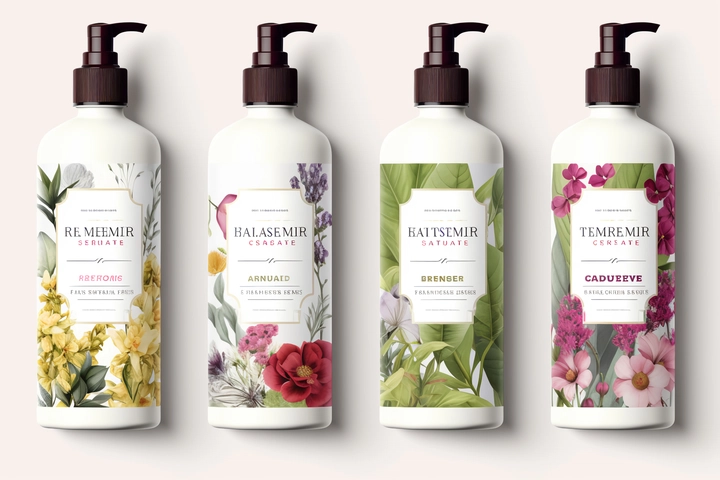
The hair care market is expanding not just in size, but in complexity. Consumers are no longer choosing products based only on price or brand name—they are looking for formulas that match specific hair types, ingredient preferences, and performance expectations.
For new brands, this creates both opportunity and pressure.
Building a factory or developing formulations internally is rarely practical at the early stage. Instead, most successful brands start by working with experienced hair care product manufacturers who already have the technical infrastructure in place.
This article breaks down how the process actually works—from a manufacturer’s perspective—so you can make informed decisions when launching a private label hair care brand.
What Private Label Hair Care Really Means in Practice
Private label hair care is often described as “outsourcing production,” but in reality, it’s a structured collaboration.
A professional manufacturer doesn’t just produce products—they control critical variables that directly affect product performance and scalability.
In a typical setup, hair care product manufacturers are responsible for:
- Building or adapting the formula system (surfactants, conditioning agents, actives)
- Ensuring ingredient compatibility and stability
- Managing bulk production and filling
- Running quality control and batch consistency checks
- Testing packaging compatibility (leakage, viscosity fit, shelf life)
Meanwhile, the brand controls:
- Positioning (e.g., sulfate-free, salon-grade, botanical)
- Visual identity and packaging design
- Pricing strategy and distribution channels
This division of responsibility is why private label hair care is the fastest way to enter the market without compromising on product quality.
Why Working with Manufacturers Speeds Up Brand Launch
You’re Not Starting from Zero Formulation
Most experienced hair care product manufacturers already maintain tested base systems—especially for core categories like shampoo and conditioner.
Instead of building formulas from scratch, brands often start by adjusting:
- fragrance profiles
- viscosity levels
- conditioning strength
- targeted actives (e.g., anti-dandruff, repair, scalp care)
This can reduce development time from months to weeks.
Cost Structure Is More Flexible Than Expected
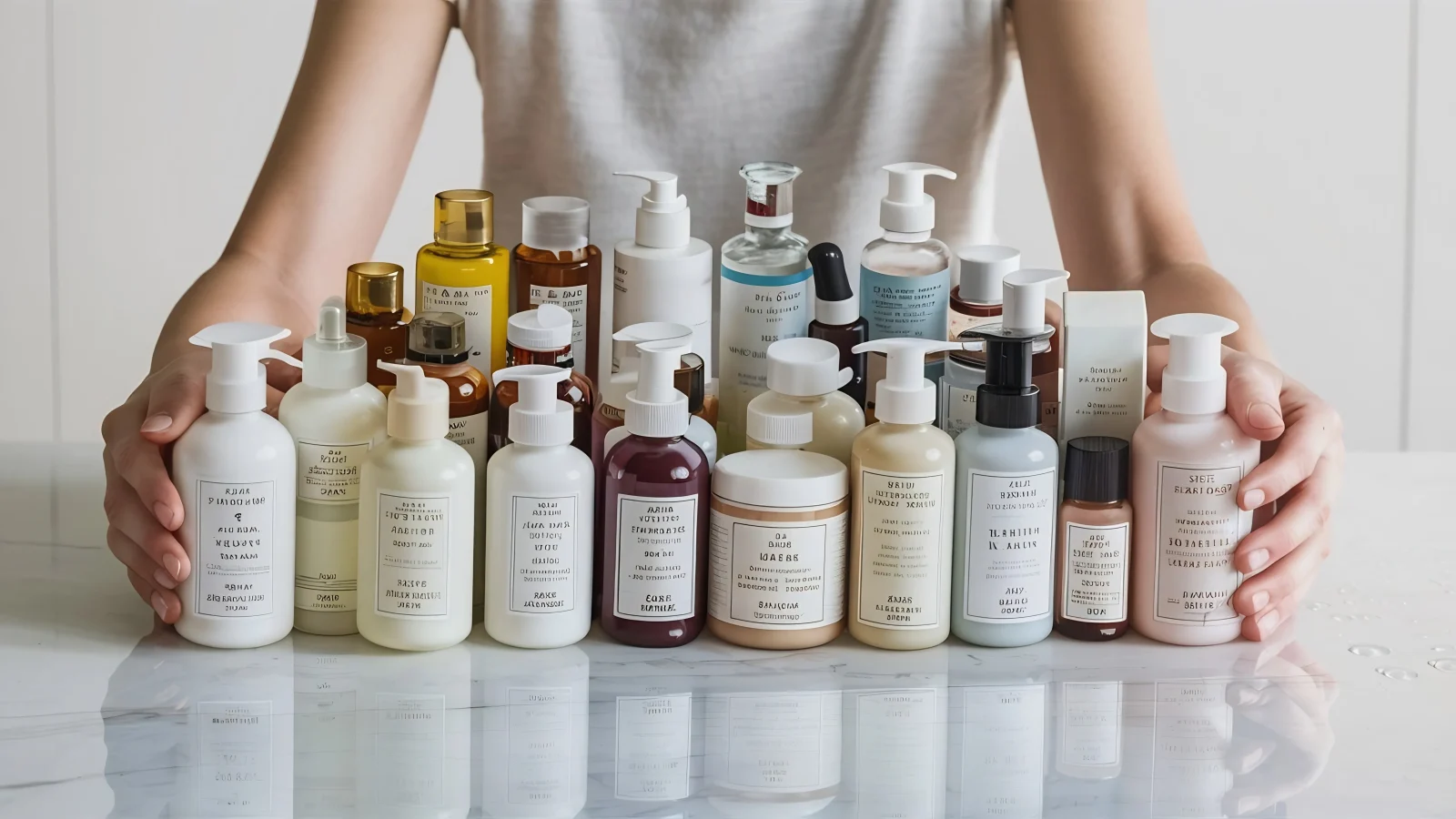
One of the biggest misconceptions is that manufacturing requires a large upfront investment.
In reality, low MOQ hair care production allows brands to:
- Launch with a smaller inventory
- Test multiple SKUs
- Reduce cash flow pressure
However, there is a trade-off:
Lower MOQ usually means higher unit cost per product
This is an important decision point early on.
You Gain Access to Real Formulation Expertise
Through custom hair care formulation, brands can go beyond basic products.
Manufacturers can adjust:
- surfactant systems (for sulfate-free or mild cleansing)
- conditioning systems (silicone vs. silicone-free)
- active ingredients (botanical extracts, proteins, scalp actives)
This is where working with experienced chemists becomes critical—especially if your brand positioning depends on performance claims.
How the Process Actually Works (Step-by-Step)
1. Start with a Clear Product Strategy (Not Just an Idea)
Before reaching out to hair care product manufacturers, define:
- Who the product is for (e.g., damaged hair, oily scalp, curly hair)
- What problem does it solve
- What makes it different from existing products
From a manufacturer’s perspective, vague requests like “natural shampoo.” They are difficult to translate into a working formula.
Clear positioning leads to faster development.
2. Evaluate Manufacturers Beyond Price
Not all suppliers operate at the same level. When choosing a partner, look at:
- experience specifically in private label hair care
- ability to support custom hair care formulation
- transparency in production timelines
- flexibility in low MOQ hair care orders
A common mistake is choosing purely based on cost.
In practice, inconsistency in quality or delays will cost far more than a slightly higher unit price.
3. Choose Between Base Formula vs Custom Development
This is one of the most important decisions.
Option A: Ready-to-Modify Formulas
Best for:
- fast launch
- lower development cost
Limitations:
- less differentiation
Option B: Custom Hair Care Formulation
Best for:
- strong brand positioning
- unique product claims
Trade-offs:
- longer development time
- higher upfront cost
Many brands start with base formulas, then move into custom hair care formulation once they validate the market.
4. Packaging Is More Technical Than It Looks
Packaging decisions are not only about design.
Manufacturers will evaluate:
- viscosity vs pump compatibility
- leakage risk during shipping
- material interaction with formula
For example:
A thick hair mask may not work well with standard pumps.
A botanical formula may require specific container materials.
Ignoring this step often leads to production delays.
5. Production Timeline: What to Expect
Once everything is approved, production typically includes:
- raw material preparation
- batch mixing
- stability and QC checks
- filling and packaging
For most private label hair care projects:
Production lead time = 4–8 weeks (typical range)
Custom formulations may extend this timeline.
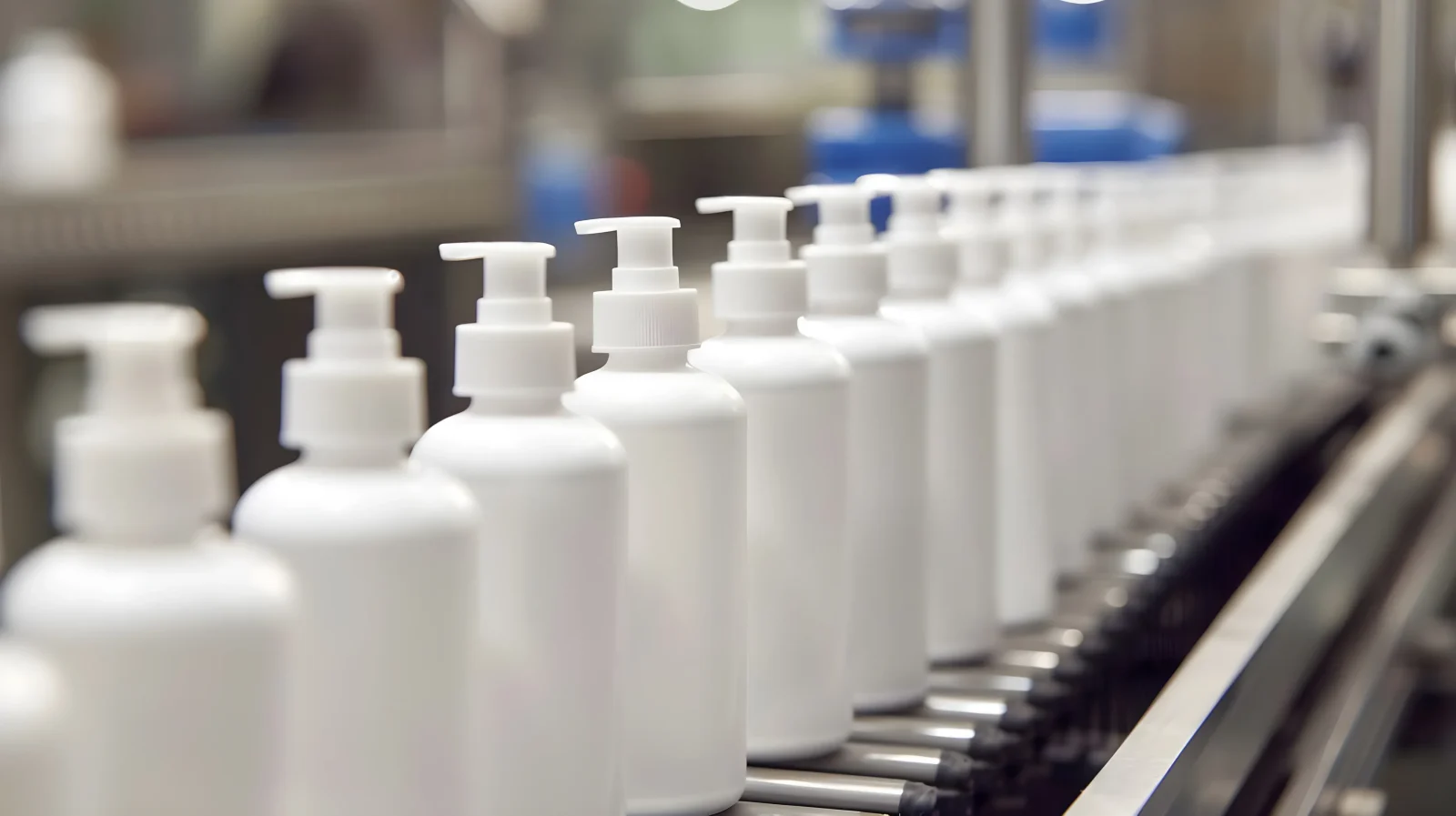
What Separates Reliable Hair Care Product Manufacturers
Formulation Depth
Hair care is formulation-sensitive.
Experienced manufacturers understand:
- surfactant balance (cleansing vs mildness)
- conditioning layering
- long-term stability
Scalability
A good partner supports both:
- low MOQ hair care (for testing)
- large-scale production (for growth)
Switching manufacturers later can be costly and disruptive.
Consistency and Quality Control
Batch consistency matters more than initial sample quality.
Ask how they manage:
- batch variation
- raw material sourcing
- quality testing processes
Practical Decisions That Impact Your Brand Success
Start Narrow, Not Broad
Launching 1–3 focused products is often more effective than a full product line.
This makes it easier to:
- control quality
- build a clear message
- test market response
Balance Cost vs Product Performance
Higher-quality formulations cost more—but underperforming products are harder to fix later.
This is a key trade-off every brand must evaluate early.
Use Low MOQ Strategically
Low MOQ hair care production is not just about saving money.
It’s a tool for:
- testing positioning
- gathering feedback
- refining formulas before scaling
Final Thoughts
Working with experienced hair care product manufacturers allows brands to enter the market without building technical infrastructure from scratch. But success doesn’t come from manufacturing alone—it comes from making the right decisions at each stage:
- choosing between speed and differentiation
- balancing cost and performance
- selecting partners who can scale with you
For most new brands, private label hair care combined with low-MOQ hair care production provides a practical starting point, while custom hair care formulation becomes more relevant as the brand grows.