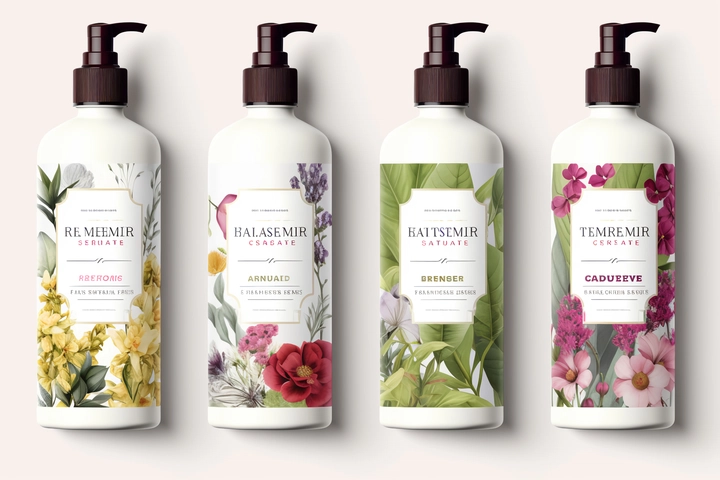
Hair masks can be developed into different categories based on specific consumer needs, including repair, hydration, color protection, curl care, and frizz control. For private label brands, choosing the right hair mask type helps create targeted products that match customer expectations, brand positioning, and market opportunities.
The best hair mask products are not only defined by their ingredients but also by the problems they solve and the product experience they deliver.
Why Hair Mask Types Matter for Private Label Brands
Hair masks have become an important category in the hair care market because consumers are increasingly looking for treatment products that provide more visible results than traditional conditioners. Instead of offering a general-purpose product, brands can develop hair masks designed for specific concerns, such as damaged hair, dryness, color fading, or lack of curl definition.
For private label brands, selecting the right hair mask category can influence:
- Target customer positioning
- Product pricing strategy
- Ingredient selection
- Marketing claims
- Opportunities to build a complete hair care line
A well-positioned hair mask can become a hero product that strengthens a brand’s identity and creates opportunities for complementary products, such as shampoos, conditioners, hair oils, and leave-in treatments.
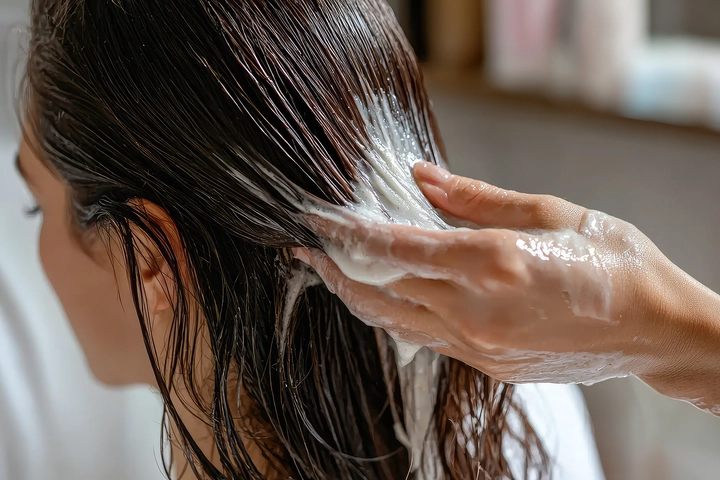
Popular Hair Mask Types and Product Ideas for Private Label Brands
Different hair mask categories represent different market opportunities. Below are some of the most attractive options for brands planning to develop private label hair mask products.
Repair Hair Mask for Damaged Hair
Repair hair masks are one of the most popular categories because damaged hair is a common concern among consumers. Frequent coloring, bleaching, heat styling, and chemical treatments can leave hair weak, dry, and difficult to manage.
For private label brands, repair hair masks offer strong potential because they address a clear consumer problem and can be positioned as premium treatment products.
Product positioning opportunities
Repair masks can be developed for:
- Chemically treated hair
- Bleached and over-processed hair
- Weak and brittle hair
- Heat-damaged hair
Brands can position these products as:
- Intensive repair treatments
- Salon-inspired hair care solutions
- Professional damage recovery products
Common formulation directions
A high-performance repair hair mask may include ingredients such as:
- Keratin amino acids
- Plant proteins
- Argan oil
- Coconut oil
- Bond-supporting ingredients
For brands looking to create a complete repair collection, a repair mask can work well alongside repair shampoo, conditioner, and hair serum products.
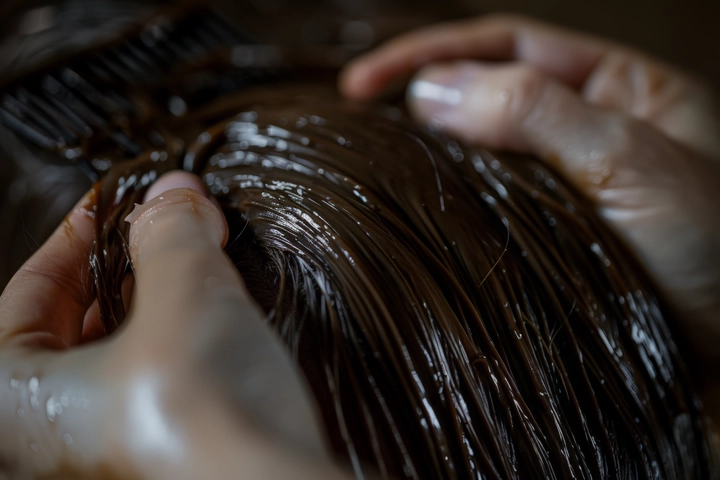
Hydrating Hair Mask for Dry Hair
Hydrating hair masks are designed for consumers who struggle with dry, rough, or dehydrated hair. This category has broad market appeal because moisture is one of the most common needs across different hair types.
Compared with intensive repair products, hydrating masks are often easier for brands to position as everyday or weekly treatment products.
Brand opportunities
A hydrating hair mask can be developed as:
- A daily moisture support product
- A natural hydration treatment
- A lightweight nourishing mask
- A premium spa-inspired hair treatment
Popular ingredient directions
Brands often explore ingredients associated with moisture and nourishment, including:
- Aloe vera
- Shea butter
- Coconut oil
- Jojoba oil
- Hyaluronic acid
Because hydration is relevant for almost every consumer group, this category is often a practical starting point for new hair care brands.
Color Protect Hair Mask for Color-Treated Hair
Color-treated hair requires specialized care because coloring processes can affect hair strength, softness, and appearance. Color protect hair masks provide an opportunity for brands to target consumers who regularly invest in hair coloring services.
This category is especially attractive because color care products are often purchased as part of a complete routine.
Product development opportunities
Brands can create color care masks focused on:
- Maintaining softness after coloring
- Reducing dryness caused by chemical treatments
- Enhancing shine and smoothness
- Supporting long-lasting color appearance
A color protect hair mask can be paired with:
- Sulfate-free color protect shampoo
- Color care conditioner
- Leave-in protective treatments
For brands building a professional hair care collection, color protection is a strong category with repeat purchase potential.
Curl Care Hair Mask for Curly Hair
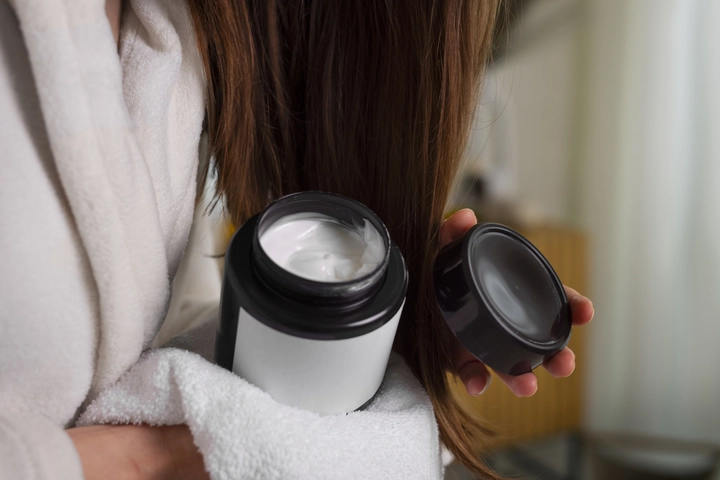
The growth of curl-focused hair care has created new opportunities for brands to develop products specifically designed for curly and textured hair.
Curly hair often requires additional moisture, frizz control, and definition support, making hair masks an important part of a curl care routine.
Market positioning options
Curl hair masks can be developed as:
- Deep moisture treatments
- Curl definition support products
- Frizz control solutions
- Part of a complete curl care collection
Formula considerations
Common formulation directions include:
- Plant oils
- Shea butter
- Coconut oil
- Botanical extracts
- Conditioning ingredients
For brands specializing in curly hair, a curl mask can complement products such as curl creams, curl gels, and leave-in conditioners.
Anti-Frizz Hair Mask for Smooth and Manageable Hair
Frizz control remains a major consumer concern, especially in markets with humid climates or among consumers with coarse and textured hair.
Anti-frizz hair masks focus on improving manageability, smoothness, and hair appearance.
Product opportunities for brands
This category can be positioned around:
- Smoothing treatments
- Gloss-enhancing products
- Softness and manageability solutions
- Premium styling support products
Ingredient directions
Potential ingredients include:
- Argan oil
- Macadamia oil
- Jojoba oil
- Conditioning polymers
- Plant-based oils
Anti-frizz masks can also work well as part of a premium hair smoothing collection.
Protein Hair Mask and Bond Repair Hair Mask
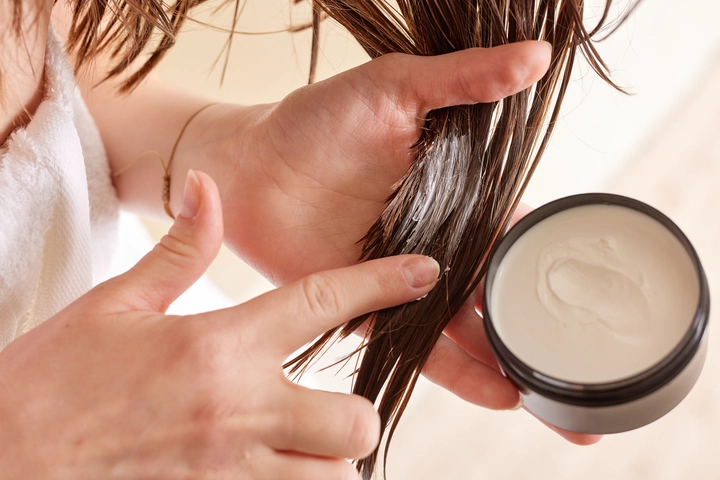
Protein hair masks and bond repair treatments represent a more advanced segment of the hair mask market. These products are often associated with professional repair concepts and premium hair care positioning.
They are particularly attractive for brands targeting consumers with severely damaged or chemically processed hair.
Why brands consider this category
Protein and bond repair masks allow brands to create:
- Higher-value treatment products
- Science-inspired positioning
- Professional hair care experiences
Development directions
Common concepts include:
- Strengthening treatments
- Damage recovery systems
- Intensive repair solutions
This category is often suitable for premium private label hair care brands looking to differentiate from basic moisturizing products.
Natural and Botanical Hair Mask
Natural and botanical hair masks provide opportunities for brands that want to build a clean beauty or plant-based hair care identity.
Consumers are increasingly interested in products featuring recognizable ingredients and botanical-based formulations.
Brand positioning ideas
Natural hair masks can be developed around:
- Botanical nourishment
- Plant oil blends
- Herbal extracts
- Naturally inspired beauty concepts
Potential ingredients include:
- Argan oil
- Aloe vera
- Coconut oil
- Botanical extracts
This category allows brands to differentiate through ingredient stories, sensory experiences, and brand values.
Hair Mask Types Comparison for Private Label Brands
Choosing the right hair mask category depends on the target customer, brand positioning, and product strategy.
| Hair Mask Type | Main Consumer Concern | Brand Opportunity |
|---|---|---|
| Repair Hair Mask | Damaged, weak, chemically treated hair | Premium treatment products |
| Hydrating Hair Mask | Dry and dehydrated hair | Everyday moisture care |
| Color Protect Hair Mask | Color fading and dryness | Color care collections |
| Curl Hair Mask | Dryness and curl definition | Curl-focused product lines |
| Anti-Frizz Hair Mask | Frizz and rough texture | Smoothing treatments |
| Protein/Bond Repair Mask | Severe damage | Advanced repair positioning |
| Natural Hair Mask | Clean beauty demand | Botanical and natural brands |
How Brands Choose the Right Hair Mask Type to Develop
When developing a private label hair mask, brands should consider more than just product trends. The right category should match the target audience and overall brand strategy.
1. Identify your target consumer
Different consumers have different hair concerns.
Examples:
- Damaged hair customers → Repair Hair Mask
- Dry hair customers → Hydrating Hair Mask
- Curly hair customers → Curl Hair Mask
- Color-treated customers → Color Protect Hair Mask
Understanding customer needs helps brands create products with clearer marketing messages.
2. Consider your brand positioning
Different hair mask categories support different price and brand strategies.
Mass-market brands:
- Hydrating masks
- Repair masks
- Everyday treatment products
Premium brands:
- Bond repair masks
- Professional repair treatments
- Specialized curl care products
3. Build a complete hair care product line
Hair masks are often most effective when they are part of a larger product system.
Examples:
Damaged Hair Repair Line
- Repair shampoo
- Repair conditioner
- Hair mask
- Hair oil or serum
Curl Care Line
- Curl shampoo
- Curl conditioner
- Curl cream
- Curl hair mask
A complete product line helps brands increase customer loyalty and create stronger market positioning.
Related Reading: How to Develop a Curl Care Product Line
Why Hair Masks Are an Opportunity for Private Label Brands
Hair masks offer several advantages for brands entering or expanding in the hair care market.
They provide opportunities for:
- Targeted product development
- Premium pricing strategies
- Ingredient differentiation
- Complete hair care collections
- Strong consumer repeat purchase potential
Compared with standard conditioners, hair masks are often perceived as more specialized treatment products, allowing brands to create stronger value propositions.
For companies exploring private label hair mask products, selecting the right category is the first step toward building a successful hair care line.
Conclusion
Choosing the right hair mask type is an important step for private label brands looking to create products that meet specific consumer needs. From repair and hydration to color protection, curl care, and advanced treatment solutions, each hair mask category offers different opportunities for product positioning and market differentiation.
If you are planning to launch a private label hair mask product, Mountain Sea can help you develop customized formulas, packaging solutions, and manufacturing support tailored to your brand needs.
Contact MOUNTAIN SEA to explore your private label hair mask project.