Developing a successful hair care brand starts with choosing the right product lineup—but more importantly, choosing the right development model.
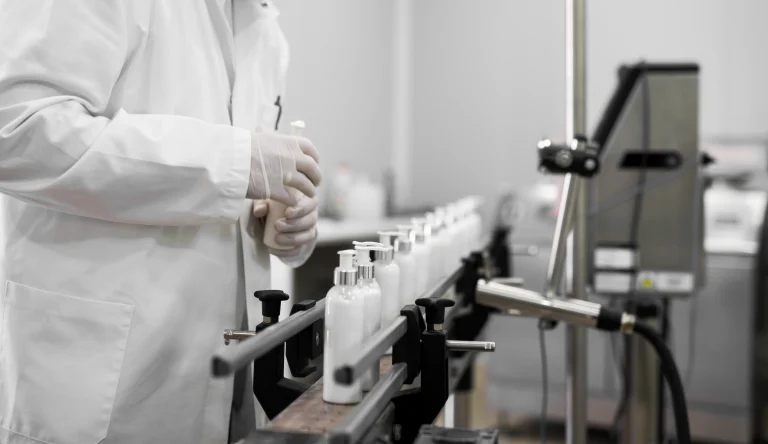
Instead of investing heavily in manufacturing facilities, many brands now work with professional suppliers to develop private label hair care products. This approach allows you to launch faster, reduce upfront costs, and focus on what truly drives growth: branding, positioning, and sales.
Whether you are a startup, salon owner, distributor, or eCommerce brand, private label solutions offer a scalable way to enter the hair care market with professionally developed products.
In this guide, we break down the most common types of hair care private label products, their functions, and how to build a complete, market-ready product line.
Why Private Label Hair Care Products Are Growing Fast
The demand for private label hair care continues to rise—and not by accident.
Consumers are looking for niche, specialized, and brand-driven products. At the same time, brands want faster and more flexible ways to launch.
Working with a private label hair care manufacturer allows you to:
Lower your startup investment
No need for factories, labs, or technical teams.
Reduce time to market
Launch faster using proven or semi-custom formulations.
Scale production easily
Increase volume as your brand grows.
Access professional expertise
From formulation to stability testing and compliance.
For many startups, partnering with a low-MOQ hair care manufacturer is especially important, as it reduces inventory risk and helps validate the market.
Types of Private Label Hair Care Products
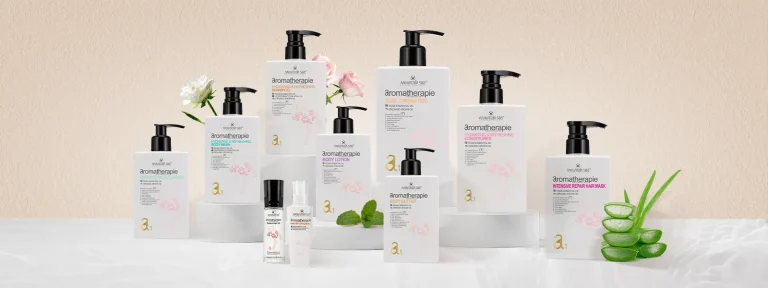
A strong private label hair care product line is not about offering everything—it’s about offering the right combination of products that work together.
1. Private Label Shampoo
Private label shampoo is the foundation of any hair care line.
Its primary function is to cleanse the scalp and remove buildup, but modern formulations are highly targeted:
- Moisturizing shampoos (dry/damaged hair)
- Volumizing shampoos (fine hair)
- Clarifying shampoos (deep cleansing)
- Sulfate-free shampoos (gentle care)
- Anti-dandruff shampoos (scalp-focused)
Well-developed shampoo formulas balance cleansing performance + mildness + user experience, which directly impacts customer retention.
2. Private Label Hair Conditioner
A private label hair conditioner is essential for improving hair texture, softness, and manageability.
Common types include:
- Daily conditioners
- Repair conditioners
- Lightweight conditioners
- Deep conditioners
- Leave-in conditioners
The key to a successful conditioner lies in texture balance—providing noticeable results without heaviness or residue.
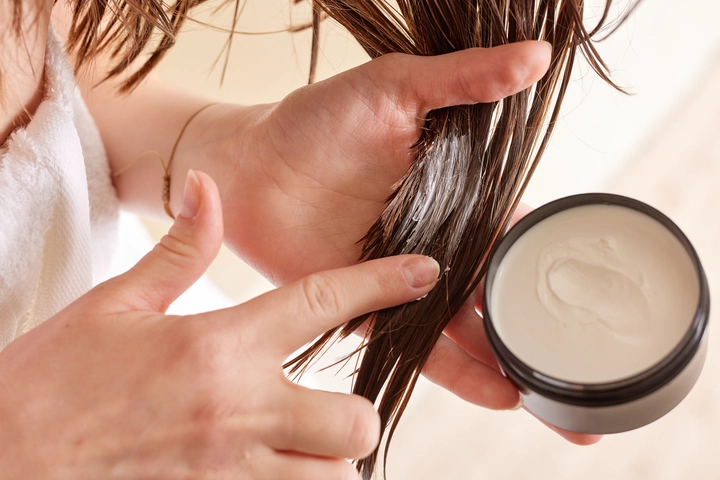
3. Hair Masks & Deep Treatments
Hair masks are high-value treatment products that elevate your brand positioning.
They typically contain concentrated ingredients such as:
- Plant oils
- Proteins
- Amino acids
- Ceramides
- Botanical extracts
These products are used weekly and deliver visible results, making them ideal for premium private label hair care positioning.
4. Leave-In Treatments
Leave-in products are designed for daily performance and convenience, making them highly popular in modern routines.
Common formats include:
- Leave-in conditioners
- Anti-frizz treatments
- Heat protection sprays
- Detangling sprays
- Repair serums
These formulations focus on lightweight feel + multi-functionality, which increases repeat purchase rates.
5. Hair Oils and Serums
Hair oils and serums are often positioned as hero products in a brand lineup.
Popular ingredients include:
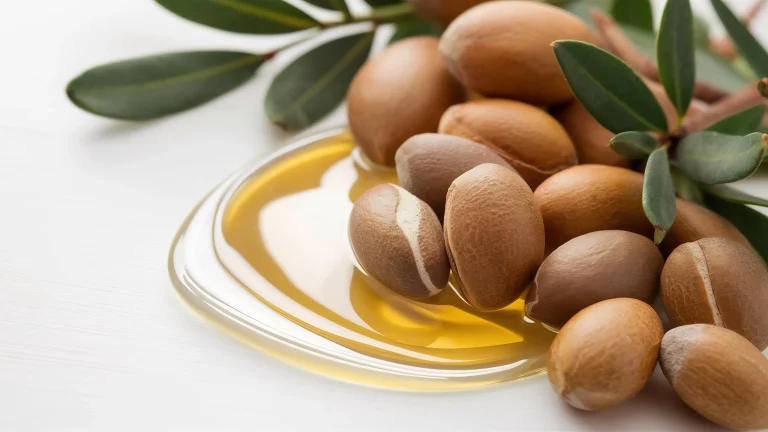
- Argan oil
- Coconut oil
- Jojoba oil
- Macadamia oil
They offer:
- Shine enhancement
- Frizz control
- Heat and environmental protection
Because of their perceived value and strong branding potential, they are ideal for high-margin private label products.
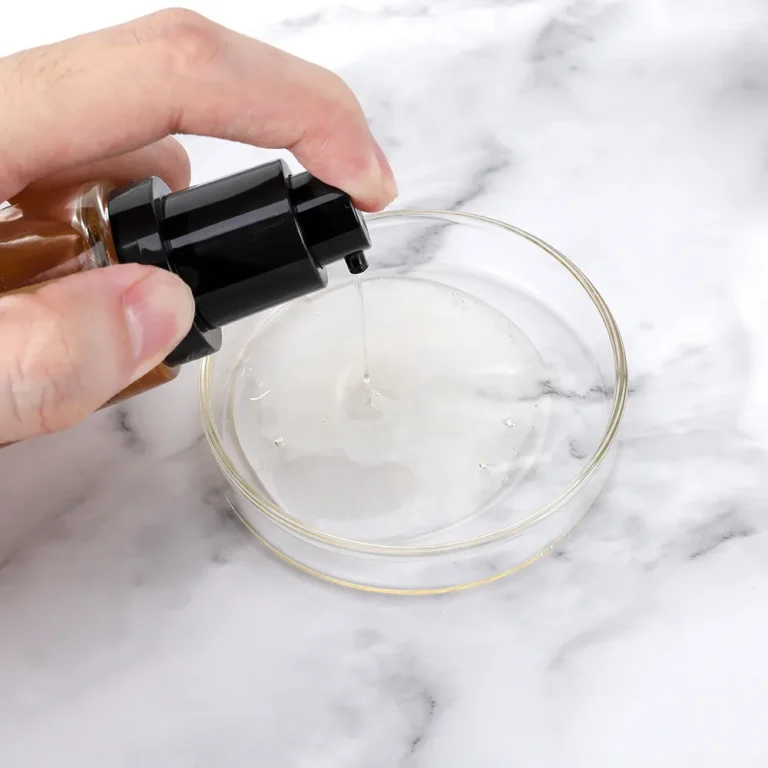
6. Scalp Care Products
Scalp care is one of the fastest-growing segments in hair care private label products.
Examples include:
- Scalp scrubs
- Scalp serums
- Anti-dandruff treatments
- Detox tonics
These products are often used:
- Salicylic acid
- Tea tree oil
- Niacinamide
- Botanical extracts
Adding scalp care products helps position your brand as solution-oriented, not just cosmetic.
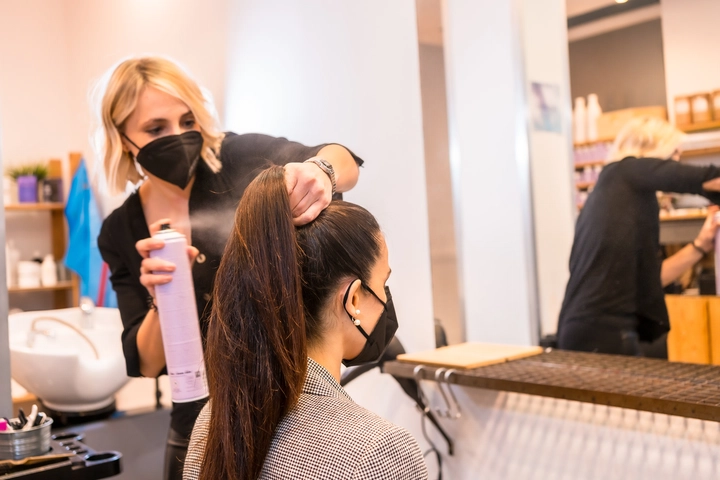
7. Styling Products
Styling products are especially important for salons and professional brands.
Common types:
- Hair gels
- Styling creams
- Pomades
- Hair sprays
- Curl creams
They require precise formulation to balance hold, flexibility, and washability.
8. Hair Growth & Strengthening Products
This category is driven by strong consumer demand.
Products include:
- Hair growth serums
- Strengthening shampoos
- Thickening treatments
- Scalp tonics
Common ingredients:
- Biotin
- Peptides
- Caffeine
These are typically positioned as cosmetic support products, helping improve the appearance of stronger, healthier hair.
How to Build a Profitable Private Label Hair Care Line
A common mistake is launching too many products at once.
A more effective approach is starting with a focused, system-based lineup:
- Shampoo
- Conditioner
- Hair mask
- Leave-in treatment
- Hair oil or serum
This structure allows customers to follow a complete routine, increasing average order value and brand loyalty.
Choosing the Right Private Label Hair Care Manufacturer
Your manufacturer directly impacts your product quality—and your brand reputation.
Key factors to consider:
Formulation capability
Can they develop stable, effective products?
Customization flexibility
Do they offer OEM/ODM, fragrance, and ingredient adjustments?
Production scalability
Can they grow with your business?
Quality control systems
Do they follow standardized testing and compliance?
MOQ flexibility
A low MOQ hair care manufacturer is ideal for testing and early-stage growth.
A strong manufacturing partner is not just a supplier—it’s a long-term growth asset.
FAQs About Private Label Hair Care
Conclusion
Building a successful brand starts with understanding the different types of private label hair care products and how they work together.
From private label shampoo and conditioner to scalp treatments and styling products, each category plays a role in shaping your brand identity and market positioning.
By working with an experienced private label hair care manufacturer, you gain access to:
- Proven formulations
- Scalable production
- Custom branding solutions
If you’re ready to develop your own hair care private label line, the Mountain Sea team can support you from concept to launch.