If you are planning to launch a hair care brand in 2026, navigating the terms White Label, Private Label, and OEM is your first step toward market success. While these models might appear interchangeable at first glance, each offers a distinct strategic advantage tailored to your specific budget, timeline, and brand vision.
Choosing the wrong manufacturing partner can lead to unnecessary costs or missed market opportunities. This guide is designed to demystify these terms with real-world examples from Mountain Sea, a leading private label hair care manufacturer, to help you identify the most efficient path for your business.
What are White Label, Private Label, and OEM
White Label – “Pick and Sell”
White Label products are ready-made by the manufacturer. You simply add your brand logo and start selling. For those seeking white label hair care products, this is the fastest route to market.
For example, you could select a product—such as our shampoo—add your brand logo, and have it online within a few weeks. This model is ideal for rapid market entry, low costs, and minimal risk; however, the product is identical to those of other brands using the same formula, and the level of customisation is very limited.
Private Label – “Your Brand, Your Touch”
Private Label lets you use a manufacturer’s formula but adjust packaging, fragrance, or color to create your unique brand identity.
For instance, you can choose a Mountain Sea shampoo base, tweak the fragrance, redesign the bottle, and build a branded line that stands out. This model balances cost, speed, and brand identity, with moderate customization. Many successful startups find that private label manufacturing offers the best ROI for brand building.
OEM – “Fully Custom Made”
OEM gives you full control: you provide your own formula and design, and the manufacturer produces it exactly as specified. The formula belongs to you, while the manufacturer handles production and quality control.
For example, you might develop a new hair serum formula with a unique bottle design. Mountain Sea will produce it exclusively for your brand. OEM allows complete customization and brand exclusivity but requires a higher cost and longer lead time.
Key point: In OEM, Mountain Sea may suggest minor technical adjustments to ensure production feasibility, but the final formula and design are always controlled by you.
Key Differences Between White Label, Private Label, and OEM
While the terms are often used interchangeably, White Label, Private Label, and OEM represent distinct levels of involvement in the product development process. The following comparison table highlights the fundamental differences in ownership, customization, and lead times to help you streamline your sourcing strategy.
| Feature | White Label | Private Label | OEM |
|---|---|---|---|
| Customization | Logo only | Packaging + small formula tweaks | Full formula + packaging |
| User Operation | Add brand logo, sell immediately | Adjust fragrance, packaging, and some formula elements | Provide formula/design, manufacturer handles production |
| Formula Ownership | Manufacturer | Manufacturer | Client |
| Cost | Low | Medium | High |
| Speed to Market | Fast | Moderate | Slow |
| Risk | Low | Medium | High |
| Best For | Test market quickly | Create a unique product | Create unique product |
| Example | Pre-made shampoo with your logo | Shampoo with custom fragrance and bottle | New hair serum formula + unique design |
How to Choose the Right Model for Your Brand
While Private Label offers flexibility, OEM is the ultimate path for visionaries who want to redefine the market standards. Choosing OEM means moving beyond customization and into the realm of true innovation.
When to Choose White Label
Best for businesses focusing on rapid distribution and testing market demand with proven formulas from a reliable white label products manufacturer.
- Rapid Entry: Your primary goal is to launch quickly with minimal lead times.
- Operational Simplicity: You prefer to leverage pre-existing, market-tested formulas and packaging to avoid the complexities of R&D.
- Core Branding Focus: You have an established audience, but do not require deep product customization to meet their needs.
- Resource Efficiency: You want to minimize upfront capital investment and focus your budget on marketing and sales.
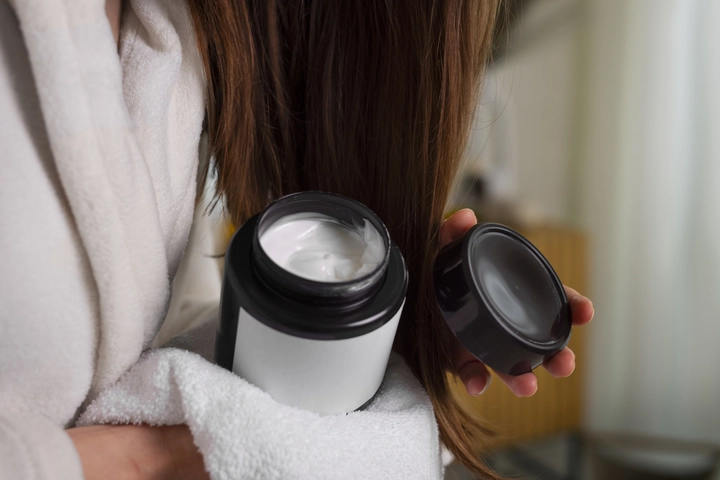
When to Choose Private Label
For brands aiming to build long-term brand equity with controlled risk, this is the ideal solution. Many brands choose to work with private label manufacturers to scale their business.
- Brand Ownership: You are committed to building a unique brand identity rather than reselling an existing one.
- Formula Differentiation: You have a specific product concept—such as an aromatherapy-infused hair oil—that requires more customization than standard off-the-shelf options.
- Strategic Control: You require moderate authority over key elements like active ingredients, fragrance profiles, and premium packaging.
- Market Balance: You seek the optimal equilibrium between development costs, speed-to-market, and high brand recognition.
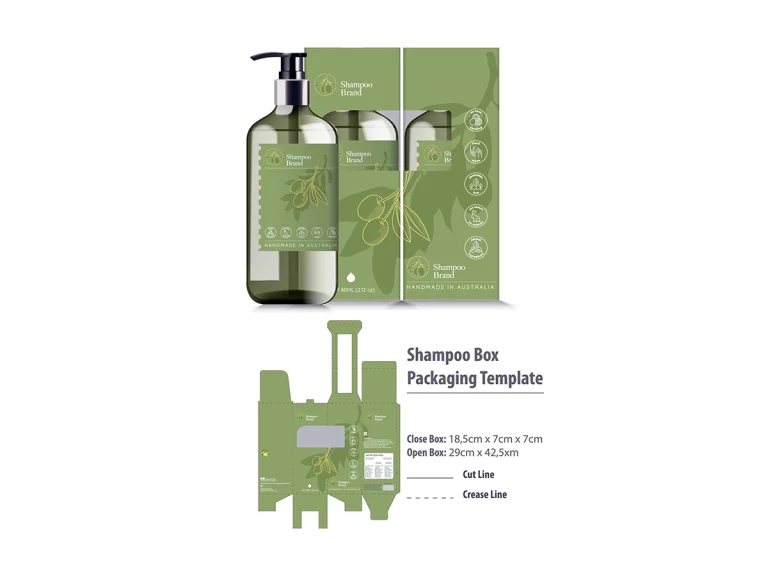
When to Choose OEM
The definitive choice for visionaries and established brands looking to dominate the market with proprietary innovation.
- Total Intellectual Property: You want to own the exclusive rights to your unique formulas, ensuring no other brand can replicate your product’s performance.
- Ground-Up Innovation: You have a revolutionary product concept—such as a patented botanical complex—that does not exist in any manufacturer’s current catalog.
- Bespoke Design Freedom: You require complete control over custom packaging shapes and specialized structural designs that necessitate new tooling and molds.
- Long-Term Scalability: You are prepared for higher upfront R&D costs and longer lead times in exchange for lower unit costs and a significant competitive moat as you scale.
Tip: If you want full exclusivity and complete control over formula and packaging, consider OEM, even if it requires a longer lead time and higher cost.
FAQ about Private Label, White Label, and OEM
Q1: Does Mountain Sea support all three manufacturing models?
Yes. We provide comprehensive White Label, Private Label, and OEM solutions. While the majority of our partners opt for Private Label to achieve brand differentiation, the best choice ultimately depends on your specific business objectives and resources.
Q2: What is the fundamental difference between Private Label and White Label?
The primary difference lies in the level of customization:
- White Label: Your logo is applied to a pre-existing, market-ready product.
- Private Label: In addition to your branding, you can implement minor formula adjustments or unique packaging tweaks to better suit your audience.
Q3: Which model is most effective for emerging e-commerce brands?
Private Label is typically the strategic “sweet spot”. It allows new brands to establish a unique identity and market presence without the high costs and long development cycles associated with full-scale custom manufacturing.
Q4: Do I need a significant budget to start a Private Label line?
Not necessarily. Private Label is designed to be accessible for small-to-medium-sized budgets, offering a cost-effective middle ground between the low-cost entry of White Label and the high-investment requirements of OEM.
Q5: What are the estimated timelines for launching each model?
Launch speeds vary based on the complexity of your requirements:
- White Label: 1-4 weeks.
- Private Label: Typically 4–8 weeks.
- OEM: Generally 2–4 months, depending on the depth of R&D and specialized sourcing involved.
Conclusion
Choosing between White Label, Private Label, and OEM depends on your brand goals, budget, and desired level of control.
- Test the market quickly → White Label
- Grow your brand with some customization → Private Label
- Create a unique product → OEM
With Mountain Sea, you have a trusted private label hair care manufacturer who can support all three models. Most clients select Private Label to balance speed, cost, and branding, but White Label and OEM are fully available for your unique needs.