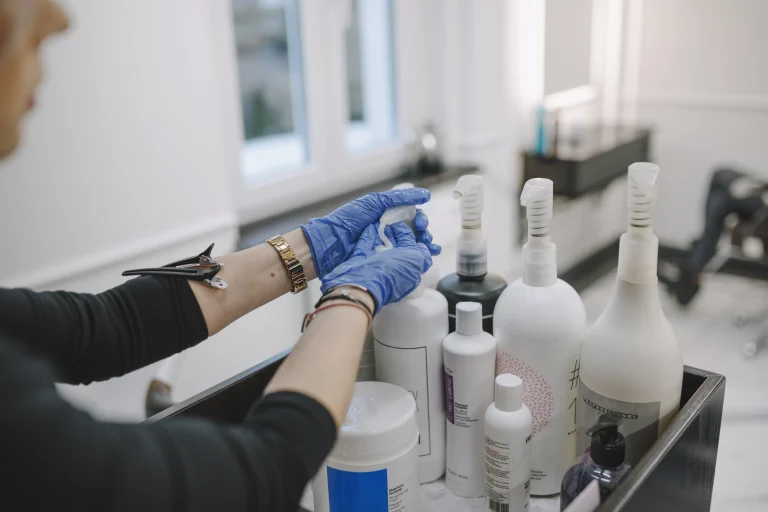
Moving from a hair care brand “concept” to a finished bottle on the shelf is the most challenging transition for any hair care entrepreneur. While the market is booming, the barrier to entry isn’t just about having a great formula—it’s about navigating R&D, compliance, and scalable manufacturing without losing your brand’s soul.
If you’re dreaming of launching your own line of hair care products, this step‑by‑step guide will walk you through everything you need—from product development and regulations to branding, manufacturing, and launch strategy.
Step 1: Define Your Niche and Target Audience
The most successful hair care brands today win by being specific. Instead of trying to serve everyone, focus on a clear niche that aligns with a real consumer need.
Ask yourself:
- What hair type or concern will your brand solve? (curly, coily, thinning, oily scalp, dandruff, color‑treated hair)
- Who is your ideal customer? (Gen Z clean‑beauty shoppers, busy moms, men’s grooming, salon professionals)
- What makes your brand different from other brands of hair care? (vegan formulas, silicone‑free, dermatologist‑tested, sustainable packaging)
Example: “A silicone‑free conditioner line for wavy hair, packaged in compostable tubes.”
A clear niche not only strengthens your brand identity—it also improves SEO visibility when people search for the best private label hair care brands for their specific needs.
Step 2: Understand Regulations and Safety Requirements
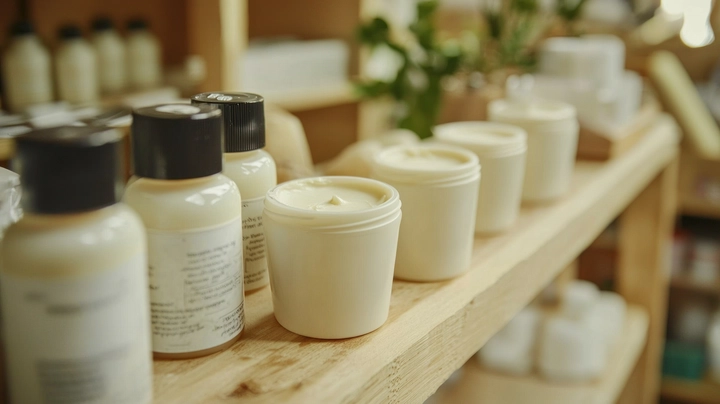
Before you can sell your hair care products, you must comply with cosmetic regulations in your target market. This is essential for safety, credibility, and long‑term growth.
Key requirements include:
- Ingredient compliance with FDA (US) or EC/REACH (EU)
- Proper labeling with INCI names, warnings, net weight, batch codes
- Safety testing, such as stability, preservative efficacy (PET), and microbial testing
Pro Tip: Work with a regulatory consultant or cosmetic chemist early. It reduces risk and ensures your brand meets the standards expected of professional hair care brands.
Step 3: Develop Your Product Line (Formula + Packaging)
Your product is the heart of your brand. There are three main development paths:
| Development Option | Pros | Cons |
|---|---|---|
| Private label hair care | Fast, low cost | Less unique |
| Custom manufacturing | Unique formula, scalable | Higher MOQ, longer timeline |
| DIY / In‑house | Full control | Hard to scale legally |
When choosing packaging, consider:
- Functionality (pumps, tubes, jars, airless bottles)
- Aesthetic alignment with your brand identity
- Sustainability (PCR plastic, glass, compostable materials)
A strong product line helps you compete with established hair care product brands while offering something new and meaningful.
Step 4: Build a Strong Brand Identity
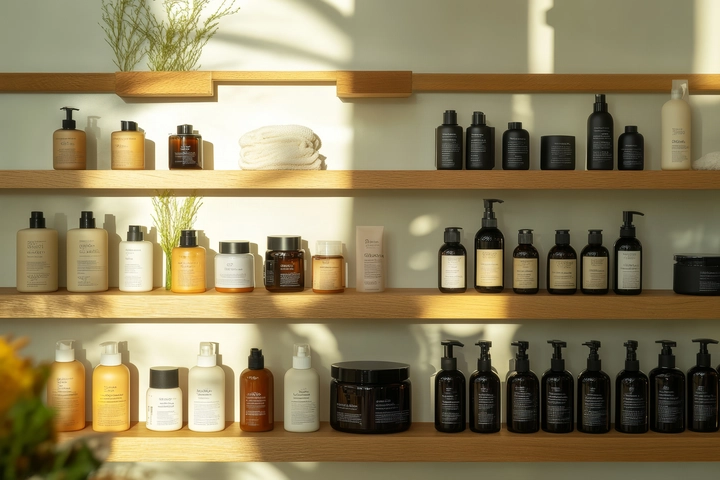
Your brand identity is what transforms a product into a story consumers want to be part of.
Focus on:
- Brand name — memorable, easy to spell, domain available
- Visual identity — logo, colors, typography, packaging design
- Brand voice — educational, scientific, empowering, minimalist
- Mission statement — what your brand stands for and why it exists
A compelling brand story helps you stand out among the best hair care brands and builds trust with early customers.
Step 5: Source Ingredients and Choose a Manufacturer
Finding the right hair care manufacturer is one of the most important decisions you’ll make.
Useful platforms:
- ThomasNet
- ChemSources
- Alibaba (mainly for packaging)
Ask potential manufacturers:
- What is your MOQ?
- Do you offer stability and microbial testing?
- Can you handle filling, labeling, and fulfillment?
- Do you support both custom formulas and private label hair care?
A reliable manufacturing partner ensures consistent quality and smooth scaling as your brand grows.
Step 6: Complete Legal and Business Setup
Before selling your hair care products, make sure your business is legally protected.
You’ll need to:
- Register your business (LLC or corporation)
- Obtain an EIN (US)
- Purchase product liability insurance
- Trademark your brand name and logo
These steps help you operate professionally and protect your brand as it grows.
Step 7: Build Your E‑Commerce Website
Your website is your digital storefront—and often the first impression customers have of your brand.
Your site should include:
- Detailed product pages with ingredient benefits
- High‑quality images and videos
- Customer reviews and before/after photos
- Educational content (blogs, FAQs, guides)
Platforms like Shopify make it easy to launch quickly and scale. Over time, you can expand to Amazon or other marketplaces while maintaining control of your brand identity.

Step 8: Plan Your Launch and Marketing Strategy
A strong pre‑launch strategy helps you build excitement before your first batch arrives.
Effective tactics include:
- Email list building with a free guide or discount
- Social media teasers showing behind‑the‑scenes development
- Influencer seeding to niche communities (e.g., curly hair creators)
- Launch promotions such as bundles or limited‑time offers
Don’t forget to install Google Analytics and Meta Pixel to track conversions from day one.
Step 9: Collect Feedback and Improve
Your first batch is just the beginning. After launch, gather feedback on:
- Product performance (texture, scent, results)
- Packaging durability
- Customer satisfaction and repurchase intent
Use surveys, reviews, and social media messages to guide your next production run. Iteration is what separates good hair care brands from great ones.
Step 10: Scale Your Brand Sustainably
Once you validate demand, consider expanding:
- Subscription models
- Hair tools (brushes, silk scrunchies)
- Treatment products (serums, oils)
- Wholesale to salons or boutiques
- Retail partnerships (Ulta, Target, Credo)
Scaling strategically helps you grow from a startup into a professional hair care brand that consumers trust.
Final Thoughts
Starting a hair care brand is a blend of creativity, science, compliance, and strategy. With a clear niche, strong product development, and a thoughtful launch plan, you can build a brand that stands out among today’s competitive hair care product brands.
If you’re ready to take the next step—whether it’s developing your first formula or exploring private label hair care—reach out to Mountain Sea. Our team helps founders turn ideas into production‑ready hair care products with clarity and efficiency.