Want to launch your own hair care line? The formula matters, but packaging is what customers see first—and it directly impacts your product costs, shipping efficiency, and brand perception. For most entrepreneurs, sourcing bottles, pumps, caps, and labels from multiple suppliers is a time-consuming nightmare.
The smart alternative? Work with a private label manufacturer that offers integrated packaging solutions—saving you months of work, countless headaches, and thousands in hidden costs.
In this guide, I’ll walk you through everything you need to know to choose hair care packaging that looks premium, performs reliably, meets your budget, and aligns with your values—without wasting months hunting down separate suppliers.
Why You Should Rethink the Traditional Packaging Sourcing Approach
Most first-time founders think they need to source formulas and packaging separately—finding a manufacturer, then hunting for bottles, pumps, and labels. This means juggling multiple vendors, MOQs, and delivery timelines. The result? Mismatched threads, delayed labels, and constant headaches.
The smarter solution: work with a full-service private label manufacturer that offers integrated packaging. Mountain Sea provides both formulation and packaging under one roof—one contact, one timeline, one quality standard. No compatibility issues, no wasted time. Everything arrives together, ready to go.
Step 1: Understanding Your Hair Care Packaging Options
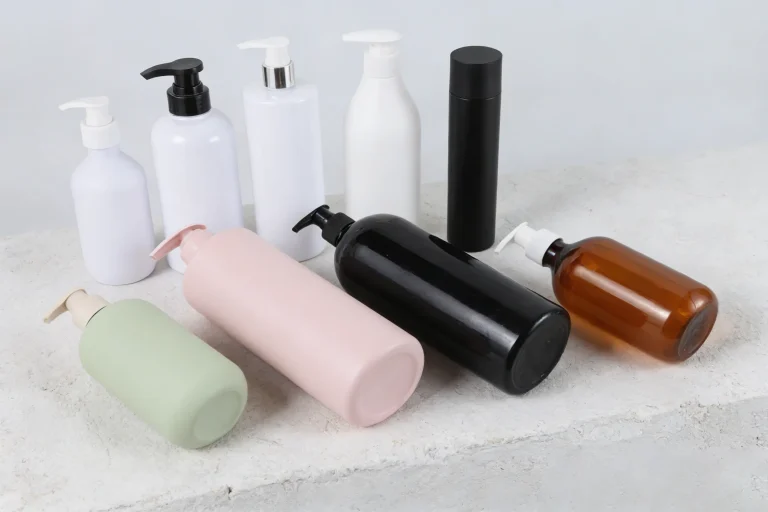
Before you can choose packaging, you need to know what‘s available. Here’s a breakdown of common packaging types used in the hair care industry:
| Packaging Type | Best For | Advantages | Disadvantages | Reduces plastic use, is lightweight for shipping, and strong repeat purchase potential |
|---|---|---|---|---|
| Plastic Bottles (PET) | Shampoos, conditioners, leave-in treatments | Lightweight, transparent like glass, highly recyclable, impact-resistant | Lower premium feel than glass | Low |
| Plastic Bottles (HDPE) | Thick shampoos, shower gels, body washes | Durable, excellent chemical resistance, opaque (protects light-sensitive formulas) | Not transparent, limited design options | Low |
| Plastic Bottles (PP) | Creams, balms, pump-dispensed products | Heat-resistant, chemically stable, safe for humid bathroom environments | Semi-transparent to opaque | Low |
| Glass Bottles | Hair oils, serums, luxury shampoos | Premium look, chemically inert, infinitely recyclable | Heavy, breakable, higher shipping costs | High |
| Airless Pump Bottles | High-end treatments, serums, sensitive formulas | Prevents air contamination, extends shelf life, precise dosing | Expensive, complex mechanism | Medium-High |
| Flexible Tubes | Hair masks, styling creams, thick treatments | Convenient squeeze dispensing, travel-friendly, customizable | Lower recyclability, label wear issues | Medium |
| Refillable Pouches | Eco-friendly brands | Reduces plastic use, is lightweight for shipping, and has strong repeat purchase potential | Requires customer education | Low |
| Shampoo Bars (Paper) | Zero-waste, solid shampoo | Zero plastic, extremely lightweight, minimal shipping cost | Less convenient for daily shower use | Low |
Step 2: Material Compatibility — Does Your Formula Match Your Container?
One critical factor that many first-time brand owners overlook is chemical compatibility between your hair care formula and the packaging material.
What happens when they aren‘t compatible?
Over time, incompatible packaging can cause:
- Degradation of the packaging material (bottles become brittle or cloudy)
- Leaching of chemicals from the packaging into your product
- Product seepage or contamination
- Off-odors or discoloration
Key compatibility considerations:
Essential oils and oils in general: Oils can degrade certain plastics over time, leading to material seepage or package breakdown. Glass is generally the safest option for oil-based products.
pH levels: Products with very high or low pH values require containers with excellent chemical resistance. HDPE is known for good chemical resistance across a broad pH range.
Heat sensitivity: If your product will be stored or sold in warm environments, consider PP (polypropylene) plastic, which has good heat resistance.
Light sensitivity: If your formula contains ingredients that degrade when exposed to UV light (such as certain vitamins or botanical extracts), choose opaque HDPE bottles or colored glass (cobalt blue or amber) to protect the product.
A full-service manufacturer like Mountain Sea can help you avoid these pitfalls entirely by recommending packaging materials that are proven to work with your specific formula.
Step 3: The Real Cost of Hair Care Packaging — Beyond the Per-Unit Price
Understanding packaging costs goes far beyond the price per bottle. Here‘s the full picture.
Per-Unit Costs (Estimated)
| Component | Low Range (standard) | Mid Range (semi-custom) | High Range (fully custom) |
|---|---|---|---|
| Plastic Bottle (100-250ml) | 0.10–0.30$ | 0.30–0.80$ | 0.80–2.00+ |
| Glass Bottle (100-250ml) | 0.50–1.00$ | 1.00–1.80$ | 1.80–3.50+ |
| Pump / Dispenser | 0.08–0.20$ | 0.20–0.50$ | 0.50–1.50+ |
| Cap / Closure | 0.03–0.10$ | 0.10–0.30$ | 0.30–1.00+ |
| Label (per bottle) | 0.03–0.08$ | 0.08–0.20$ | 0.20–0.50+ |
| Total Packaging Per Unit | 0.24–0.68$ | 0.68–1.80$ | 1.80–7.00+ |
Note: These are estimated ranges for reference; actual costs depend on order volume, customization level, and supplier.
Hidden Costs Brand Should Know
- Tooling & mold fees – Custom bottle shapes or unique cap designs require new molds. Cost range: 1,500–1,500–10,000+, depending on complexity and material.
- Minimum Order Quantities (MOQs) – Per-unit pricing drops at higher volumes. Example: 0.15/bottlefor50,000unitsvs 0.35/bottle for 5,000 units. Ordering too much creates inventory holding costs (warehouse space, insurance, tied-up capital, potential obsolescence).
- Sampling & prototyping – 100–500 per SKU, especially when color matching, custom finishes, or complex printing are involved.
- Logistics & warehousing – Glass bottles are significantly heavier than plastic, increasing international shipping costs. Odd-shaped bottles may require custom corrugated inserts for protection, adding to secondary packaging expenses.
The Solution: Integrated Packaging from Your Manufacturer
The most effective way to control costs is to source everything from a single manufacturer. Here’s why:
When you work with a full-service private label manufacturer like Mountain Sea, you eliminate most of these hidden costs:
- No need to pay separate mold fees to multiple suppliers
- No compatibility testing between components from different vendors
- No logistics coordination headaches
- One shipping cost for everything—formula and packaging together
Plus, your manufacturer‘s established relationships with packaging suppliers often mean better pricing than you could negotiate on your own. With the right partner, you can launch faster, with less upfront capital, and with far fewer risks.
Step 4: Sustainability in Hair Care Packaging
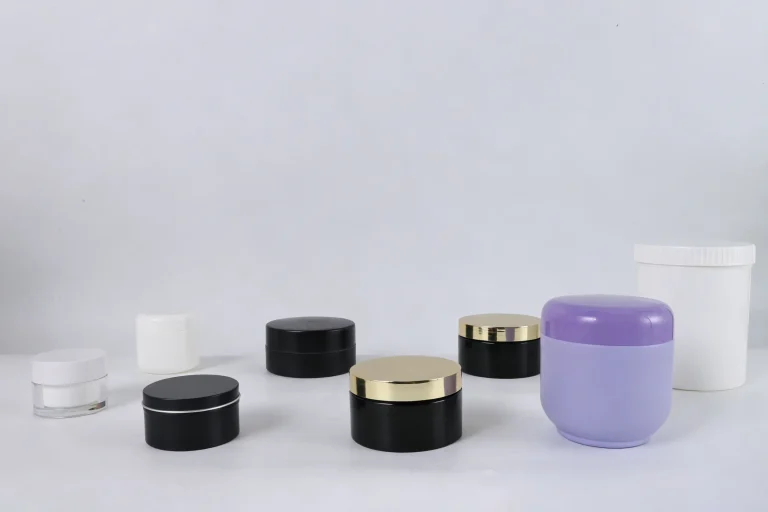
When selecting packaging for your hair care products, focus on choices that reduce environmental impact without compromising professionalism or compliance. Keep these key aspects in mind:
- Recyclable Materials – Opt for bottles, jars, or tubes that are widely recyclable to minimize waste.
- Minimize Packaging Layers – Cut down on extra boxes, wraps, or inserts to reduce costs and simplify the user experience.
- Regulatory Compliance – Ensure labels and printed materials meet FDA (US) or EU Cosmetic Regulations for safety and legality.
- Professional Appearance – Smart material and design choices boost brand credibility and appeal to conscious consumers.
- Cost Efficiency – Simplified, recyclable packaging often lowers both production and shipping expenses.
Addressing these points helps you create packaging that is more responsible, visually appealing, and fully aligned with regulatory requirements and consumer expectations.
Step 5: What to Check Before Mass Production — The Pre-Production Checklist
Skipping validation steps is the fastest way to launch a product that fails. Every packaging component should be tested before you approve mass production.
Essential testing checklist:
Seal and leak testing — Fill sample containers, cap them, and test:
- Inverted position for 24-72 hours
- Shaken vigorously
- Stored at different temperatures (especially if shipping to diverse climates)
- Subjected to pressure changes (simulating air freight)
Pump and dispenser testing:
- Pump life expectancy (minimum 200-300 pumps without failure)
- Output volume accuracy (±10% of specified dose)
- No sputtering, leaking, or clogging
Label adhesion test:
- Apply the label and store in a humid environment (bathroom simulation) for 1 week
- Lightly rub and scratch — does the ink or laminate hold up?
- Peel test — how much force is needed to remove?
Drop and transport simulation:
- Drop filled bottles from counter height (36 inches) onto a hard floor
- Shake in a box with typical shipping packaging
- Check for any cracks, dents, or cap loosening
Color matching:
- Compare production samples against approved color standards
- Check color consistency across multiple bottles from the same batch
A good private label manufacturer will manage all this testing for you. When you work with Mountain Sea, quality control is built into every step—so you don‘t have to chase multiple vendors for samples or test results.
Step 6: Design and User Experience — How Packaging Drives Sales
Your packaging doesn’t just hold your product—it sells it. Here‘s what to consider for maximum shelf impact and customer satisfaction.
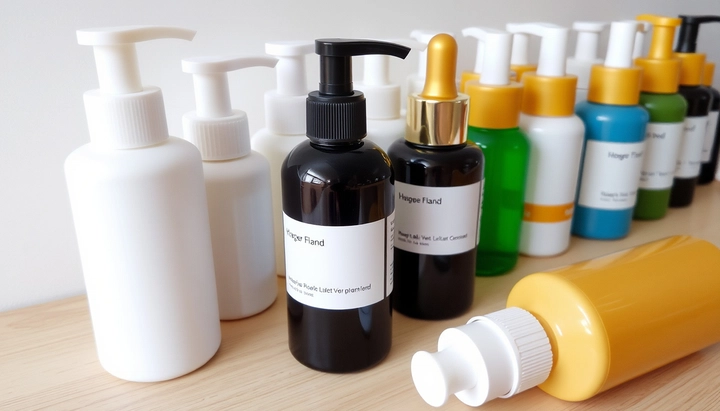
Shape and ergonomics: Round bottles are standard and easy to produce, but less distinctive. Square or oval bottles stand out but may require custom secondary packaging. Consider the in-use experience: Can customers grip the bottle easily with wet hands? Does the pump provide a comfortable actuation force?
Label and printing options:
- Pressure-sensitive labels — Most common, good for small runs, available in clear or white substrate
- Shrink sleeves — Full-body coverage, great for tamper-evident seals, but less recyclable
- Direct printing (screen or digital) — No label, very premium look, but higher minimums
- No-label look — Clear PET with minimal transparent labels creates a “premium minimal” aesthetic
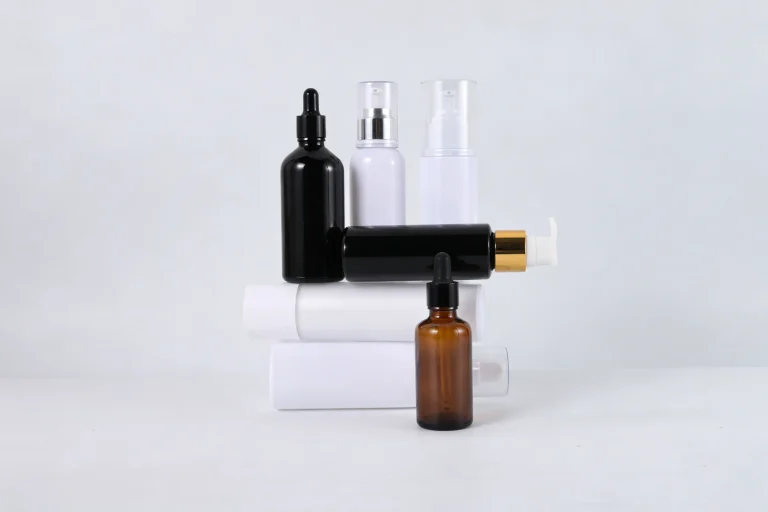
Cap and pump ergonomics: The dispensing method significantly affects user satisfaction. In the hair care category, pump-top bottles are most common for shampoo and conditioner—they’re one-handed and prevent overpouring. Flip-top caps work well for thicker conditioners. Dropper bottles are standard for concentrated hair oils and serums [8†L30-L33].
Tactile finishes: Matte soft-touch coating signals premium quality. Glossy finishes suggest freshness and clarity. Embossed logos add texture and brand recognition without additional label costs.
Working with a Private Label Hair Care Manufacturer That Offers Integrated Packaging
The biggest decision you’ll make is choosing a manufacturer. Instead of piecing together packaging from multiple suppliers, consider this simpler approach.
How Mountain Sea Simplifies Hair Care Packaging
When you partner with Mountain Sea, you get:
- Integrated formulation + packaging — One partner from concept to finished product
- Pre-vetted packaging options — Bottles, pumps, labels, and closures that work with your formula
- One point of contact — No juggling multiple vendors or delivery timelines
- Simplified logistics — Everything ships from one location, fully assembled and ready for retail
- Lower effective MOQs — No need to meet separate MOQs for bottles, pumps, and labels
This means you can focus on what really matters—building your brand, finding customers, and growing your business—rather than spending months chasing packaging suppliers across the globe.
Suggested Packaging Strategy by Brand Stage
| Brand Stage | Recommended Approach | Estimated Packaging Cost Per Unit |
|---|---|---|
| Market testing (small sample run) | Stock PET/HDPE bottles + stock caps + simple adhesive labels | 0.30–0.80 |
| Small launch (500–3,000 units) | Stock bottle + custom color + custom-printed labels | 0.60–1.50 |
| Growth brand (3,000–20,000 units) | Semi-custom bottles + custom pump + branded packaging | 1.00–2.50 |
| Established brand (20,000+ units) | Fully custom molds + premium materials + sustainable options | 2.50–5.00+ |
Action Plan: Your Next Steps
Ready to choose packaging for your hair care brand? Follow this simple roadmap:
Step 1: Define your product lineup. Which specific hair care products are you launching? Shampoo? Conditioner? Hair oil? Treatment mask? Each product may require different packaging.
Step 2: Determine your brand positioning. Are you budget-friendly, mid-range, or luxury? Your packaging choice must align with your price point and target audience.
Step 3: Reach out to a private label manufacturer like Mountain Sea. Discuss your formula needs and ask about their integrated packaging offerings.
Step 4: Request packaging samples. Test compatibility, appearance, and functionality before committing.
Step 5: Calculate the total packaging cost per unit and ensure it fits within your target retail margin (ideally, packaging represents 10-20% of the final product COGS).
Step 6: Order a small production run (500–3,000 units) to validate before scaling.
Ready to Launch Your Hair Care Brand?
Great packaging doesn‘t happen by accident. It requires thoughtful planning, careful material selection, rigorous testing, and the right manufacturing partner.
At Mountain Sea, we’ve helped countless entrepreneurs and established brands bring their hair care visions to life. From custom formulation to packaging selection to full-scale production, we offer everything you need under one roof.
Contact Mountain Sea today to discuss your hair care packaging needs. Tell us about your product concept, brand vision, and target market—and we‘ll help you choose packaging that’s beautiful, functional, and cost-effective.