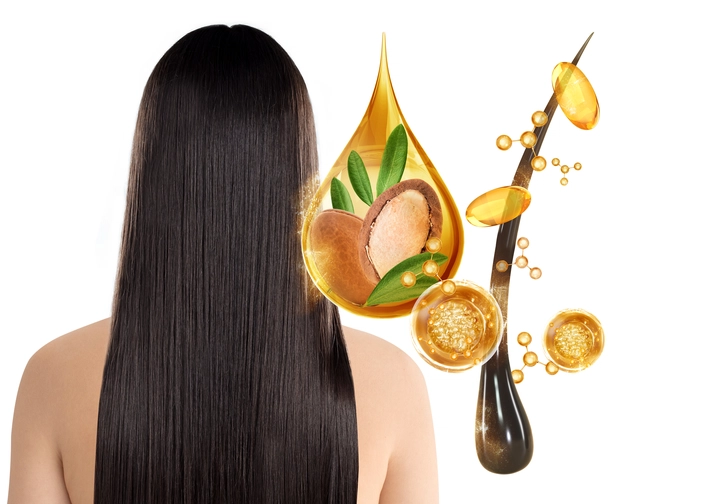
The demand for organic hair care products continues to grow, but building a successful organic hair care brand has become far more complex than simply using botanical ingredients or “clean beauty” marketing. Consumers today expect more. They want products that combine ingredient transparency with real performance — shampoos that cleanse effectively, conditioners that improve hair texture, and formulations that align with modern scalp care trends.
For salon brands, startups, and beauty businesses entering the market through private label organic hair care manufacturing, understanding what truly drives long-term brand success has become increasingly important.
This article explores what the best organic hair care brands do differently, why some products fail despite strong marketing, and what businesses should consider when developing a competitive organic hair care line.
Understanding the Real Demand Behind Organic Hair Care
Search behavior around terms like “best organic shampoo” or “natural hair care products for damaged hair” reveals an important shift in consumer expectations. Most buyers are no longer simply looking for products labeled “organic.” They are searching for products they perceive as safer, more transparent, and better aligned with wellness-focused lifestyles.
This demand is closely connected to broader consumer behavior trends, including:
- Increased awareness of scalp health
- Preference for sulfate-free and silicone-free formulations
- Growing interest in botanical ingredients
- Demand for minimalist ingredient lists
- Skepticism toward overly synthetic formulations
- Influence from clean beauty communities and ingredient-focused social media content
Consumers have also become significantly more ingredient-aware. Ingredients such as argan oil, rosemary extract, peppermint oil, aloe vera, and tea tree oil are now widely recognized and often associated with healthier hair care routines and cleaner beauty standards.
As a result, organic hair care products are no longer limited to niche wellness markets. Demand now exists across salon retail, eCommerce brands, premium beauty stores, independent beauty startups, and professional salon environments.
For businesses entering this category, trend-based branding alone is rarely enough. Consumers increasingly expect formulation transparency, visible product performance, and consistency across every purchase experience.

Why Many Organic Hair Care Brands Struggle to Retain Customers
One of the biggest misconceptions in the organic beauty market is the belief that ingredient positioning alone can build long-term customer loyalty. In reality, consumers may purchase a product once because it appears “clean” or “natural,” but repeat purchases depend heavily on the product’s actual performance. An organic shampoo still needs to cleanse effectively without causing excessive dryness. A conditioner still needs to improve softness and manageability. Hair oils still need to be absorbed properly without leaving a heavy residue or buildup.
Many weaker brands focus heavily on marketing language while overlooking formulation balance, texture quality, fragrance stability, or long-term user experience. This is often where retention problems begin.
For example, some naturally derived ingredients commonly used in organic formulations can affect viscosity stability, fragrance consistency, or shelf life if formulations are not properly balanced during development. Poor formulation structure may also create inconsistencies between production batches, which can eventually damage long-term customer trust.
The strongest organic hair care brands usually invest heavily in formulation development because they understand that performance drives retention.
Successful formulations often focus on balancing:
- Effective cleansing without excessive stripping
- Lightweight hydration without buildup
- Botanical ingredients with formulation stability
- Natural fragrance profiles with long-term consistency
- Scalp comfort with reliable product performance
Consumers may initially care about ingredient claims, but long-term loyalty is usually built through consistent product results.

Strong Organic Hair Care Brands Have Clear Market Positioning
Many emerging brands try to appeal to everyone at once. This often weakens brand identity and makes marketing less effective.
The most successful organic hair care brands usually establish a very clear positioning strategy early in development. Some focus on scalp wellness. Others position themselves around salon-grade hydration treatments or minimalist ingredient philosophies. Some emphasize botanical ingredients, while others focus on vegan formulations or premium sensory experiences. Clear positioning helps consumers immediately understand what the brand represents.
In today’s market, strong hair care products’ positioning strategies often include:
- Scalp-focused organic hair care
- Salon-grade botanical treatments
- Curl-focused natural hair care
- Luxury organic hair oils
- Vegan organic hair care collections
- Minimalist sulfate-free routines
Strong positioning also improves decision-making during formulation development, packaging selection, and marketing execution.
For example, brands targeting premium salon environments may prioritize fragrance sophistication, texture performance, and packaging presentation differently from brands targeting minimalist wellness consumers.
Product Categories Driving Growth in Organic Hair Care
Not every product category performs equally well within the organic hair care market. Some categories naturally align better with current consumer purchasing behavior and long-term retention patterns.
Organic Shampoos Remain a Strong Entry Point
Shampoo products continue to perform strongly because many consumers begin transitioning into cleaner beauty routines by replacing traditional shampoos first.
This has created strong demand for:
- Sulfate-free shampoos
- Scalp care shampoos
- Moisturizing botanical shampoos
- Color-safe organic shampoos
- Sensitive scalp cleansing products
For emerging brands, shampoo products often create strong repeat-purchase potential when formulation performance remains consistent.
When developing shampoo lines through private label manufacturing, formulation balance becomes especially important. Consumers increasingly expect sulfate-free shampoos to maintain cleansing performance while still delivering a satisfying wash experience and texture profile.
Conditioners and Hair Masks Support Premium Positioning
Conditioners and treatment masks often play a major role in premium brand positioning because consumers expect visible results after use.
Texture quality becomes especially important in this category. Even formulations with strong ingredients may struggle commercially if the rinse feel, spreadability, or after-feel creates a poor user experience.
Many successful organic hair care brands invest heavily in sensory performance, including:
- Texture consistency
- Fragrance balance
- Spreadability
- Rinse feel
- Post-use softness
These details often influence customer retention more than marketing claims alone.
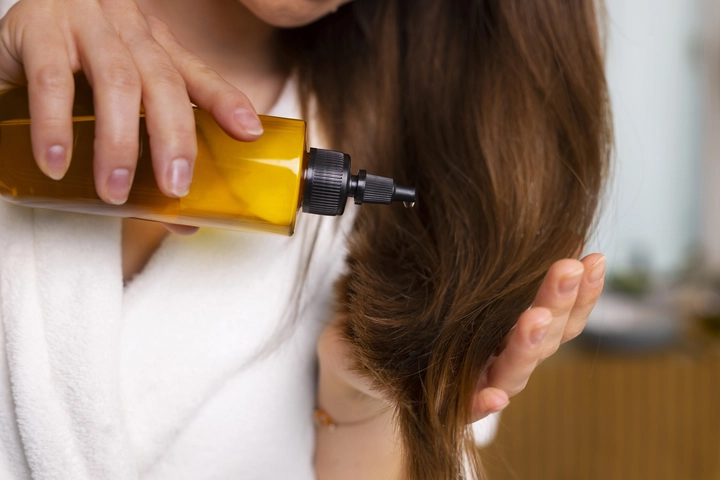
Hair Oils Support Strong Ingredient Storytelling
Hair oils continue to perform well because they naturally support ingredient-focused branding.
Consumers already recognize oils such as argan oil, rosemary oil, coconut oil, and tea tree oil, making it easier for brands to communicate product benefits clearly.
Hair oils also tend to perform well in salon retail environments because they often carry strong perceived value relative to production cost.
Why More Brands Are Choosing Private Label Organic Hair Care Manufacturers
Building formulations internally requires significant investment in sourcing, testing, stability evaluation, packaging coordination, and production systems.
For many startup founders and growing beauty businesses, working with an experienced private label organic hair care manufacturer creates a more practical and scalable path to market.
This allows brands to focus more heavily on:
- Branding
- Customer acquisition
- Sales strategy
- Retail expansion
- Market positioning
while relying on experienced manufacturing teams for formulation and production support.
Depending on the manufacturing partner, support may include:
- Ready-to-market formulations
- Custom formulation development
- Fragrance customization
- Packaging coordination
- Regulatory support
- Scalable production capacity
For newer brands, this can significantly reduce development timelines and operational complexity.
For growing businesses, it also creates more flexibility when expanding product categories or entering new distribution channels.

What Experienced Buyers Look for in an Organic Hair Care Manufacturer
Choosing the right manufacturing partner affects far more than production output alone. Experienced buyers often evaluate manufacturers based on operational reliability, formulation capability, and long-term scalability rather than simply comparing pricing.
Formulation Capability
A strong manufacturer should understand how naturally derived ingredients interact with formulation stability, preservation systems, viscosity control, and long-term performance consistency.
This becomes especially important in organic and botanical-based formulations, where ingredient instability can affect product quality over time.
Packaging Flexibility
Packaging strongly influences perceived product value within the organic beauty market.
Brands often require flexibility around:
- Bottle styles
- Pumps and closures
- Label finishes
- Secondary packaging
- Packaging compatibility with formulation viscosity
In premium positioning, packaging consistency can strongly influence perceived brand quality before consumers even test the product itself.
For brands planning long-term growth, flexible packaging support can also simplify future product expansion and reduce sourcing complexity.
Scalable Manufacturing Capacity
Many emerging brands begin with smaller production volumes but later require larger manufacturing support as distribution grows.
Some brands underestimate how difficult it can be to maintain formulation consistency when scaling from small production batches to larger manufacturing runs.
A manufacturer with scalable production systems can help reduce operational disruption during growth phases while maintaining production consistency.
Industry Experience
Manufacturers with experience in professional organic hair care products often provide stronger guidance around:
- Formulation trends
- Ingredient compatibility
- Packaging selection
- Production planning
- Category positioning strategies
This type of operational insight can be especially valuable for emerging brands entering competitive markets for the first time.

Building a Competitive Organic Hair Care Brand Today
The organic hair care category still offers strong opportunities, but consumer expectations are significantly higher than they were several years ago.
Successful brands often share several characteristics:
- Strong product performance
- Clear market positioning
- Consistent branding
- Formulation transparency
- High-quality packaging
- Reliable manufacturing support
Consumers now have access to thousands of hair care products online. Simply labeling a product as “organic” is no longer enough to create long-term trust or customer retention. Brands that succeed usually focus on developing products that fit naturally into modern consumer routines while delivering reliable performance across repeated use.
For businesses entering this category, choosing the right formulation and manufacturing strategy can strongly influence long-term scalability, operational stability, and customer retention outcomes.
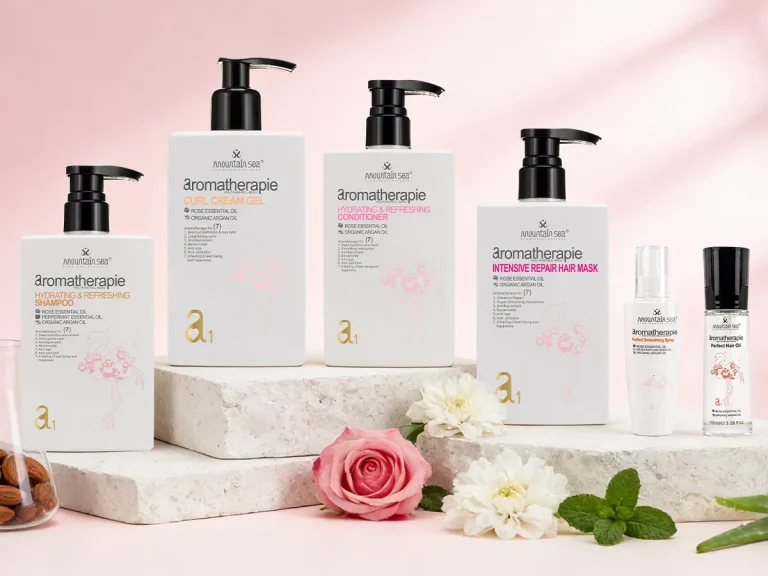
At Mountain Sea, we work with salon brands, distributors, startups, and beauty businesses, developing private label organic hair care products for modern clean beauty markets. Our team supports brands with customizable formulations, flexible manufacturing solutions, and scalable product development strategies designed around long-term market positioning rather than short-term trends.
If you’re planning to launch your own organic hair care brand but aren’t sure which products best fit your market, our team can help you choose the right formulations and develop a product line aligned with your brand goals.