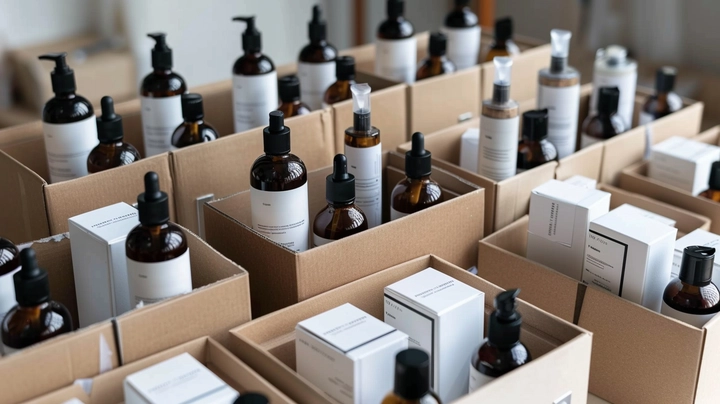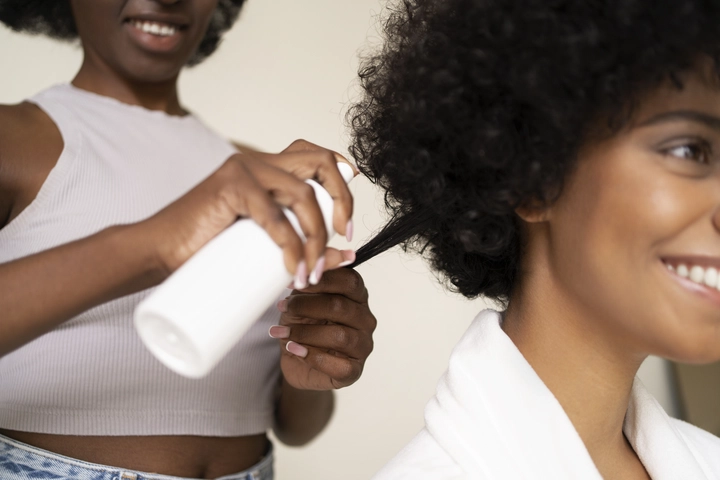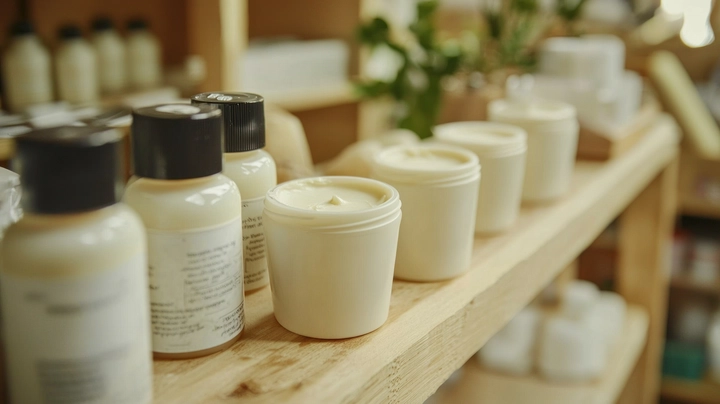
Launching hair care products successfully requires more than simply having a good formula. Brands need clear positioning, the right sales channels, strong marketing, and customer retention strategies to turn products into long-term business growth.
Whether you are building a private label hair care brand or expanding an existing hair care business, understanding how to reach the right audience and scale efficiently is essential for standing out in today’s competitive market.
1. Define Your Target Market
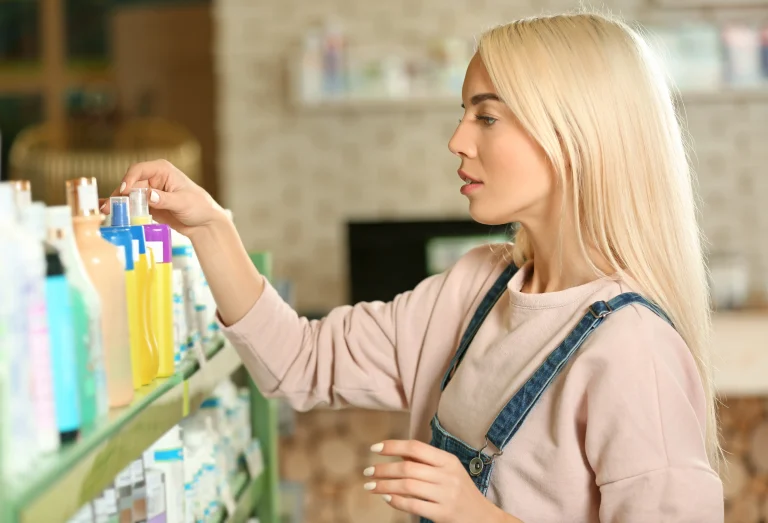
Many hair care brands fail because they try to sell to everyone instead of focusing on a specific customer group. Before launching your products, you need to clearly understand who your ideal customers are, what hair concerns they have, and where they shop online or offline.
Consumers purchase hair care products based on desired results. Some customers look for scalp care solutions, while others focus on hair repair, curl definition, hydration, or anti-hair loss products. Your marketing, packaging, and product messaging should align with these specific needs.
Understand Your Ideal Customer
Start by identifying:
- Hair concerns: damaged hair, oily scalp, curly hair, color-treated hair, hair thinning
- Age group and lifestyle
- Spending habits
- Preferred shopping channels
- Ingredient preferences such as vegan, sulfate-free, or silicone-free
For example, younger consumers are often influenced by TikTok trends and short-form videos, while salon-focused customers may prioritize professional-quality ingredients and visible results.
Analyze Competitors and Market Gaps
Competitor research helps you identify opportunities in the hair care market. Instead of copying successful brands, look for gaps that are underserved.
| Area | Questions to Analyze |
|---|---|
| Product Positioning | What benefits are competitors focusing on? |
| Packaging | Are products designed for social media appeal? |
| Pricing | Are there opportunities in premium or affordable segments? |
| Ingredients | Which trending ingredients are gaining attention? |
| Customer Reviews | What complaints appear repeatedly? |
A strong, unique selling proposition (USP) could include:
- Salon-quality formulas at affordable pricing
- Vegan or cruelty-free positioning
- Scalp-focused treatments
- Minimalist ingredient lists
- Professional hair repair systems
For private label hair care brands, defining a focused niche early makes marketing more efficient and lowers customer acquisition costs.

2. Build a Strong Brand Positioning
In the hair care industry, customers rarely buy products based on ingredients alone. They buy trust, emotional connection, and the promise of transformation. Strong branding helps consumers immediately understand what your products represent and why they should choose your brand over competitors.
A clear brand identity also improves advertising performance, social media engagement, and customer retention. Without consistent branding, even high-quality hair care products may struggle to gain traction.
Create a Clear Brand Story
Your brand story should explain:
- What your brand stands for
- Who your products are designed for
- What makes your formulas different
- Why customers should trust your products
Popular positioning angles for hair care brands include:
- Clean beauty
- Salon-quality performance
- Natural or botanical ingredients
- Luxury hair repair
- Professional scalp care
- Minimalist hair routines
The most successful hair care brands maintain consistent messaging across:
- Product packaging
- Website design
- Social media content
- Advertising creatives
- Email marketing
Optimize Packaging for Marketing
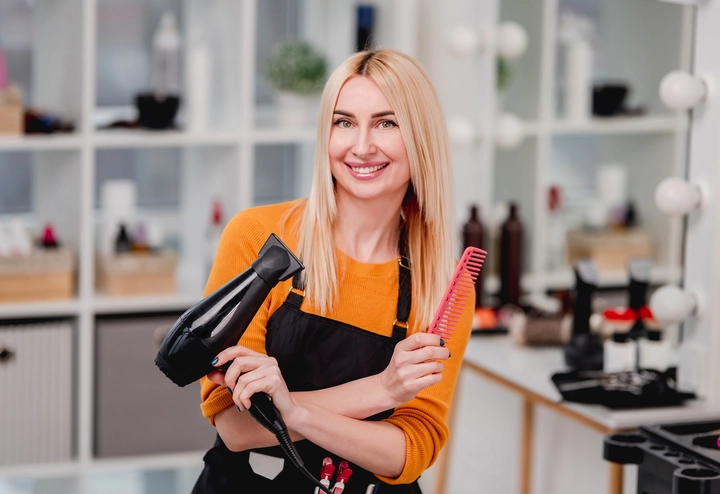
Packaging is not only functional — it is also a marketing tool. In today’s social media-driven environment, visually appealing packaging can increase click-through rates, improve unboxing experiences, and encourage user-generated content.
Effective hair care packaging often includes:
- Clean and readable labels
- Premium color palettes
- Consistent brand identity
- Strong shelf visibility
- Easy-to-understand benefit claims
Many hair care manufacturers now help brands optimize packaging compatibility, bottle selection, and printing quality to improve market presentation.
A premium-looking product often increases perceived value, allowing brands to position products at higher price points.
Want to learn more about hair care product packaging? Please read: How to Choose Hair Care Packaging for Your Brand
3. Choose the Right Sales Channels
Selecting the right sales channels is one of the most important decisions when bringing hair care products to market. Different channels require different pricing strategies, marketing approaches, and operational structures.
Instead of trying every platform at once, many successful hair care businesses begin with one primary channel and expand gradually after validating demand.
DTC (Direct-to-Consumer) Ecommerce
Building an independent website through platforms like Shopify gives brands more control over customer experience, branding, and profit margins.
Benefits of DTC hair care sales include:
- Full ownership of customer data
- Higher profit margins
- Better long-term brand building
- Flexible pricing and promotions
- Stronger customer loyalty opportunities
DTC is especially effective for:
- Subscription-based products
- Hair repair systems
- Scalp care routines
- Premium hair care products

Online Marketplaces
Marketplaces can help new brands gain visibility faster.
Common channels include:
- Amazon
- Walmart Marketplace
- TikTok Shop
- Etsy (for niche natural products)
Each platform has different advantages:
| Platform | Best For |
|---|---|
| Amazon | Large search traffic |
| TikTok Shop | Viral product discovery |
| Walmart Marketplace | Mass-market exposure |
| Etsy | Handmade or botanical positioning |
However, marketplace competition is often intense, making branding and customer reviews critical.
Offline Distribution
Offline distribution still plays an important role in the hair care business.
Potential offline channels include:
- Hair salons
- Beauty supply stores
- Boutique retailers
- Professional distributors
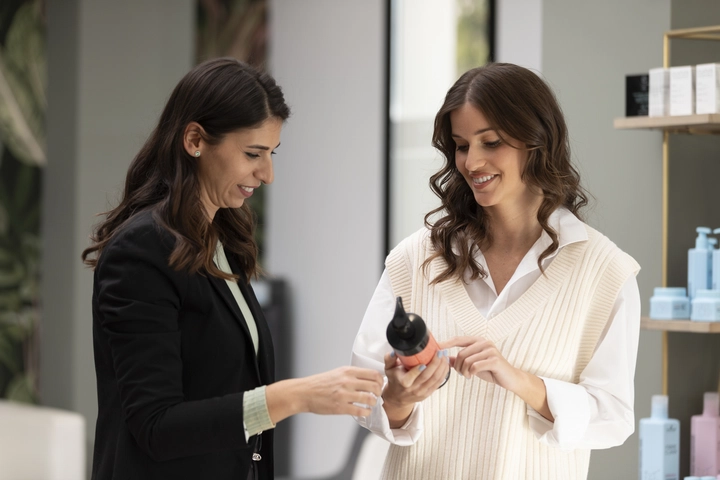
Salon partnerships are especially valuable because they increase trust and encourage repeat purchases through professional recommendations.
4. Use Social Media to Build Brand Awareness
Social media has become one of the most powerful tools for hair care marketing. Platforms like TikTok and Instagram allow brands to showcase visible product results, educate consumers, and build trust quickly.
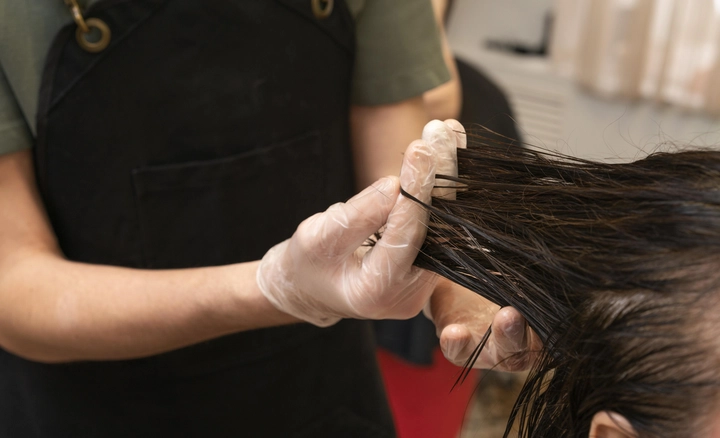
Unlike many industries, hair care products perform extremely well with visual content because consumers can immediately see transformations and styling results.
Short-Form Video Marketing
Short-form video content works particularly well for:
- Before-and-after transformations
- Hair care tutorials
- Wash-day routines
- Product texture demonstrations
- Ingredient education
Platforms that perform best include:
- TikTok
- Instagram Reels
- YouTube Shorts
The most effective videos often feel authentic rather than overly polished. Consumers tend to trust realistic demonstrations more than highly produced advertisements.
Influencer and UGC Strategies
Micro-influencers are often more effective than celebrities for growing hair care brands because they usually generate higher engagement and stronger audience trust.
Common influencer strategies include:
- Product seeding campaigns
- Affiliate partnerships
- Routine-based tutorials
- Honest review videos
- Before-and-after content
User-generated content (UGC) also helps reduce advertising costs because brands can repurpose customer videos for paid campaigns.
Content That Performs Well
The following content formats consistently perform well for hair care products:
| Content Type | Why It Works |
|---|---|
| Hair transformation videos | Creates visual proof |
| Tutorials and routines | Educates consumers |
| Ingredient breakdowns | Builds trust |
| Customer testimonials | Increases credibility |
| Styling tips | Encourages engagement |
Hair care brands that post consistently often build stronger communities and improve long-term customer loyalty.

5. Create a Customer Acquisition Strategy
Generating awareness is important, but successful brands also need a system for converting traffic into paying customers. Customer acquisition strategies should focus on sustainable growth instead of relying entirely on aggressive advertising.
Many new hair care businesses overspend on ads before validating product-market fit. A more effective approach is to test small campaigns, identify winning creatives, and scale gradually.
Paid Advertising
The most common advertising channels for hair care brands include:
- Meta Ads
- TikTok Ads
- Google Shopping
- YouTube Ads
Each platform serves different purposes:
| Channel | Main Goal |
|---|---|
| Meta Ads | Retargeting and conversion |
| TikTok Ads | Product discovery |
| Google Shopping | Purchase intent traffic |
| YouTube Ads | Educational storytelling |
Successful hair care ads usually focus on:
- Visible results
- Problem-solving
- Product texture
- Transformation stories
- Social proof
Email and SMS Marketing
Email and SMS marketing remain essential for customer retention and repeat purchases.
Useful automation flows include:
- Welcome sequences
- Abandoned cart recovery
- Product education emails
- Subscription reminders
- Repeat purchase campaigns
Because hair care products are replenishable, repeat sales can significantly improve profitability.
Bundle and Subscription Strategies
Bundles increase average order value while helping customers experience complete routines.
Popular bundle ideas include:
- Shampoo + conditioner sets
- Repair systems
- Scalp care kits
- Curly hair routines
Subscription models are also highly effective in the hair care industry because customers often repurchase products every one to three months.
6. Focus on Customer Retention and Reviews
Acquiring new customers is expensive, which is why retention is critical for long-term success. Hair care products naturally have high repeat purchase potential, especially when customers see visible improvements.
Brands that focus on customer experience, reviews, and community building usually scale more sustainably than brands relying only on paid ads.
Encourage Reviews and Social Proof
Customer reviews help improve:
- Conversion rates
- Marketplace rankings
- Advertising performance
- Brand trust
Ways to encourage reviews include:
- Post-purchase email requests
- Loyalty rewards
- Discount incentives
- Referral programs
- Social media reposts
Video reviews are especially powerful for hair care products because consumers want to see real results.
Build Long-Term Customer Loyalty
Strong retention strategies may include:
- Subscription discounts
- VIP memberships
- Exclusive product launches
- Personalized recommendations
- Educational hair care content
Customers who trust a brand are also more likely to purchase additional products, increasing customer lifetime value.
For many successful private label hair care brands, repeat customers eventually become the main source of revenue.
7. Ensure Compliance Before Scaling
As hair care brands grow, compliance becomes increasingly important. Incorrect labeling, misleading claims, or incomplete ingredient information can create legal and operational risks.
Before scaling into larger retail channels or international markets, brands should ensure products meet local regulatory requirements.
Product Claims and Advertising Compliance
Marketing claims should be realistic and supported by evidence.
Avoid unsupported claims such as:
- “Instant hair growth”
- “Permanent hair repair”
- “Guaranteed results”
Instead, safer marketing language includes:
- Helps reduce breakage
- Supports healthier-looking hair
- Improves hair softness
- Helps strengthen damaged hair
Labeling and Ingredient Transparency
Hair care product labels should typically include:
- INCI ingredient names
- Usage instructions
- Warnings and precautions
- Net weight or volume
- Manufacturer information
- Batch or lot numbers
Many hair care manufacturers assist brands with packaging compatibility testing, label compliance, and production documentation before large-scale manufacturing.
Compliance preparation helps prevent costly delays when entering new markets or retail partnerships.
8. Common Mistakes When Bringing Hair Care Products to Market
Even high-quality products can struggle if brands make avoidable business mistakes during launch and scaling.
Understanding common problems early can help improve efficiency and reduce unnecessary expenses.
Launching Without Clear Positioning
Brands that try to target everyone often fail to connect with any specific audience. Clear positioning improves:
- Advertising performance
- Brand recognition
- Customer loyalty
- Product differentiation
Over-Relying on One Sales Channel
Relying entirely on a single platform creates long-term risk. Algorithm changes, rising ad costs, or marketplace competition can quickly reduce profitability.
Diversifying across:
- DTC websites
- Marketplaces
- Social media
- Salon distribution
can create more stable business growth.
Weak Branding and Packaging
Poor packaging often reduces perceived value, even if the product quality is strong.
Common issues include:
- Generic bottle designs
- Inconsistent branding
- Unclear benefit messaging
- Low-quality printing
Spending Too Much on Ads Too Early
Many new brands scale advertising before validating:
- Product-market fit
- Winning creatives
- Customer retention
- Repeat purchase rates
Testing smaller campaigns first usually leads to more sustainable growth.
If you want to learn more about the compliance requirements for hair care products, please read: Global Hair Care Regulations Every Brand Should Know
Conclusion
Bringing hair care products to market successfully requires more than a strong formula. Success depends on clear brand positioning, the right sales channels, effective customer acquisition, and retention strategies that turn first-time buyers into loyal customers. Every step—from packaging and messaging to distribution and marketing—directly impacts how your products perform in a competitive market.
Launch your hair care product with Mountain Sea
Whether launching a private label hair care line or scaling an existing brand, partnering with Mountain Sea can make the difference. With end-to-end solutions including formulation development, packaging support, compliance guidance, and scalable production, Mountain Sea helps brands launch faster, operate efficiently, and stand out.
Take the next step and bring your hair care products to market with confidence, backed by an experienced partner.