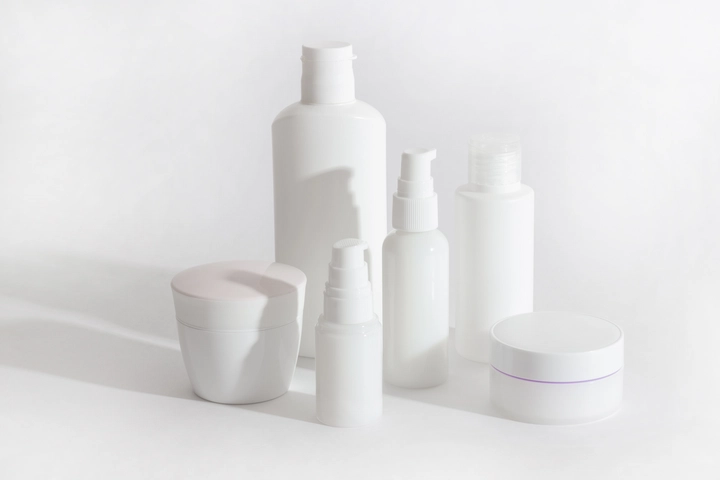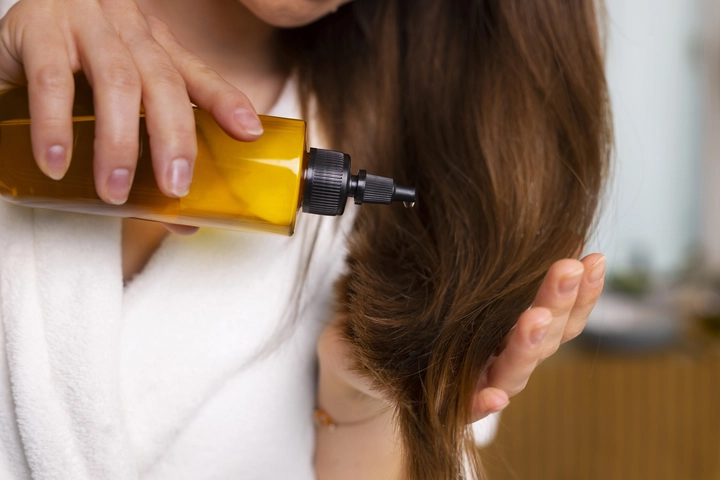
Fragrance-free hair products are rapidly becoming a core growth category in the global haircare market in 2026. Driven by rising scalp sensitivity, stricter regulatory frameworks, and the expansion of minimalist beauty, fragrance-free positioning is shifting from a niche preference to a mainstream product strategy. For private label hair care brands, this is no longer an optional segment—it is becoming a foundational SKU architecture decision.
1. What Are Fragrance Free Hair Products
Fragrance-free hair products refer to haircare formulations that contain no added fragrance ingredients or masking perfume systems, including shampoos, conditioners, hair masks, scalp treatments, and styling products. This does not necessarily mean the product is completely odorless, as raw materials may still carry their natural scent.
In industry practice, fragrance-free hair care products emphasize the absence of intentional scent design at the formulation level, rather than simply reducing smell perception.
From a formulation standpoint, developing fragrance-free systems requires stronger control over:
- Raw material odor intensity
- Stability of active ingredients
- Purity of surfactant systems
2. Why Fragrance Free Hair Products Are Becoming a 2026 Market Trend
The rise of fragrance free hair products in 2026 is driven by multiple structural shifts rather than a single trend.
- First, there is a continuous increase in sensitive scalp and allergy-related conditions. Consumers experiencing irritation, dermatitis, or fragrance sensitivity are actively switching toward fragrance free hair care products, especially in pharmacy and dermatology-adjacent channels.
- Second, regulatory pressure is increasing globally. In the EU and North American markets, fragrance allergen disclosure requirements are tightening, encouraging brands to reduce fragrance dependency to simplify compliance.
- Third, the evolution of clean beauty has shifted from “natural ingredients” to “minimal formulation logic.” This makes fragrance-free natural hair products a key trust-building signal rather than just a functional claim.
- Another important driver is the growth of men’s grooming markets, where fragrance neutrality is often preferred due to lower scent tolerance and preference for functional performance over sensory design.
From a manufacturing perspective, fragrance-free hair products are no longer “special editions”—they are increasingly becoming core production lines requested by brands at the launch stage.
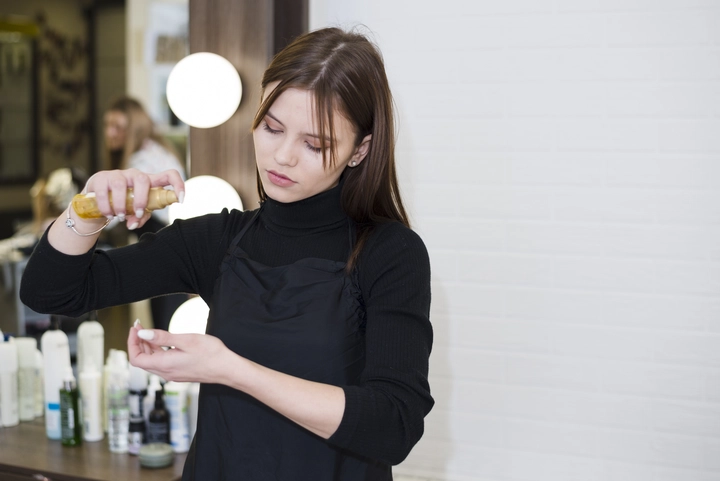
3. Market Positioning & Target Audience of Fragrance Free Hair Products
The demand base for fragrance-free hair products is significantly broader than traditional assumptions suggest.
Key user groups include:
- Individuals with sensitive scalp or fragrance allergies
- Dermatology or post-treatment care users
- Baby and family care segments
- Minimalist beauty consumers
- Male grooming consumers
Among these, two fast-growing niches stand out:
1) Curly Hair & High-Moisture Consumers
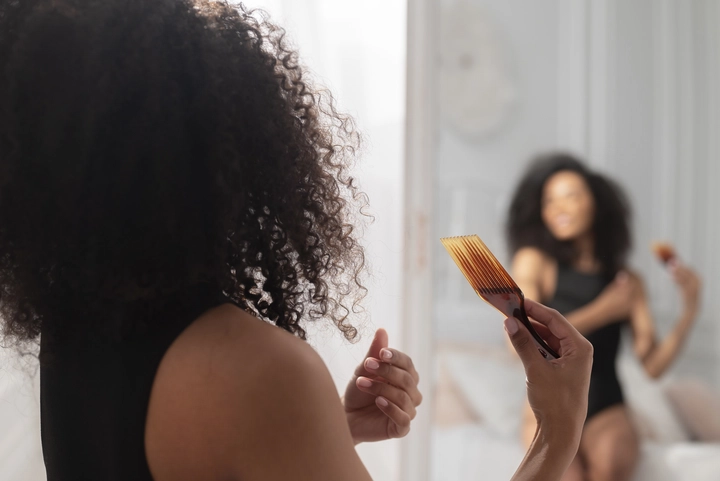
Fragrance-free curly hair products are gaining traction in Western markets. Curly hair care routines often rely on rich conditioning systems, where fragrance-free formulations reduce potential irritation and allow active ingredients to perform more transparently.
2) Textured & Black Hair Care Segments
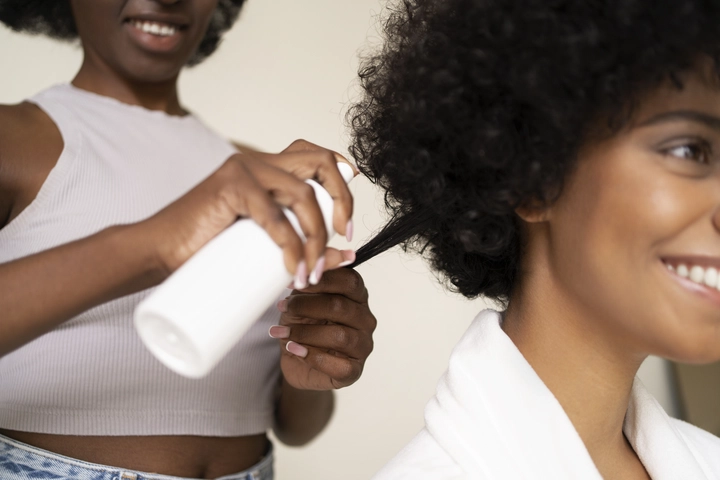
Fragrance-free hair products for black hair are increasingly requested in salon and professional channels. These consumers prioritize moisture retention, breakage control, and scalp health over fragrance experience.
As a result, many brands are shifting fragrance free hair care products from a “specialty line” to a foundational product tier that supports broader SKU architecture.
4. Which Haircare Products Are Best for Fragrance Free Systems
Not all product types are equally suitable for fragrance-free design, but fragrance free hair products perform particularly well in core care categories.
Core Suitable Categories
- Shampoo & Conditioner
- Scalp serums
- Hair masks
- Leave-in treatments
These products typically have direct scalp contact or long residence time, making fragrance-free positioning highly meaningful from a consumer experience perspective.
From a manufacturing standpoint, fragrance free hair care products in these categories are also more scalable due to relatively stable formulation structures.
More Challenging Categories
- Fragrance-free hair styling products
- Hair sprays, waxes, gels
Styling hair product systems are more complex because raw materials often carry stronger inherent odors and require advanced odor-control strategies.
An emerging trend is the development of full-system fragrance free natural hair products, combining cleansing, treatment, and styling into a unified low-sensory experience ecosystem.
5. Fragrance Free vs Fragranced Hair Products: Key Formulation Differences
The difference between fragrance free hair products and fragranced products goes far beyond the presence or absence of perfume.
1) Raw Material Selection Logic
Fragrance-free systems prioritize low-odor raw materials such as:
- Refined plant oils
- Low-odor surfactants
- Purified active ingredients
In fragrance free natural hair products, natural-origin materials must also be carefully controlled for odor variability.
2) Stability Requirements
Without fragrance masking, any oxidative or degradation odor becomes more noticeable, requiring stronger antioxidant systems and formulation stability control.
3) Manufacturing Process Control
In industrial production, fragrance free hair care products require stricter controls, such as:
- Dedicated production scheduling
- Enhanced cleaning protocols
- Cross-batch odor prevention
In many factories, fragrance free lines are produced in separate manufacturing windows to avoid scent contamination.
6. How Hair Care Manufacturers Develop Fragrance-Free Hair Products
From a private label hair care manufacturing perspective, fragrance free hair products are not simply “fragrance-removed formulas”—they are system-engineered products.
Key development approaches include:
1) Odor Grading Raw Material System
Building an internal database that classifies raw materials based on odor intensity and volatility.
2) Alternative Sensory Strategy
Instead of masking fragrance, manufacturers use:
- Odor neutralization systems
- Low-scent balancing strategies to stabilize sensory perception in fragrance free hair care products.
3) Formula Structure Optimization
Avoid combinations of ingredients that generate unpleasant base odors, especially unstable botanical extracts.
4) Production Environment Control
In real OEM/ODM manufacturing, fragrance free natural hair products often require:
- Dedicated production lines
- Separate filling systems
- Higher-level QC protocols
This is why fragrance-free systems rely heavily on experienced hair care manufacturers rather than simple formula replication.
7. Is Now the Right Time to Launch Fragrance Free Hair Products?
From a market lifecycle perspective, fragrance free hair products are currently in the early scaling phase, not saturation.
Three key indicators support this:
- Brand penetration is still relatively low
- SKU standardization has not been fully established
- Consumer education is still ongoing
This creates a strong opportunity window for new entrants to define category positioning early.
In DTC and cross-border e-commerce channels, fragrance free hair care products are increasingly used as trust-building core SKUs.
For new brands, a practical strategy is to launch with a fragrance-free foundation line first, then expand into fragrance free natural hair products as brand equity develops.
8. Hair Care Manufacturer Recommendations for Haircare Brands
From a production and formulation perspective, success in fragrance-free hair products depends more on system design than concept positioning.
Key recommendations include:
- Start with a focused SKU structure rather than over-expansion
- Prioritize shampoo and conditioner fragrance-free hair care products
- Expand into treatment and styling categories gradually
- Define a clear target user group instead of a generic “natural beauty” positioning
For fragrance-free hair styling products, it is usually better to position them as a second-phase launch due to higher technical complexity and consumer education requirements.
Brands entering niche segments such as fragrance-free curly hair products or fragrance-free hair products for black hair should integrate hair type-specific formulation logic from the earliest development stage.
From manufacturing experience, successful brands typically share one key trait:
They are not simply building “fragrance-free products”—they are building a complete low-sensory haircare system.
9. Conclusion
Fragrance-free hair products are transitioning from a niche preference into a foundational category within modern haircare architecture. As sensitivity concerns rise and fragrance-free hair care products expand across retail, salon, and DTC channels, this segment is expected to continue its structural growth.
For emerging brands, fragrance-free natural hair products represent more than a product choice—they represent a strategic entry point into trust-based positioning, formulation transparency, and long-term brand differentiation. Those who establish a complete fragrance-free system early will be better positioned to capture category leadership in the next growth cycle.
Mountain Sea is a haircare manufacturer with over 14 years of experience. If you are planning to launch fragrance free hair products, we would be happy to support your development with customized solutions and manufacturing expertise.