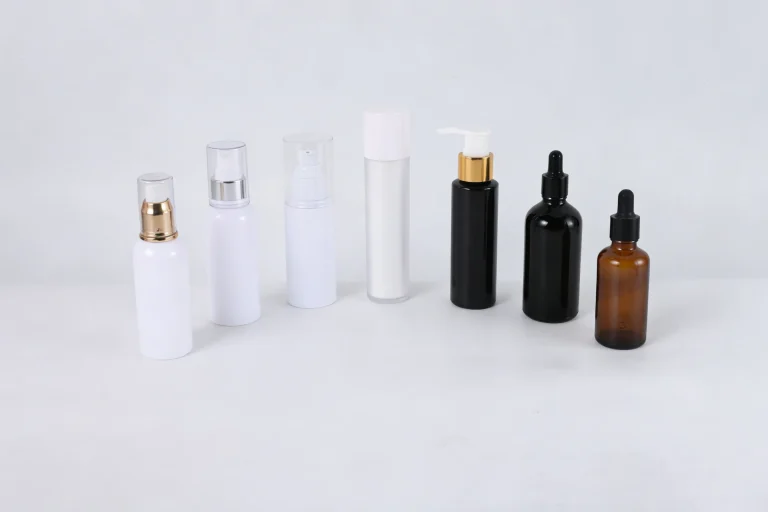
Developing a successful shampoo formula requires more than adding popular ingredients. A well-designed shampoo formula combines cleansing agents, conditioning ingredients, moisturizing components, and functional actives based on product positioning, target consumers, and desired performance. The right ingredient selection helps brands create shampoos with better user experience, market differentiation, and long-term product value.
The Role of Ingredients in Shampoo Formula Development
A shampoo formula is a carefully balanced system where each ingredient has a specific function. While consumers often focus on individual ingredients, professional formulation requires evaluating how different components work together to achieve the desired cleansing performance, hair feel, stability, and product claims.
For brands developing a new shampoo product, ingredient selection should start with the product concept. A moisturizing shampoo, repair shampoo, scalp care shampoo, or natural shampoo may require different ingredient systems to achieve the expected results.
The main ingredient categories in shampoo formulation typically include:
- Cleansing ingredients to remove oil, dirt, and product buildup
- Conditioning ingredients to improve softness, smoothness, and manageability
- Moisturizing ingredients to support hydration and improve hair feel
- Repair ingredients to enhance the appearance of damaged hair
- Botanical and functional ingredients to support product positioning and consumer expectations
A successful formula does not depend on one “hero ingredient.” Instead, it depends on the right combination of ingredients and their compatibility within the overall formulation.
Cleansing Ingredients: The Foundation of a Shampoo Formula
Cleansing ingredients are the foundation of every shampoo formula because they determine how effectively the product removes oil, impurities, and styling residue from the hair and scalp.
The primary cleansing components used in shampoos are surfactants. Different surfactant systems influence important product characteristics, including cleansing strength, foam quality, mildness, and scalp comfort.
Surfactants in Shampoo Formulation
Common surfactant categories include:
- Anionic surfactants
These provide strong cleansing performance and effective foam generation. They are commonly used in shampoos that require higher cleansing ability. - Amphoteric surfactants
These are often used to improve mildness and balance stronger cleansing systems, making them suitable for gentler formulas. - Nonionic surfactants
These can provide mild cleansing properties and are often used in specialized or gentle formulations.
When developing a private-label shampoo, brands need to consider the balance between cleansing effectiveness and user experience. A shampoo designed for oily scalp care may require a different cleansing approach compared with a daily-use or sensitive scalp formula.
For example:
- Daily shampoos often require a balanced cleansing system suitable for frequent use.
- Sulfate-free shampoos typically use alternative surfactant combinations to achieve gentle cleansing.
- Sensitive scalp products may prioritize mild surfactant systems with reduced irritation potential.
The selection of cleansing ingredients directly affects how consumers perceive the product from the first use.
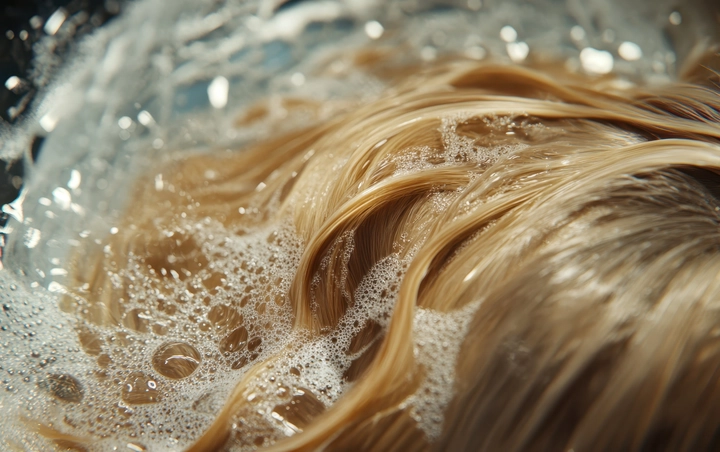
Conditioning Ingredients That Improve Hair Feel and Manageability
Cleansing is only one part of shampoo performance. After washing, consumers evaluate a shampoo based on how their hair feels, including softness, smoothness, and ease of combing.
Conditioning ingredients help reduce roughness caused by cleansing and improve the sensory experience of the finished product.
Common conditioning ingredient categories include:
Conditioning Polymers
Conditioning polymers are widely used in shampoo formulations to improve hair manageability.
They can help:
- Reduce friction between hair fibers
- Improve smoothness
- Enhance combability
- Create a softer after-feel
These ingredients are particularly important in shampoos designed for damaged, dry, or chemically treated hair, where consumers expect improved manageability after cleansing.
Plant Oils and Emollients
Plant oils and emollients are commonly selected to improve softness and provide a more nourishing product experience.
Examples include:
- Argan Oil
- Jojoba Oil
- Coconut Oil
These ingredients can contribute to:
- A smoother hair feel
- Improved softness
- A richer sensory experience
For premium hair care products, plant oils are often used not only for their functional benefits but also to support product positioning and brand storytelling.
Silicone Alternatives
As more brands develop silicone-free or naturally positioned products, silicone alternatives have become increasingly important in shampoo formulation.
These ingredients aim to provide:
- Lightweight conditioning
- Improved smoothness
- Better sensory performance
When selecting conditioning systems, brands need to consider the desired consumer experience. A lightweight daily shampoo may require a different conditioning approach compared with an intensive repair product.
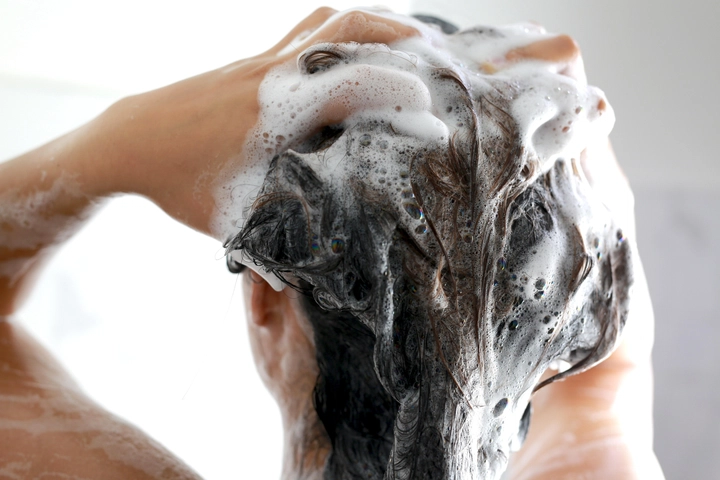
Moisturizing Ingredients in Shampoo Formula Development
Moisturizing ingredients play an important role in shampoos designed for dry, rough, or moisture-deficient hair.
Although shampoos are primarily cleansing products, modern formulas are expected to provide additional benefits beyond cleansing. Moisturizing ingredients help improve hair’s feel, maintain moisture balance, and reduce the dry sensation that can occur after washing.
Common moisturizing ingredients used in shampoo development include:
Panthenol (Pro-Vitamin B5)
Panthenol is widely used in hair care formulations because of its ability to support moisture retention and improve softness.
It is commonly selected for formulas that aim to provide:
- Better hydration support
- Improved hair feel
- Lightweight conditioning benefits
Aloe Vera
Aloe Vera is a popular botanical ingredient used in moisturizing hair care formulas.
It is often included because it can support:
- Hydration-focused product concepts
- A soothing formula profile
- Natural ingredient positioning
Hyaluronic Acid
Hyaluronic Acid is increasingly used in hair care products due to consumer interest in hydration-focused beauty products.
In shampoo formulations, it can support:
- Moisture retention
- Lightweight hydration
- Improved hair texture
Glycerin
Glycerin is a common humectant used to help maintain moisture balance.
It is often included in formulas designed for:
- Dry hair care
- Hydrating shampoos
- Moisture-focused product lines
These moisturizing ingredients are commonly used in products such as:
- Hydrating shampoos
- Dry hair shampoos
- Curly hair care products
- Moisture repair formulas
The final ingredient combination depends on the desired product performance and overall formula design.
Repair Ingredients for Damaged Hair Care Formulas
Repair-focused shampoos are developed for consumers who want to improve the appearance and feel of damaged, weakened, or chemically treated hair.
Unlike cleansing ingredients, repair ingredients focus more on supporting hair condition, improving texture, and creating a stronger-feeling hair surface.
Common repair ingredients include:
Keratin and Hydrolyzed Proteins
Protein-based ingredients are commonly used in repair formulas because they can help improve the appearance of damaged hair.
They are often selected for products targeting:
- Chemically treated hair
- Heat-damaged hair
- Dry and weakened hair
Amino Acids
Amino acids are frequently incorporated into repair-focused formulas because they are associated with hair structure and conditioning benefits.
They can help support:
- Improved hair feel
- Smoother texture
- Better overall appearance
Functional Repair Systems
In professional shampoo development, repair performance usually comes from a combination of ingredients rather than a single active component.
A repair shampoo may combine:
- Protein ingredients
- Conditioning agents
- Moisturizing components
to create a more balanced product experience.
Botanical Extracts and Natural Ingredients in Shampoo Development
Botanical ingredients are widely used in modern shampoo development because they can support both product performance and brand positioning.
Natural ingredients are often selected based on their compatibility with the product concept, consumer expectations, and overall formula design.
Common examples include:
- Botanical extracts
- Plant oils
- Herbal ingredients
These ingredients may contribute to:
- Sensory experience
- Product differentiation
- Natural or botanical positioning
For example, argan oil-based products may focus on nourishment and softness, while botanical extract blends may support premium or plant-focused product concepts.
However, adding natural ingredients alone does not guarantee a successful formula. Brands also need to consider:
- Ingredient compatibility
- Formula stability
- Product performance
- Consumer expectations
A well-developed natural shampoo formula requires balancing marketing appeal with actual product performance.
How Brands Select Ingredients for a Custom Shampoo Formula
Choosing ingredients for a custom shampoo formula requires more than following ingredient trends. Brands need to evaluate ingredients based on their product goals, target market, and desired consumer experience.
| Ingredient Category | Main Function | Common Product Applications |
|---|---|---|
| Cleansing Ingredients | Remove oil, dirt, and buildup | Daily shampoo, sulfate-free shampoo, scalp care shampoo |
| Conditioning Ingredients | Improve softness and manageability | Repair shampoo, premium daily shampoo |
| Moisturizing Ingredients | Support hydration and improve hair feel | Hydrating shampoo, dry hair shampoo |
| Repair Ingredients | Improve the appearance of damaged hair | Repair shampoo, treatment products |
| Botanical Ingredients | Support product positioning and sensory experience | Natural shampoo, botanical hair care |
When selecting ingredients, brands should consider several important factors:
Target Consumer Needs
The same ingredient system may not work for every customer group. Products designed for dry hair, oily scalp, damaged hair, or sensitive users often require different formulation approaches.
Product Positioning
Ingredient selection should match the product concept, whether the brand focuses on:
- Premium salon care
- Natural hair care
- Repair solutions
- Daily maintenance
Formula Compatibility
Ingredients must work together to create a stable and effective formula. A successful shampoo requires a balance between cleansing performance, conditioning benefits, texture, and sensory experience.
Market Requirements
Brands also need to consider regulatory requirements, product claims, and consumer expectations in their target markets.
If you want to learn more, please read: How Brands Develop Unique Shampoo Products
Conclusion
A successful shampoo formula is not created by simply adding trending ingredients. The most effective products come from selecting the right combination of cleansing agents, conditioning systems, moisturizing components, and functional ingredients based on a clear product strategy.
For brands developing a new shampoo line, ingredient selection is one of the most important steps in creating a product that meets consumer expectations and stands out in a competitive market.
If you are planning to develop a custom shampoo formula, contact Mountain Sea to discuss your product concept, ingredient options, and formulation requirements with our experienced hair care development team.