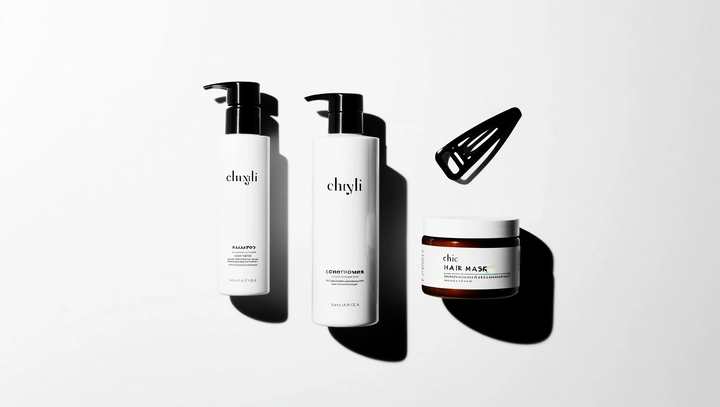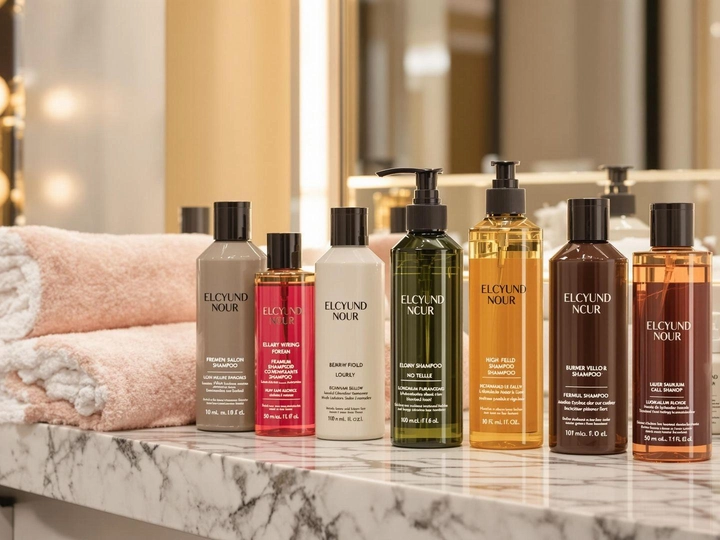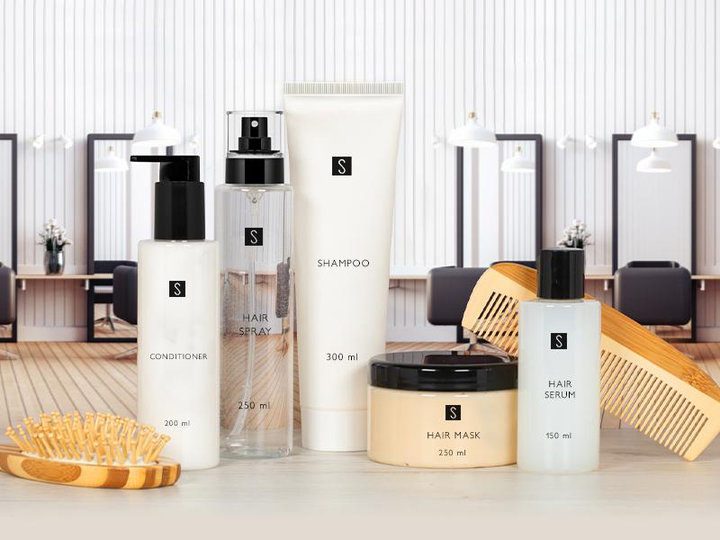
Private-label hair care products are typically sold through four main channels: e-commerce marketplaces, DTC independent stores, social commerce platforms, and offline wholesale distribution. Each channel serves a different stage of brand growth and requires different product positioning, marketing capability, and supply chain support.
Choosing the right sales channel is not just a distribution decision—it directly determines pricing strategy, product formulation direction, and long-term brand competitiveness.
Main content
- The article explains key sales channels for private-label hair care products, including e-commerce marketplaces, DTC stores, social commerce, and offline wholesale.
- Each channel operates under a different business model, with unique requirements for product positioning, branding, and supply chain capabilities.
- Channel selection should be based on business capacity, not preference or trend.
- A decision framework is introduced that considers budget, operational capability, brand stage, and manufacturing support.
- Brands must prepare key elements before launch, including compliance, SKU planning, branding assets, and inventory planning.
- Manufacturer support directly impacts channel success through formulation, packaging, and scalability alignment.
- Private-label channels require full alignment between product strategy, brand positioning, operations, and supply chain.
Main Sales Channels for Private Label Hair Care
Private label hair care brands usually enter the market through a mix of digital-first and traditional channels. Each channel plays a different role in brand building and revenue scaling.
1. E-commerce Marketplaces
Platforms like Amazon, Walmart Marketplace, and eBay.
Key characteristics:
- High traffic, fast validation
- Strong competition and PPC dependence
- Reviews and listing optimization are critical
Best for: rapid market entry and product testing
2. DTC Independent Store
Shopify and WooCommerce-based brand websites.
Key characteristics:
- Full brand control
- Higher profit margins
- Requires traffic acquisition capability
Best for: long-term brand building and customer retention

3. Social Commerce
TikTok Shop, Instagram Shop, Facebook Shop.
Key characteristics:
- Content-driven demand
- Fast viral potential
- High volatility in performance
Best for: trend-driven product launches and awareness building
4. Offline & Wholesale
Salons, distributors, beauty supply stores, retail chains.
Key characteristics:
- Stable bulk orders
- Longer sales cycles
- Requires strong distributor relationships
Best for: mature brands with stable supply capability
Channel Requirements: What Each Platform Demands
Different channels do not just sell the same product differently—they require fundamentally different product design logic.
| Channel | Product Requirements | Key Success Factor |
|---|---|---|
| Amazon | High conversion listing, strong reviews, standardized SKU | SEO + Ads performance |
| Shopify | Brand storytelling, premium positioning | Traffic + retention |
| TikTok | Sensory experience (fragrance, texture, visual appeal) | Content virality |
| Wholesale | Consistency, margin stability, professional positioning | B2B trust |
From a manufacturing perspective, channel success often starts at the formulation level, not the marketing level.
For example:
- TikTok products tend to require more “visible results” (shine, curl definition, repair effect)
- Amazon products require stable performance and strong review conversion
- Salon channels prioritize professional-grade performance and repeat usage
How to Choose the Right Channel
Selecting the right sales channel should not be based on trend, but on internal capability alignment.
A practical decision framework includes four dimensions:
1. Budget Capacity
- Low budget → TikTok + Amazon testing
- Medium budget → Amazon + Shopify hybrid
- High budget → full omnichannel expansion
2. Operational Capability
- Ads + SEO skills → Amazon viable
- Content creation ability → TikTok strong fit
- Brand marketing team → Shopify recommended
3. Brand Stage
- Early stage → Marketplace validation
- Growth stage → DTC expansion
- Mature stage → wholesale distribution
4. Supply Chain Strength
Without a stable supply, channel expansion becomes risky rather than scalable.
Key question:
Can your manufacturer support consistent quality, scalable MOQ, and fast iteration?
What You Must Prepare Before Launching
Before entering any sales channel, brands often underestimate the operational foundation required for scaling.
Essential preparation checklist:
Product & Compliance
- Ingredient compliance (US/EU regulations)
- Labeling and packaging standards
- SKU architecture (avoid over-fragmentation)
Brand Assets
- Product photography and video content
- Brand story and positioning
- A+ content or landing pages
Operational Readiness
- Inventory planning (MOQ alignment)
- Logistics and fulfillment system
- Customer service workflow
A common failure point is launching too early without aligning product readiness with channel expectations.

How Hair Care Manufacturer Support Helps Your Brand Succeed
Sales channels do not operate independently from product development. In private-label hair care, the hair care manufacturer often defines the ceiling of brand performance.
From a supply chain perspective, channel success depends on three core capabilities:
1. Formulation Adaptation
Different channels require different product expressions:
- Amazon → standardized, review-driven formulas
- TikTok → sensory-rich, visually demonstrable effects
- Wholesale → salon-grade performance consistency
2. Packaging & Branding Flexibility
Packaging directly impacts conversion:
- E-commerce: visual differentiation on thumbnails
- Retail: shelf visibility and tactile experience
3. Scalability & Stability
Once a product gains traction, supply consistency becomes critical. Any inconsistency can break rankings, reviews, or distributor trust.
This is where manufacturers become strategic partners rather than just suppliers.
For brands working with a B2B partner like
Mountain Sea Cosmetic‘s key advantage lies in aligning formulation, packaging, and scalability with channel-specific requirements from the beginning.

Conclusion
Sales channels for private-label hair care products are not interchangeable distribution options—they are different business models that shape product strategy, brand positioning, and supply chain design.
The most successful brands do not start by asking “which channel is best,” but instead align:
- Product formulation
- Brand positioning
- Operational capability
- Manufacturing support
with the channel they choose to enter.
If you are planning to launch a private-label hair care brand, contact us to discuss the right product and channel strategy.