White label hair products are suitable for businesses that want to launch their own branded hair care products without developing formulas or managing manufacturing processes themselves. Startups, salons, beauty brands, and online sellers can use white label solutions to enter the hair care market faster while focusing on branding, marketing, and customer growth.
What Are White Label Hair Products?
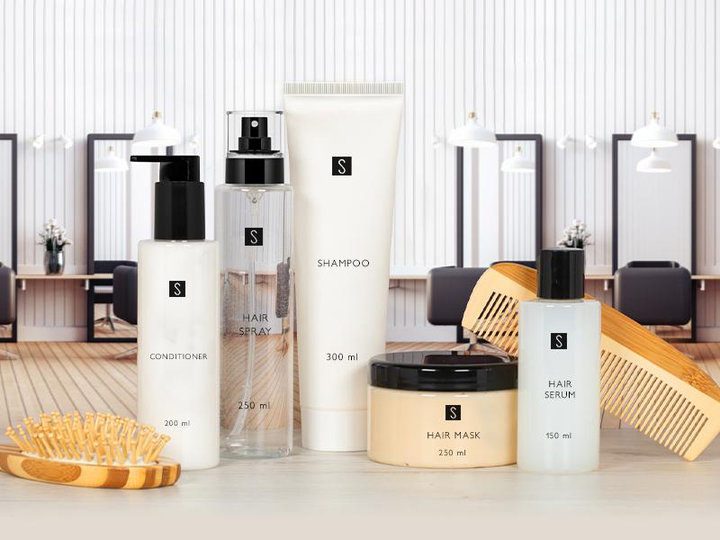
White label hair products are pre-developed hair care products manufactured by a supplier and sold under another company’s brand name. Instead of creating formulas from the beginning, businesses can select existing products, customize branding elements, and launch their own hair care lines.
This approach allows companies to focus on areas where they have the most expertise, such as:
- Brand development
- Customer acquisition
- Marketing strategies
- Sales channels
- Consumer relationships
For example, a new beauty entrepreneur may want to create a hair care brand but does not have a formulation team or production facility. With a white label solution, they can work with a manufacturer to develop branded products without handling the entire manufacturing process internally.
White label is commonly used in industries such as beauty, cosmetics, and personal care because it helps businesses reduce the complexity of product development while maintaining control over their brand identity.
What Type of Businesses Can Use White Label Hair Products?
Different types of businesses can benefit from white label hair products depending on their goals, resources, and market experience. While the specific needs may vary, white label solutions are especially suitable for businesses that want to launch or expand a hair care product line without building their own manufacturing capabilities.
1. Entrepreneurs Starting Their First Hair Care Brand
For first-time founders, launching a hair care brand can be challenging. Many entrepreneurs have a clear vision for their brand but may not have experience with product formulation, manufacturing operations, or regulatory requirements.
White label products can provide a more accessible way to enter the market by allowing new brands to start with professionally developed formulas and established production processes.
New hair care entrepreneurs often benefit from white label solutions because they can:
- Reduce the complexity of product development
- Avoid investing in manufacturing equipment
- Launch products faster
- Focus resources on branding and customer acquisition
One common challenge for new founders is underestimating how many steps are involved in creating a market-ready hair care product. Developing a successful product requires more than choosing ingredients. Businesses also need to consider formula stability, packaging compatibility, production standards, and quality control.
A white label approach allows entrepreneurs to spend more time understanding their target customers and building a strong brand presence.
For example, a founder creating a natural hair care brand may choose white label shampoo, conditioner, or treatment products and focus on developing the brand story, customer experience, and marketing strategy.
2. Hair Salons and Beauty Professionals
Hair salons and beauty professionals already have a strong connection with customers, making them well-positioned to create their own branded hair care products.
Many salon businesses rely on professional recommendations and product sales as additional revenue streams. Developing a branded product line can help salons strengthen customer relationships and create a more complete brand experience.
White label hair products can help salons:
- Offer exclusive products to their clients
- Extend their professional services beyond appointments
- Build additional retail revenue
- Strengthen brand recognition
For example, a salon specializing in hair repair treatments may introduce its own branded shampoo or hair treatment products that customers can continue using at home.
However, salons should carefully consider product positioning before launching. The product line should match the salon’s expertise, customer expectations, and service philosophy.
A premium salon may focus on high-performance treatments, while a natural beauty salon may prefer botanical or clean-positioned hair care products.
3. Beauty Brands Expanding Into Hair Care
Many beauty companies already have experience in areas such as skincare, cosmetics, or body care but want to expand into the hair care market.
For these businesses, the challenge is usually not branding or marketing. They already understand their customers and have established sales channels. The challenge is developing quality hair care products and managing the manufacturing process.
White label hair products allow beauty brands to expand their product portfolio without creating a completely new manufacturing system.
Common expansion opportunities include:
| Existing Business | Possible Hair Care Expansion |
|---|---|
| Skincare brand | Scalp care or treatment products |
| Natural beauty brand | Botanical shampoo and conditioner |
| Cosmetic brand | Styling products or hair treatments |
| Wellness brand | Nourishing hair oils and care products |
Expanding into hair care can help brands increase customer lifetime value by offering more products to their existing audience.
However, successful expansion requires understanding that hair care has different consumer expectations compared with skincare or cosmetics. Product performance, hair concerns, usage habits, and ingredient preferences all influence purchasing decisions.
4. E-commerce Sellers and Online Brands
Online businesses, including Amazon sellers, Shopify brands, and social commerce businesses, can also use white label hair products to create branded product lines.
For many online sellers, competing only through price can be difficult. Building a recognizable brand with unique product positioning can help businesses create stronger customer relationships and improve long-term growth.
White label hair products allow online sellers to:
- Launch branded products without building a factory
- Test new product ideas with lower development complexity
- Create a consistent product range
- Focus on marketing and customer acquisition
For example, an online seller with an audience interested in beauty and wellness may develop a branded hair care line that includes shampoo, conditioner, or hair treatments targeted at specific customer needs.
However, successful online brands should not choose products only based on market trends. A strong product strategy requires understanding:
- Who the target customers are
- What hair concerns they want to solve
- What product benefits are most important to them
- How the brand will differentiate itself from competitors
A white label solution can simplify product creation, but brand positioning and customer understanding remain essential factors for success.

What White Label Hair Products Can Businesses Launch?
White label solutions can be applied to a wide range of hair care products. Businesses can select products that match their target customers, brand positioning, and sales channels.
Common white label hair products include:
| Product Category | Examples |
|---|---|
| Daily Hair Care | Shampoo, conditioner |
| Hair Repair | Hair masks, treatment products |
| Hair Nourishment | Hair oils, hair serums |
| Styling Care | Hair sprays, styling products |
| Scalp Care | Oil control and scalp-focused products |
The right product choice depends on the business model and customer needs.
For example, a salon may prioritize professional treatment products, while a new online brand may start with everyday hair care products that appeal to a broader audience.
Why Do Businesses Choose White Label Products?
Businesses choose white label products because they provide a practical way to enter the market without taking on every aspect of product development and manufacturing.
Faster Product Launch
Developing a product from scratch can involve extensive research, formulation testing, production preparation, and supplier coordination.
White label products allow businesses to start with existing formulas and established manufacturing processes, which can shorten the time needed to bring products to market.
This can be especially valuable for entrepreneurs who want to validate a business idea before making larger investments.
Lower Investment Compared With Building Manufacturing Capabilities
Creating an internal manufacturing system requires significant resources, including:
- Production equipment
- Research and development teams
- Quality control systems
- Manufacturing expertise
For many emerging brands, these investments are unnecessary during the early stages of business growth.
Working with a white label partner allows businesses to access professional manufacturing capabilities while allocating more resources toward branding, sales, and marketing.
More Time to Focus on Brand Growth
Product manufacturing is only one part of building a successful hair care business.
Many growing brands need to focus on:
- Building brand awareness
- Creating customer relationships
- Developing marketing campaigns
- Expanding sales channels
By outsourcing production, businesses can concentrate on activities that directly support market growth.

What Should Businesses Consider Before Choosing White Label Products?
Although white label products can simplify the launch process, choosing the right approach requires careful planning. Businesses should evaluate several factors before selecting a product and supplier.
1. Define Your Target Customer and Product Positioning
Before selecting products, businesses should first understand who they want to serve.
Important questions include:
- Who is the ideal customer?
- What hair concerns do they have?
- What product benefits are they looking for?
- What price range fits the target market?
A common mistake among new brands is choosing products first and trying to find customers afterward.
A stronger approach is to start with customer needs and develop a product strategy around those needs.
2. Evaluate Product Quality and Formula Options
Not all white label products are the same. Businesses should evaluate product quality, ingredient choices, and formula performance before making a decision.
Important considerations include:
- Formula stability
- Ingredient quality
- Product performance
- Compliance requirements
- Customer expectations
A product that represents the brand should meet the quality standards customers expect.
3. Consider Packaging and Branding Requirements
Packaging plays an important role in how customers perceive a hair care brand.
Businesses should consider:
- Bottle style
- Label design
- Brand colors
- Product presentation
- Target market expectations
For example, a premium hair care brand may require a different packaging approach compared with a natural or everyday hair care brand.
4. Choose a Reliable White Label Hair Products Supplier
Selecting the right supplier is one of the most important decisions for businesses entering the hair care market.
A reliable white label hair products supplier should provide:
- Consistent product quality
- Manufacturing experience
- Clear communication
- Packaging support
- Production reliability
Businesses should evaluate suppliers based not only on pricing but also on their ability to support long-term brand development.
A strong manufacturing partner can help businesses avoid common production issues and create a smoother product launch process.
Common Mistakes Businesses Should Avoid When Using White Label Products
While white label solutions can reduce barriers to entering the hair care market, businesses still need a clear strategy. Some common mistakes include:
1. Choosing Products Without Understanding Customers
A product should be developed around customer needs, not only current trends.
Businesses should understand their audience before selecting formulas, packaging, and product positioning.
2. Focusing Only on Price
Lower costs can be attractive, especially for new businesses. However, choosing a supplier based only on price may affect product quality, communication, and long-term growth.
A successful hair care brand requires a balance between cost, quality, and customer expectations.
3. Ignoring Brand Differentiation
White label products can help businesses launch faster, but branding remains essential.
Companies should consider how their products will stand out through:
- Brand story
- Packaging
- Target audience
- Product positioning
4. Selecting a Supplier Without Proper Evaluation
A supplier should be viewed as a long-term business partner rather than only a production source.
Before making a decision, businesses should review:
- Manufacturing capabilities
- Quality standards
- Product support
- Communication process
White Label vs Private Label: What Is the Difference?
White label and private label are often used interchangeably, but there are some differences in how businesses approach product development.
| White Label | Private Label | |
|---|---|---|
| Formula | Existing formulas | More customized formulas |
| Development Process | Faster launch | More development involvement |
| Customization Level | Limited customization | Higher customization options |
| Suitable For | Businesses seeking a simpler launch process | Brands wanting more product control |
White label products are often suitable for businesses that want to enter the market quickly using proven product solutions. Private label development may be more suitable for brands that need greater customization and product differentiation.
Conclusion
White label hair products can be a practical option for many businesses, including new hair care startups, salons, beauty brands, and online sellers. By using existing product solutions, businesses can reduce manufacturing complexity and focus more on building their brand and reaching customers.
However, successful product launches still require careful planning, strong positioning, and choosing the right manufacturing partner. Understanding your customers, evaluating product quality, and creating a clear brand strategy are essential steps before entering the hair care market.
If you are exploring white label hair products, working with an experienced manufacturing partner can help simplify the development process and bring your brand vision to market more efficiently.
Contact Mountain Sea today to discuss your white label hair product ideas and discover how we can help bring your hair care brand to market.