Choosing the right fragrance for private label hair care products requires more than selecting a scent that smells pleasant. Brands should consider their target customers, brand positioning, product type, fragrance profile, and formula compatibility. A well-designed fragrance can enhance the customer experience, strengthen brand identity, and help hair care products stand out in a competitive market.
Why Fragrance Matters in Private Label Hair Care Products
When developing a private label hair care product, many new founders focus first on the formula, packaging, and product benefits. These elements are important, but fragrance is another key factor that influences how customers perceive and remember a product.
Hair care is a sensory-driven category. Consumers do not only evaluate whether a shampoo, conditioner, or hair treatment works effectively. They also notice:
- How the product smells during use
- How the fragrance feels after washing
- Whether the scent matches the brand image
- Whether the overall experience feels premium or memorable
A carefully selected fragrance can turn a functional hair care product into a product experience that customers want to use repeatedly.
For private label brands, fragrance is also an opportunity to create differentiation. Many products in the market may offer similar benefits, such as hydration, repair, or volume support. A unique scent profile can help a brand build stronger recognition and create an emotional connection with consumers.
Key Factors to Consider When Choosing Fragrances for Hair Care Products
Choosing a fragrance for your hair care line should start with your brand strategy, not personal preference. The best fragrance is the one that supports your product positioning and connects with your target customers.
When selecting a fragrance for private label hair products, brands should consider:
- Brand identity and positioning
- Target customer preferences
- Product category
- Fragrance style and intensity
- Market expectations
- Formula compatibility
- Regulatory requirements
Match the Fragrance with Your Brand Positioning
Every successful hair care brand has a specific identity. The fragrance should communicate the same message as the brand.
For example, a luxury hair care brand and a natural hair care brand may use completely different fragrance directions, even if both products focus on hair repair or hydration.
A fragrance should answer questions such as:
- Is the brand positioned as luxury, natural, professional, or affordable?
- Who is the target customer?
- What feeling should consumers associate with the product?
The following table shows how fragrance direction can support different brand concepts:
| Brand Positioning | Possible Fragrance Direction | Brand Feeling |
|---|---|---|
| Luxury Hair Care | Floral, woody, amber, sophisticated blends | Premium and elegant |
| Natural Hair Care | Botanical, herbal, fresh notes | Clean and nature-inspired |
| Clean Beauty | Light, minimal, green, soft scents | Simple and refreshing |
| Salon Professional | Fresh, refined, long-lasting fragrances | Professional and trustworthy |
| Youth-Oriented Brands | Fruity, sweet, trendy scents | Fun and energetic |
These examples are not strict rules, but they can help brands define the overall fragrance direction during product development.

Understand Fragrance Notes Before Selecting a Scent
For many new hair care founders, fragrance selection can feel overwhelming because there are countless scent options available. Understanding basic fragrance structure can make the decision process easier.
Most fragrances are created with three main layers:
Top Notes
Top notes are the first scents consumers notice when opening or applying a product.
They are usually:
- Fresh
- Light
- Quick to appear
Common examples include:
- Citrus
- Green notes
- Fresh fruits
- Herbal notes
In hair care products, top notes often create the first impression of freshness and cleanliness.
Middle Notes
Middle notes form the main character of the fragrance.
They usually appear after the initial scent fades and create the core fragrance experience.
Common examples include:
- Floral notes
- Soft fruits
- Aromatic herbs
For many hair care products, middle notes play an important role because they define the overall scent identity consumers remember.
Base Notes
Base notes provide depth and longer-lasting fragrance characteristics.
Common examples include:
- Musk
- Amber
- Woody notes
- Vanilla
Base notes are especially important for products where consumers expect a lasting fragrance experience, such as hair oils, leave-in treatments, and premium hair masks.
A balanced fragrance usually combines all three layers rather than relying on a single scent ingredient.

Consider the Product Type When Choosing a Fragrance
The same fragrance approach does not always work for every hair care product.
Different products create different consumer experiences, so fragrance intensity and style may need to be adjusted.
Shampoo
Shampoo is often associated with freshness and cleansing.
Many brands prefer fragrances that create:
- A clean first impression
- A refreshing washing experience
- A feeling of healthy hair
Popular directions include fresh, citrus, herbal, and clean floral profiles.
Conditioner and Hair Masks
Conditioners and hair masks are usually associated with nourishment and care.
Brands may choose richer fragrance profiles that communicate:
- Comfort
- Luxury
- Deep care
Softer floral, creamy, or warm fragrance directions are often considered for treatment products.
Hair Oils and Leave-In Treatments
Leave-in products remain on the hair after application, so fragrance performance becomes especially important.
Brands often consider:
- More noticeable fragrance profiles
- Longer-lasting scent experiences
- Premium fragrance positioning
Because these products stay with consumers throughout the day, fragrance can become a stronger part of the overall brand experience.
Consider Your Target Market and Consumer Expectations
A fragrance that works well in one market may not elicit the same response in another.
When developing private label hair products, brands should consider:
- Local consumer preferences
- Cultural expectations
- Product positioning
- Competitive landscape
For example, some consumers may prefer clean, subtle fragrances, while others may seek richer, more noticeable scent experiences.
Instead of choosing fragrances based only on personal taste, brands should evaluate:
Who is the customer?
What type of experience does the brand promise?
How should consumers feel when using the product?
These questions help create a fragrance strategy that supports long-term brand development.
How to Develop a Custom Fragrance for Private Label Hair Care Products
For brands that want to create a unique market position, selecting an existing fragrance option may not always be enough. Custom fragrance development allows brands to create a scent profile that matches their identity and provides a more memorable customer experience.
A successful fragrance development process usually involves several steps:
1. Define Your Brand and Product Goals
Before selecting a fragrance, brands should first clarify their product direction.
Important considerations include:
- Brand positioning
- Target customer profile
- Product category
- Desired customer experience
- Market positioning
For example:
A premium hair care brand may want a sophisticated fragrance that feels similar to a luxury personal care experience.
A natural hair care brand may prefer botanical-inspired scents that communicate freshness and simplicity.
Starting with brand strategy helps ensure that fragrance supports the overall product concept.
2. Select the Right Fragrance Direction
During product development, brands usually work with fragrance options based on their desired positioning.
Common fragrance directions include:
Fresh and Clean
Often used for:
- Daily care products
- Scalp care products
- Lightweight hair products
Characteristics:
- Fresh
- Simple
- Refreshing
Floral and Elegant
Often used for:
- Premium hair care lines
- Repair treatments
- Luxury collections
Characteristics:
- Sophisticated
- Soft
- Feminine or refined
Botanical and Natural
Often used for:
- Natural hair care brands
- Organic-inspired products
- Plant-based product lines
Characteristics:
- Herbal
- Earthy
- Fresh
Warm and Luxurious
Often used for:
- Hair oils
- Intensive treatments
- High-end product ranges
Characteristics:
- Rich
- Comfortable
- Long-lasting
A private label hair care manufacturer with fragrance development experience can help brands evaluate different fragrance profiles and adjust them according to the product concept.

Test Fragrance Compatibility with Hair Care Formulas
Choosing a fragrance is not only a creative decision. It is also a technical decision.
A fragrance needs to work well with the entire formula system.
During product development, manufacturers typically evaluate factors such as:
| Testing Area | Why It Matters |
|---|---|
| Formula stability | Ensures the fragrance does not affect product performance |
| Color stability | Prevents unwanted changes in product appearance |
| Texture compatibility | Maintains the expected product feel |
| Scent performance | Ensures the fragrance remains pleasant over time |
| Storage stability | Confirms product quality during shelf life |
For example, a fragrance that performs well in a shampoo formula may behave differently in a hair oil or styling product because each formula has different ingredients and structures.
This is why fragrance selection should be considered together with formulation development rather than as a final step after the product is created.
Understand Regulatory Requirements for Hair Care Fragrances
When developing private label hair products, brands also need to consider fragrance compliance requirements in their target markets.
Fragrance ingredients must meet applicable safety and regulatory standards before products can be launched.
Important considerations include:
- Ingredient compliance
- Fragrance safety assessment
- Market-specific regulations
- Proper labeling requirements
For example, fragrance materials are commonly evaluated according to industry safety guidelines such as IFRA (International Fragrance Association) standards.
Different markets may also have different requirements regarding cosmetic product registration, ingredient declarations, and documentation.
Working with an experienced hair care manufacturer can help brands better understand these requirements during product development.
Common Mistakes Brands Make When Choosing Hair Product Fragrances
Choosing the right fragrance can significantly improve product positioning, but many new brands make mistakes during the selection process.
Choosing a Fragrance Only Based on Personal Preference
One common mistake is selecting a fragrance because the founder personally likes it.
However:
The founder is not always the target customer.
A successful product should consider:
- Customer expectations
- Brand positioning
- Market trends
- Product category
A fragrance that feels appealing personally may not communicate the right message to the intended audience.
Ignoring Brand Consistency Across Products
For brands developing multiple hair care products, fragrance consistency is important.
For example:
A brand may launch:
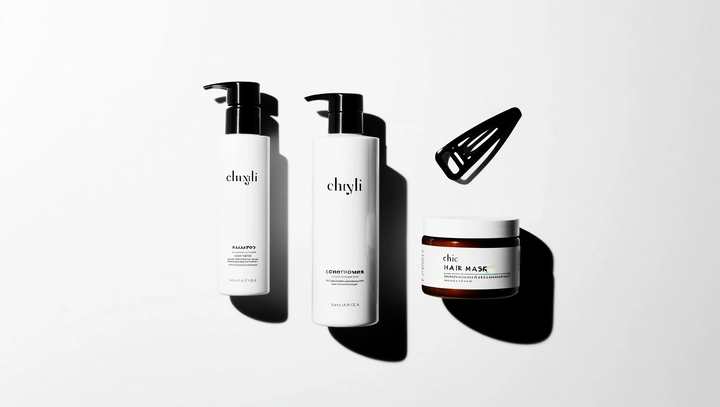
- Shampoo
- Conditioner
- Hair Mask
- Hair Oil
Each product does not necessarily need exactly the same scent, but they should belong to the same fragrance family.
This helps create a stronger and more recognizable brand experience.
Choosing Fragrance Before Defining Product Positioning
Another common mistake is starting with:
“Which scent should we choose?”
before answering:
“What kind of brand are we building?”
A better approach is:
- Define your brand identity
- Understand your customers
- Choose product positioning
- Develop the fragrance direction
This creates a more strategic product development process.
Overlooking Formula Compatibility and Testing
A fragrance may smell excellent during initial evaluation, but it still needs to perform well in the final formula.
Without proper testing, brands may experience:
- Scent changes over time
- Formula instability
- Unexpected product performance issues
Professional testing helps ensure the final product meets both sensory and quality expectations.
How Manufacturers Support Fragrance Development for Private Label Hair Products
Developing a successful hair care fragrance often requires collaboration between brand owners, formulators, and fragrance specialists.
An experienced manufacturer can support brands through different stages of development, including:
- Understanding brand positioning
- Recommending fragrance directions
- Testing fragrance compatibility
- Adjusting fragrance intensity
- Supporting final product development
For new hair care founders, working with a manufacturing partner can simplify the product development process and reduce common mistakes.
The goal is not only to create a product that smells good, but to develop a complete product experience that matches the brand vision.
Conclusion
Choosing fragrances for private label hair care products is a strategic decision that goes beyond selecting a pleasant scent.
The right fragrance should align with:
- Brand identity
- Target customers
- Product category
- Market expectations
- Formula requirements
For new hair care brands, fragrance can become an important element that improves product experience and helps create stronger brand recognition.
If you are developing your own private label hair care products, Mountain Sea can support your journey from concept development to finished product manufacturing. Contact us to discuss your custom hair care product development project and explore fragrance options that match your brand vision.