Private label hair products that align with TikTok hair care trends can help brands identify new market opportunities in 2026. As consumers increasingly discover beauty solutions through short-form content, products focused on scalp health, hair repair, multifunctional benefits, and personalized care are becoming attractive categories for private label development.
TikTok is no longer just a platform for viral beauty content; it has become a channel that influences product demand and consumer expectations. For hair care brands, understanding these trends can help identify which products are worth developing and how to create differentiated formulas that meet evolving market needs.
How TikTok Hair Care Trends Are Influencing Private Label Hair Product Development
TikTok has changed how consumers discover and evaluate hair care products. Traditional product launches often depended on advertising campaigns and retail exposure, while today many consumers first encounter new hair solutions through creator recommendations, transformation videos, ingredient-focused content, and routine demonstrations.
For brands developing private label hair products, this shift creates new opportunities. Instead of launching products based only on existing market categories, brands can use emerging TikTok trends to identify consumer concerns and develop products with clearer positioning.
Several patterns are shaping TikTok hair care trends in 2026:
- Consumers are paying more attention to scalp health rather than only hair appearance.
- Multifunctional products are becoming more attractive because customers want simple but effective routines.
- Ingredient-focused content is increasing demand for botanical extracts, oils, and functional ingredients.
- Consumers expect products to deliver visible benefits, making repair, protection, and transformation-focused products highly marketable.
However, a viral trend alone does not guarantee long-term success. Brands need to evaluate whether a trend represents a sustainable consumer need and whether it can be developed into a competitive product line.
The following private label hair products represent categories with strong development potential based on current TikTok-driven consumer interests.
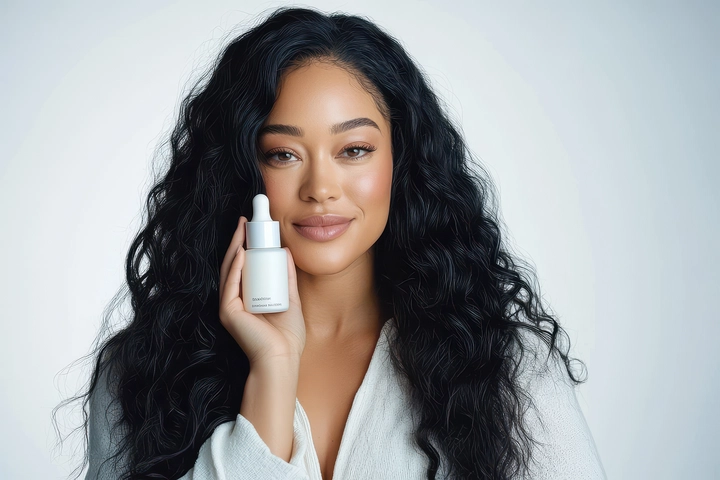
1. Private Label Hair Oils for Shine, Repair, and Scalp Care
Hair oils have become one of the most visible categories in TikTok hair care content. Videos featuring hair oil routines, glossy hair transformations, and before-and-after results have helped increase consumer interest in oil-based treatments.
The reason hair oils continue gaining attention is their ability to combine multiple benefits in one product. Consumers are no longer looking for oils that only add shine; they want solutions that support frizz control, dryness improvement, scalp nourishment, and overall hair appearance.
For brands considering private label hair products, hair oils offer strong customization opportunities. Different market positions can be created by adjusting the formula focus:
- Lightweight daily-use hair oils for fine hair
- Nourishing oils for dry and damaged hair
- Botanical oil blends for natural hair care positioning
- Scalp-focused oils designed for healthier roots
Product developers should focus on texture and user experience. Modern consumers often prefer fast-absorbing formulas that provide conditioning benefits without leaving a heavy or greasy feeling.
Popular development directions include:
- Argan oil for softness and shine
- Jojoba oil for lightweight conditioning
- Botanical oil blends for premium positioning
- Functional ingredients targeting repair and protection
For brands entering the hair care market, private label hair oil products can provide an accessible starting point because they are easy to position, highly customizable, and suitable for multiple sales channels.
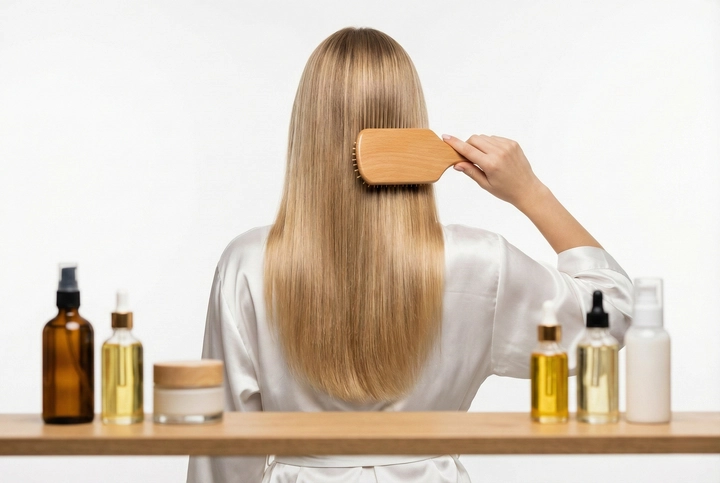
2. Scalp Care Products for the Growing Scalp Health Trend
One of the biggest shifts in TikTok hair care trends is the increasing focus on scalp health. Consumers are becoming more aware that healthy-looking hair starts with proper scalp care.
Previously, most hair care marketing focused on visible results such as smoothness, shine, or volume. However, TikTok content has helped popularize discussions around scalp buildup, oil control, dryness, and maintaining a healthier scalp environment.
This creates opportunities for brands to develop more specialized products, including:
- Scalp serums
- Scalp treatments
- Scalp exfoliating products
- Oil-control scalp solutions
The growth of scalp care also allows brands to create more targeted product positioning. Instead of competing in general shampoo categories, brands can develop products that address specific consumer concerns.
For example:
- A lightweight scalp serum can target consumers interested in daily scalp maintenance.
- A botanical scalp treatment can appeal to natural hair care customers.
- A balancing scalp formula can target oily scalp concerns.
When developing scalp care products, brands should focus on ingredient selection, sensory experience, and clear product benefits. Consumers are increasingly interested in formulas that feel professional while remaining suitable for home use.
3. Hair Growth Products Targeting Thinning Hair Concerns
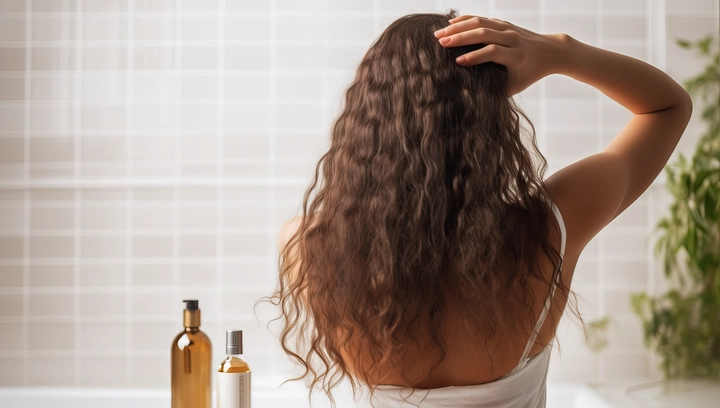
Hair growth-related products continue to attract significant attention on TikTok because transformation-based content performs well on the platform. Videos showing progress over time, hair routines, and scalp care journeys naturally create strong engagement.
For brands, this category represents an opportunity to develop products around consumer concerns related to:
- Hair appearance
- Weak and fragile hair
- Scalp nourishment
- Fuller-looking hair
However, successful product development requires careful positioning. Instead of making unrealistic claims, brands should focus on supporting healthier-looking hair through nourishing and strengthening formulas.
Potential product directions include:
- Hair growth-supporting serums
- Strengthening scalp treatments
- Thickening shampoos
- Nourishing leave-in treatments
Common formulation approaches may include:
- Botanical extracts
- Peptides
- Caffeine-based ingredients
- Plant proteins
- Scalp-conditioning ingredients
For private label hair products in this category, differentiation is especially important. Brands need to create clear value through formula design, packaging, and targeted consumer positioning rather than competing only through general “hair growth” claims.
4. Repair Hair Treatments for Damaged and Chemically Treated Hair
Hair repair remains a strong opportunity because many consumers are experiencing damage from coloring, bleaching, heat styling, and frequent chemical treatments.
TikTok has amplified interest in repair-focused products through transformation videos showing damaged hair recovery, treatment routines, and product demonstrations.
This trend creates opportunities for brands to develop:
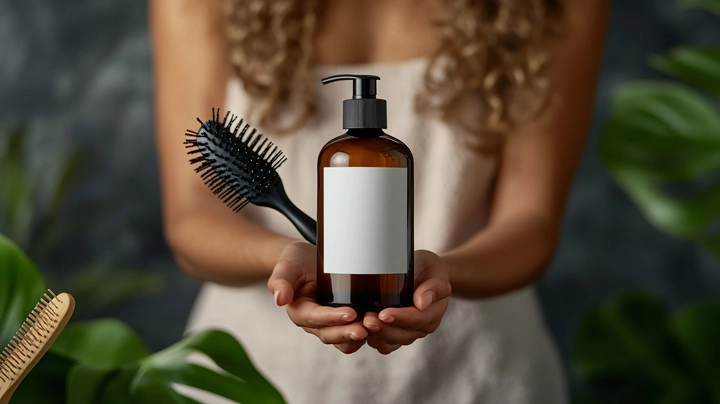
- Intensive repair masks
- Bond repair treatments
- Deep conditioning products
- Strengthening hair treatments
Modern consumers are looking for more than basic conditioning. They want products that address specific damage concerns and provide professional-quality results at home.
Brands developing repair-focused products should consider:
- Protein-based repair systems
- Keratin amino acids
- Botanical conditioning ingredients
- Deep moisturizing complexes
A successful repair product should communicate a clear purpose. Whether targeting bleached hair, dry hair, or damaged hair, the product positioning should match a specific consumer need.
5. Leave-In Hair Products for Daily Protection and Styling Support
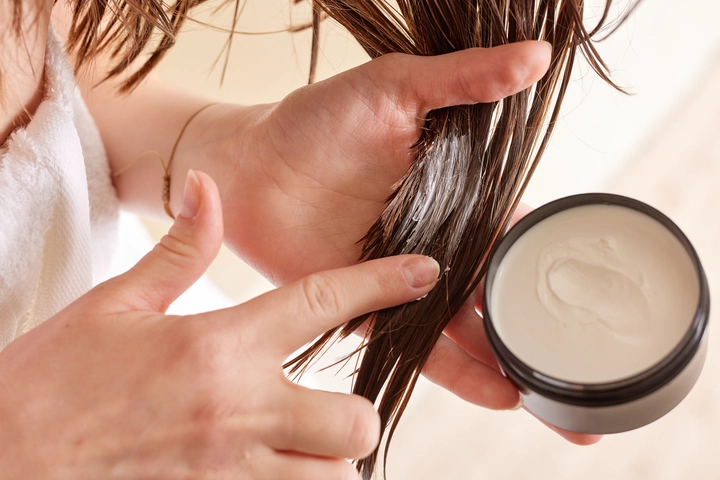
Leave-in products are gaining attention as consumers move toward simpler but more effective hair care routines. On TikTok, many popular hair routines focus on achieving smoother, healthier-looking hair with fewer steps, creating opportunities for multifunctional leave-in solutions.
Unlike traditional rinse-off products, leave-in treatments remain on the hair after application, allowing brands to develop products that provide continuous benefits throughout the day.
For brands exploring private label hair products, leave-in categories offer flexibility because they can be positioned around different consumer needs, including:
- Frizz control
- Heat protection
- Moisture retention
- Detangling
- Hair softness and shine
Potential product opportunities include:
- Leave-in conditioners
- Hair repair creams
- Detangling sprays
- Lightweight moisturizing treatments
The key to successful product development is creating formulas that deliver noticeable benefits without making hair feel heavy or oily. Consumers increasingly prefer lightweight textures that fit into daily routines.
Product developers can explore ingredients such as:
- Panthenol for hydration support
- Botanical extracts for conditioning benefits
- Plant proteins for strengthening concepts
- Lightweight oils for smoothness and shine
For brands entering the market, leave-in products can complement existing shampoo and conditioner lines while creating opportunities for higher-value treatment categories.
6. Heat Protection Products for Styling-Focused Consumers
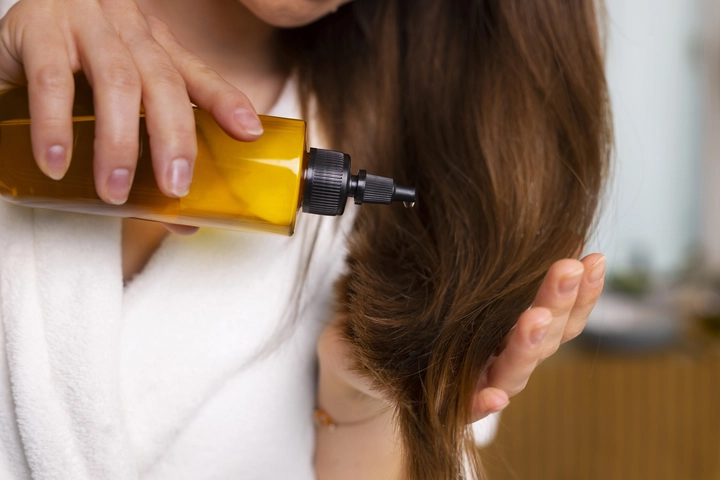
Heat styling has become a major part of modern hair routines, especially among consumers who frequently use blow dryers, straighteners, and curling tools. As styling tutorials continue performing well on TikTok, demand for protective products is expected to remain strong.
Many consumers are not only looking for styling results; they also want solutions that help maintain hair quality during frequent heat exposure.
This creates opportunities for brands to develop:
- Heat protection sprays
- Styling protection creams
- Multi-benefit leave-in sprays
When developing private label hair products in this category, brands should focus on combining protection with additional benefits rather than offering a single-function product.
For example, a competitive heat protection product may also provide:
- Frizz control
- Smoothness
- Shine enhancement
- Lightweight conditioning
A strong product concept could combine styling performance with hair care benefits, helping brands differentiate themselves in a crowded market.
7. Natural and Botanical Hair Care Products
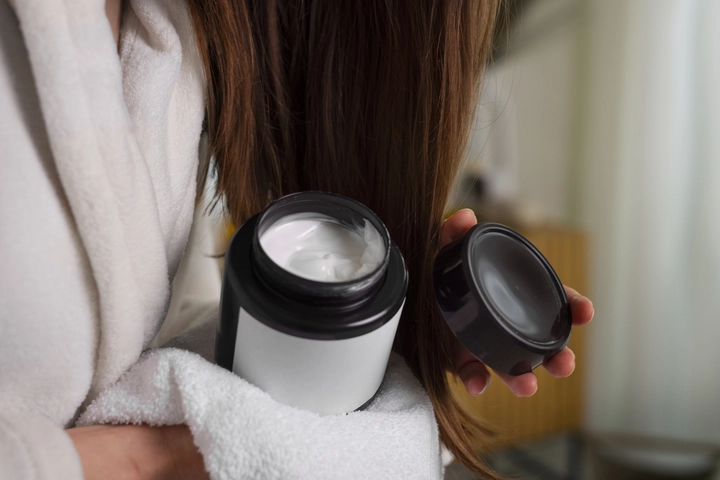
Ingredient-focused content is one of the strongest characteristics of TikTok beauty trends. Consumers increasingly want to understand what ingredients are included in their products and why those ingredients provide benefits.
This has created opportunities for brands developing natural and botanical hair care products.
Rather than simply marketing products as “natural,” successful brands should focus on clear ingredient stories and specific consumer benefits.
Potential product concepts include:
- Botanical repair shampoos
- Plant-based hair masks
- Herbal scalp treatments
- Natural hair oils
Popular ingredient directions include:
- Argan oil
- Aloe vera
- Coconut oil
- Jojoba oil
- Botanical extracts
For private label brands, botanical positioning can help create a stronger brand identity. However, product development should prioritize formula performance because consumers expect natural-positioned products to deliver results comparable to professional hair care products.
A successful natural hair care line should balance:
- Effective formulation
- Ingredient transparency
- Attractive sensory experience
- Clear market positioning
8. Color Care Products for Dyed and Chemically Treated Hair
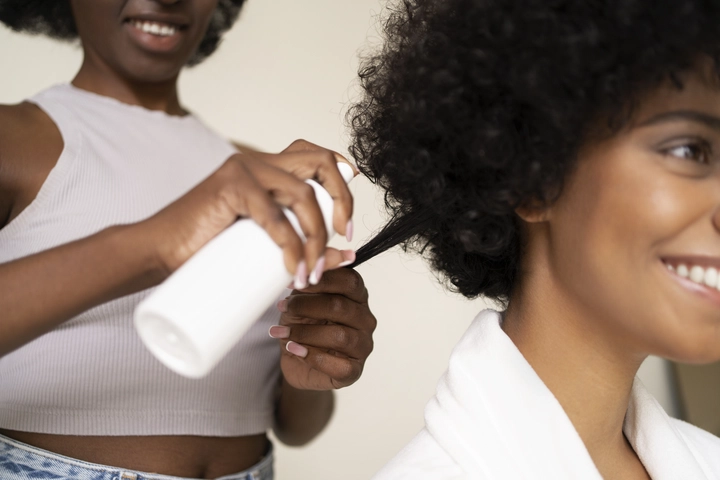
Hair coloring continues to be a major consumer behavior driving demand for specialized care products. TikTok has increased visibility around hair transformations, creative colors, and salon-inspired looks.
As more consumers experiment with hair color, they also face challenges such as:
- Color fading
- Dryness
- Hair damage
- Loss of shine
This creates opportunities for brands to develop targeted color care solutions.
Potential private label hair products include:
- Color protection shampoos
- Color-safe conditioners
- Repair treatments for colored hair
- Shine-enhancing products
Successful products in this category should address both protection and maintenance.
For example:
A color protection shampoo can focus on gentle cleansing and maintaining vibrancy, while a matching treatment product can focus on repairing damage caused by coloring processes.
Brands can differentiate through:
- Sulfate-free formulations
- Repair-focused ingredients
- Professional salon positioning
- Specific color-care benefits
9. Curl Care Products for Texture-Focused Hair Communities
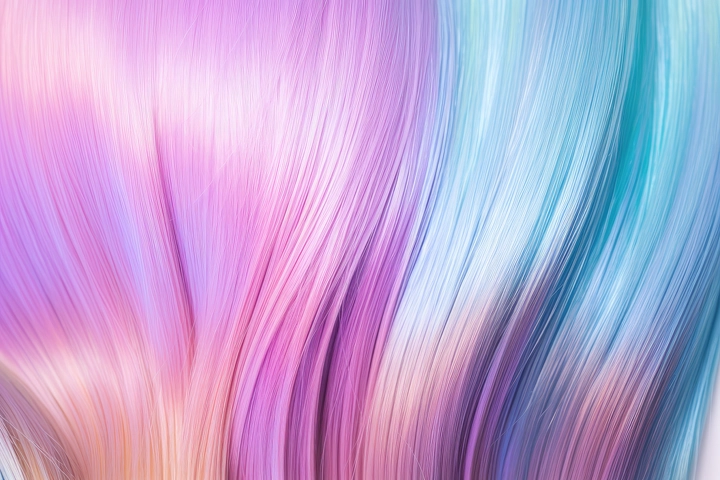
Curl care continues to represent a valuable opportunity as online communities increasingly share routines, styling techniques, and product recommendations for textured hair.
TikTok has helped consumers discover specialized curl routines and increased demand for products designed around specific hair types and styling goals.
Brands developing curl-focused products can explore:
- Curl creams
- Curl defining gels
- Moisturizing treatments
- Leave-in conditioners
The main consumer needs in this category include:
- Moisture retention
- Curl definition
- Frizz reduction
- Improved manageability
Product development should focus on creating formulas that enhance natural texture while maintaining softness and flexibility.
Ingredient directions may include:
- Botanical oils
- Conditioning agents
- Plant-based moisturizers
- Lightweight styling polymers
For brands, curl care products offer an opportunity to build a more specialized product line rather than competing in general hair care categories.
10. Multifunctional Hair Care Products for Simplified Routines
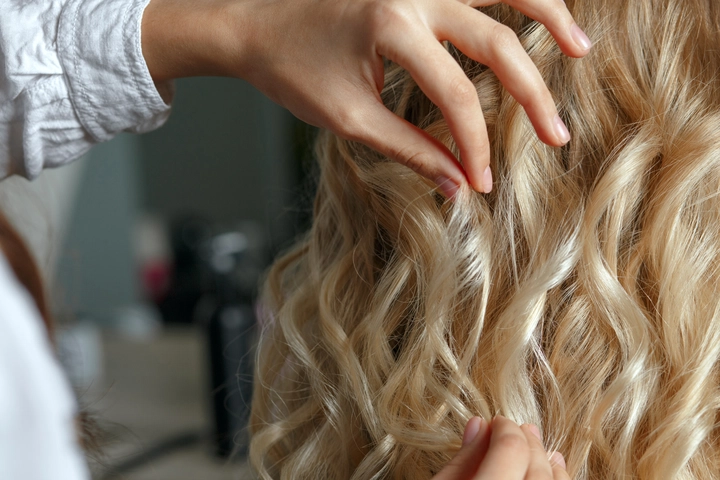
One of the broader trends influencing TikTok Hair Care Trends is the demand for products that provide multiple benefits in one formula.
Consumers are increasingly looking for efficient routines. Instead of purchasing many separate products, they prefer solutions that combine several functions.
This creates opportunities for brands to develop multifunctional products such as:
- Repair + hydration treatments
- Oil + serum hybrids
- Scalp + hair nourishment products
- Leave-in protection formulas
Multifunctional products are attractive for private label development because they allow brands to create unique positioning.
For example:
A hair oil can be positioned not only as a shine product but also as a:
- Frizz control treatment
- Heat styling support product
- Scalp nourishment solution
A leave-in spray can combine:
- Detangling
- Moisture
- Heat protection
The key is avoiding overly broad claims. Successful products should have a clear primary benefit supported by additional functions.
How Brands Can Turn TikTok Hair Care Trends into Successful Products
Identifying a trend is only the first step. Developing successful private label hair products requires turning consumer interest into a product concept with clear market positioning.
1. Start With a Specific Consumer Problem
Successful products usually solve a clear problem.
Instead of developing a general “hair care product,” brands should define:
- Who is the target customer?
- What hair concern does the product address?
- Why would consumers choose this product over alternatives?
Clear positioning helps brands create stronger marketing messages and better product differentiation.
2. Build Differentiation Through Formula Development
Many categories are competitive, so formula customization is important.
Brands can differentiate through:
- Ingredient selection
- Texture and sensory experience
- Functional benefits
- Product combinations
For example, a private label hair oil can be developed as:
- A premium botanical oil
- A lightweight daily treatment
- A scalp-focused solution
- A repair-focused product
3. Align Product Development With Brand Positioning
The same trend can create different product opportunities depending on the brand strategy.
A premium brand may focus on:
- Advanced formulations
- Professional positioning
- Luxury packaging
A natural brand may focus on:
- Botanical ingredients
- Clean positioning
- Plant-based concepts
A mass-market brand may focus on:
- Accessible pricing
- Everyday solutions
- Simple benefits
The strongest private label products combine market demand with a clear brand identity.
Conclusion
TikTok hair care trends provide valuable insights into changing consumer interests, but successful product development requires more than following viral content. Brands need to identify sustainable demand, understand customer needs, and create differentiated products that deliver meaningful benefits.
From hair oils and scalp care solutions to repair treatments and multifunctional formulas, many categories offer opportunities for brands looking to develop new private label hair products in 2026.
If you are planning to develop trend-driven hair care products, Mountain Sea can help transform your ideas into finished products through customized formulation, sampling, packaging, and manufacturing support.