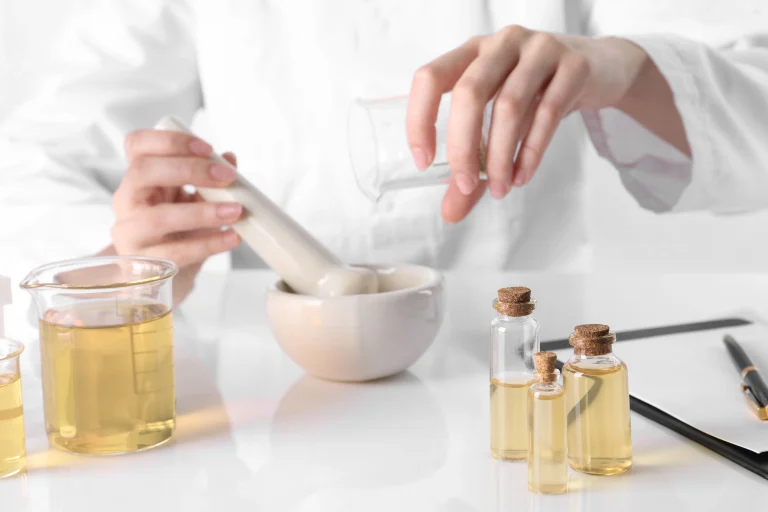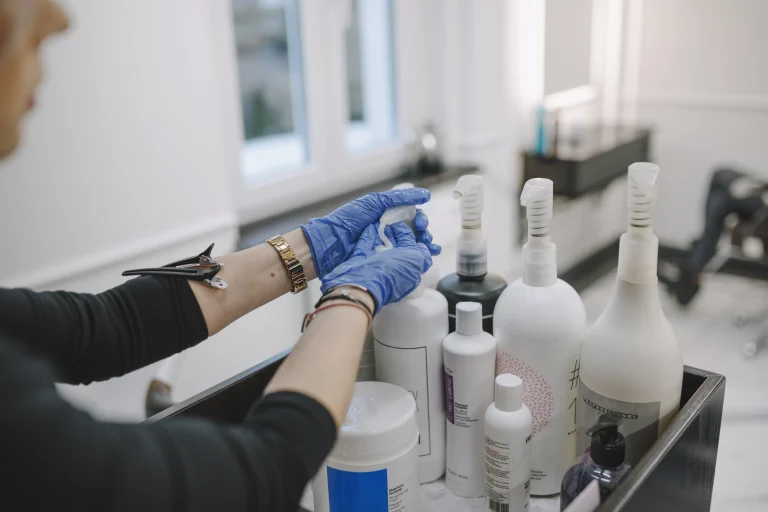
A professional hair care manufacturer controls product quality through multiple checkpoints, from raw material inspection and formulation testing to packaging tests, in-process inspections, and final product checks. This multi-stage approach helps identify potential issues before products are released for shipment.
Why Is Quality Control Important in Hair Care Manufacturing?
Quality control is not a single inspection performed after production is complete. It is a process that starts before manufacturing and continues through formulation, filling, packaging, and final release.
For hair care products, small variations can affect the final product experience. Changes in raw materials, pH, viscosity, color, filling performance, or packaging can influence product consistency and how the finished product performs.
A structured quality control system helps manufacturers:
- Maintain consistency between production batches
- Identify potential problems earlier
- Check whether products meet established specifications
- Reduce packaging and filling issues
- Monitor production conditions
- Confirm finished products before shipment
For private label brands, this matters because the finished product represents the brand in the market. Quality control therefore needs to cover more than the formula itself.
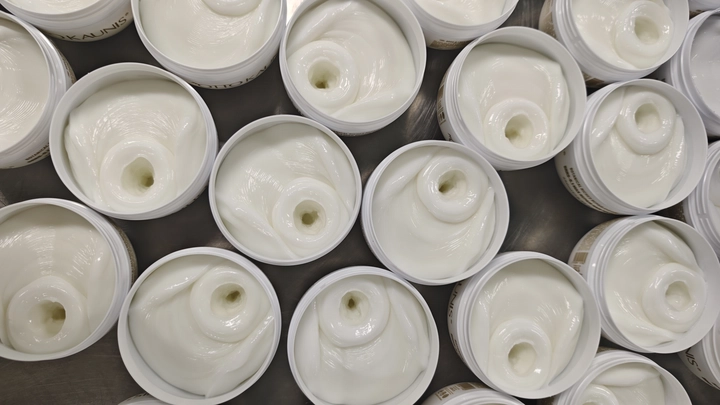
How Do Hair Care Product Manufacturers Control Quality From Raw Materials to Finished Products?
Professional hair care product manufacturers use different inspection and testing points throughout the production process. Each checkpoint focuses on a different potential source of variation.
1. Incoming Raw Material Inspection
Quality control starts when raw materials arrive at the manufacturing facility.
Before materials are released for production, they can be checked for sensory and relevant physicochemical characteristics. Depending on the material, inspection may include:
- Appearance
- Color
- Odor
- Physical condition
- Relevant physicochemical properties
- Specification requirements
This step helps confirm that incoming materials are suitable for the intended production process.
Raw material inspection is particularly important because formulation consistency depends partly on the consistency of the materials used. A problem identified at this stage can be addressed before the material enters production.
2. Packaging Component Testing
Product quality also includes the performance of the packaging.
A formula may meet its specifications, but packaging problems can still affect the finished product during use, handling, storage, or transportation. For this reason, packaging components can be tested before or during production.
Pump Pressing Life Testing
Pump dispensers need to function consistently through repeated use. A pressing life test evaluates the mechanical performance of the pump through repeated operation.
This type of testing is particularly relevant for products packaged with pump dispensers, such as shampoos, conditioners, serums, and treatments.
Printing Rub Resistance Testing
For private label products, printed packaging is part of the brand presentation. Silk-screen printing or other printed elements need to withstand normal handling.
A rub resistance test checks whether printed areas remain intact when subjected to repeated rubbing or handling.
Vacuum Leakage Testing
Liquid leakage can create problems during storage and transportation.
Vacuum testing can be used to evaluate the sealing performance of bottles and packaging components. Identifying potential leakage problems before shipment helps reduce the risk of damaged packaging and product loss.
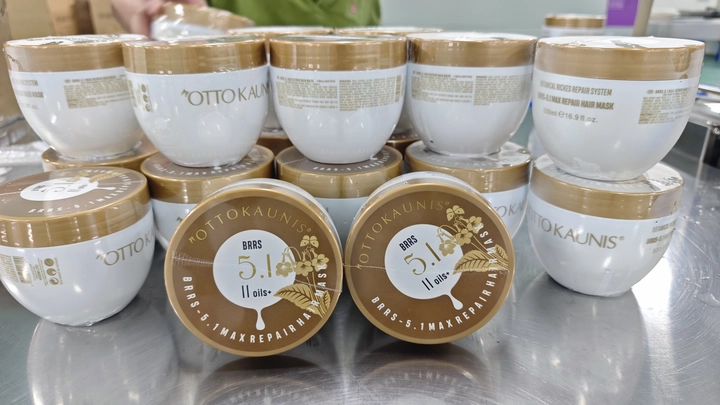
3. Semi-Finished Product Testing
Quality control continues after the formula has been produced but before the product reaches the filling line.
Semi-finished product testing can include pH, viscosity, color, and appearance checks.
pH Testing
pH is an important formulation parameter for many hair care products. Manufacturers compare the measured value with the established specification for the product.
Monitoring pH during production can help identify variations before the batch proceeds to the next stage.
Viscosity Testing
Viscosity affects the physical characteristics of a product and can also influence filling and dispensing performance.
For example, a shampoo, hair mask, and hair serum can have very different viscosity requirements. Testing helps confirm that the bulk product remains within its defined range.
Color and Appearance Inspection
Color and appearance are also useful indicators of batch consistency.
Unexpected changes may indicate variation in raw materials, formulation conditions, or the production process. Checking these characteristics before filling provides another opportunity to identify potential issues.
4. Microbiological Testing and Monitoring
Microbiological quality is another important part of cosmetic manufacturing.
Many hair care products contain water and other ingredients that require appropriate microbiological control. Testing and monitoring help manufacturers evaluate the microbiological condition of products and maintain appropriate production practices.
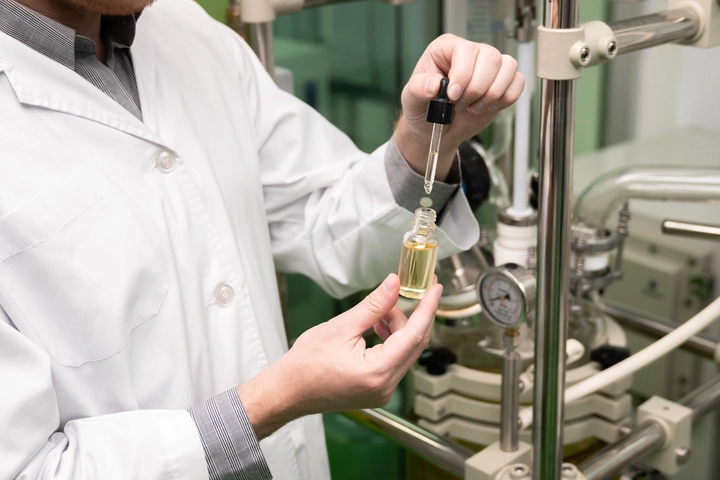
In a laboratory environment, samples can be prepared for microbial culture and observation according to the applicable testing procedures.
Microbiological control should work together with:
- Raw material control
- Production hygiene
- Equipment cleaning
- Water quality monitoring
- Appropriate manufacturing procedures
The purpose is not simply to perform a test at the end. Microbiological quality is supported by controls throughout the manufacturing environment.
5. In-Process Inspection During Filling
Quality control does not stop when the formulation is ready.
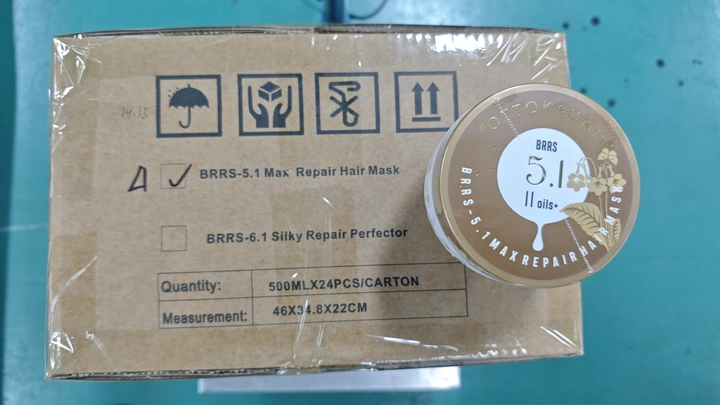
During filling, random process inspections can be performed to monitor whether the production line is operating as expected. These checks can focus on product filling, packaging condition, and other defined process requirements.
In-process inspection provides an important advantage: potential problems can be identified while production is still underway.
For example, if a filling or packaging issue is detected during a process check, it can be investigated before the entire batch is completed.
This is one reason quality control in hair care product manufacturers is better understood as a continuous process rather than a final inspection.
6. Final Product Inspection Before Shipment
After production and filling are complete, finished products undergo a final inspection before release.
The final inspection can cover areas such as:
| Inspection Area | What May Be Checked |
|---|---|
| Product appearance | Color, texture, and overall appearance |
| Packaging | Bottle, cap, pump, and container condition |
| Filling | Product quantity and filling consistency |
| Printing | Label and printed information |
| Finished product | Overall conformity with specifications |
The exact inspection criteria depend on the product and its established specifications.
The purpose of final inspection is to confirm that the finished products are ready for the next stage, including storage or shipment.
7. Daily Monitoring of Purified Water
Water quality is an important consideration in many hair care formulations because water can be a major component of the finished product.
For this reason, purified water used in manufacturing should be monitored as part of the quality control system.
EDI purified water systems can provide high-purity process water, while regular monitoring helps track water quality during production.
Daily monitoring adds another control point to the manufacturing process. It helps ensure that the water used in production remains within the required quality parameters.
8. Quality Records and Manufacturing Environment Monitoring
Testing is only one part of a quality management system. Documentation also plays an important role.
Manufacturing facilities may maintain records related to:
- Raw material inspection
- Product testing
- Production processes
- In-process inspections
- Environmental conditions
- Equipment and cleaning
- Finished product inspection
These records provide documented evidence of quality control activities and help support production consistency and traceability.
Quality management systems and applicable manufacturing standards also provide a framework for organizing these procedures and records.
How Do These Quality Control Steps Work Together?
The individual tests become more meaningful when they are viewed as one connected quality control system.
The process can be understood as a series of checkpoints:
Raw Materials
↓
Packaging Components
↓
Formulation and Semi-Finished Product Testing
↓
Microbiological Monitoring
↓
Filling and In-Process Inspection
↓
Finished Product Inspection
↓
Final Release
Each stage addresses a different part of the manufacturing process.
Raw material inspection focuses on incoming materials. Semi-finished testing checks the bulk formula before filling. Packaging tests evaluate container performance. In-process inspection monitors production, while final inspection evaluates the finished product.
This layered approach means that quality is not dependent on one test performed at the end of production.
Instead, potential variations can be identified at different stages of hair care product manufacturing, giving manufacturers more opportunities to investigate and control them.
Conclusion
A hair care manufacturer controls product quality through a series of inspections and tests rather than relying on a single final check. Raw materials, formulations, packaging, microbiological quality, filling processes, purified water, and finished products all require appropriate quality controls.
For brands looking for a reliable manufacturing partner, understanding these checkpoints can provide a clearer view of how product quality is managed behind the finished bottle.
Mountain Sea applies a structured quality control process across raw material inspection, formulation testing, packaging testing, in-process inspection, and final product inspection to support consistent hair care product manufacturing.
Looking for a hair care manufacturer for your next private label product? Contact Mountain Sea to discuss your product requirements and manufacturing needs.