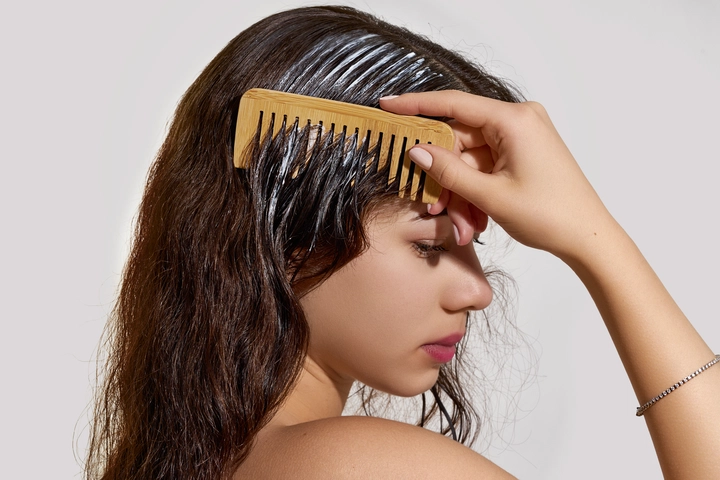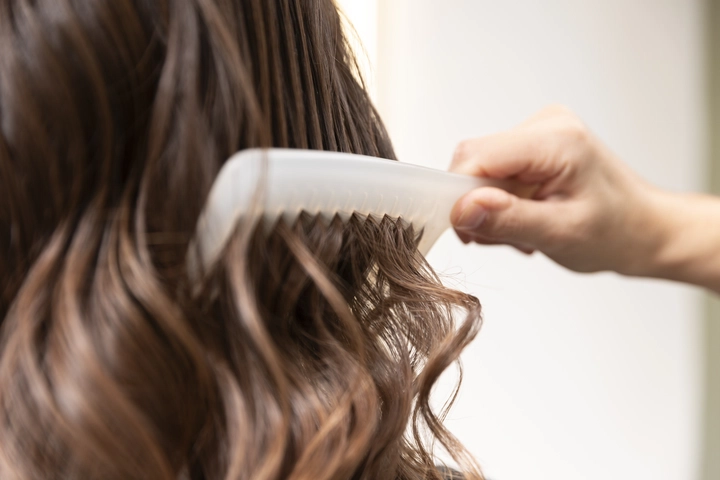
The ingredients used in a scalp care formulation depend on what the product is designed to address, from excess oil and buildup to dryness, flaking, and scalp discomfort. Common options include exfoliating acids, humectants, soothing ingredients, botanical extracts, and targeted scalp actives, but the right combination depends on the product format and formulation goals.
What Are Scalp Care Formulations Designed to Do?
A good scalp care product starts with a clear purpose. A shampoo designed for an oily scalp will not necessarily use the same ingredient system as a leave-on scalp serum for dry or sensitive skin.
Some formulations focus on removing excess oil, product buildup, and dead skin cells. Others are designed to improve scalp hydration, provide a soothing feel, or support a healthier scalp environment. Products positioned around flake or dandruff care may require more targeted active ingredients and closer attention to regulatory requirements and product claims.
That is why you should select scalp care ingredients based on the intended product function rather than simply following a list of popular ingredients.
The product format also matters. A rinse-off shampoo has only limited contact time with the scalp, while a scalp serum or tonic remains on the skin. This difference affects ingredient selection, concentration, texture, solubility, preservation, and the overall sensory experience.
In practice, scalp care can cover several formulation directions:
- Oil and sebum management
- Scalp cleansing and buildup removal
- Exfoliation
- Hydration and moisture support
- Soothing and conditioning
- Flake and dandruff-focused care
- Scalp refreshment and sensory care
Defining this objective first makes the rest of the formulation process much more straightforward.

Which Ingredients Are Commonly Used in Scalp Care Formulations?
There is no single ingredient that defines a scalp care product. Instead, formulators generally combine different ingredient categories to address a specific product concept.
Salicylic Acid for Scalp Exfoliation and Buildup
Salicylic acid is one of the more recognizable scalp care formulation ingredients for products focused on exfoliation, excess oil, and scalp buildup. It can help loosen dead skin and buildup from the scalp surface, making it useful in certain clarifying and exfoliating product concepts.
However, adding salicylic acid does not automatically make a product suitable for every scalp concern. The formulation needs to account for the product format, pH, concentration, solubility, and intended use.
For example, a rinse-off scalp shampoo and a leave-on scalp treatment require different approaches. The surrounding formula also needs to provide the right cleansing or conditioning properties without creating an unnecessarily harsh sensory experience.
Niacinamide for Scalp Conditioning
Niacinamide is another ingredient that can be considered when developing products positioned around scalp balance and conditioning. It is particularly useful when a formula needs more than a cleansing function and is designed to provide a broader scalp-care experience.
Its role should be considered within the complete formula rather than in isolation. The choice of supporting ingredients, product format, pH, and desired texture all influence how niacinamide fits into the finished product.
For brands developing a daily scalp serum or lightweight scalp treatment, this type of ingredient can be combined with humectants and other supporting ingredients to create a more complete formulation concept.
Panthenol and Humectants for Scalp Hydration
Hydration-focused scalp products often rely on humectants to help maintain moisture and improve the feel of the scalp and hair. Panthenol and glycerin are common examples, while ingredients such as betaine may also be considered depending on the formula.
These ingredients can be particularly useful in scalp products designed for dry-feeling or frequently cleansed scalps. They can also help balance the sensory profile of formulas that contain stronger cleansing or exfoliating components.
The important point is that hydration is not simply about adding one moisturizing ingredient. The formulator needs to consider the entire system, including the cleansing base, humectant level, conditioning ingredients, viscosity, and final scalp feel.
Aloe and Botanical Extracts for Soothing
Botanical extracts are frequently used in scalp care products because they provide additional formulation and marketing options. Aloe, green tea, chamomile, centella, and other botanical ingredients may be selected depending on the product concept and target market.
For a soothing scalp product, the botanical selection should make sense alongside the rest of the formula. Extract quality, standardization, compatibility, color, odor, preservation, and stability can all affect the finished product.
This is particularly important for private label hair products. A brand may have a specific botanical concept in mind, but the ingredient still needs to work within the actual formula rather than being added simply because it sounds attractive on a label.
Tea Tree, Peppermint, and Other Essential Oils
Essential oils such as tea tree and peppermint are commonly associated with scalp-care products because of their characteristic aroma and refreshing sensory profile. Rosemary and other aromatic oils may also be considered for certain product concepts.
Their use requires more formulation consideration than simply adding an oil to the ingredient list. The formulator needs to evaluate concentration, solubility, fragrance balance, scalp tolerance, and compatibility with the rest of the formula.
This is especially relevant for leave-on products, where the formula remains in contact with the scalp for longer than a shampoo.
Scalp-Focused Actives for Flake and Dandruff Care
Some scalp treatment formulation concepts require targeted active ingredients rather than general conditioning ingredients. Depending on the market and product claims, formulations may use ingredients such as piroctone olamine, ketoconazole, or other scalp-focused actives.
These products require particular attention to local regulations, permitted uses, concentrations, labeling, and claims. An ingredient that can be used in one market or product category may not be appropriate in another.
For this reason, brands developing a flake- or dandruff-focused product should define the target market and product claims early in the development process.
How Does Product Type Affect Ingredient Selection?
A scalp shampoo, scalp scrub, scalp serum, and scalp tonic may all belong to the same product category, but they do not have the same formulation requirements.
A scalp shampoo formulation needs to balance cleansing performance with scalp feel. Surfactants, conditioning agents, scalp actives, fragrance, viscosity, and pH all need to work together in a rinse-off system.
A scalp scrub has a different objective. The formulation may focus more heavily on exfoliation and physical or chemical exfoliating mechanisms while maintaining an acceptable sensory experience.
A leave-on scalp serum has even more flexibility in terms of active selection, but it also creates additional requirements for texture, absorption, preservation, and long-term scalp comfort.
For example, an ingredient that works well in a rinse-off product may not be the best choice for a lightweight leave-on serum. Likewise, a highly concentrated active system may require a different base than a daily-use scalp tonic.
This is why scalp care formulation ingredients cannot be selected separately from the product format. The formula has to be designed as a complete system.

How Do Formulators Combine Ingredients in a Scalp Care Formula?
A custom scalp care formulation usually begins with a defined product brief rather than an ingredient list.
The first step is to identify the target scalp concern and intended user. A brand might want to develop an oily-scalp shampoo, a soothing scalp serum, or a clarifying treatment for buildup. Each concept leads to a different formulation direction.
The formulator can then select the primary active or functional ingredients and build the supporting system around them. This may include cleansing agents, humectants, botanical extracts, conditioning ingredients, solubilizers, preservatives, fragrance, and pH adjusters.
Compatibility is another important consideration. Ingredients need to work together within the desired pH range and remain stable throughout the product’s expected shelf life. Solubility, viscosity, color, odor, preservation, and packaging compatibility can all influence the final formula.
The goal is not to include as many active ingredients as possible. A well-designed formula often works better when each ingredient has a clear role, and the overall system remains balanced.
What Should Brands Consider When Developing a Scalp Care Formula?
Brands developing private label scalp care products should define more than the ingredient concept before development begins.
The first consideration is the target market and customer. A product for oily scalps may require a different positioning from one designed for dry, sensitive, or buildup-prone scalps.
Next comes the product format. Shampoo, scrub, serum, tonic, and treatment products have different technical requirements. The desired texture and sensory experience should also be defined early because they can affect ingredient selection and the structure of the formula.
Brands should also consider:
- Target scalp concern and product positioning
- Key ingredients and desired claims
- Rinse-off or leave-on application
- Fragrance and sensory preferences
- Texture, viscosity, and appearance
- Packaging compatibility
- Stability and safety testing
- Regulatory requirements in the target market
This planning stage can prevent a common problem in product development: choosing ingredients first and trying to build a workable product around them later.
A better approach is to define the product concept first, then select ingredients that support that concept.

Can Scalp Care Formulations Be Customized?
Yes. Custom scalp care formulations can range from adjusting an existing formula to developing a product from a completely new concept.
For brands looking to launch faster, a ready-made formula can provide a tested starting point. The formula may then be adjusted for fragrance, texture, selected ingredients, or other product requirements.
For a more specific concept, custom development can begin with a product brief, reference product, ingredient direction, or desired performance profile. The formulation team can then develop and refine the formula before it moves into testing and production.
For brands building private label scalp care products, this approach makes it possible to create a product that is more closely aligned with the brand’s positioning rather than simply choosing a generic scalp product from a catalog.
The manufacturing partner also matters. A capable scalp care product manufacturer should be able to connect formulation development with testing, production, filling, labeling, packaging, and quality control. Keeping these stages coordinated helps reduce inconsistencies between the approved sample and the finished production batch.
Frequently Asked Questions
Conclusion
Developing a scalp care product is not simply a matter of selecting popular ingredients. The most effective approach is to start with a clear scalp concern and product concept, then build a formula in which the ingredients, product format, sensory profile, stability, and regulatory requirements work together.
For brands planning a new scalp care line, the right formulation partner can help turn an ingredient idea or product concept into a production-ready product. Mountain Sea provides ready-made and custom formulation options for private label scalp care products, with support from formulation development through manufacturing and finished-product production.