
A hair care product line is usually ready to expand when its core products have established demand, customers show interest in related solutions, and the brand has the resources to support another launch. Rather than expanding based on a fixed timeline, brands should use sales performance, customer feedback, product fit, and development requirements to determine what to launch next.
Why Expanding a Hair Care Product Line Too Early Can Be Risky
Expanding a product line can create new revenue opportunities, but adding products before the core offering is validated can also spread resources too thin. A new brand may still be learning which products customers value, what positioning resonates, and which channels generate consistent demand.
Launching too many products at once can create several challenges:
- Inventory pressure: More SKUs require more finished products, packaging, and storage.
- Marketing dilution: A limited marketing budget has to support multiple products instead of building demand around a clear hero product.
- Unclear positioning: Too many unrelated products can make it harder for customers to understand what the brand specializes in.
- Limited market feedback: When several products launch simultaneously, it becomes more difficult to identify which products are driving demand.
- Higher development costs: Each additional product may require formulation, testing, packaging, and regulatory preparation.
The goal is not to keep a brand small for as long as possible. The goal is to ensure the next product is supported by evidence from the products already in the market.
A focused product line can give a brand a stronger foundation for expansion than a large collection of unvalidated products.

Signs Your Brand Is Ready to Expand
There is no universal point at which every hair care brand should add new products. Readiness is better determined by several signals that show the existing business can support another product.
Your Core Product Has Established Demand
A brand may be ready to expand when its main product demonstrates consistent customer interest rather than relying on a short-term launch spike.
Useful indicators can include:
- Consistent sales over time
- Repeat purchases
- Positive product reviews
- Growing customer interest
- Stable demand across one or more sales channels
This does not mean a product needs to become a bestseller before expansion is possible. The important point is that the brand has enough real-world information to understand who is buying the product and why.
Customers Are Asking for Related Products
Direct customer feedback can reveal expansion opportunities while also showing whether customers are beginning to trust the brand beyond a single product.
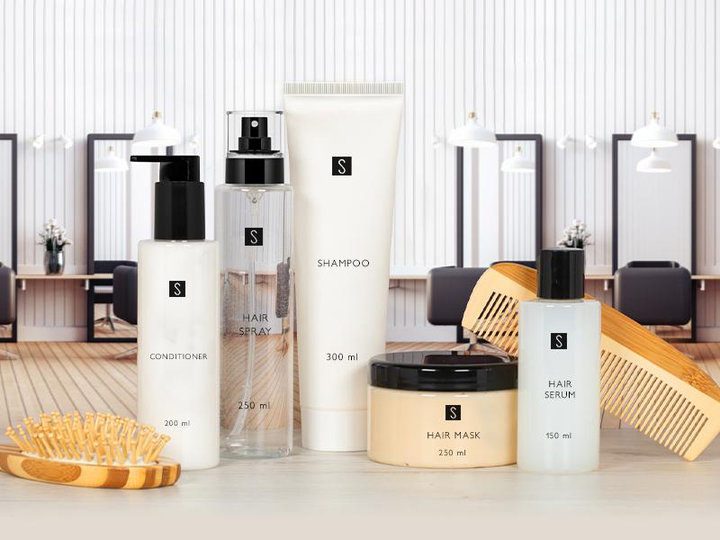
For example, customers who purchase a shampoo may ask whether the brand also offers a conditioner, hair mask, leave-in treatment, or another product for the same hair concern. Rather than looking elsewhere for these products, they are showing an interest in continuing their hair care routine with the same brand.
This behavior can be a meaningful sign of brand trust. Customers may already feel that the brand understands their needs and delivers products they can rely on, making them more willing to try additional products from the same line. When this interest appears repeatedly, it can provide a strong signal that the brand is ready to explore related products.
You Can Identify a Clear Product Gap
A brand should be able to explain what the new product adds to the existing range.
The question is not simply:
“What other hair care product can we sell?”
A more useful question is:
“What does our existing customer need next that our current products do not provide?”
This shift helps brands build a connected range rather than a collection of unrelated SKUs.
Your Brand Has the Resources to Support Another Product
Product expansion requires more than formulation. Brands also need to consider packaging, inventory, marketing, testing, production, and ongoing quality control.
Before adding another product, consider whether the business can support:
| Area | Key consideration |
|---|---|
| Product development | Can the formula be developed and tested within the planned timeline? |
| Packaging | Can suitable packaging be sourced and integrated with the existing brand identity? |
| Inventory | Can the brand carry another SKU without creating excessive stock pressure? |
| Marketing | Is there enough budget and content to introduce the new product effectively? |
| Production | Can the manufacturer support the required product format and production volume? |
When these factors are aligned with customer demand, expansion becomes a more structured business decision rather than a reaction to a trend.
How to Choose the Next Product for Your Hair Care Line
Once a brand decides that it is ready to expand, the next question is what to launch. The strongest opportunities usually have a clear connection to the products, customers, and needs the brand already understands.
Build Around Your Best-Performing Product
A successful product can serve as the foundation for several complementary products.
For example:
Shampoo → Conditioner → Hair Mask → Leave-In Treatment
Each product can address a different step in the same hair care routine while maintaining a consistent customer and product concept.
This approach can also make marketing more coherent. Instead of introducing an unrelated product, the brand can explain how the new product complements something customers already know.
Solve the Next Need in the Same Hair Care Routine
Consider the complete customer journey rather than individual products.
For example, a brand focused on damaged hair could develop a routine that includes:
- Cleansing
- Conditioning
- Deep treatment
- Leave-in protection
- Styling or finishing
The opportunity is not necessarily to launch every step at once. The brand can identify the most relevant gap and introduce products gradually.
Serve the Same Customer With an Adjacent Need
Expansion can also happen by addressing another need of the same target customer.
A brand focused on curly hair, for example, may expand from cleansing into conditioning, curl definition, hydration, or styling. A scalp-focused brand could explore products designed for cleansing, exfoliation, hydration, or scalp treatment.
The closer the new product is to the customer the brand already understands, the easier it can be to maintain a coherent positioning.
Extend a Proven Product Concept
Another approach is to take a proven benefit or product concept and develop it in another format.
For example, a brand built around scalp care might consider a shampoo, scalp serum, treatment, or oil rather than immediately entering an unrelated category.
The principle is simple: expand the solution, not just the catalog.

Product Line Extension vs. Entering a New Category
Not every expansion requires a completely new category. Understanding the difference between product line extension and broader category expansion can help brands choose a more appropriate growth path.
| Approach | What it means | Example |
|---|---|---|
| Product line extension | Builds on an existing product concept, customer need, or routine | Shampoo → Conditioner → Hair Mask |
| New category expansion | Moves into a different but potentially related product category | Hair Care → Scalp Care |
| New customer expansion | Uses products to target a substantially different customer group | General Hair Care → Men’s Grooming |
A product line extension is often more closely connected to what the brand has already validated. A new category can create additional opportunities, but it may also require new customer research, positioning, product knowledge, and marketing resources.
This does not mean one approach is always preferable. The appropriate path depends on the brand’s current position, customer demand, resources, and long-term product strategy.
How to Prioritize New Products Before Development
Brands often identify several potential products at the same time. The challenge is deciding which one should actually be developed first.
A practical evaluation can consider five areas:
1. Customer demand
Is there clear evidence that existing or potential customers need the product?
2. Fit with the current line
Does it naturally complement the products already being sold?
3. Brand positioning
Does the product strengthen what the brand is known for?
4. Market opportunity
Is there a realistic opportunity to attract new customers or increase value for existing ones?
5. Development and manufacturing requirements
Can the product be formulated, tested, packaged, and produced within the available budget and timeline?
A product that performs well across several of these areas may deserve earlier consideration than a product chosen simply because it is currently popular.
This approach also helps prevent a common mistake: allowing short-term market trends to determine the entire direction of a product portfolio.
Expanding a Private Label Hair Care Line: What to Consider
For brands operating a private label hair care line, expansion involves both product strategy and manufacturing decisions. The development approach should be considered early, especially when several new products may eventually become part of the same range.
Formula Strategy
Brands can generally choose between proven ready-made formulas, formula adjustments, and fully custom formulation, depending on how much differentiation is required.
A ready-made formula may provide a faster starting point when the product concept is already well defined. Formula adjustment can help modify selected characteristics, while custom formulation provides greater control over the product concept and performance requirements.
The right approach depends on the desired positioning, target customer, product claims, and level of differentiation.
Product Consistency
As the range grows, consistency becomes increasingly important.
Products do not need to have identical formulas or ingredients, but the line should make sense as a whole. Brands may want to maintain consistency in areas such as:
- Product positioning
- Sensory experience
- Ingredient concepts
- Fragrance direction
- Packaging appearance
- Product claims
A coherent range makes it easier for customers to understand how individual products relate to one another.
Packaging System
New products should also be considered as part of the existing packaging system.
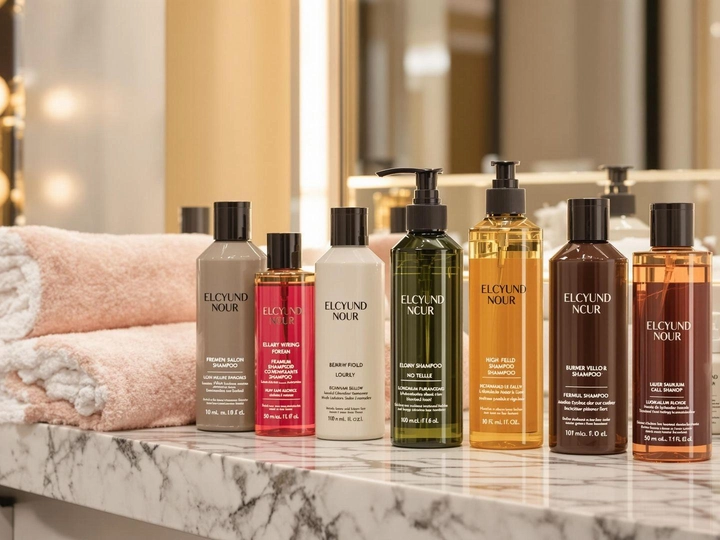
Using compatible bottles, jars, labels, colors, or visual elements can help establish a recognizable product family. At the same time, different formats may require different packaging structures based on the formula, dispensing requirements, and product use.
Packaging decisions are therefore best made alongside formulation and production planning rather than after the formula has been finalized.
MOQ and Production Planning
Adding more SKUs can also change the economics of production.
Each product may involve separate formula batches, packaging components, labels, testing requirements, and inventory. Brands should evaluate the expected sales volume of each new product before committing to production quantities.
For a growing private label line, aligning product selection with realistic demand can help control inventory while allowing the brand to expand progressively.

Working With a Hair Care Line Manufacturer
As a product range becomes more complex, the capabilities of the hair care line manufacturer become increasingly important.
A manufacturer supporting product line expansion should be able to handle more than basic production. Brands may need support across formulation, testing, packaging, filling, labeling, quality control, and production scale-up.
It is also useful to consider whether the manufacturer can support different development paths. A brand may begin with a ready-made formula and later require formula adjustments or custom development for a new product.
Consistency across batches and products is another important consideration. When multiple products share a brand concept, reliable manufacturing processes help maintain consistent quality as the range grows.
For brands planning several products over time, choosing a manufacturing partner based on its ability to support the broader product strategy can be more useful than evaluating a single product in isolation.
A Practical Approach to Expanding Your Hair Care Product Line
A structured expansion process can help a brand move from an initial product to a broader range without adding products simply to increase SKU count.
1. Validate the core product
Review sales, repeat purchases, customer feedback, and other available market signals.
2. Identify the next customer need
Look for recurring requests, product gaps, and unmet needs within the existing target audience.
3. Generate several product opportunities
Consider complementary products, extensions of the existing concept, and potential adjacent categories.
4. Compare the opportunities
Assess customer demand, brand fit, market opportunity, development requirements, and production considerations.
5. Choose the development approach
Determine whether a ready-made formula, formula adjustment, or custom formulation is appropriate.
6. Develop, test, and launch
Finalize the formula and packaging, complete the required testing, scale up production, and monitor market response after launch.
The process should remain iterative. Each new product’s performance can inform the next stage of expansion.
Conclusion
A growing hair care brand does not need to build the largest possible product catalog. It needs to expand when customer demand, product performance, brand positioning, and business resources provide a clear basis for the next product.
For brands planning to expand a private label hair care line, Mountain Sea can provide proven formulas or custom formulation development based on the product concept, target market, and desired positioning. A structured development process can help turn a successful first product into a coherent and scalable product range.