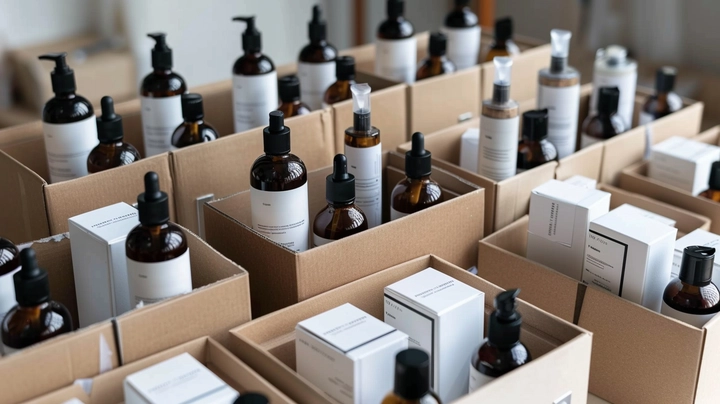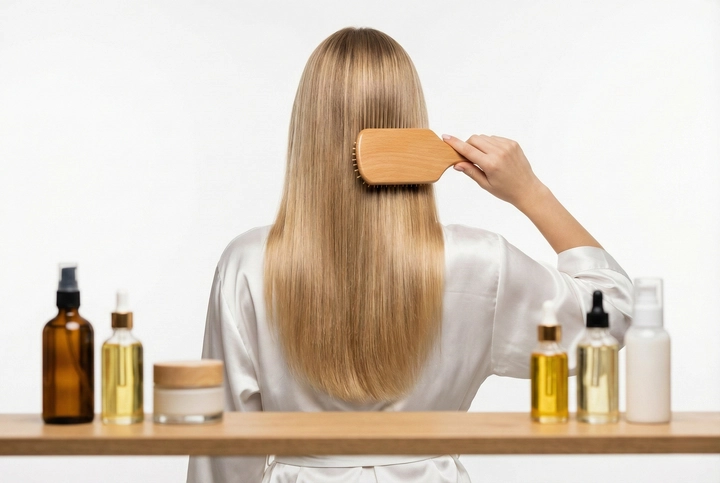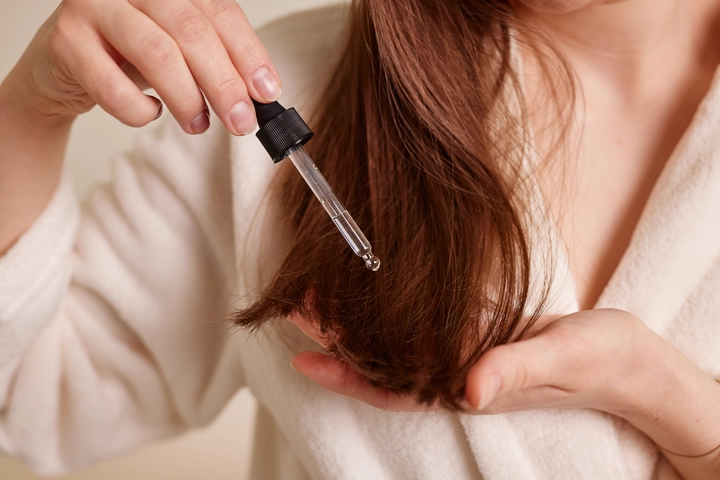
Choosing the right private label hair oil formula is an important step for brands planning to launch a new hair care product. The best formula is not simply based on popular ingredients but should match your target customers, product positioning, desired benefits, and overall brand goals.
For startups and growing beauty brands, understanding how different hair oil formulas work can help you create a product that delivers the right user experience and stands out in the market. This guide explains the key factors to consider when selecting a private label hair oil formula for your brand.
1. Define Your Target Customer and Product Positioning
Before choosing a hair oil formula, brands should first define who the product is designed for and what position it will have in the market.
A successful hair oil product starts with a clear understanding of customer needs. Different consumers may look for different benefits, such as:
- Deep nourishment for dry and damaged hair
- Lightweight hydration for daily use
- Frizz control and smoother hair texture
- Natural botanical-based hair care
- Scalp-focused nourishment
Your product positioning will influence every formula decision, from ingredient selection to texture and fragrance.
For example, a premium salon hair oil may focus on luxurious ingredients and a rich sensory experience, while a daily-use hair oil may require a lighter formula that absorbs quickly without leaving a greasy feeling.
A clear product direction helps brands choose a formula that supports their target market instead of simply following ingredient trends.
Related Reading: Private Label Hair Oil: A Complete Guide for Hair Care Brands

2. Choose the Desired Hair Oil Function
After defining your product positioning, the next step is to decide what primary function your hair oil should serve.
A hair oil formula can be designed around different product goals, including:
Moisturizing and Nourishing Hair Oil
Designed for dry, rough, or dehydrated hair, these formulas focus on improving softness and maintaining moisture balance.
Repair and Damage Care Hair Oil
Suitable for chemically treated or damaged hair, these formulas often focus on improving manageability, smoothness, and hair appearance.
Lightweight Daily Hair Oil
Created for consumers who want hydration and shine without heaviness. These formulas usually prioritize fast absorption and a non-greasy finish.
Scalp Care Hair Oil
Focused on scalp nourishment and maintaining a healthy scalp environment through botanical oils and functional ingredients.
Choosing the right function helps ensure that your formula communicates a clear benefit to customers and supports your brand positioning.
3. Select the Right Oil Base and Key Ingredients
The oil base and key ingredients determine the performance, texture, and overall experience of a hair oil formula.
Different oil combinations create different product characteristics. Some provide lightweight conditioning, while others offer deeper nourishment and a richer feel.
When selecting a private label hair oil formula, brands should consider both ingredient benefits and how the formula feels during use.
| Hair Oil Formula Type | Suitable For | Key Benefits | Common Ingredients |
|---|---|---|---|
| Lightweight Hair Oil Formula | Fine hair and daily use | Hydration without heaviness | Argan Oil, Jojoba Oil |
| Repair Hair Oil Formula | Dry and damaged hair | Improves softness and manageability | Argan Oil, Botanical Oils |
| Nourishing Botanical Hair Oil Formula | Natural beauty brands | Plant-based positioning and nourishment | Multiple Botanical Oils, Plant Extracts |
| Scalp Care Hair Oil Formula | Scalp-focused products | Supports scalp nourishment | Botanical Extracts, Essential Oils |
Popular ingredients may include:
- Argan Oil for conditioning and shine
- Jojoba Oil for lightweight nourishment
- Coconut Oil for rich moisturization
- Botanical oils for natural positioning
- Plant extracts for additional product benefits
However, choosing ingredients is not only about selecting well-known oils. The final formula needs to balance performance, texture, stability, and customer expectations.
A professional custom hair oil formula should be designed around the complete product concept rather than individual ingredients alone.
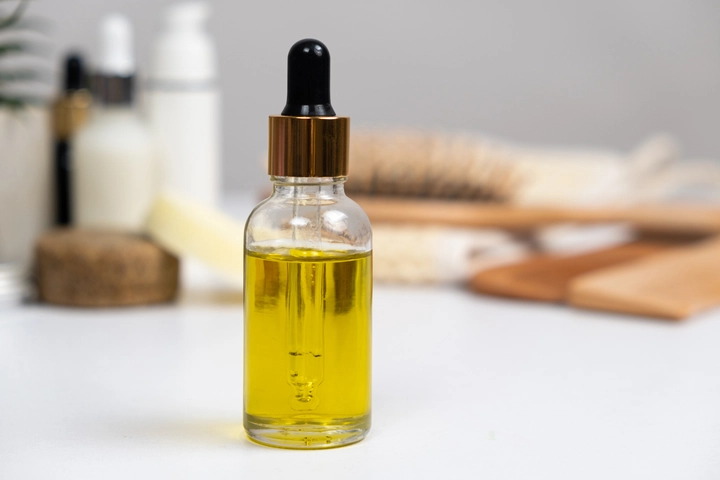
4. Decide the Texture and User Experience
Texture is one of the most important factors influencing customer satisfaction.
Two hair oils may contain similar ingredients but provide completely different experiences depending on the formula design.
Brands should consider:
Absorption Speed
Some customers prefer lightweight oils that absorb quickly, while others prefer richer formulas for intensive nourishment.
Greasy Feeling
A well-designed hair oil should provide conditioning benefits without making hair feel heavy or oily.
Hair Finish
The formula can influence whether the final result feels:
- Smooth
- Soft
- Glossy
- Lightweight
- Silky
Fragrance Experience
Scent is also an important part of the product experience. The fragrance should match the brand identity and target customer preferences.
For private label hair care products, the sensory experience often plays an important role in repeat purchases.

5. Evaluate Formula Quality and Stability
A good hair oil formula should not only provide benefits but also maintain consistent quality throughout its shelf life.
Before launching a product, brands should evaluate factors such as:
- Ingredient compatibility
- Formula stability
- Product appearance
- Texture consistency
- Fragrance stability
- Packaging compatibility
For example, certain ingredients may perform well individually but require careful formulation to create a stable final product.
Working with an experienced hair oil manufacturer can help brands evaluate formula performance and reduce development risks before mass production.
6. Test and Refine the Formula with Your Manufacturer
Formula selection is usually not a one-step decision. Testing and refinement are important parts of creating a successful hair oil product.
During the development process, brands may need to review:
- Product samples
- Texture preferences
- Fragrance options
- Ingredient adjustments
- Customer feedback
A private label manufacturer can help brands compare different formula options and make adjustments based on their target market.
This process allows brands to create a product that matches their expectations before moving into full production.

7. Ensure the Formula Matches Your Brand Goals
The final step is making sure the selected formula supports your long-term brand strategy.
A successful hair oil formula should align with:
- Your target customer expectations
- Brand positioning
- Product price range
- Marketing message
- Future product expansion plans
For example, a brand focusing on natural beauty products may prioritize botanical ingredients and clean positioning, while a professional hair care brand may focus more on performance-driven formulas.
The right formula is not necessarily the most complex one. It is the formula that best fits your brand identity and customer needs.
Conclusion
Choosing the right private label hair oil formula requires more than selecting trending ingredients. Brands need to consider product positioning, customer expectations, formula performance, and manufacturing support to create a product that fits their market goals.
Whether you are launching your first hair care product or expanding an existing beauty line, working with an experienced manufacturer can help you select and refine the right formula for your brand.
Ready to develop your private label hair oil product? Contact Mountain Sea today to discuss your formula requirements and explore customized hair oil solutions for your brand.