Hair care samples should be evaluated against the product brief, expected performance, sensory requirements, and packaging specifications before a brand approves them for production. A sample may look promising at first but still need adjustments if its texture, fragrance, or performance does not match the intended product. A structured evaluation helps brands identify gaps, provide useful feedback, and decide whether to approve the sample or request revisions.
1. Check Whether the Formula Meets the Product Brief
Before evaluating individual details, confirm that the sample matches the product concept and the requirements agreed upon during development.
A formula can perform well in general but still be unsuitable for its intended market. For example, a rich conditioner may condition well but feel too heavy for a product designed for fine hair.
Review the intended product performance
Start with the main purpose of the product and the results it is expected to deliver.
| Product type | Key points to evaluate |
|---|---|
| Shampoo | Cleansing performance, rinseability, and hair feel after washing |
| Conditioner | Detangling, softness, smoothness, and weight on the hair |
| Hair mask | Conditioning performance, manageability, and richness of the finish |
| Hair oil or serum | Shine, smoothness, frizz control, spreadability, and residue |
| Styling products | Application, hold, finish, and the intended styling effect |
These are starting points rather than universal pass-or-fail criteria. The final evaluation should reflect the product’s intended purpose and positioning.
Compare the sample with the agreed requirements
Review the sample against the original product brief, including:
- Target customer: Is the formula appropriate for the intended hair type and consumer needs?
- Expected benefits: Does it deliver the performance the product is designed to provide?
- Product positioning: Does the result match the intended experience, such as lightweight daily care or intensive conditioning?
- Special requirements: Are there agreed ingredient, fragrance, appearance, or formulation preferences that still need to be addressed?
For a private label hair care brand, this step helps distinguish between a formula that is generally acceptable and one that is right for the specific product line.
2. Evaluate Texture, Fragrance, and Appearance
Sensory characteristics influence how customers perceive a hair care product. They should be evaluated separately from performance so that a formula’s strengths and weaknesses are easier to identify.
Texture and consistency
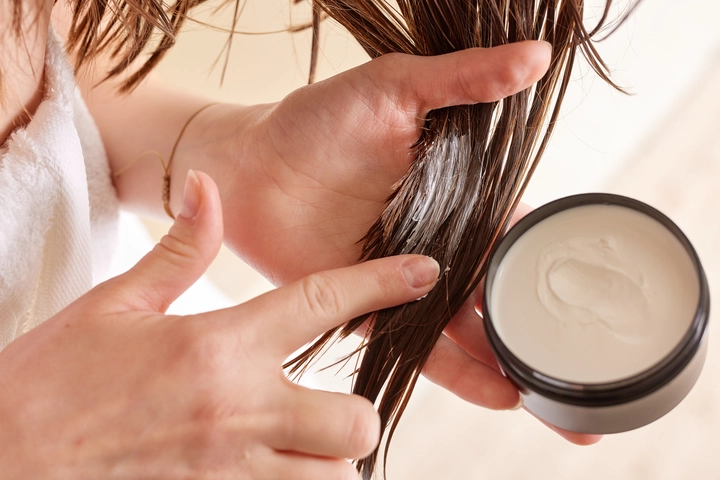
Check how the product looks and feels during dispensing, application, and rinsing, where applicable.
Consider whether the consistency suits the product’s purpose. A shampoo should be easy to dispense and spread, while a hair mask may require a richer texture. Hair oils and serums should spread appropriately without leaving an unwanted heavy or greasy finish.
Also note any unexpected changes in consistency, visible separation, or other unusual observations. A single sample assessment cannot establish long-term stability, but these observations can help identify issues that require further investigation.
Fragrance and appearance
Evaluate fragrance strength, character, and how it develops during use. If a fragrance specification has been agreed upon, compare the sample with that expectation rather than relying only on personal preference.
For color and appearance, check whether the sample matches the intended product concept and whether it looks consistent throughout the sample. Unexpected discoloration or separation should be reported rather than dismissed as a cosmetic detail.
A useful rule: Record each concern separately. For example, “the fragrance is stronger than expected” is more actionable than “the product does not feel right.”
This makes hair care sample evaluation more objective and gives the manufacturer clearer direction if adjustments are needed.
3. Test the Sample Under Real Use Conditions
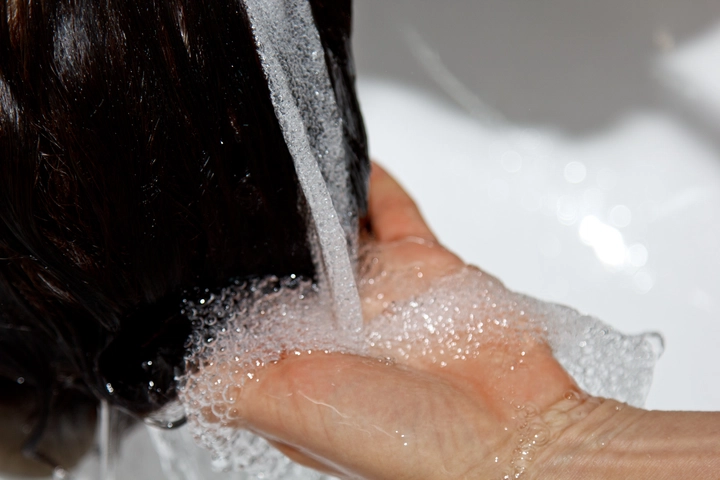
A sample should be tested in a way that reflects how the finished product is intended to be used. A quick inspection can reveal obvious problems, but it may not provide enough information to assess application, rinseability, styling results, or performance after repeated use.
Match the test to the product
Use the product according to its intended directions, and assess the results that matter most for that product type.
| Product type | What to assess during testing |
|---|---|
| Shampoo | Lather where relevant, cleansing, rinsing, and hair feel after washing |
| Conditioner | Application, wet-hair detangling, rinsing, and softness |
| Hair mask | Conditioning, manageability, and whether the finish feels too heavy |
| Hair oil or serum | Spreadability, shine, frizz control, residue, and finished feel |
| Styling products | Ease of application, hold, finish, and whether the intended effect is achieved |
These checks should reflect the product brief. For example, a styling product intended for strong hold should not be judged by the same criteria as a lightweight finishing serum.
Decide whether repeated use is necessary
Some characteristics can be assessed after one use, while others need more observation. If the product is intended for regular use, testing it across several normal-use occasions may provide more representative feedback.
Record the conditions and observations consistently. Where possible, keep the amount used, application method, and testing conditions reasonably consistent so that comparisons between samples are meaningful.
It is also important to separate consumer-use observations from technical verification. A positive experience during a short test does not, by itself, establish product stability, microbiological safety, or other requirements that need appropriate testing.
For more reliable hair product testing, combine practical use feedback with the relevant technical assessments required for the product and market.
4. Check Packaging Compatibility
Packaging is part of the finished product experience. A formula that performs well may still need changes if the selected container is difficult to use or unsuitable for dispensing the product.
Check dispensing and usability
Test the sample in the intended packaging, where available. Pay attention to whether the product can be dispensed conveniently and whether the closure works as expected.
- Pump bottles: Check whether the pump dispenses the product consistently and is practical for the formula’s viscosity.
- Spray bottles: Observe the spray pattern, ease of operation, and whether the product can be applied as intended.
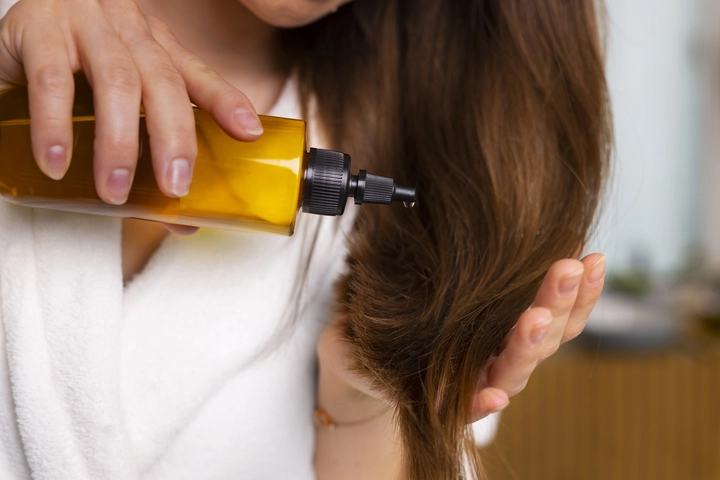
- Dropper bottles: Check whether the dropper allows convenient and controlled dispensing.
- Jars and screw-cap bottles: Assess access to the product, closure usability, and the likelihood of leakage during normal handling.
The appropriate packaging depends on the formula, product format, and intended use. A container that looks attractive is not necessarily the most suitable choice.
Consider formula–package compatibility
Check for visible or practical problems, such as leakage, dispensing difficulties, or unexpected changes in the packaging during evaluation. Report any unusual observations so they can be investigated.
However, a visual inspection or short-term use test cannot confirm full compatibility. Formal compatibility testing may be needed to assess interactions between the formula and packaging materials over time.
Brands should also confirm the final packaging specifications before approval, including the selected container, closure, dispensing components, and other agreed details.
5. What If the Sample Is Close but Not Right?
A sample does not necessarily need to be rejected because one or two characteristics fall short of expectations. The next step depends on the nature of the gap and whether it can be addressed through a targeted adjustment.
A clear feedback process helps avoid repeated revisions based on vague or conflicting preferences.
A practical process for sample revisions
Step 1: Describe the issue clearly.
Identify what needs to change and, where possible, explain the difference between the current result and the desired result.
For example:
- The shampoo cleanses well, but the hair feels too dry after rinsing.
- The conditioner provides sufficient softness, but the finish feels too heavy.
- The hair oil spreads well, but leaves more residue than expected.
- The fragrance is acceptable in character but stronger than the intended profile.
Step 2: Prioritize the changes.
Separate essential requirements from preferences that are less important. If the formula meets its main performance goals but has a minor sensory issue, a targeted adjustment may be appropriate.
If the sample misses the product’s core purpose or several important requirements, a broader reformulation may be necessary. The hair product manufacturer can assess the requested changes and advise on their feasibility.
Step 3: Review the revised sample.
When a new version is provided, evaluate it against the original product brief and the specific feedback submitted for revision. Also check whether the adjustment has affected other important characteristics.
There is no universal number of sample rounds suitable for every project. The number depends on the complexity of the formula, the clarity of the initial requirements, and the extent of the requested changes.
For more efficient development, keep a record of the feedback and identify each revised sample clearly. This makes it easier to compare versions and prevents an earlier sample from being mistaken for the approved one.

6. When Is a Hair Care Sample Ready for Approval?
A sample is ready for approval when it meets the agreed requirements, significant concerns have been resolved, and the final version is clearly identified. Approval should be based on documented criteria rather than a general impression that the product is satisfactory.
Before confirming approval, check the following:
- Product requirements: The formula meets the agreed performance, sensory, and product-positioning expectations.
- Testing and revisions: Relevant use evaluations have been completed, and outstanding issues have been addressed.
- Final sample version: The approved sample is identifiable and distinguishable from earlier versions.
- Packaging and specifications: The final packaging and relevant product specifications have been confirmed.
- Outstanding requirements: Any additional testing, documentation, or approvals required for the project have been considered.
If a key requirement remains unresolved, clarify it with the manufacturer before authorizing bulk production.
Keep sample approval separate from bulk quality control
Sample approval establishes the product version and requirements agreed upon for production. It does not mean that every subsequent batch can be assumed to meet those requirements without inspection.
Bulk manufacturing still requires appropriate quality control against the agreed specifications. Depending on the product and project, this may include checks for:
- Appearance and consistency
- Filling accuracy
- Packaging condition and closure
- Other defined product-specific quality parameters
If the formula or packaging changes after approval, the change should be reviewed to determine whether additional evaluation or renewed approval is necessary. The extent of that review depends on the nature of the change and its potential impact.
For a private label hair care brand, maintaining records of the approved sample, product specifications, and subsequent changes helps reduce ambiguity when moving from development to manufacturing.
Moving from Sample Evaluation to Production
Approving a hair care sample requires more than a positive first impression. Brands should confirm that the formula meets the product brief, evaluate sensory and real-use performance, check packaging suitability, and resolve significant issues before confirming the final version.
Mountain Sea supports private label hair care projects through sample evaluation, formula adjustments, packaging coordination, and manufacturing. Brands preparing to launch a product line can share their product requirements and feedback to discuss the next steps toward sample approval and production.