Developing curly hair products requires more than choosing popular ingredients or following current trends. Brands need to understand different curl patterns, identify the specific care needs of their target consumers, and select products that address those needs effectively. With a clear product strategy, it becomes easier to choose a hero product, build a complementary product line, and work with a hair care manufacturer to bring the concept to market.
1. Understanding Curly Hair: Types and Characteristics
Understanding curl patterns is a useful starting point for developing curly hair products, but curl type alone does not determine what a person’s hair needs. Brands should also consider characteristics such as porosity, density, strand thickness, and shrinkage when defining their target consumers and product concepts.
Understanding Different Curl Types
One commonly used classification method is the Andre Walker Hair Typing System, which groups hair into four main categories:
- Type 1 – Straight Hair: Hair with little or no natural curl pattern.
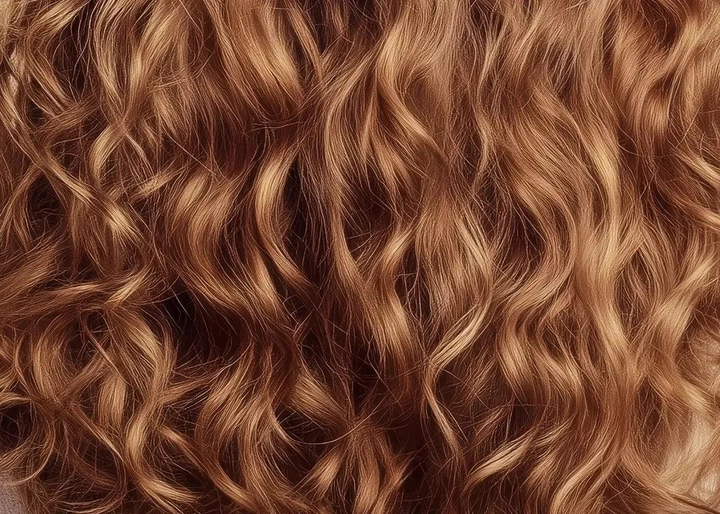
- Type 2 – Wavy Hair: Hair that forms loose S-shaped waves.
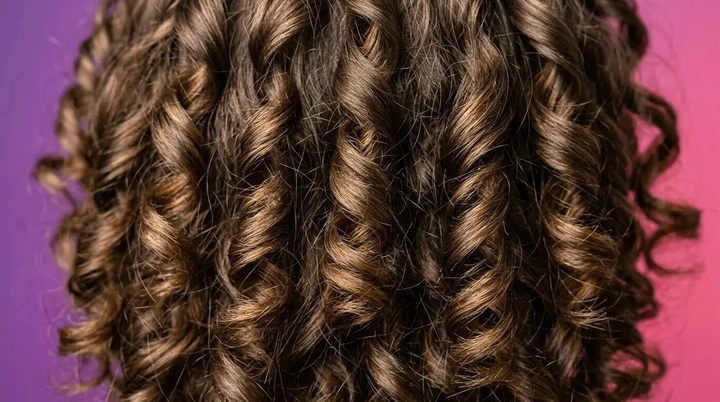
- Type 3 – Curly Hair: Hair with visible spiral or ringlet-shaped curls.
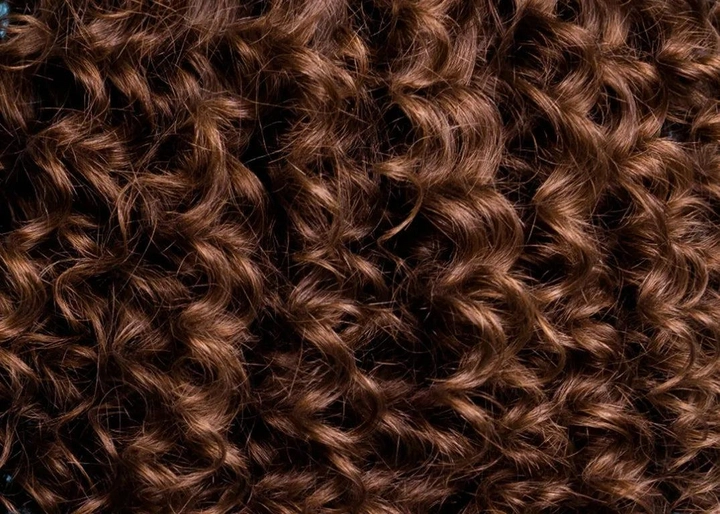
- Type 4 – Coily Hair: Hair with very tight curls, coils, or zigzag patterns.
For brands developing products specifically for curly hair, Type 3 and Type 4 are particularly relevant. However, the differences between curl subtypes can also influence product preferences and styling needs.
Within Type 3, curls are commonly divided into three subtypes:
- 3A: Large, loose spiral curls with a relatively wide circumference. The curl pattern is clearly visible but generally less tight.
- 3B: More defined, spring-like curls with a smaller circumference than 3A. The hair often has greater volume and may be more prone to tangling.
- 3C: Tight corkscrew curls with a smaller circumference and a denser curl pattern. Shrinkage and tangling may be more noticeable.
Type 4 hair has an even tighter curl or coil structure. Its subtypes are generally described as follows:
- 4A: Small, well-defined coils with an S-shaped pattern.
- 4B: Tightly packed coils that often form a Z-shaped pattern.
- 4C: Very tight coils with less visibly defined patterns and significant shrinkage.
These classifications describe the appearance of the curl pattern rather than the complete condition of the hair. Two consumers with the same curl type may still have very different product requirements.
Other Hair Characteristics That Influence Product Needs
Beyond curl pattern, several characteristics help explain how curly hair responds to conditioning and styling products.
| Hair characteristic | What it means | Why it matters for product development |
|---|---|---|
| Hair Porosity | How easily hair absorbs and retains moisture | Influences conditioning needs and how products interact with the hair |
| Hair Density | How much hair grows within a given scalp area | Affects how much product consumers may need and how heavy a formula feels |
| Strand Thickness | Whether individual strands are fine, medium, or coarse | Helps determine the preferred balance of conditioning, weight, and coating |
| Curl Shrinkage | How much curly hair appears shorter than its actual stretched length | Influences styling preferences and expectations for curl definition and length appearance |
For example, fine curly hair may become weighed down by a rich formula, while coarse or highly textured hair may benefit from more substantial conditioning. Hair with higher porosity may also have different moisture-retention needs from hair with lower porosity.
For product developers, the key is to look beyond a single curl classification. A more complete understanding of the target consumer helps create products with more relevant textures, conditioning levels, and styling performance.
2. Understanding Curly Hair Care Needs
Curly hair consumers commonly look for products that address dryness, frizz, tangling, curl definition, and styling retention. These concerns often overlap, so brands should identify the primary needs of their target audience rather than developing a separate product for every individual concern.
The curved structure of curly hair can make it more difficult for natural scalp oils to distribute evenly along the hair shaft. As a result, the lengths and ends may be more prone to dryness. Curl patterns can also increase friction between strands, making detangling and styling more challenging.
However, these concerns are not universal. Hair porosity, strand thickness, damage, environmental conditions, and styling habits all influence the actual care requirements.
| Common curly hair concern | Why it happens / What consumers need |
|---|---|
| Dryness | Natural oils may not distribute evenly along the hair shaft. Consumers often look for conditioning products that improve softness and help maintain moisture. |
| Frizz | Hair surface condition, humidity, and moisture balance can affect smoothness and curl appearance. Products may need to improve surface smoothness and support better curl control. |
| Lack of Curl Definition | Curls may lose their shape due to insufficient conditioning, styling support, or individual hair characteristics. Consumers often need products that help define and maintain their natural curl pattern. |
| Tangling and Breakage | Curved strands can become intertwined, while friction and dryness may make detangling more difficult. Conditioning and slip are important considerations. |
| Poor Curl Retention | Curls may lose their shape during the day due to insufficient styling support, product performance, or environmental factors. Consumers may need products with suitable hold and flexibility. |
These needs also help explain why curly hair care products serve different purposes.
- Conditioning products help improve softness, reduce friction, and support easier detangling.
- Moisturizing products help improve the feel of dry hair and support moisture retention.
- Styling products help define curls, manage frizz, and maintain the desired shape.
A single formula may address several concerns, but it is important to establish its primary function. For example, a curl defining cream may provide conditioning while shaping curls, whereas a curl defining gel is generally developed with greater emphasis on styling support and hold.
For brands, this distinction is important when deciding which product benefits to prioritize and how to differentiate products within a curly hair care range.
3. Choosing the Right Hero Product for Your Curly Hair Brand
A hero product should address a clear consumer need and represent the central value of the brand. Rather than starting with a list of popular curly hair care products, brands should first define their target audience, identify its most important concern, and select a product that delivers a relevant solution.
Start with Your Target Consumer and Product Concept
Before choosing a product, establish who it is intended for and what the product should achieve.
Three questions can help clarify the direction:
1. Who are you targeting?
Consider the curl patterns and other hair characteristics of your intended consumers. For example, a brand may focus on consumers with 3A–3C curls, or develop products for consumers with tighter 4A–4C coils.
However, targeting a curl type alone may be too broad. A more specific audience could be consumers with fine, easily weighed-down curls or consumers with coarse, dry, and tightly coiled hair.
2. What is their main concern?
Identify the most important problem the product should address:
- Dryness and rough texture
- Frizz and poor manageability
- Undefined or inconsistent curl patterns
- Tangling and difficult detangling
- Curls that lose their shape during styling
Prioritizing one or two related needs helps create a more focused product concept.
3. What does your brand want to offer?
The product direction should also reflect the brand’s positioning. For example:
- A brand focused on everyday curly hair care may prioritize lightweight conditioning and manageability.
- A brand centered on curl styling may emphasize definition, frizz control, and curl retention.
- A brand targeting dry or damaged curls may focus on intensive conditioning and improved softness.
The answers to these questions provide a clearer basis for selecting a hero product.
Match Your Product Concept with a Hero Product
Once the target audience and primary concern are established, brands can compare different product formats and determine which one best communicates the intended benefits.
The following examples illustrate three possible directions:
| Product concept | Potential hero product | Main product focus |
|---|---|---|
| Defining natural curls | Curl Defining Cream | Curl definition, softness, and manageability |
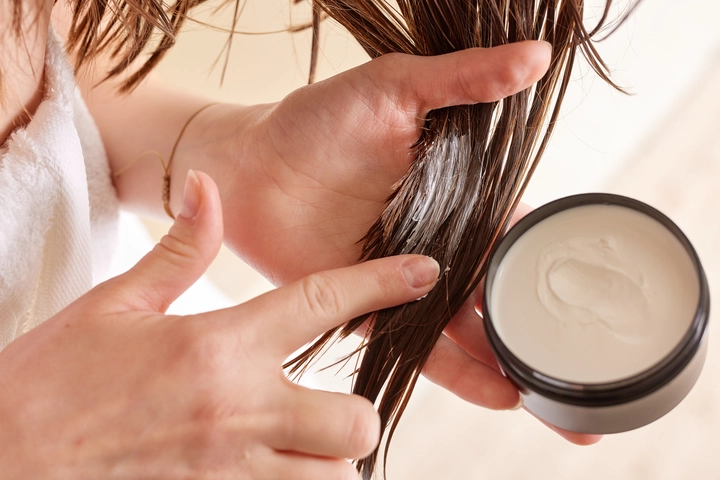
| Deep conditioning dry curls | Deep Conditioning Hair Mask | Intensive conditioning and improved softness |
| Supporting everyday curl styling | Curl Defining Gel | Styling support and curl retention |
These examples are starting points rather than fixed rules. A product’s suitability depends on its formulation, target consumer, and intended performance.
What Makes a Good Hero Product?
A good hero product should do more than fill a gap in the product catalog. It should provide a clear reason for consumers to choose the brand.
When evaluating potential products, consider the following factors:
- Relevance to the target audience: Does the product address a concern that matters to the intended consumers?
- Clear product benefits: Can the main function and expected user experience be communicated easily?
- Brand positioning: Does the product reflect the brand’s identity, whether that means everyday care, intensive conditioning, or curl styling?
- Market potential: Is there a clear audience and use case for the product?
- Product line expansion: Can the hero product serve as the foundation for related products in the future?
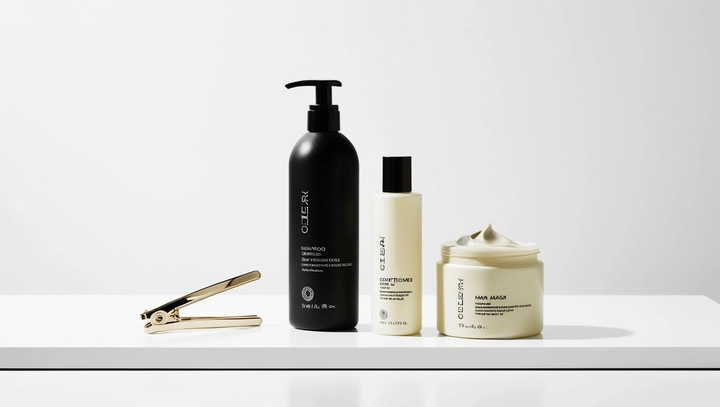
For example, a curl defining cream can create opportunities for complementary products such as leave-in conditioners and styling gels. A deep conditioning hair mask can form the foundation of a care-focused range that includes shampoo and leave-in treatments.
The best hero product is not necessarily the most popular product in the market. It is the product that most clearly represents the brand’s value while addressing a meaningful consumer need.
4. Building a Complementary Product Line Around Your Hero Product
A complementary curly hair product line should support the consumer’s broader hair care routine, with each product serving a distinct purpose. Once the hero product has been selected, brands can identify what consumers may need before, during, or after using it.
The objective is not simply to add more products. Each additional SKU should have a clear role and work naturally alongside the core product.
Example 1: Building Around a Curl Defining Cream
Suppose the hero product is a Curl Defining Cream designed for consumers who want well-defined, soft, and manageable natural curls.
A complementary product line could include:
| Product | Purpose |
|---|---|
| Leave-In Conditioner | Provides lightweight conditioning, improves softness and detangling, and prepares hair for styling. |
| Curl Defining Cream | Serves as the core product, helping shape curls, improve definition, and manage frizz. |
| Curl Defining Gel | Provides additional styling support and hold to help maintain curl shape. |
These products can work together as part of a styling routine:
- Conditioning: The leave-in conditioner helps improve softness and manageability before styling.
- Curl definition: The curl defining cream helps shape curls and provides conditioning support.
- Styling retention: The gel adds hold to help curls maintain their desired shape.
This product combination gives consumers different levels of styling support. Some may prefer to use only the cream, while others may layer it with a gel for stronger hold.
For brands, this creates opportunities to offer individual products as well as a coordinated styling collection.
Example 2: Building Around a Deep Conditioning Hair Mask
Now consider a brand targeting consumers with dry, rough, or easily tangled curls. In this case, a Deep Conditioning Hair Mask could serve as the hero product.
A complementary product line could include:
| Product | Purpose |
|---|---|
| Moisturizing Shampoo | Cleanses the hair while supporting a comfortable, conditioned feel after washing. |
| Deep Conditioning Hair Mask | Acts as the core intensive conditioning product, helping improve softness and manageability. |
| Leave-In Conditioner | Extends conditioning benefits after washing and helps maintain softness and easier detangling. |
This combination follows a different routine:
- Cleansing: The shampoo removes accumulated oils, styling residue, and impurities while considering the needs of dry curls.
- Deep conditioning: The hair mask provides more intensive conditioning as part of the wash routine.
- Leave-in care: The leave-in conditioner provides additional conditioning without rinsing, helping with daily manageability.
This approach creates a care-focused collection rather than a styling-focused one. It may be particularly relevant to brands whose target consumers prioritize softness, conditioning, and easier hair maintenance.
Expand the Product Line Gradually
Brands do not need to launch a complete curly hair care range immediately. Starting with a well-developed hero product can be a more focused approach, especially when the target audience and product positioning are still being established.
After launch, consumer feedback and sales performance can help identify which complementary products deserve priority.
For example:
- If consumers value the conditioning performance of a curl cream but want longer-lasting definition, a styling gel may be a logical addition.
- If a hair mask receives positive feedback from consumers with dry curls, a matching shampoo or leave-in conditioner may strengthen the care range.
- If consumers find a formula too heavy or too light, product adjustments may be more valuable than adding another SKU.
A well-planned product line grows around consumer needs and product performance. Each new product should strengthen the overall offering rather than simply increase the number of items available.
5. Working with a Hair Care Manufacturer to Bring Your Curly Hair Products to Life
Brands do not need to develop every formula independently or establish their own production facilities to launch curly hair products. A professional hair care manufacturer can support formulation development, product sampling, packaging customization, and bulk production based on the brand’s requirements.
The most important starting point is a clear product concept. Brands should communicate the target consumer, intended benefits, preferred product experience, and positioning so that the manufacturer can recommend an appropriate development direction.
From Product Ideas to Formulation Development
The first stage is translating the product concept into formulation requirements.
Brands should prepare information such as:
- Target consumer: The curl patterns and hair characteristics the product is designed for.
- Product concept: Whether the product is a curl cream, conditioning mask, leave-in conditioner, styling gel, or another format.
- Intended benefits: The primary performance goals, such as curl definition, conditioning, frizz control, or styling retention.
- Texture and sensory preferences: Whether the desired formula should feel lightweight, rich, creamy, smooth, or flexible.
- Fragrance and positioning: Preferred fragrance direction and the intended market positioning of the finished product.
With this information, the manufacturer can help determine a suitable formulation approach.
Depending on the project, there are generally three development options:
| Development approach | How it works | When it is suitable |
|---|---|---|
| Existing Formulations | Select an established formula from the manufacturer’s available formulation range. | Brands that want a proven product concept with a more straightforward development process. |
| Formula Customization | Adjust an existing formula to better match the desired texture, fragrance, conditioning level, or other requirements. | Brands that need a more differentiated product without developing everything from scratch. |
| Custom Formulation Development | Develop a new formula based on the brand’s specific product concept and performance requirements. | Brands with more distinctive formulation goals or specialized product requirements. |
Samples are an important part of this process. They allow the brand to evaluate texture, fragrance, application, rinseability, and overall product performance before approving the formula for production.
For curly hair products, it is especially important to assess how the formula behaves on the intended hair type. For example, a curl cream should be evaluated for its balance of conditioning and definition, while a gel should be assessed for its hold, flexibility, and finish.
Packaging, Branding, and Manufacturing
Once the formulation is approved, the next stage is preparing the product for commercial production.
Packaging should match the product format, positioning, and intended consumer experience. Different products may require different dispensing options:
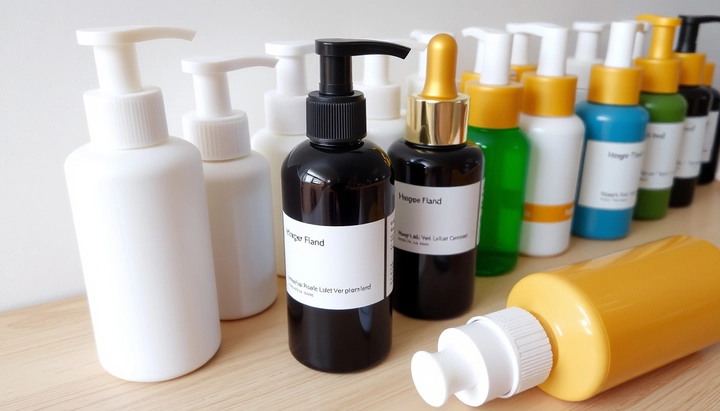
- Bottles with pumps: Often suitable for leave-in conditioners and other products that need convenient dispensing.
- Jars: Commonly used for hair masks and richer cream products.
- Tubes: Suitable for creams and gels where controlled dispensing is preferred.
- Custom packaging: Allows brands to create a more distinctive appearance through selected bottle styles, materials, and finishes.
Private label manufacturing can also support the branding and production requirements needed to create finished products, including:
- Stock or custom packaging selection
- Logo printing and label customization
- Filling and labeling
- Quality control and finished-product inspection
- Bulk production and preparation for shipment
Brands should confirm packaging specifications, label information, production requirements, and applicable documentation with the manufacturer before bulk production begins.
Also evaluate the formulation and packaging together. A product’s viscosity, dispensing method, packaging compatibility, and stability can all affect the final user experience.
Why Work with a Private Label Hair Care Manufacturer?
Working with a private label hair care manufacturer allows brands to use established formulation resources and manufacturing capabilities without investing in their own factory or building an in-house production team.
This can be particularly valuable when developing a curly hair product line because different products may require different formulation characteristics, textures, and packaging formats.
A suitable manufacturing partner can provide:
- Formulation resources: Access to existing formulations and product concepts that can serve as development starting points.
- Customization support: Formula adjustments or new formulation development based on product requirements.
- Product sampling: Opportunities to review and refine products before production approval.
- Packaging and branding services: Support with packaging selection, logo printing, and label customization.
- Manufacturing capabilities: Filling, labeling, quality control, and bulk production of finished products.
The brand remains responsible for defining its target market, product positioning, and desired consumer experience. The manufacturer contributes the formulation and production expertise needed to turn those requirements into a workable product.
This division of responsibilities allows brands to focus more resources on product strategy, marketing, distribution, and customer relationships while relying on an experienced manufacturing partner for product development and production.
Conclusion
Developing a successful curly hair product line starts with understanding the people it is designed for. Curl patterns, hair characteristics, and common care concerns all influence product requirements. Brands can use these insights to select a relevant hero product and gradually build a complementary range around it.
Working with an experienced manufacturer also makes it easier to turn product concepts into finished products through formulation selection, customization, packaging, and production support.
Ready to develop your own curly hair products? Mountain Sea supports brands with existing formulations, custom hair care formulations, packaging customization, and manufacturing services to help bring their product ideas to market.