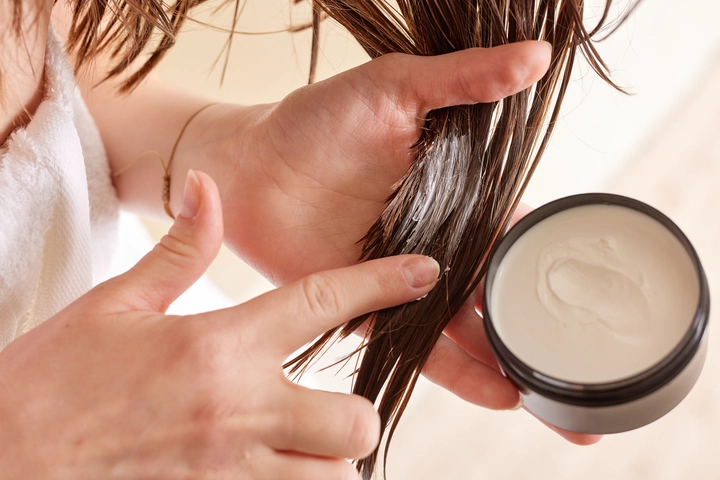
Common ingredients used in private label hair oil products include argan oil, rosemary oil, jojoba oil, coconut oil, botanical extracts, and functional ingredients such as vitamin E.
Brands select ingredients based on their product positioning, target customers, and desired benefits, such as repair, scalp care, hydration, or lightweight nourishment.
Choosing the right ingredient combination helps create effective hair oil formulas that meet market expectations and support brand differentiation.
Understanding Ingredients in Private Label Hair Oil Formulas
Private label hair oil products typically contain a combination of different ingredient categories. Each category serves a specific purpose, from providing nourishment and improving texture to supporting product differentiation.
Unlike simple single-oil products, commercial hair oil formulas are usually designed with a balance of ingredients to achieve the desired performance and consumer experience.
The main ingredient categories used in private label hair oil formulations include:
| Ingredient Category | Main Function | Common Product Positioning |
|---|---|---|
| Carrier Oils | Provide nourishment, conditioning, and softness | Repair, moisturizing, daily hair care |
| Botanical Oils & Extracts | Support targeted hair care benefits | Natural, scalp care, premium products |
| Essential Oils | Add fragrance and botanical appeal | Wellness and botanical hair care |
| Functional Ingredients | Improve formula performance and stability | Advanced treatment products |
When selecting ingredients, brands should consider several factors:
- Target customer needs
- Hair care trends in different markets
- Desired product claims
- Formula texture and application experience
- Product price positioning
For example, a lightweight daily hair oil requires different ingredient choices compared with an intensive repair oil designed for damaged hair.
Related Reading: How to Choose the Right Hair Oil Formula for Your Brand
Popular Carrier Oils Used in Private Label Hair Oil Products
Carrier oils are the foundation of many hair oil formulas. They determine the product’s texture, absorption, nourishment level, and overall user experience.
For private label haircare brands, choosing the right carrier oils is often the first step in creating a differentiated hair oil product.
Argan Oil: A Premium Ingredient for Repair Hair Oil Products
Argan oil is one of the most recognized ingredients in premium hair care products. It is widely used in private label hair oil formulas designed for dry, damaged, or chemically treated hair.
Many brands choose argan oil because it supports a premium product positioning while creating a nourishing yet lightweight feel. It is commonly associated with:
- Hair repair products
- Smooth and glossy hair treatments
- Premium botanical hair care
- Anti-frizz hair oils
From a product development perspective, argan oil works well in formulas that aim to deliver a luxurious consumer experience. Many brands combine argan oil with other botanical oils to create balanced formulas with improved texture and performance.
For brands entering the premium hair care market, argan oil remains one of the most popular ingredient choices for private label hair oil products.
Jojoba Oil: A Lightweight Ingredient for Daily Hair Oil Formulas
Jojoba oil is commonly used in hair oil products that focus on lightweight nourishment and everyday usability.
Compared with richer oils, jojoba oil is often selected for formulas that require:
- A smooth texture
- Easy application
- Less greasy after-feel
- Compatibility with different hair types
This makes jojoba oil suitable for:
- Daily hair oils
- Lightweight finishing oils
- Multi-purpose hair treatments
As consumers increasingly prefer convenient and non-heavy hair care products, lightweight oils like jojoba oil have become valuable ingredients for modern private label hair oil development.
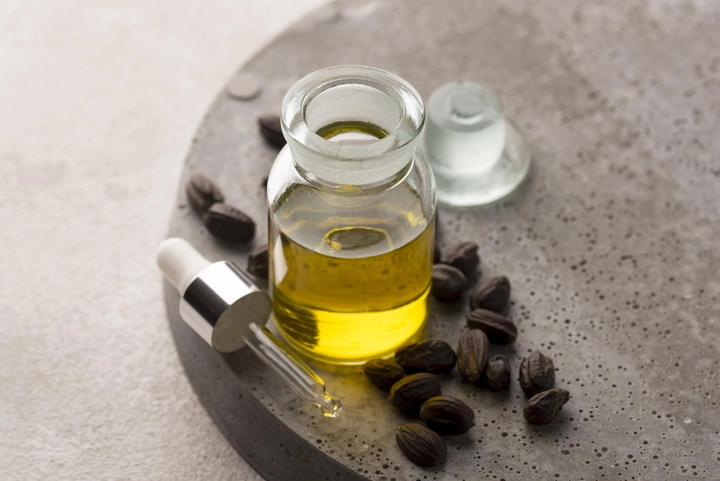
Coconut Oil: A Classic Moisturizing Ingredient
Coconut oil has long been used in hair care products because of its strong consumer recognition and moisturizing positioning.
It is commonly found in hair oils designed for:
- Dry hair care
- Moisture-focused products
- Nourishing treatments
- Natural hair care lines
For commercial hair oil formulas, coconut oil is often combined with lighter oils to improve the overall sensory experience. While coconut oil provides rich nourishment, balancing it with other ingredients helps create products that feel comfortable for everyday use.
Many successful private label hair oil products use coconut oil as part of a carefully designed blend rather than relying on a single oil.
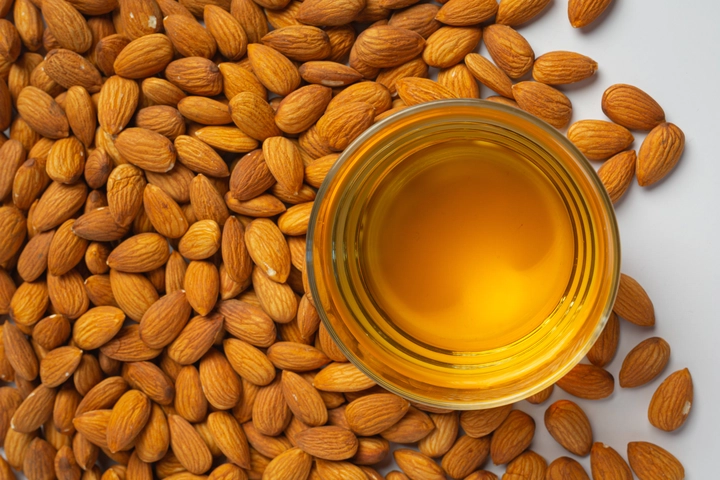
Sweet Almond Oil: A Versatile Botanical Oil
Sweet almond oil is another commonly used ingredient in hair care formulations. It is valued for its soft texture and versatility.
Brands may include sweet almond oil in formulas designed for:
- Moisturizing hair oils
- Natural beauty products
- Gentle daily treatments
Its broad appeal makes it suitable for brands targeting consumers who prefer familiar botanical ingredients.
Botanical Ingredients for Targeted Hair Oil Products
Beyond traditional carrier oils, botanical ingredients help brands create products with stronger positioning and clearer market differentiation.
These ingredients are especially popular in scalp care, hair growth-focused, and natural hair care products.
Rosemary Oil: A Trending Ingredient for Hair Growth Oil Formulas
Rosemary oil has become one of the most discussed botanical ingredients in the hair care industry, especially for scalp care and hair growth-focused products.
Many private label brands choose rosemary oil when developing:
- Hair growth oils
- Scalp treatment products
- Strengthening hair care formulas
The popularity of rosemary oil reflects a broader consumer interest in botanical-based hair care solutions.
However, creating a successful rosemary hair oil product requires more than simply adding a trending ingredient. Brands need to consider:
- Ingredient concentration
- Formula balance
- Sensory experience
- Supporting ingredients
A well-designed formula combines consumer interest with professional formulation principles.
Castor Oil: A Rich Ingredient for Strengthening Hair Care
Castor oil is widely recognized in hair care products, particularly those focused on nourishing and strengthening benefits.
Because of its thicker texture, castor oil is often used in combination with lighter oils to create a more balanced formula.
It is commonly used in:
- Scalp care oils
- Intensive treatment oils
- Strengthening hair products
For private label hair oil development, castor oil can help brands create products with a strong botanical story while maintaining a comfortable application experience.
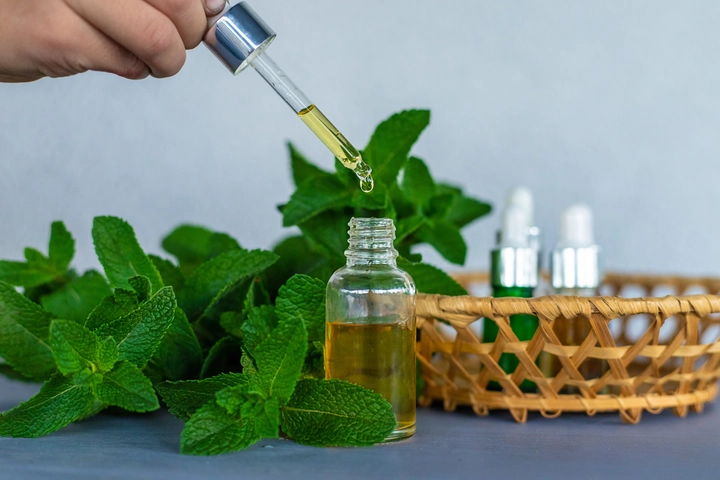
Peppermint Oil: A Refreshing Ingredient for Scalp Care Products
Peppermint oil is often used in scalp-focused hair oil formulas because of its refreshing sensory profile.
It is suitable for products positioned around:
- Scalp wellness
- Refreshing treatments
- Botanical hair care experiences
When using essential oils, professional formulation is important because fragrance intensity and skin compatibility need to be carefully considered.
Premium and Lightweight Ingredients for Modern Hair Oil Formulas
The hair care market continues to move toward products that deliver visible benefits while maintaining a lightweight and pleasant user experience.
Premium and lightweight ingredients allow brands to create differentiated products for modern consumers.
Squalane: A Premium Lightweight Ingredient
Squalane is increasingly used in premium beauty and hair care formulations due to its elegant texture and lightweight feel.
It is often selected for:
- Luxury hair oils
- Lightweight finishing products
- High-end treatment formulas
For brands targeting premium consumers, squalane can help create a sophisticated product experience without a heavy oil feeling.
Grapeseed Oil: A Lightweight Botanical Choice
Grapeseed oil is popular among brands developing lightweight hair oils for daily use.
It is often included in formulas designed for:
- Fine hair
- Non-greasy hair care
- Lightweight conditioning
Combining lightweight oils with richer ingredients allows brands to create formulas that balance nourishment and usability.
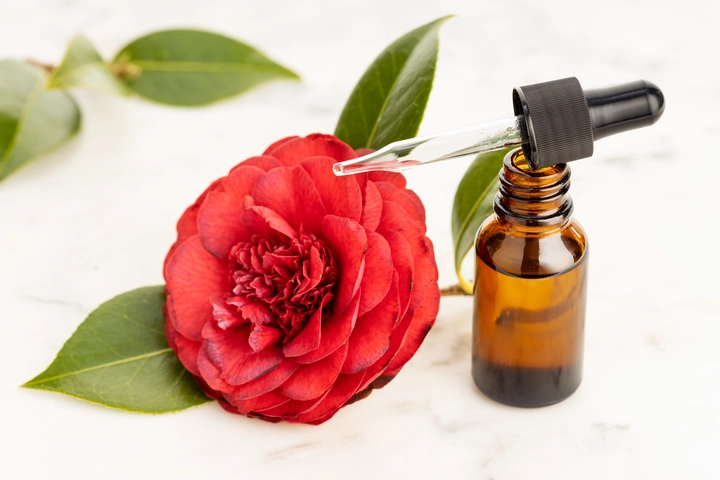
Camellia Oil: A Botanical Ingredient for Premium Positioning
Camellia oil is commonly associated with elegant and premium hair care products.
It is often used in formulas focused on:
- Smoothness
- Shine enhancement
- Luxury botanical positioning
For brands seeking a unique premium concept, camellia oil can help create product differentiation.
Functional Ingredients That Support Hair Oil Performance
In addition to oils, functional ingredients can improve formula quality and help brands create more advanced hair care products.
Vitamin E: Supporting Formula Stability
Vitamin E is commonly used in hair oil formulations because of its antioxidant properties.
It can support:
- Formula protection
- Product quality
- Ingredient stability
Many commercial hair oil formulas combine botanical oils with functional ingredients to improve overall performance and shelf stability.
Botanical Extracts: Creating Product Differentiation
Botanical extracts provide opportunities for brands to develop unique product concepts.
Common examples include:
- Aloe vera extract
- Green tea extract
- Herbal extracts
- Plant-based active ingredients
For private label hair oil products, botanical extracts can support positioning around:
- Natural hair care
- Scalp care
- Wellness-focused beauty
A successful formula usually does not rely on one “hero ingredient” alone. Instead, it combines multiple ingredients that support a clear product purpose.

How Brands Choose Ingredients for Different Hair Oil Products
The best ingredients for a private label hair oil product depend on the intended market position.
Different product concepts require different ingredient strategies.
| Product Positioning | Common Ingredients | Market Focus |
|---|---|---|
| Repair Hair Oil | Argan Oil, Coconut Oil, Jojoba Oil | Dry and damaged hair |
| Hair Growth Oil | Rosemary Oil, Castor Oil, Peppermint Oil | Scalp care and strengthening |
| Lightweight Hair Oil | Jojoba Oil, Squalane, Grapeseed Oil | Daily use and easy application |
| Natural Hair Oil | Botanical oils and plant extracts | Clean beauty positioning |
| Premium Hair Oil | Argan Oil, Camellia Oil, Squalane | Luxury hair care market |
Based on our experience working with hair care brands, ingredient selection should always start with the product goal.
A brand creating a premium repair oil may prioritize argan oil and luxury botanical ingredients, while a brand launching a scalp-focused product may focus more on rosemary oil and botanical extracts.
Related Reading: Private Label Hair Oil: A Complete Guide for HairCare Brands
Natural Hair Oil Ingredients and Market Trends
Natural and botanical ingredients continue to influence the development of private label hair oil products, especially in markets such as North America and Europe.
Consumers are increasingly interested in:
- Plant-based ingredients
- Ingredient transparency
- Botanical formulations
- Clean beauty concepts
However, successful natural hair oil development requires more than adding multiple plant ingredients.
Brands should also consider:
- Formula stability
- Product performance
- Texture
- Fragrance experience
- Target customer expectations
The strongest natural hair oil products combine ingredient appeal with reliable performance.

Common Mistakes When Selecting Hair Oil Ingredients
Choosing Ingredients Only Because They Are Trending
Popular ingredients can attract attention, but trends alone do not create successful products.
A strong formula requires balance between:
- Consumer interest
- Product performance
- Market positioning
Adding Too Many Ingredients Without a Clear Purpose
More ingredients do not always mean better results.
A focused formula with carefully selected ingredients often creates a stronger product identity than a formula containing too many unrelated components.
Ignoring Texture and User Experience
Hair oil products are highly influenced by sensory experience.
Consumers consider:
- Is it lightweight?
- Does it absorb quickly?
- Does it feel greasy?
- Does it smell pleasant?
Ingredient selection should always consider how the final product feels during daily use.
Why Work With a Private Label Hair Oil Manufacturer?
Developing a successful hair oil product requires more than selecting popular ingredients.
A professional manufacturer can help brands with:
- Ingredient selection
- Formula customization
- Texture optimization
- Stability testing
- Packaging compatibility
- Production and filling
- Quality control
For emerging brands, working with an experienced manufacturer can reduce development challenges and help bring products to market more efficiently.
Related Reading: Hair Oil Manufacturing Process: From Formula Selection to Finished Product

Conclusion
Choosing ingredients is one of the most important steps when developing a private label hair oil product. The right formula depends on your target customers, product positioning, market trends, and desired user experience.
Whether you are creating a repair hair oil with argan oil, a scalp care product with rosemary oil, or a premium botanical formula with luxury ingredients, a well-designed ingredient strategy can help your brand build a stronger product offering.
Working with an experienced private label hair oil manufacturer can help brands evaluate ingredients, optimize formulas, and develop products that match their market goals.
Ready to develop your own private label hair oil product?
Mountain Sea helps global hair care brands create customized hair oil solutions, from ingredient selection and formula development to filling, packaging, and finished product manufacturing.
Contact us today to discuss your hair oil project and request samples for your next private label product launch.