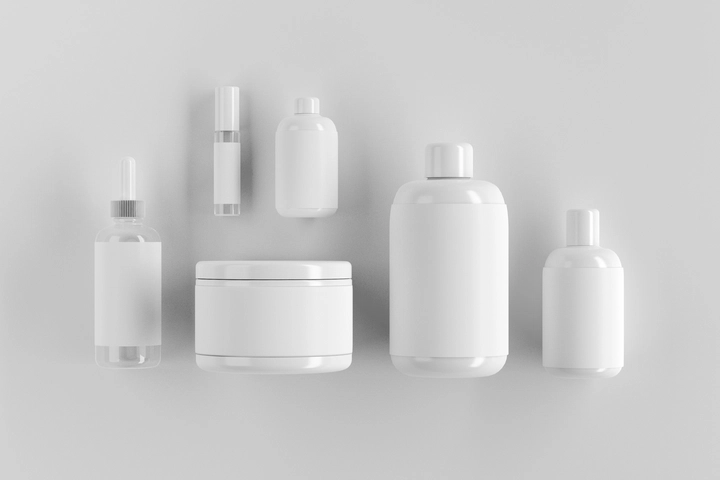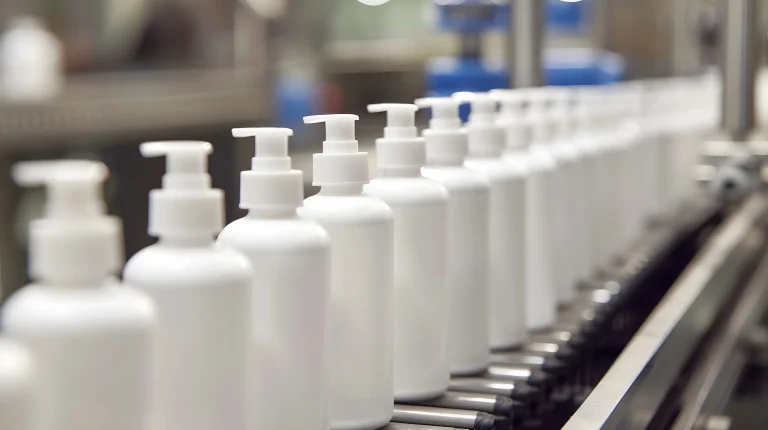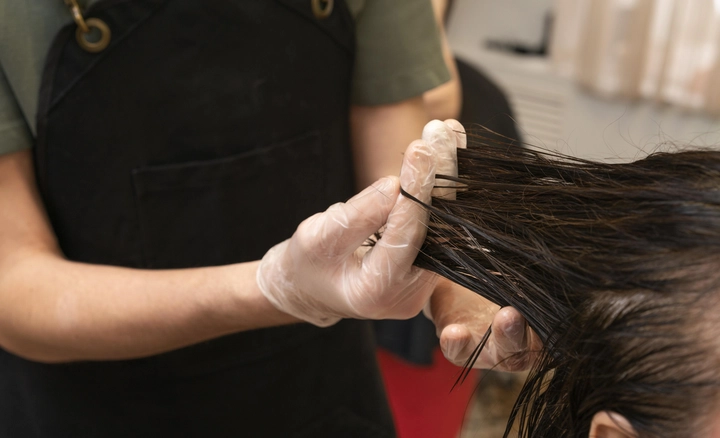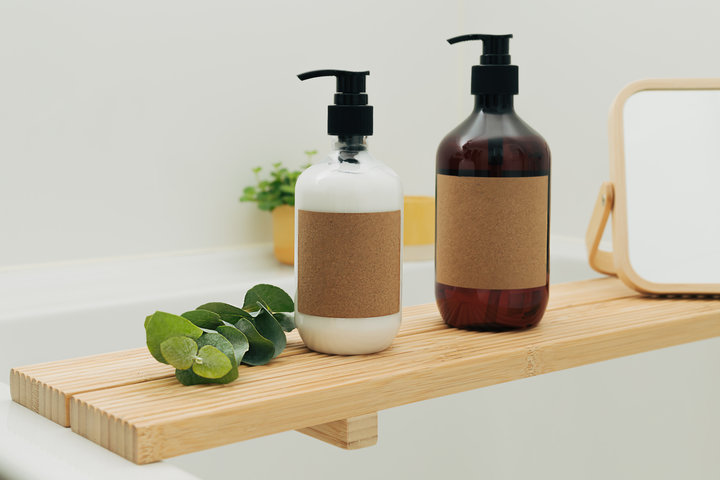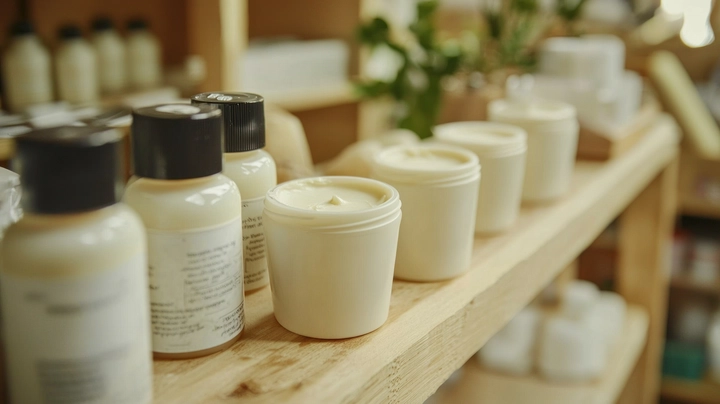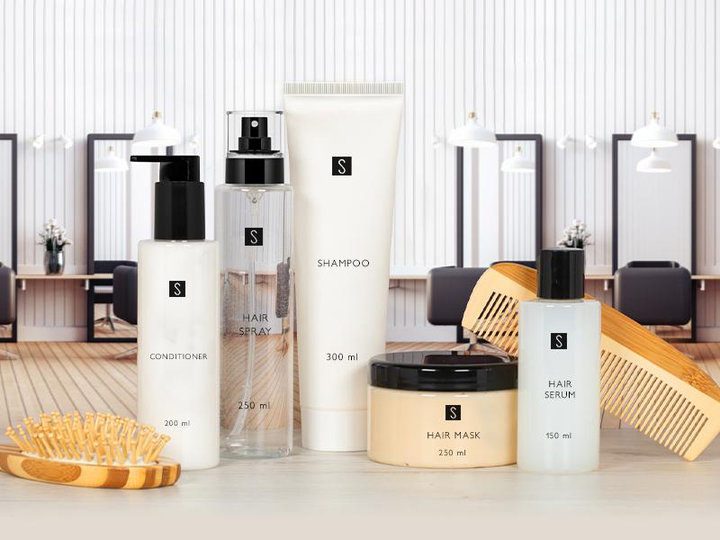
Private label hair oil is a ready-made or customizable hair oil product manufactured by a third-party supplier and sold under your own brand name. It allows hair care brands to launch professional products faster by choosing proven formulas, customizing product details, and avoiding the complexity of in-house formulation and production.
This complete guide explains how private label hair oil works, why brands choose this model, available product types, customization options, and key factors to consider when selecting a manufacturer.
What Is Private Label Hair Oil?
Private label hair oil refers to hair oil products manufactured by a third-party supplier and sold under a brand’s own name. Instead of developing formulas, purchasing raw materials, and managing production independently, brands can work with a manufacturer that already has product development and manufacturing capabilities.
With a private label model, the manufacturer typically handles product production, while the brand focuses on marketing, positioning, and customer relationships.
Unlike generic hair oils that are sold without brand differentiation, private label products allow businesses to create their own branded hair care line with customized product features.
Private Label Hair Oil vs Generic Hair Oil
The main difference between private label hair oil and generic hair oil is the level of customization and brand ownership.
Generic hair oils are usually ready-made products sold to multiple businesses with limited opportunities for differentiation. Private label hair oils, however, are created specifically for a brand’s market positioning.
Key differences include:
| Generic Hair Oil | Private Label Hair Oil |
|---|---|
| Same product sold to multiple sellers | Product sold under your own brand |
| Limited branding options | Custom branding and packaging |
| Less product differentiation | More control over market positioning |
| Lower brand recognition potential | Supports long-term brand building |
For new hair care brands, private label provides a practical way to launch professional products while avoiding the complexity of starting from zero.

Why Brands Choose Private Label Hair Oil
The hair care market is highly competitive, and consumers increasingly look for products that match specific needs, such as hydration, repair, natural ingredients, or lightweight daily care. Private label hair oil gives brands the flexibility to create products that fit their target customers.
Faster Product Launch
Developing a hair oil product independently requires significant time and resources, including formula development, testing, sourcing, and production management.
Private label manufacturing allows brands to start with existing formulas and move through the product launch process more efficiently. This makes it especially suitable for startups that want to introduce their first hair care products without investing heavily in their own production infrastructure.
Lower Development Risk
Creating a new product from scratch involves many uncertainties. Brands need to understand ingredients, formulation performance, production requirements, and quality standards.
Working with an experienced private label manufacturer reduces many of these challenges because brands can access established production systems and professional expertise.
This allows new companies to focus more on:
- Brand development
- Customer acquisition
- Marketing strategies
- Sales channels
rather than managing every technical aspect of manufacturing.
More Branding Flexibility
Private label hair oil is not limited to one product concept. Brands can develop products based on different market positions, such as:
- Premium nourishing hair oils
- Natural botanical hair oils
- Lightweight leave-in oils
- Repair-focused treatments
- Scalp care oils
Choosing the right product positioning is essential for creating a hair care line that stands out in the market.
Types of Private Label Hair Oil Products
Different customers have different hair concerns, so brands can choose from various private label hair oil product categories depending on their target audience.
Nourishing & Moisturizing Hair Oils
These products are designed for customers looking for softness, smoothness, and improved hair manageability.
They are often positioned for:
- Dry hair
- Rough hair texture
- Daily hair maintenance
- Frizz control
Nourishing hair oils are popular because they fit into everyday hair care routines and appeal to a broad consumer base.
Related Reading: Argan Oil for Hair: Benefits, Uses, and How to Build High-Performing Hair Care Products
Repair & Treatment Hair Oils
Repair-focused hair oils are designed for consumers dealing with damaged or stressed hair caused by heat styling, coloring, or chemical treatments.
These products are commonly positioned as intensive care solutions and are often marketed toward customers seeking healthier-looking and stronger hair.
Lightweight Hair Oils
Traditional hair oils can sometimes feel heavy, especially for consumers with fine or oily hair types.
Lightweight hair oils are designed to provide conditioning benefits while maintaining a non-greasy feel. They are often suitable for leave-in use and daily styling routines.
Natural & Botanical Hair Oils
Natural hair oils are popular among brands targeting consumers interested in plant-based beauty products.
These products often focus on botanical ingredients and clean beauty positioning, helping brands create a stronger connection with ingredient-conscious customers.
Customization Options for Private Label Hair Oil
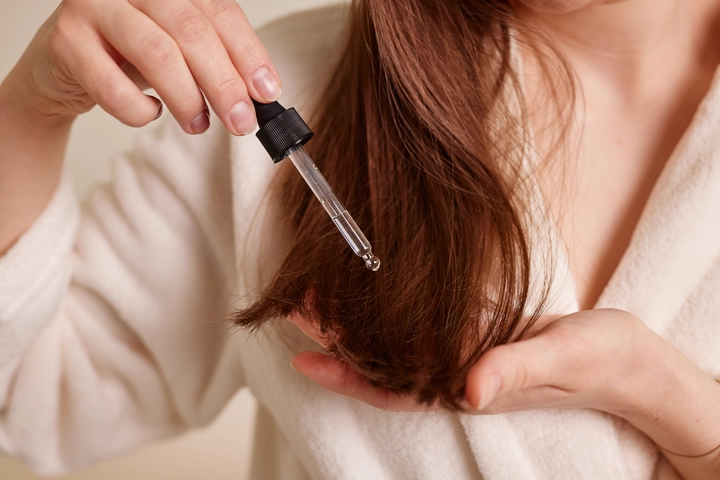
One of the biggest advantages of private label hair oil is the ability to customize products according to brand goals and customer expectations.
Formula Customization
Brands can choose from existing formulas or adjust product characteristics based on their positioning.
Customization may include:
- Product texture
- Performance focus
- Ingredient preferences
- Hair care benefits
For brands looking for deeper product differentiation, developing a customized formula can help create a unique market offering.
Fragrance Customization
Scent plays an important role in the consumer experience of hair care products.
Brands can customize fragrance options to match their brand identity, whether they want a fresh, natural, luxurious, or signature scent experience.
A well-designed fragrance can help customers remember the product and strengthen brand recognition.
Packaging & Branding Customization
Packaging is another important part of private label hair oil development.
Brands can customize elements such as:
- Bottle style
- Label design
- Product presentation
- Brand visual identity
The right packaging helps communicate product positioning and creates a stronger connection with target customers.
How to Choose the Right Private Label Hair Oil Manufacturer
Choosing the right private label manufacturer is one of the most important decisions for any brand launching private label hair oil products.
A reliable manufacturing partner should provide not only quality products but also consistent support throughout the development process.
Product Quality & Formula Capability
Brands should evaluate whether a manufacturer has experience producing different types of hair oils and whether they can provide stable, high-quality formulas.
Important factors include:
- Formula experience
- Ingredient sourcing standards
- Product consistency
- Quality control processes
A manufacturer with strong product development capabilities can help brands create products that meet market expectations.
Manufacturing Experience
Production experience is essential because hair care products require strict quality management and professional manufacturing processes.
Brands should consider:
- Manufacturing facilities
- Production capacity
- Quality management systems
- Industry experience
An experienced supplier can reduce potential risks during product development and production.
Customization Support
A good private label manufacturer should offer flexible customization options that match different brand needs.
This may include support with:
- Product selection
- Formula adjustments
- Packaging options
- Production planning
The right partner should make the process easier for brands entering the hair care market.
MOQ, Lead Time & Sample Process for Private Label Hair Oil
Before launching a private label hair oil product, brands should understand key production considerations such as minimum order quantities, samples, and timelines.
Minimum Order Quantity (MOQ)
MOQ refers to the minimum number of products a manufacturer requires for production.
The MOQ may vary depending on factors such as:
- Product formula
- Packaging type
- Customization requirements
- Production scale
New brands should discuss MOQ requirements early to choose a manufacturing solution that matches their business stage.
Sample Process
Samples allow brands to evaluate product quality before moving into full production.
A typical process includes:
- Selecting a suitable formula
- Reviewing product samples
- Providing feedback if adjustments are needed
- Confirming final product details
- Starting production
Testing samples helps ensure the final product meets brand expectations.
Production Timeline
The timeline for launching a private label hair oil product depends on multiple factors, including customization level and packaging preparation.
Brands should plan sufficient time for:
- Product confirmation
- Packaging preparation
- Manufacturing
- Quality inspection
Early communication with the manufacturer helps create a smoother launch process.
Conclusion
Private label hair oil provides an effective pathway for new hair care brands to launch professional products without managing every stage of product development themselves.
By choosing the right product type, customization options, and manufacturing partner, brands can create hair oil products that match their target customers and build long-term market value.
If you are looking for a reliable private label hair oil manufacturer, contact us today to discuss your product ideas and start developing your hair care line.