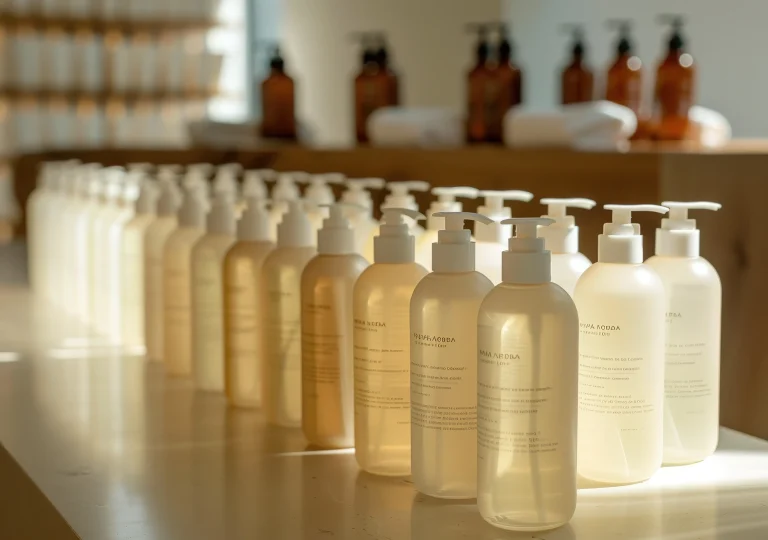
Starting a hair care brand requires more than creating a product and putting a logo on a bottle. First-time founders need to understand product positioning, formulation, manufacturing, packaging, and long-term brand planning before bringing their first product to market. A successful hair care brand is built by making the right decisions at every stage of development.
Understand the Hair Care Market
Many new founders begin with a product idea: “I want to create a shampoo” or “I want to launch a hair oil.” However, successful hair care brands usually start with a deeper understanding of consumer needs.
The hair care market is not simply divided by product categories. Consumers purchase products based on specific hair concerns, lifestyles, and desired results.
For example, a shampoo product can target very different audiences:
| Product Positioning | Target Consumer Need |
|---|---|
| Moisturizing Shampoo | Dry, dehydrated hair requiring improved softness and moisture balance |
| Repair Shampoo | Damaged hair caused by coloring, bleaching, or heat styling |
| Scalp Care Shampoo | Consumers focused on scalp health and oil control |
| Color Protection Shampoo | Customers looking to maintain salon-treated hair color |
| Volume Shampoo | Fine hair consumers seeking a fuller appearance |
Before developing a product, founders should clearly understand:
- Who is the target customer?
- What hair problem does the product solve?
- Why would customers choose this product over existing options?
- What makes the product different from competitors?
A strong hair care brand is not built around a product category alone. It is built around a clear customer need and a meaningful product solution.
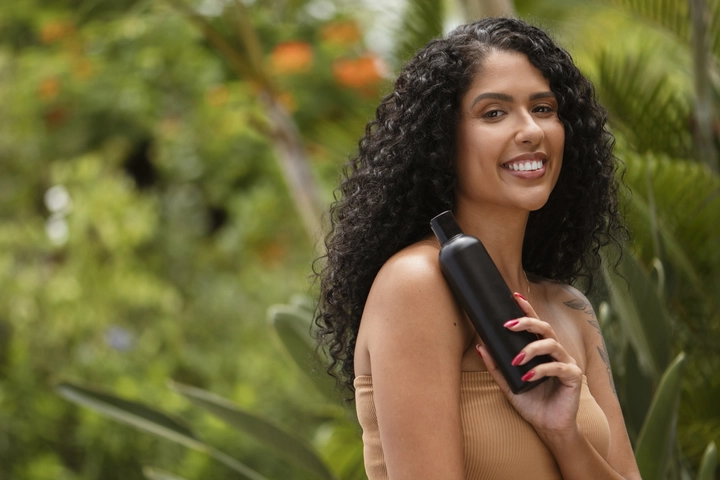
Define Your Brand Positioning
One of the most important things to know when first starting a hair care brand is that product development should follow brand positioning, not the other way around.
Many new founders focus on ingredients or packaging first, but the foundation of a successful brand is knowing what the brand represents.
Your positioning influences many future decisions, including:
- Product formulas
- Ingredient selection
- Packaging style
- Price range
- Marketing message
- Target customers
For example, a premium professional hair care brand may focus on:
- Advanced formulations
- High-performance ingredients
- Salon-inspired positioning
- Premium packaging
While a natural daily care brand may focus on:
- Plant-based ingredients
- Gentle formulas
- Simple product benefits
- Clean brand communication
A clear brand position helps every product decision become more focused.
Without a clear direction, brands often create products that look similar to competitors and struggle to build customer recognition.
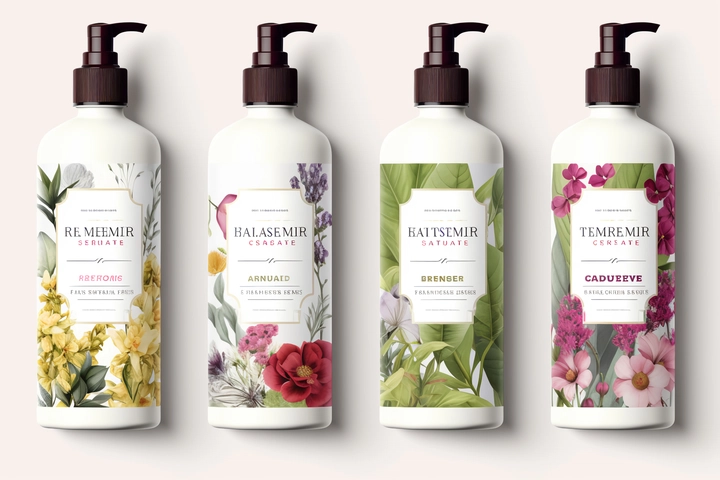
Choose the Right Product Category for Your First Launch
Choosing your first product is one of the most important decisions when starting a hair care brand. Your first product should not only meet customer needs but also represent your brand positioning and create opportunities for future expansion.
Many first-time founders want to launch a complete product range immediately, including shampoo, conditioner, hair mask, and styling products. However, starting with too many products can increase development complexity, investment, and inventory pressure.
A better approach is to begin with a focused hero product that solves a specific customer problem.
Common starting categories for new hair care brands include:
| Product Category | Common Positioning |
|---|---|
| Shampoo | Moisture, repair, scalp care, color protection, or volume |
| Hair Mask | Intensive repair, hydration, and damaged hair treatment |
| Hair Oil / Serum | Nourishment, shine, frizz control, and hair protection |
| Leave-in Treatment | Curl definition, heat protection, or daily hair care |
The right choice depends on your target customer and brand concept. For example, a repair-focused brand may start with a hair mask or treatment product, while a daily care brand may choose shampoo as its first product.
When selecting your first product, consider:
- Customer needs: Does the product solve a clear hair concern?
- Differentiation: Can your product offer a unique value compared with existing brands?
- Repeat purchase potential: Will customers continue using and repurchasing the product?
- Future expansion: Can this product become the foundation of a broader product line?
A successful first product is not necessarily the most popular category. It is the product that best connects your brand positioning with customer expectations. A product category. It is the product that best connects your brand positioning with customer needs.
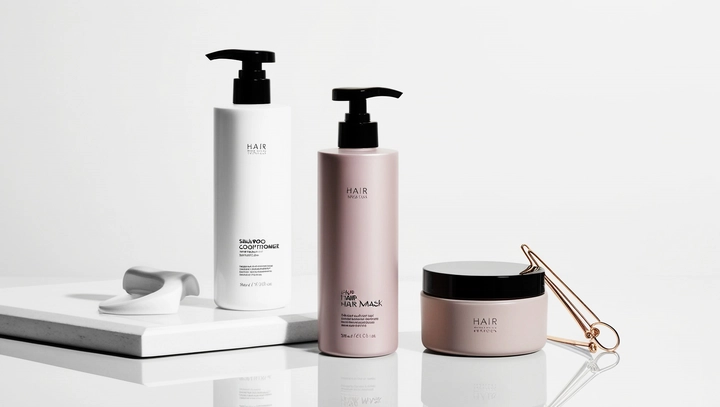
Understand How Hair Care Products Are Developed
Many first-time founders underestimate the complexity behind hair care product development.
A product idea is only the beginning. Turning an idea into a market-ready product requires a combination of consumer research, formulation expertise, testing, and manufacturing knowledge.
The typical development process includes:
- Product concept development: Define the product purpose, target customer, positioning, and expected benefits.
- Formula development: Develop a formula that delivers the desired performance, texture, fragrance, and user experience.
- Testing and adjustment: Evaluate product stability, sensory experience, and performance before production.
- Packaging selection: Ensure the packaging matches the formula, brand positioning, and market expectations.
- Manufacturing and quality control: Produce the product consistently according to quality standards.
A common misunderstanding among new founders is that a good formula is simply a combination of popular ingredients.
In reality, effective hair care formulation requires balancing:
- Ingredient performance
- Formula stability
- Texture and application experience
- Product claims
- Consumer expectations
- Manufacturing feasibility
For example, adding a trending ingredient does not automatically create a successful product. The ingredient needs to work within the complete formula system.

Know the Difference Between Private Label, OEM, and ODM Manufacturing
When starting a hair care brand, founders need to understand different manufacturing models and choose the approach that fits their goals.
| Manufacturing Model | Suitable For | Development Support |
|---|---|---|
| Private Label Hair Care | Brands looking for faster product launch | Existing formulas with customization options |
| OEM Hair Care Manufacturing | Brands with specific product requirements | Manufacturing based on brand specifications |
| ODM Hair Care Manufacturing | Brands needing more development support | Formula development and product solutions |
Private Label Hair Care
Private label is often a practical option for new founders who want to enter the market with proven product concepts while customizing key elements such as:
- Formula options
- Fragrance
- Packaging
- Labels
- Brand identity
OEM and ODM Development
For brands looking for more customized products, OEM and ODM partnerships provide more flexibility.
An experienced hair care manufacturer can help brands evaluate:
- Product feasibility
- Formula requirements
- Production considerations
- Packaging compatibility
- Market positioning
Choosing a manufacturing partner is not only about finding someone who can produce products. It is about finding a partner who understands how to turn a brand idea into a reliable product.

Consider Packaging and Product Presentation Early
Packaging is often treated as the final step, but it plays an important role in hair care brand development.
For many consumers, packaging creates the first impression before they experience the product itself.
Founders should consider:
- Bottle shape and material
- Product size options
- Label design
- Brand consistency
- Shelf appearance
- User experience
Packaging decisions should match the overall brand positioning.
For example:
A luxury hair care brand may require premium-looking packaging and sophisticated design elements, while a professional salon-focused brand may prioritize functionality and product clarity.
Packaging also needs to work from a manufacturing perspective. The right packaging should not only look attractive but also be compatible with the formula, production process, and target market requirements.
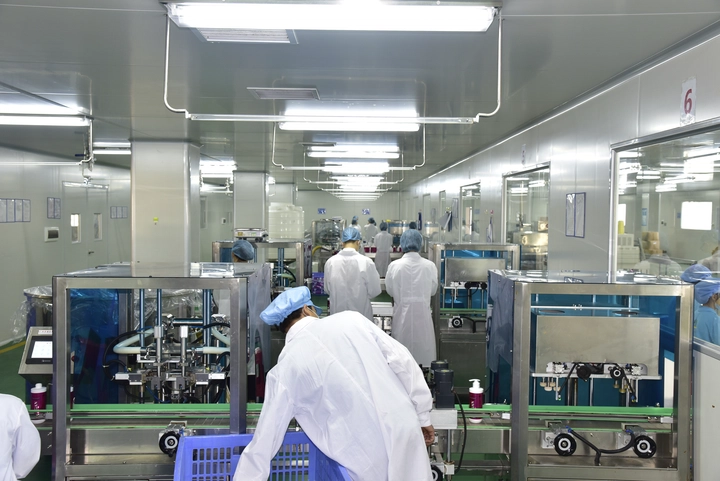
Understand Costs, MOQ, and Production Planning
Starting a hair care brand requires more than calculating the cost of ingredients and bottles.
New founders should understand the different factors that influence product investment:
- Formula development
- Packaging components
- Minimum order quantity (MOQ)
- Testing requirements
- Production costs
- Logistics
- Marketing expenses
MOQ is another important consideration.
A lower MOQ can reduce initial inventory pressure, while larger production volumes may provide better cost efficiency. The right production plan depends on your business stage, budget, and market strategy.
Experienced founders usually consider both short-term launch needs and long-term growth plans when discussing manufacturing options.
A good hair care manufacturer should help brands understand realistic production expectations instead of focusing only on the lowest possible price.
Build a Product Roadmap Beyond Your First Product
A successful hair care brand is rarely built around one product forever.
Even when launching with a single hero product, founders should think about future product development.
For example:
A repair-focused hair care brand may later expand into:
- Repair shampoo
- Repair conditioner
- Hair mask treatment
- Leave-in treatment
- Hair oil or serum
A curl care brand may expand into:
- Curl shampoo
- Conditioner
- Curl cream
- Styling products
Thinking about future expansion helps founders make better decisions during the first product development stage.
The first product should not only solve an immediate market need. It should also create a foundation for a complete hair care product line.
Work With an Experienced Hair Care Manufacturing Partner
For first-time founders, choosing the right manufacturing partner can significantly influence the success of the brand.
A reliable hair care manufacturer should provide more than production capacity. The right partner should have experience in:
- Product development
- Custom formulation
- Quality control
- Packaging solutions
- Manufacturing processes
- Industry requirements
Manufacturing experience allows brands to make better decisions before investing in production.
For example, an experienced partner can help evaluate whether a product concept is technically achievable, whether a formula matches the target market, and whether packaging choices are practical for production.
At Mountain Sea, we work with hair care brands to develop customized products through private label, OEM, and ODM solutions. With experience in formulation development, packaging customization, and manufacturing support, we help founders transform product ideas into market-ready hair care products.

Conclusion
Starting a hair care brand is an exciting opportunity, but building a successful brand requires more than creating a product and launching it online. First-time founders need to understand customer needs, define clear positioning, choose the right products, develop effective formulas, and work with experienced manufacturing partners.
The strongest hair care brands are built through thoughtful decisions at every stage, from the initial product concept to long-term product expansion.
If you are planning to start your first hair care brand and need support with product development, custom formulation, packaging solutions, or manufacturing, please contact Mountain Sea to discuss your project with our experienced hair care team. We can help you turn your ideas into professional hair care products ready for the market.