OEM hair products are hair care products manufactured by a third-party manufacturer according to a brand’s product requirements, specifications, and branding needs. For established hair care brands, distributors, and personal care businesses, OEM manufacturing provides access to formulation expertise, production facilities, packaging services, and quality management without operating an in-house manufacturing facility. Understanding how OEM projects are developed, what can be customized, and how to evaluate a manufacturing partner helps businesses make better sourcing and product development decisions.
1. What Are OEM Hair Products and How Does OEM Manufacturing Work?
OEM hair products are manufactured by a specialized manufacturer based on the product requirements of another business. The brand or buyer defines the product concept and commercial requirements, while the manufacturer provides the technical resources, production capabilities, and operational support needed to bring the product to market.
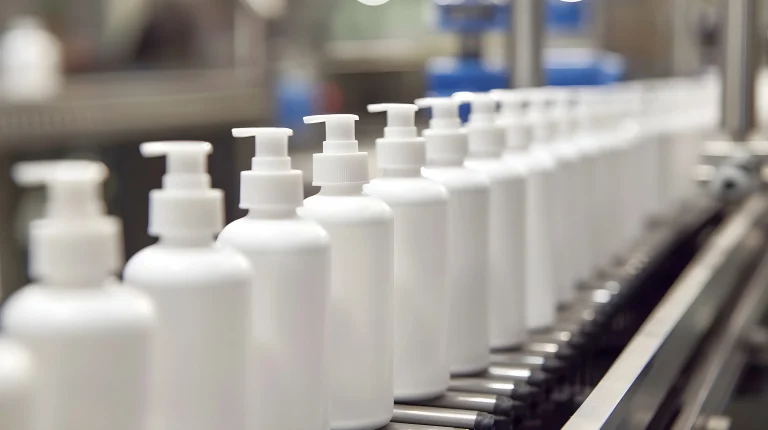
In the hair care industry, OEM manufacturing typically involves more than filling products into bottles. Depending on the agreement, the manufacturer may support formula selection or development, sample preparation, packaging coordination, bulk production, filling, labeling, quality inspection, and shipment.
Roles of the Brand and OEM Manufacturer
The responsibilities of each party depend on the project scope, but a typical arrangement looks like this:
| Brand or Buyer | OEM Manufacturer |
|---|---|
| Defines product positioning and target market | Evaluates technical feasibility |
| Provides product specifications and performance requirements | Selects or develops suitable formulations |
| Reviews and approves samples | Prepares samples and makes agreed adjustments |
| Confirms packaging and branding requirements | Coordinates packaging and production preparation |
| Approves final product specifications | Manufactures, fills, labels, and inspects products |
| Manages sales and distribution | Prepares agreed production and shipping documentation |
This division allows businesses to focus on brand management, marketing, sales, and distribution while relying on manufacturing specialists for product execution.
What Services Are Included in OEM Manufacturing?
OEM services vary by manufacturer. A full-service hair care OEM partner may provide:
- Formula selection and development: Access to existing formulations or development of customized products.
- Sample preparation: Product samples for evaluating fragrance, texture, appearance, and performance.
- Formula adjustment: Modification of existing formulas based on agreed product requirements.
- Packaging and branding: Bottle selection, packaging coordination, label printing, and logo application.
- Bulk manufacturing: Large-scale formula preparation, filling, and labeling.
- Quality management: Raw material checks, production monitoring, and finished-product inspection.
- Export support: Product documentation, shipping coordination, and other agreed export services.
The actual scope should be confirmed before cooperation begins. Some suppliers specialize in bulk manufacturing or filling, while others provide broader formulation and packaging support.
OEM manufacturing also differs from purchasing finished products for resale. With ordinary wholesale purchasing, the buyer generally selects from products already available in the supplier’s catalog. OEM projects involve a defined set of product specifications and manufacturing requirements, with the degree of customization determined by the agreement.
2. What Types of Products Can OEM Hair Care Manufacturers Produce?
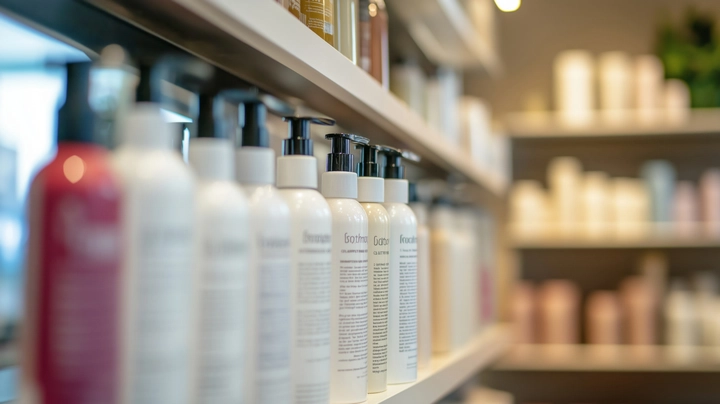
OEM hair care manufacturers can produce a wide range of hair care products, including cleansing, conditioning, treatment, styling, and scalp care products. The available categories depend on the manufacturer’s formulation experience, production equipment, and technical capabilities.
For businesses expanding an existing product portfolio, choosing a manufacturer with experience across several categories can simplify product sourcing and coordination.
| Product Category | Common Products | Key Product Considerations |
|---|---|---|
| Hair Cleansing | Shampoo, Clarifying Shampoo, Dry Shampoo | Cleansing performance, foam characteristics, scalp compatibility, and formula stability |
| Hair Conditioning | Conditioner, Hair Mask, Leave-in Conditioner | Conditioning performance, viscosity, spreadability, and rinse-off or leave-in requirements |
| Hair Treatment | Hair Oil, Hair Serum, Repair Treatment | Ingredient compatibility, texture, absorption, application method, and packaging suitability |
| Hair Styling | Hair Spray, Hair Mousse, Styling Cream | Hold level, finish, application format, and dispensing requirements |
| Scalp Care | Scalp Shampoo, Scalp Treatment, Scalp Serum | Intended scalp function, formula characteristics, and application experience |
Differences Between Product Categories
Different hair care categories require different formulation and manufacturing considerations.
Cleansing products are generally developed around surfactant systems. Shampoo and clarifying shampoo may share a cleansing function, but their intended cleansing strength, conditioning properties, and overall product experience can differ.
Conditioning products require attention to conditioning agents, emulsification systems, viscosity, and distribution through the hair. A rinse-off conditioner and a leave-in conditioner have different application requirements, even when both target softness and manageability.
Hair oils and serums may use different oil bases, silicone systems, or other conditioning ingredients depending on the intended finish. Texture, spreadability, residue, and packaging compatibility are important considerations.
Styling products are especially dependent on their intended function. Hair sprays, mousses, and styling creams use different product structures and dispensing formats to achieve their respective hold, volume, or finishing effects.
Scalp care products require formulation choices that reflect their intended use on the scalp. The product format, ingredient selection, and compatibility with the target market’s requirements all need consideration.
Why Product Category Experience Matters
A manufacturer that produces shampoo may not automatically have the same level of experience with styling sprays, hair oils, or specialized scalp treatments. Different product formats can require different equipment, formulation knowledge, and filling processes.
When planning a multi-category product portfolio, businesses should evaluate whether the manufacturer has relevant experience with each intended product type rather than relying solely on its overall product count.
3. How Does the OEM Hair Product Development and Manufacturing Process Work?
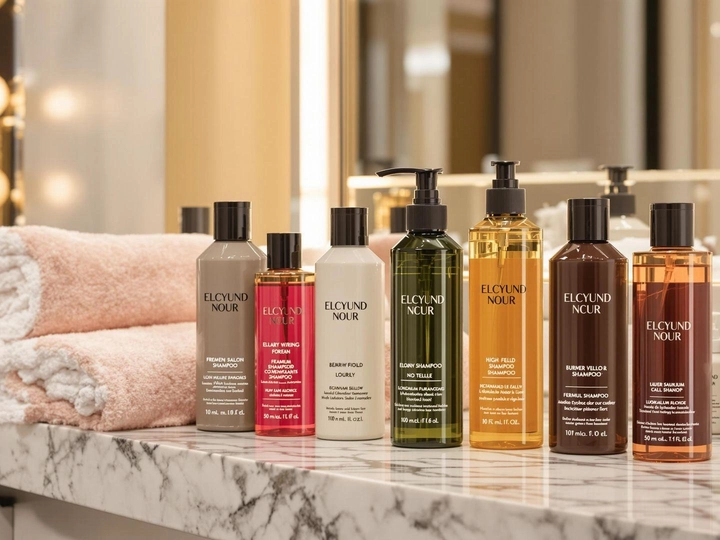
An OEM hair product project generally follows seven stages, beginning with requirement assessment and ending with finished-product inspection and shipment. Establishing clear approval points at each stage helps reduce formulation changes, packaging delays, and production misunderstandings.
- Project Requirements: Define the product category, intended market, target specifications, order quantity, packaging preferences, and expected product positioning. These details provide the basis for evaluating technical feasibility and project scope.
- Formula Selection or Development: Select a suitable existing formula or begin developing a customized formulation. The choice depends on the desired product characteristics, available formulations, and the level of differentiation required.
- Sample Development and Evaluation: Prepare samples for review. Evaluation may cover fragrance, texture, appearance, application experience, and the product characteristics relevant to the intended use. Adjustments can be made when necessary.
- Packaging Confirmation: Confirm bottle or container type, capacity, closure, label design, logo printing, and other packaging details. Packaging selection should account for both product compatibility and production requirements.
- Final Approval and Production Preparation: Confirm the approved formula, sample, packaging specifications, artwork, order quantity, and production requirements before bulk manufacturing begins.
- Bulk Production and Filling: Manufacture the approved formula, followed by filling, labeling, and packaging according to the confirmed specifications.
- Final Inspection and Shipment: Complete the agreed finished-product checks, prepare the required documentation, and coordinate shipment.
Why Approval Points Matter
The most important project control is ensuring that the approved sample and packaging specifications are clearly documented before production.
For example, a fragrance adjustment after sample approval may require another evaluation round. A change in bottle dimensions or pump specifications may affect packaging procurement and filling arrangements. If these changes occur after production preparation, they can disrupt the original schedule.
A practical project plan should therefore identify:
- Which specifications require written approval.
- Who is responsible for sample and artwork confirmation.
- When packaging procurement can begin.
- What changes are permitted after final approval.
- When bulk production is scheduled to start.
A clear approval process is particularly important for businesses managing multiple products or coordinating launches across different markets.
4. What Can Be Customized in OEM Hair Care Products?
OEM hair care products can be customized across four main areas: formulation and ingredients, product characteristics, product specifications, and packaging and branding. The available options depend on the product category, technical feasibility, target market, and project requirements.
Not every project requires a completely new formula. In many cases, adjusting an established formulation is a more practical way to achieve the required product characteristics while keeping development work manageable.
Formula and Ingredient Customization
Formula customization may involve:
- Selecting an existing formulation as the starting point.
- Adjusting ingredient combinations or concentrations where technically appropriate.
- Incorporating selected functional ingredients.
- Modifying the conditioning, cleansing, or styling system.
- Developing a new formulation to meet more specific requirements.
The choice between formula adjustment and new development depends on how different the requested product needs to be from the manufacturer’s existing options.
An established formula may be suitable when the desired changes are relatively limited. More substantial changes to the product’s function, texture, ingredient profile, or performance requirements may require additional formulation work and evaluation.
Ingredient selection also needs to consider compatibility. Adding a particular ingredient does not automatically improve a formula; its concentration, interaction with other ingredients, and effect on the finished product all matter.
Product Characteristics
The finished product can also be adjusted to achieve a particular user experience.
| Customization Area | Examples |
|---|---|
| Fragrance | Fragrance selection, fragrance intensity, or a specific scent direction |
| Color | Product color and visual appearance |
| Texture | Creamy, lightweight, rich, smooth, or gel-like textures |
| Viscosity | Thicker or thinner consistency, depending on the product |
| Performance | Cleansing, conditioning, smoothing, repair-oriented, or styling characteristics |
These characteristics are interconnected. For example, changing the conditioning system may affect both the texture and rinse-off experience of a conditioner. Adjustments should therefore be evaluated as part of the finished formulation rather than treated as completely independent options.
Product Specifications
OEM projects can also define product specifications such as:
- Net content and container capacity.
- Product form, such as liquid, cream, gel, or spray.
- Intended application method.
- Product usage instructions.
- Performance and appearance requirements.
Specifications should be established early, especially when a product needs to match an existing portfolio or meet the requirements of a particular retail channel.
Packaging and Branding
Packaging customization helps align the product with the brand’s market positioning and sales channel.
Common options include:
- Stock bottles and containers.
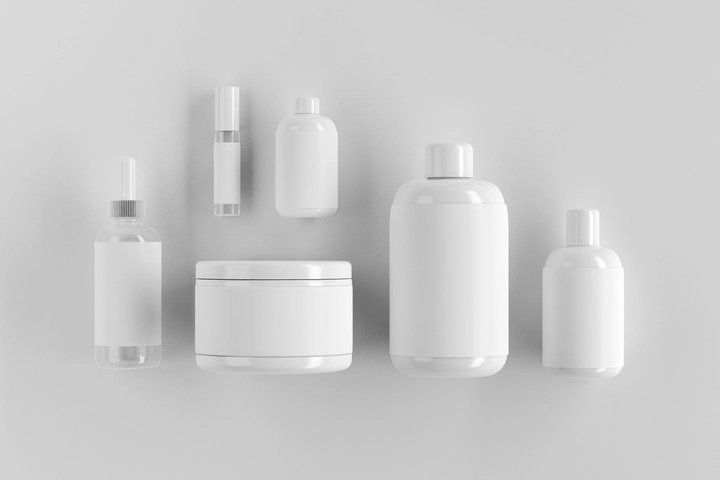
- Different bottle materials, shapes, and capacities.
- Pumps, flip-top caps, spray pumps, and other closures.
- Custom labels and logo printing.
- Printed bottles or other customized packaging.
- Outer packaging and product presentation materials.
Stock packaging can simplify sourcing and shorten preparation time. Custom packaging may offer more distinctive brand presentation, but it can involve additional tooling, printing requirements, supplier coordination, or higher purchasing quantities.
The packaging should also be compatible with the product itself. For example, a hair oil, a thick hair mask, and a spray product may require different dispensing systems. Selecting packaging based only on appearance can lead to usability or filling problems later.
5. What Should Businesses Know About OEM Hair Product MOQ and Production Time?
OEM hair product MOQ and production time depend on the formulation, packaging, order quantity, customization requirements, and production schedule. There is no single MOQ or delivery timeline that applies to every OEM project.
Understanding these factors before requesting a quotation helps businesses assess whether a proposed manufacturing arrangement fits their purchasing and launch plans.
What Determines OEM Hair Product MOQ?
MOQ is influenced by both the product itself and the materials required to manufacture and package it.
| Factor | How It Affects MOQ |
|---|---|
| Existing or Custom Formula | Established formulations may be easier to arrange in standard production quantities, while custom development may involve additional project requirements. |
| Stock or Custom Packaging | Stock bottles and containers may be available in more flexible quantities. Custom packaging can require larger purchasing commitments. |
| Packaging Materials | Special bottles, pumps, labels, and printed components may have their own supplier minimums. |
| Product Category | Different product types may involve different equipment, production arrangements, and material requirements. |
| Order Specifications | Special ingredient, packaging, or production requirements can affect the practical order quantity. |
For example, using a manufacturer’s existing bottle may allow a project to proceed without purchasing a large quantity of custom packaging. However, a brand requesting a specially designed bottle may need to meet the packaging supplier’s minimum order requirement, even if the formula itself can be produced in a smaller quantity.
This is why MOQ should be evaluated at both the finished-product level and the individual packaging-component level.
How Long Does OEM Hair Product Production Take?
Production time should be distinguished from the complete OEM project timeline.
For Mountain Sea, bulk production generally takes around 30 days after the formula and packaging have been confirmed. This refers to the bulk manufacturing stage, not the entire period from initial inquiry to shipment.
The overall project may take longer because of:
- New formula development and sample revisions.
- Additional sample evaluation or approval rounds.
- Custom packaging procurement and production.
- Label and artwork approval.
- Order quantity and production scheduling.
- Additional product or market-specific requirements.
A project using an established formula and available stock packaging may move through preparation more quickly than one requiring extensive formulation development and custom packaging.
Why a Clear Production Schedule Matters
A reliable project schedule should distinguish between the main stages rather than provide only one estimated delivery date.
A practical timeline can identify:
- Formula and sample development.
- Sample review and approval.
- Packaging sourcing and confirmation.
- Final specification approval.
- Bulk production and filling.
- Finished-product inspection and shipment.
For businesses coordinating product launches, this level of detail helps purchasing and marketing teams plan inventory, packaging materials, and distribution activities more accurately.
6. How Do OEM Hair Care Manufacturers Ensure Product Quality?
OEM hair care product quality depends on a controlled process that covers raw materials, formulation, production, finished products, and batch consistency. Quality cannot be established through a single final inspection; it needs to be considered throughout manufacturing.
The exact inspection procedures vary by product type and manufacturing system, but several areas are particularly important.
Raw Material Inspection
Raw material quality affects the finished product’s stability, performance, and consistency.
Depending on the material and supplier requirements, incoming checks may include:
- Material identity and specifications.
- Supplier documentation and batch information.
- Appearance, odor, or other relevant characteristics.
- Required quality or safety documentation.
- Storage and handling conditions.
Ingredient specifications and supplier records are important because variations in raw materials can affect the finished formula, even when the production process remains unchanged.
Formula and Sample Evaluation
Before bulk manufacturing, the formula should be evaluated against its intended specifications.
Relevant checks may include appearance, fragrance, texture, viscosity, pH, and other product-specific parameters. Depending on the formulation, packaging, and intended market, stability evaluation and compatibility assessment may also be required.
A sample that looks and feels acceptable is not automatically proof of long-term stability or packaging compatibility. These aspects need to be considered separately according to the product’s requirements.
In-Process Quality Control
Quality checks during production help identify deviations before they affect an entire batch.
Depending on the product and process, monitoring may cover:
- Weighing and ingredient handling.
- Mixing procedures and processing conditions.
- Batch appearance and consistency.
- Relevant physical or chemical parameters.
- Filling quantity and packaging operations.
Defined production procedures and records help maintain consistency between batches and make deviations easier to investigate.
Finished Product Inspection
Finished-product checks help confirm whether the manufactured goods meet the agreed specifications.
Typical inspection areas may include:
| Inspection Area | What Is Checked |
|---|---|
| Appearance | Color, texture, and visible abnormalities |
| Product Specifications | Relevant parameters such as pH or viscosity |
| Filling | Net content and filling consistency |
| Packaging | Bottle condition, closure, label placement, and printing |
| Finished Product | Compliance with agreed product requirements |
The exact inspection items depend on the product category and project specifications. Not every test is relevant to every hair care product.
Batch Consistency and Quality Documentation
For businesses purchasing repeatedly, consistency between production batches is especially important. A shampoo or conditioner that changes noticeably in fragrance, viscosity, appearance, or performance can create problems for brand reputation and customer satisfaction.
Manufacturers should maintain appropriate production and inspection records to support traceability and help investigate quality issues.
Mountain Sea’s quality management approach is supported by ISO 22716 and GMPC-related procedures. These provide a framework for manufacturing practices and quality management, while individual product testing and inspection requirements still need to be defined according to the product and target market.
7. How to Choose a Reliable OEM Hair Products Manufacturer?
A reliable OEM hair products manufacturer should have the technical expertise, manufacturing facilities, quality management, customization capabilities, project coordination, and export support needed for the intended product range.
A large product catalog or an attractive quotation alone is not enough to establish whether a supplier is suitable. Businesses should evaluate the manufacturer’s actual capabilities against their project requirements.
1. R&D Capabilities
Evaluate whether the manufacturer has experience with the relevant product categories and can support the required level of formulation work.
Useful questions include:
- Does the manufacturer have established formulations for the intended products?
- Can existing formulas be adjusted?
- Is custom formulation development available?
- Can the technical team explain ingredient selection and formulation limitations?
- Can the manufacturer support sample evaluation and revisions?
A large formula library can provide a useful starting point, but the number of formulas alone does not demonstrate that a manufacturer can develop every type of product.
2. Manufacturing Facilities
Production facilities should match the product categories and order requirements.
Consider:
- Available manufacturing and filling equipment.
- Production-line suitability for the intended products.
- Filling and packaging capabilities.
- Production capacity and scheduling.
- Facility management and operational procedures.
For example, a manufacturer producing standard shampoos and conditioners may have different equipment requirements from one handling aerosol products or specialized styling formats.
Businesses planning to expand their product range should assess whether the manufacturer’s facilities can support future categories as well as the initial order.
3. Quality Management
Review how quality is managed throughout the manufacturing process rather than relying only on a certificate or general quality claim.
Ask about:
- Raw material inspection.
- Formula and sample evaluation.
- In-process quality checks.
- Finished-product inspection.
- Batch records and traceability.
- Relevant quality certifications and manufacturing procedures.
It is also important to understand what a certification actually covers. A quality management framework does not automatically mean every product has completed every possible stability, safety, or market-specific test.
4. Customization Capabilities
The manufacturer’s customization capabilities should correspond to the level of product differentiation required.
A supplier may offer stock formulas and packaging but have limited capacity for more complex formulation development or custom packaging projects.
Before selecting a partner, confirm:
- Whether the required formula can be selected or developed.
- Which product characteristics can be adjusted.
- Whether stock and custom packaging are available.
- Whether labels and logos can be printed or applied.
- How customization affects MOQ, cost, and project timing.
The key is to match the supplier’s actual technical capabilities with the product specifications rather than assume that every advertised customization option is available for every product.
5. Project Management
OEM projects involve several approval and coordination stages. Effective project management helps prevent delays caused by unclear specifications or slow communication.
Assess whether the manufacturer can provide:
- Clear project requirements and quotations.
- Sample development and revision coordination.
- Packaging and artwork confirmation.
- A defined production schedule.
- Timely updates when requirements or schedules change.
A manufacturer that communicates clearly about technical limitations and potential delays can be more valuable than one that promises an unrealistic timeline.
6. Export Support
For international buyers, export support is another important consideration.
The manufacturer should be able to clarify which documents and services are available for the intended destination market. Depending on the product and agreement, this may include product specifications, SDS, relevant test reports, ingredient information, and shipping documentation.
Regulatory responsibilities should also be clearly defined. For example, selling cosmetic products in the EU involves requirements that may include an EU Responsible Person, product safety assessment, and notification obligations. These responsibilities should not be assumed to be automatically covered by an OEM manufacturing agreement.
A supplier with experience supporting international shipments can help coordinate the required documentation, but the buyer should confirm the exact scope of support and any responsibilities retained by the brand or importer.
What Should Be Compared Before Making a Decision?
When evaluating several manufacturers, use the same product specifications and project requirements for each quotation.
| Evaluation Area | What to Compare |
|---|---|
| Formulation | Existing formula options, development capabilities, and sample support |
| Production | Relevant equipment, capacity, and product-category experience |
| Quality | Quality procedures, inspection scope, and documentation |
| Customization | Formula, product specification, and packaging options |
| Commercial Terms | MOQ, quotation scope, payment terms, and production schedule |
| Project Support | Communication, approvals, and coordination |
| Export | Available documents and shipping support |
Comparing suppliers on a consistent basis makes it easier to identify differences in actual service scope, not just differences in quoted prices.
8. OEM vs. Private Label Hair Products: Which Is Right for Your Business?
OEM and private label hair products both allow businesses to sell products manufactured by a third party, but they can differ in formulation arrangements, development requirements, customization scope, and project complexity.
In general, OEM projects can involve more extensive product specifications and formulation customization, while private label projects commonly use a manufacturer’s established formulas and existing product options. However, the two models can overlap, and their actual scope depends on the manufacturer’s services and the agreement.
Key Differences Between OEM and Private Label
| Comparison Area | OEM Hair Products | Private Label Hair Products |
|---|---|---|
| Formula | May use an existing formula or a customized formulation | Commonly uses established manufacturer formulas |
| Development | Can involve more extensive product development | Often requires less development work |
| Customization | May cover ingredients, texture, performance, specifications, and packaging | Often focuses on selected formula adjustments and branding |
| Packaging | Can involve stock or custom packaging | Commonly uses available packaging options, with customization depending on the supplier |
| Project Requirements | May require more technical coordination and approval | Often follows a more standardized project process |
When Is OEM a Better Fit?
OEM may be more suitable when a business has specific product requirements that cannot be met adequately by standard catalog options.
Typical situations include:
- Developing a differentiated product for an established brand.
- Creating a formula with specific ingredient or performance requirements.
- Expanding into specialized hair care categories.
- Matching an existing product specification.
- Building a product portfolio with a more defined formulation and packaging direction.
OEM is particularly relevant when product differentiation is a significant part of the brand’s commercial strategy.
When Is Private Label a Better Fit?
Private label may be more practical when the required product already exists within a manufacturer’s formula range and extensive development is unnecessary.
It can suit businesses that want to:
- Add established shampoo, conditioner, or treatment products to an existing portfolio.
- Launch products using available formulations.
- Focus on branding and market distribution rather than extensive formulation development.
- Use existing packaging options to simplify procurement.
- Reduce the number of development and approval stages.
Private label does not necessarily mean zero customization. Some manufacturers allow fragrance, texture, color, or other adjustments while retaining an established formula as the starting point.
Can OEM and Private Label Be Combined?
Yes. The distinction is not always absolute.
A business may begin with an established private label formula, request selected adjustments, and use customized packaging. Another project may require more substantial formulation development while still using standard bottles and labels.
The most appropriate model depends on the required product specifications, desired level of differentiation, available budget, and project timeline.
Rather than choosing a service label first, businesses should define the product requirements and then determine which manufacturing arrangement can meet them.
Conclusion
Choosing the right OEM hair products manufacturer involves more than finding a supplier that can produce a particular formula. Formulation expertise, packaging compatibility, MOQ, production scheduling, quality management, and export support all influence whether a manufacturing partnership can support long-term business requirements.
Work With Mountain Sea
Mountain Sea supports B2B hair care projects through established formulations, formula customization, sample development, packaging and branding, bulk manufacturing, and export coordination. With more than 7,000 proven and ready-to-brand formulas and experience serving over 600 clients, Mountain Sea can help hair care brands launch their own products.
Looking for an OEM hair care manufacturing partner? Contact Mountain Sea to discuss product specifications, formulation options, packaging requirements, and a suitable production plan for the next project.