Choosing between private label hair care and custom formulation is one of the most important decisions a beauty brand will make. Private label offers speed, lower investment, and reduced risk, while custom formulation provides greater differentiation and long-term brand value. How to choose depends on your budget, launch timeline, market positioning, and growth objectives.
Key Takeaways
- Private label hair care is typically the best choice for brands seeking faster launches, lower investment, and lower risk.
- Custom hair care formulation is better suited for brands that need exclusive products and stronger market differentiation.
- Launch timelines, development costs, and MOQ requirements are usually lower with private label products than with custom formulations.
- Many growing brands use a hybrid strategy, starting with private label and later developing custom products.
- The right choice depends on your budget, brand positioning, growth stage, and long-term goals.
What Is Private Label Hair Care?
Private label hair care refers to products manufactured using pre-developed formulations that are rebranded and sold under your own brand name. Instead of investing in research and development, brands leverage proven formulas that have already been tested for performance, stability, and regulatory compliance.
For many emerging brands, this is the fastest way to enter the market and validate demand before making larger investments.
A typical private label process includes:
- Selecting an existing formula
- Choosing packaging and bottle styles
- Designing labels and branding
- Producing samples
- Approving final specifications
- Manufacturing and shipping
Unlike common misconceptions, private label products are not necessarily generic or low quality. Many formulations offered by an experienced private-label hair care manufacturer have been refined over years of production and customer feedback.
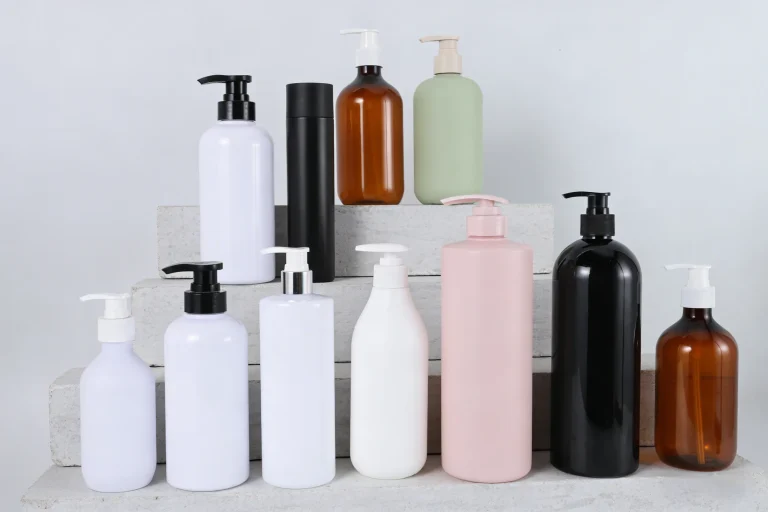
Advantages of Private Label Hair Care
- Faster time to market
- Lower startup investment
- Lower minimum order quantities
- Reduced development risk
- Simplified regulatory process
- Easier inventory planning
Potential Limitations
- Limited formula exclusivity
- Less product differentiation
- Competitors may use similar base formulas
- Innovation opportunities may be restricted
For startups learning how to start a private label hair care brand, these trade-offs are often acceptable because market validation is usually more important than formula exclusivity in the early stages.
What Is Custom Formulation?
Custom formulation involves creating a unique product from the ground up. Instead of selecting an existing formula, the brand collaborates with a custom hair care manufacturer to develop a product that aligns with specific performance goals, ingredient preferences, and target consumer needs.
This approach is commonly used by premium brands, salon-exclusive lines, and companies seeking a stronger competitive advantage.
The custom hair care formulation process is significantly more complex than private label manufacturing.

Typical Development Stages
Market Research and Product Positioning
Before formulation begins, brands must clearly define:
- Target audience
- Product claims
- Market gaps
- Competitive landscape
Formula Development
Chemists develop prototypes based on desired benefits such as:
- Scalp care
- Hair repair
- Curl definition
- Color protection
- Hair strengthening
- Anti-frizz performance
Ingredient Selection
A formulation team evaluates:
- Active ingredient compatibility
- Concentration levels
- Stability requirements
- Regional regulatory restrictions
Testing and Validation
Professional manufacturers typically conduct:
- Stability testing
- Microbiological testing
- Packaging compatibility testing
- Performance evaluations
Scale-Up and Production
Laboratory formulas must be optimized for commercial manufacturing, ensuring consistency from pilot batches to large-scale production.
Brands pursuing custom-formulated hair care products often invest more time and capital, but gain a stronger foundation for long-term differentiation.

Key Differences Between Private Label & Custom Formulation
The following comparison highlights the practical differences between the two approaches.
| Factor | Private Label | Custom Formulation |
|---|---|---|
| Time to Market | 2–6 weeks | 3–12 months |
| Initial Investment | Low | High |
| Product Exclusivity | Limited | Exclusive |
| Development Risk | Low | Medium to High |
| Regulatory Work | Mostly Completed | Additional Testing Required |
| MOQ Requirements | Usually Lower | Often Higher |
| Product Differentiation | Branding Focused | Formula Focused |
| Market Validation | Fast | Slower |
| Long-Term Brand Value | Moderate | High |
When Private Label Makes More Sense
Private label is often the better option when:
- Launch speed is critical
- The budget is limited
- Market demand is unproven
- A brand wants to test multiple concepts quickly
When Custom Formulation Makes More Sense
Custom development is often ideal when:
- The brand needs a unique hero product
- Ingredient innovation is important
- Premium positioning is a priority
- Long-term competitive advantage is a goal
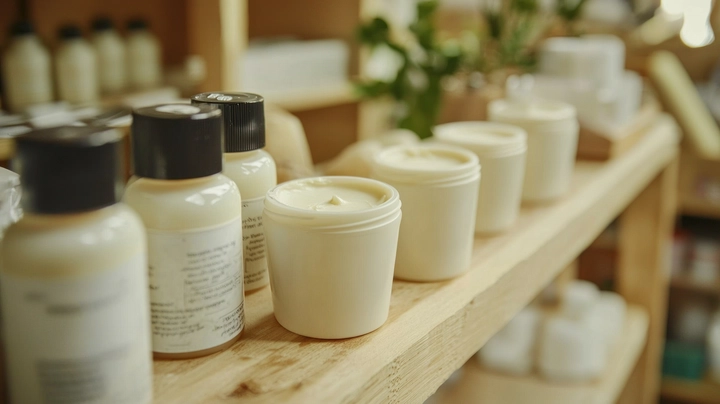
Private Label vs Custom Formulation: Cost Breakdown
Cost is frequently the deciding factor for many businesses.
The visible cost of manufacturing is only one part of the equation. Product development introduces several additional expenses that are often overlooked.
| Cost Category | Private Label | Custom Formulation |
|---|---|---|
| Formula Development | Minimal | Significant |
| Stability Testing | Usually Included | Additional Cost |
| Performance Testing | Limited | Often Required |
| Packaging Development | Moderate | Moderate to High |
| Regulatory Documentation | Mostly Available | Custom Preparation |
| Production MOQ | Lower | Higher |
Hidden Costs in Custom Development
Brands should also consider:
- Multiple reformulation rounds
- Extended development timelines
- Delayed market entry
- Additional compliance testing
- Ingredient sourcing challenges
While a custom product may achieve stronger margins later, the upfront investment is considerably higher.
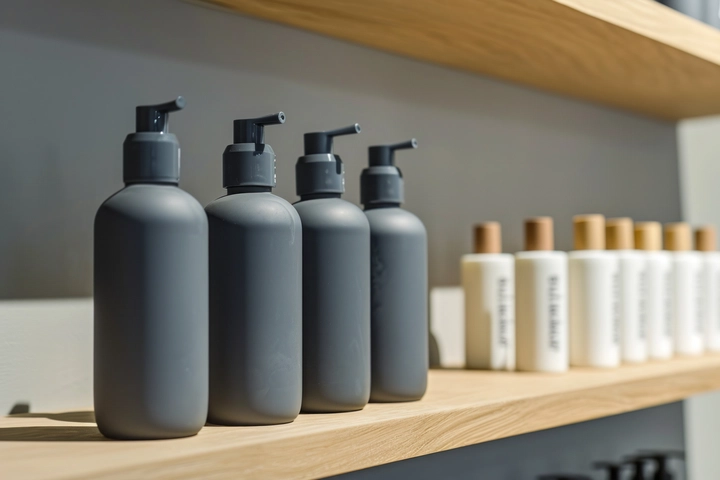
Common Misconceptions About Private Label and Custom Formulation
Myth 1: Private Label Means Low Quality
Many established brands begin with private label products.
A reputable hair care manufacturer often invests heavily in developing formulations that can serve multiple market segments. Product quality depends more on manufacturing standards and ingredient quality than on whether the formula is private label or custom.
Myth 2: Custom Formulation Automatically Creates Better Products
A unique formula does not guarantee commercial success.
Consumer demand, branding, pricing, and marketing execution remain critical factors.
Myth 3: Private Label Products Cannot Be Customized
Many manufacturers offer:
- Fragrance customization
- Packaging customization
- Color adjustments
- Ingredient enhancements
This creates opportunities for moderate differentiation without full-scale product development.
Myth 4: Every Brand Needs a Custom Formula
Many successful brands scale to substantial revenue before investing in custom development.
The timing of innovation often matters more than innovation itself.

How to Choose the Right Option for Your Brand
Budget and Cash Flow
Brands with limited capital often benefit from private label solutions because they reduce upfront investment and shorten the path to revenue generation.
Custom development requires patience and larger financial resources.
Brand Positioning
Ask yourself:
- Are you targeting mass-market consumers?
- Are you building a premium salon brand?
- Do you need exclusive product claims?
Brands competing primarily through marketing and branding may find private label sufficient.
Brands competing through performance and innovation often require custom development.
Time-to-Market Requirements
If speed is critical, private label products have a clear advantage.
Seasonal launches, trend-driven products, and new market opportunities often favor rapid deployment.
Innovation Requirements
Custom development becomes increasingly valuable when brands want:
- Proprietary ingredient systems
- Unique sensory experiences
- Specialized treatment products
- Patentable innovations
Compliance and Regulatory Considerations
Different regions impose different requirements.
Markets such as:
- United States
- European Union
- Japan
- ASEAN countries
may require different documentation and testing standards.
An experienced custom hair care manufacturer can help navigate these requirements during product development.
When Should a Brand Move from Private Label to Custom Formulation?
Many successful companies do not choose one model forever.
Instead, they evolve.
Stage 1: Validation
The goal is to prove demand.
Recommended approach:
- Private label products
- Lower inventory risk
- Faster customer feedback
Stage 2: Growth
The goal is differentiation.
Recommended approach:
- Hybrid strategy
- Existing private label range
- Development of one custom hero product
Stage 3: Expansion
The goal is long-term market leadership.
Recommended approach:
- Greater emphasis on custom formulations
- Stronger product portfolio protection
- Enhanced brand equity
This progression allows brands to manage risk while gradually building proprietary assets.
How to Choose the Right Hair Care Manufacturer
Selecting the right manufacturing partner is just as important as choosing the right business model.
Evaluate Manufacturing Capabilities
Look for a manufacturer that offers:
- Private label services
- Custom formulation capabilities
- Product testing support
- Packaging development assistance
A strong private label hair care manufacturer should be able to support both current and future business needs.
Review Quality Standards
Ask about:
- GMP manufacturing practices
- Quality control procedures
- Stability testing protocols
- Microbiological testing systems
Assess Development Resources
The best custom hair care manufacturer will have:
- Experienced formulation chemists
- Ingredient sourcing expertise
- Regulatory knowledge
- Scalable production capacity
Consider Long-Term Growth
Many brands begin with private-label products and later transition to custom development.
Choosing a partner that supports both ODM hair care and custom projects can simplify future expansion.
Conclusion
The decision between private label hair care and custom formulation is not about determining which option is universally better. It is about identifying which model best aligns with your current stage of growth.
Private label offers faster launches, lower risk, and lower investment, making it an attractive choice for startups and brands testing new markets. Custom formulation provides exclusivity, stronger differentiation, and long-term strategic value for businesses seeking a unique market position.
Many successful brands follow a hybrid path—using private label products to validate demand while gradually investing in custom innovation as the business grows.
Ready to Build Your Hair Care Brand?
Whether you need a fast-launch private label hair care solution or a fully custom hair care formulation, Mountain Sea can help you choose the right path for your brand.
We provide:
- Low MOQ private label hair care
- Custom formulation and product development
- Packaging and branding support
- Regulatory guidance and scalable manufacturing