Before you launch a hair care brand, the most important work happens long before production. You need to define your positioning, validate real market demand, and align early with the right manufacturing partner. In most cases, the difference between success and failure is decided in this pre-launch stage, not after the products are on the shelf.
A successful launch is built on three foundations: clear brand strategy, validated product direction, and a well-planned OEM/ODM development process with a reliable hair care manufacturer.
1. Define Your Brand Positioning First
Before thinking about formulas or packaging, you need to define what your brand actually stands for clearly. This is the stage where most new brands either gain clarity—or become too generic to compete. A strong private label hair care brand strategy starts with understanding who you are serving and why your products should exist in the market.
You should define your brand positioning across three key dimensions:
Step 1: Identify your target audience
A clear target definition will directly shape your hair care brand positioning and product development direction.
- Individuals with dry, damaged, or chemically treated hair
- Users focused on daily cleansing and maintenance routines
- People seeking repair, smoothing, or frizz-control performance
- Users sensitive to sulfate-free or silicone-free formulations
Each target requires a different product logic. For example, repair-focused products often prioritize stronger active ingredients and visible improvement, while daily-care formulas rely more on mildness and consistency.
Step 2: Decide your product category focus
You cannot successfully launch everything at once. You should narrow your focus:
- Daily Cleansing & Care Systems
- Repair hair mask or deep treatment
- Anti-frizz or smoothing care system
- Scalp health or anti-hair loss solutions
A focused category allows you to build stronger hair care product development logic and reduces early-stage complexity.
Step 3: Set your price positioning
Your pricing will determine formulation cost, packaging choices, and even marketing tone:
- Mass market entry-level products
- Mid-premium private label positioning
- Professional salon-grade lines
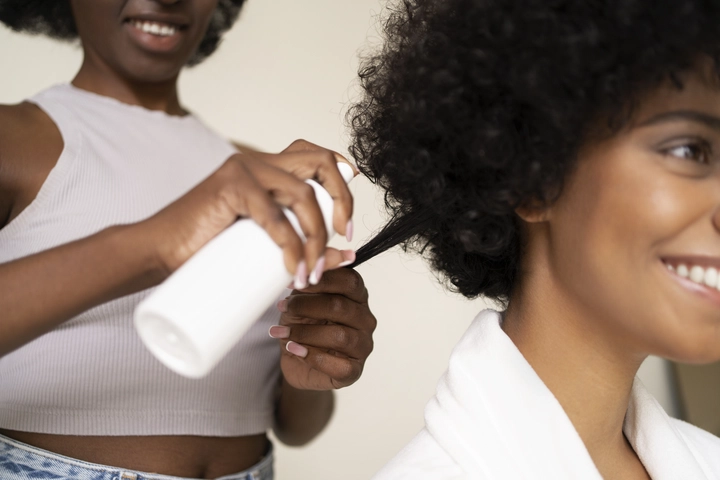
When your positioning is unclear, everything downstream becomes expensive and inconsistent. Clear positioning gives your hair care brand startup a stable direction before any production begins.
2. Validate Product-Market Fit Before Production
Once your positioning is defined, the next step is to confirm whether your idea actually fits the market. Many brands skip this stage and go directly into production, which often leads to slow inventory movement or weak differentiation.
To build real hair care product-market fit, you need structured validation rather than assumptions.
Step 1: Conduct focused market research
Look at:
- Best-selling shampoo categories in your target region
- Ingredient trends such as sulfate-free, argan oil, keratin, or botanical blends
- Pricing benchmarks from competing brands
This helps you understand not just what sells, but why it sells.
Step 2: Analyze competitors deeply
Instead of copying competitors, break down:
- Their product positioning (repair, volume, scalp care, etc.)
- Ingredient structure and claims
- Packaging style and brand storytelling
This allows you to identify gaps you can actually occupy in the market.
Step 3: Test early product direction with samples
At this stage, working with an experienced hair care manufacturer becomes essential. You can request sample formulations before committing to large production.
Common validation methods include:
- Small batch sample testing
- Feedback collection from target users (salons or testers)
- Adjusting the formula based on performance and sensory feedback
A simple but effective approach is to test 2–3 variations before finalizing one direction. This reduces risk and improves your chances of market acceptance.
3. Work With the Right Hair Care Manufacturer Early
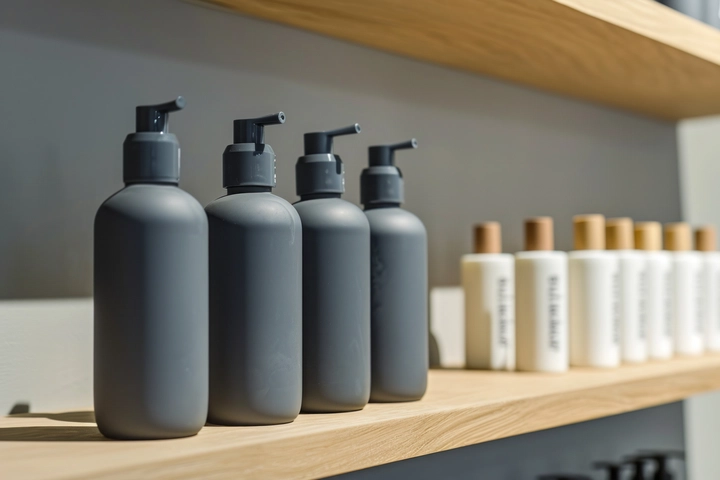
This is the most critical step in the entire launch process. Your manufacturer is not just a supplier—they define your product quality, scalability, and long-term brand consistency.
Choosing the right private label shampoo manufacturer or OEM/ODM partner early allows you to avoid costly mistakes later.
Here is what you should evaluate:
Step 1: OEM/ODM hair care manufacturing capability
- Can they develop custom formulas or only produce existing ones?
- Do they support full hair care product development from scratch?
- Can they adjust formulas based on your brand positioning?
Step 2: MOQ and scalability
Understanding MOQ (Minimum Order Quantity) is essential:
- Low MOQ for market testing
- Scalable production for growth phases
- Flexibility for product iteration
A rigid MOQ structure can limit your early-stage testing ability.
Step 3: Packaging feasibility
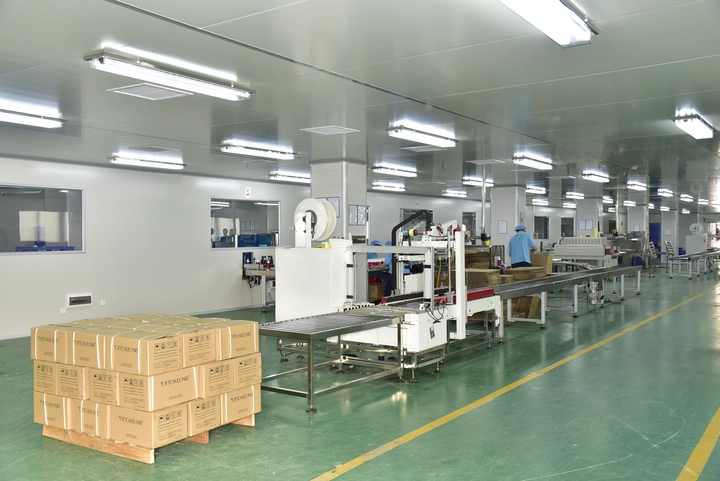
Your manufacturer should support:
- Bottle selection and customization
- Label application and compliance
- Filling compatibility with formula types
Step 4: Timeline transparency
Typical stages include:
- Formula development
- Sample testing
- Packaging design
- Final production
A clear timeline helps you plan your launch realistically.
Choosing the right OEM hair care product supplier early allows you to align business strategy with manufacturing capability, rather than adapting your brand around limitations later.
4. Build Your Product Formula & Claims Strategy
At this stage, your focus shifts from “idea” to “scientific product logic.” A strong formula is not just about ingredients—it is about how those ingredients support a clear brand promise.
For example:
- Sulfate-free formulas are often positioned for gentle cleansing and scalp care
- Repair shampoos focus on keratin, proteins, and damage control
- Volumizing formulas emphasize lightweight structure and fullness
You also need to define your ingredient positioning carefully:
- Argan oil → nourishment and shine
- Keratin → repair and strength
- Botanical oils → natural care positioning
At the same time, compliance matters. If you are selling in the EU or the US, your claims must comply with cosmetic regulations. Avoid overpromising results and ensure all functional claims are supported by formulation logic.
This step connects directly to your hair care manufacturer, because formulation feasibility determines what your brand can realistically claim and deliver.

5. Packaging & Branding Development
Packaging is not just visual—it directly influences perception, pricing power, and shelf positioning. At this stage, you translate your brand identity into a physical product experience.
Key considerations include:
- Bottle type (pump, squeeze, airless, etc.)
- Material selection (PET, HDPE, glass)
- Label design and regulatory compliance
- Color system aligned with brand positioning
A simple comparison helps clarify decisions:
| Positioning Type | Packaging Style | Visual Direction |
|---|---|---|
| Mass Market | Simple plastic bottles | Clear, functional |
| Premium | Matte finish, minimalist design | Clean, modern |
| Professional | Salon-grade packaging | Strong, performance-driven |
Your private label hair care packaging should reflect your private label hair care brand identity consistently across all SKUs. Even small inconsistencies can weaken brand trust at the launch stage.
6. Budget & Production Planning
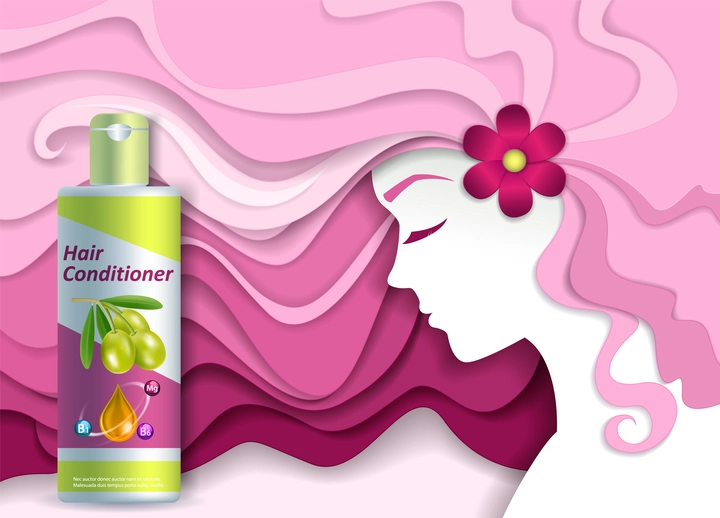
Before you move into production, you need a realistic financial structure. Many new brands underestimate hidden costs and miscalculate early cash flow requirements.
Key cost areas include:
- MOQ-based production cost
- Sample development fees
- Packaging and design costs
- Shipping and logistics
- Marketing and launch budget
You should also clearly understand production timing:
- Formula development: 2–6 weeks
- Sample refinement: 1–3 rounds
- Packaging setup: 2–4 weeks
- Full production: depends on MOQ and complexity
Having a clear structure prevents delays and helps you align your hair care brand startup timeline with real manufacturing cycles.
7. Pre-Launch Marketing Setup
Even before production is completed, your marketing foundation should already be in place. This ensures your brand enters the market with visibility rather than starting from zero.
Key channels include:
- Woocommerce or Shopify store setup
- Amazon listing preparation (if applicable)
- Social media content planning
- Brand storytelling and product education content
Your goal is not aggressive selling at this stage, but awareness building. You want your audience to understand:
- What your brand stands for
- What problems do your products solve
- Why is your formulation approach different
When your hair care manufacturer and marketing strategy are aligned early, your launch becomes significantly smoother and more scalable.
Conclusion
A successful hair care brand launch depends on what you do before production begins. Clear positioning, validated market demand, and early collaboration with the right hair care manufacturer help you reduce risk and build a more focused product strategy.
Instead of treating launch as a single event, you should see it as a structured process that connects branding, formulation, and manufacturing decisions from the start.
If you are planning to build a private label hair care brand, Mountain Sea can help you turn your idea into a market-ready product with clarity and confidence.